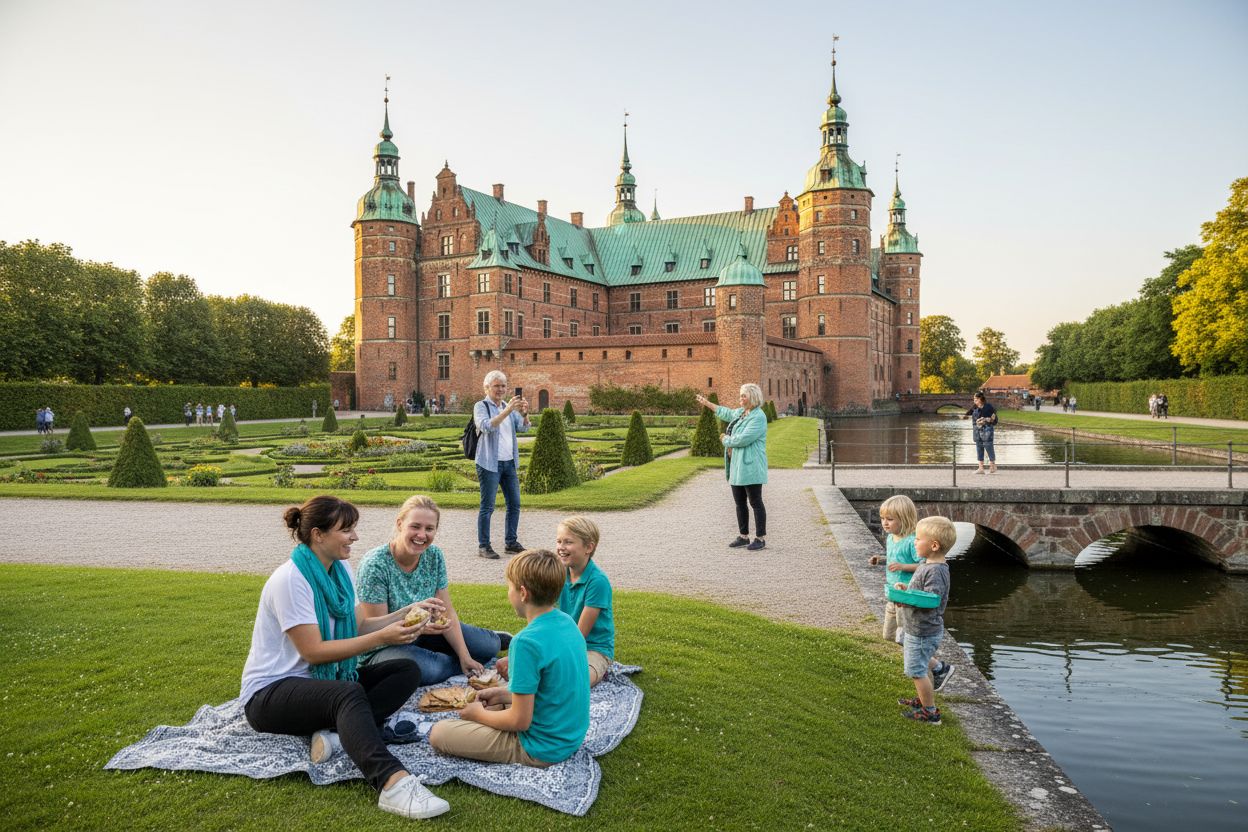
Castles are scattered like pearls across the country, attracting both locals and tourists. Many are surprised when they hear that Finally, places like Kronborg, Rosenborg, and Frederiksborg are visited by hundreds of thousands of people every year.But it is not only the many visitors or the beautiful buildings that are most fascinating. The crucial thing is how the castles still shape Danish culture, nature, and local communities today.
What are Danish castles and their history?
Of course! Please provide the Danish text you'd like me to translate into English. These magnificent buildings have been the center of political power, social change, and cultural significance for centuries. They not only represent architectural grandeur but also tell the story of the royal, noble families, and the social structures that shaped Danish society.
The origin and historical significance of Slotten
National Museum It documents that Danish castles primarily have roots in the Middle Ages, where they began as fortified castles and fortresses. The early castles were strategically located to defend territories and control important trade routes. As Denmark evolved from a warlike kingdom to a more stable political entity, the castles changed from pure defensive structures to impressive residences for royal and noble families.
Architecture and Cultural Significance
Dutch castles reflect various architectural styles throughout history. From the sturdy medieval castles with thick stone walls to Renaissance palaces with elegant decoration, each period demonstrates Danish architectural and artistic skill. Castles like Kronborg, Rosenborg, and Frederiksborg are not just monuments but living museums that tell stories of Danish culture, art, and social changes.
Every stone, every room, and every garden in these castles holds stories about The struggle for kings' power, Adelen's privileges og social dynamicsThey are more than just buildings – they are living historical documents that connect the present with our rich Danish cultural heritage. Find more free experiences at Danish castles and explore this fascinating part of Denmark's history.
Why are Danish castles important for culture?
Of course! Please provide the Danish text you'd like me to translate. They represent living museums that connect the present with our rich cultural heritage and provide insight into the social structures, power relations, and artistic movements that have shaped Denmark over centuries.
Cultural memory and identity formation
The National Museum emphasizes that Danish castles function as important national memory sites. They not only document historical events but also create a collective memory and national identity. Through their architecture, art collections, and historical narratives, they convey important aspects of Danish culture and social changes.
These slots represent Central milestones in Danish history:
- Political power centers through different historical periods
- Artistic and architectural innovations
- Transformation of social hierarchies
Cultural heritage as a living museum
Slots serve as dynamic cultural mediators, making history accessible and relevant to today's generations. They are not just static monuments, but active cultural institutions that continuously interpret and communicate Danish history. Each castle contains unique stories about royal families, noble traditions, and social upheavals.
Through sights and museum experiences finally, invites visitors to explore Denmark's rich cultural heritage. They are living proof of Danish creativity, resilience, and the ability to preserve and celebrate our historical heritage, making them invaluable cultural treasures that connect the past, present, and future.
How do castles function as tourist attractions?
Of course! Please provide the Danish text you'd like me to translate into English. These impressive cultural heritage sites combine authentic historical storytelling with modern communication techniques, creating unique and engaging travel experiences.
Communication and user interaction
The Slots and Culture Agency describes how modern castles function not only as static museums but also as dynamic platforms for cultural dissemination. They use interactive exhibitions, guided tours, historical reconstructions, and digital technologies to provide visitors with an immersive experience of Danish history and cultural heritage.
Important aspects of castles as tourist attractions
- Authentic historical surroundings
- Professional historical interpretations
- Various arrangements and activities
- High accessibility for different audience groups
Economic and cultural significance
Tourist visits to Danish castles serve a dual purpose. They not only create economic value through ticket sales and related tourism industries but also contribute to national cultural awareness or the dissemination of historical knowledge. Castles like Rosenborg, Kronborg, and Frederiksborg attract hundreds of thousands of visitors annually, who are introduced to Danish history, architecture, and cultural traditions.
Understanding the role of museums show that these historical sites are much more than just tourist attractions. They are living educational institutions that convey complex historical narratives through sensory and engaging experiences, making them unique windows into Denmark's rich cultural heritage.
What characterizes the different types of castles?
Danish castles constitute a diverse architectural and historical treasure trove, where each type of building tells its unique story about Danish history, social structures, and artistic traditions. From the medieval's robust fortifications to the Renaissance's elegant residences, these buildings represent a complex cultural evolution.
Medieval fortress castles
The National Museum emphasizes that the earliest Danish castles were primarily strategic defense structures. Characteristic features of these medieval castles include:
- Robust stone walls
- Voldgrave
- Tall towers for observation
- Narrow windows for protection
- Placed at strategic high points
These slots were not only residences but also complex military and administrative centers that protected local power structures and controlled important trade zones.
Renaissance and Baroque castles
During the Renaissance and Baroque periods, Danish castles underwent a significant transformation. Architectural elegance Gradually replaced the pure defense purposes. Slots like Frederiksborg and Rosenborg represent this aesthetic and social change, where the buildings became symbols of royal power and artistic sophistication.
These slots are characterized by:
- Symmetrical architectural designs
- Lavish decorations
- Complex garden facilities
- Rum dedicated to art and cultural activities
Modern slot storage
Today's Danish castles function as living museums and cultural institutions.
INFOGRAPHIC:infographic_content] [Seværdigheder og kulturelle oplevelser viser, hvordan disse historiske bygninger bevares og formidles til nye generationer. They not only represent architectural heritage but also active communication platforms that connect the past and the present through authentic historical experiences.
To make the differences in the main slot categories clear, this table organizes their essential features and historical roles.
| نوع الفتحة | Characteristic | Historical role |
|---|---|---|
| Medieval castle | Thick stone walls, moats, narrow windows, and tall towers | Defense, administration, power |
| Renaissance castle | Symmetrical design, lavish decorations, large gardens | Royal residence, art and culture |
| Modern slot | Conservation, museum education, cultural events | Communication, nature experiences, tourism |
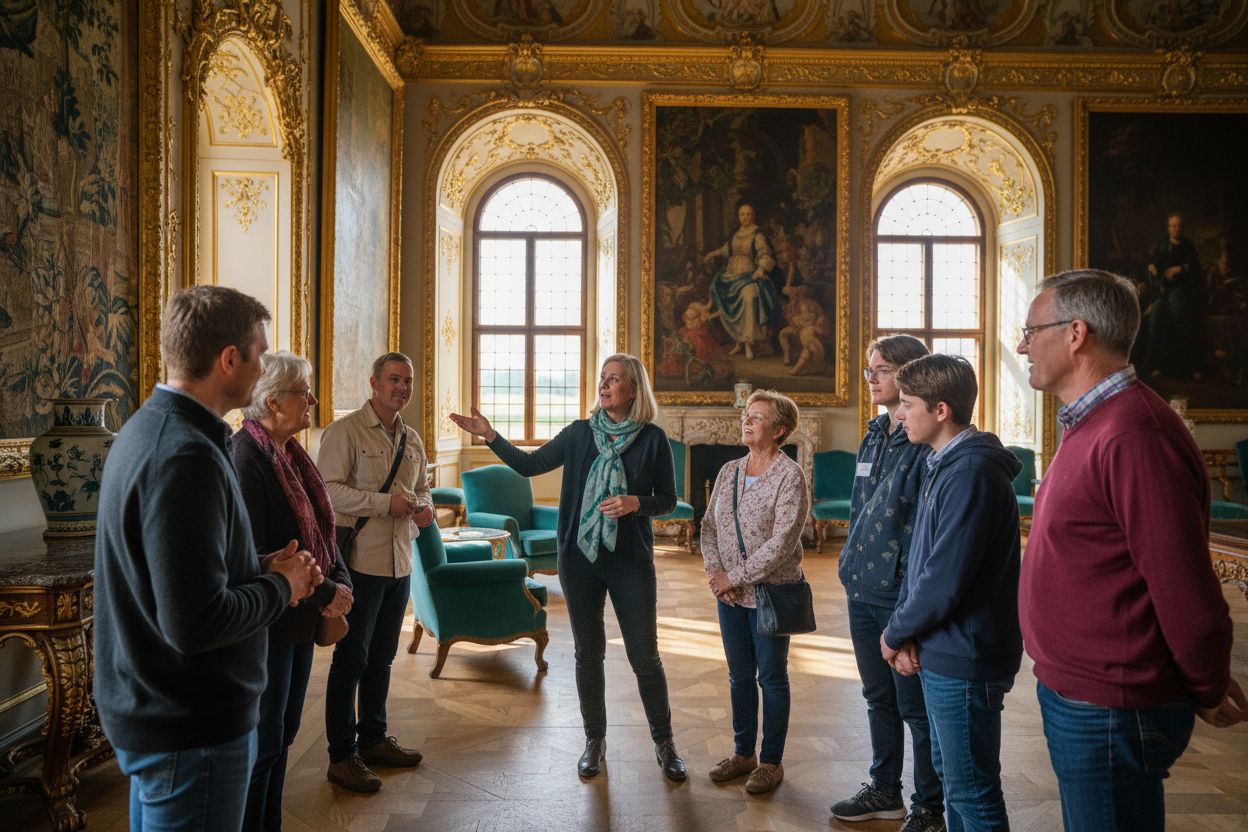
How do Danish castles affect local communities and nature?
Of course! Please provide the Danish text you'd like me to translate into English. Their influence extends far beyond their physical boundaries and plays a crucial role in preserving landscape and social structures.
This table provides an overview of how Danish castles contribute to both local communities and nature based on the points described in the article.
| Area | Concrete contribution |
|---|---|
| Economy and job creation | Direct employment, tourism, preservation of craftsmanship |
| Social integration | Educational activities, gathering point in the local community |
| Nature Conservation | Ecological corridors, rare tree species, minimal intervention |
| Cultural sustainability | Preservation of cultural heritage, access to open spaces |
Economic and social integration
The Slots and Culture Agency highlights how Danish castles function as central economic and social hubs in local communities. They create employment, attract tourism, and maintain historical landscape structures through:
- Direct jobs at castles and manors
- Derived tourism economic activities
- Preservation of traditional crafts and agricultural practices
- Educational dissemination activities
Nature conservation and landscape management
Surrounding parks, forests, and agricultural areas constitute important ecological corridorsMany estates have maintained significant natural areas over the centuries, contributing to the preservation of biodiversity and landscape continuity. Their parks often contain rare tree species, old avenues, and protected biotopes that serve as habitats for endangered species.
These natural areas are characterized by:
- Complex ecosystems
- Historical tree species
- Protected habitats
- Minimal human intervention
Cultural sustainability
Free experiences at Danish castles show how these cultural institutions actively contribute to local sustainability. Through preservation, dissemination, and open spaces, castles create a lasting connection between historical cultural heritage and modern communities, ensuring vibrant, dynamic cultural landscapes for future generations.
Discover Denmark's castles with Travel in Denmark
Do you dream of experiencing Danish castles, but often feel overwhelmed trying to find the perfect experiences or information? Many miss concrete ideas for castles that offer both history, culture, and nature, while also looking for practical details such as prices and opening hours. This article gives you insight into the significance and beauty of the castles, but the transition to planning can feel cumbersome if you do not have a complete overview of the options and experiences for the whole family.
On Travel in Denmark You can easily find and sort Danish castles according to your wishes. Here you can:
- Recommendations for castles and historic sites
- Filter experiences by season and price
- Explore free experiences at castles and cultural heritage
The interactive map feature and detailed descriptions give you an overview so you can get the most out of your adventure in Denmark's vibrant cultural heritage. Are you ready to step into the Danish castles yourself and plan your next trip? Start by exploring the best free slots and attractions or get inspired by our overview of unique sights in Denmark. Take the first step towards your castle experience at Rejs i Danmark today.
Frequently Asked Questions
What are Danish castles, and what history do they have?
Certainly! Here is the translation: Certainly! Here is the translation: Castles are impressive structures that represent Denmark's cultural heritage and historical development. They began as medieval fortified castles and have developed into residences for royalty and nobility.
What architectural styles are found in Danish castles?
Dutch castles reflect various architectural styles from the Middle Ages to the Renaissance, including robust defensive structures, elegant decorations, and complex garden layouts.
How do Danish castles function as tourist attractions?
Therefore, engaging experiences are offered through interactive exhibitions, guided tours, and historical reconstructions, attracting both national and international visitors.
What cultural significance do Danish castles have in society?
Certainly! Here is the translation: "Danske castles function as national memory sites and cultural institutions that convey historical narratives and promote Danish identity and awareness of cultural heritage."