
Many believe that Denmark's nature is uniform and predictable, but the reality is much more exciting. Denmark actually has over 40 different types of nature, from rolling forests to enchanting coastlines. For families and nature-loving tourists, it means a wealth of opportunities to experience both adventure and learning outdoors. This article gives you insight into the hidden natural gems and makes you smarter about how to make the most of Denmark's diverse landscape.
What is meant by Denmark's nature and widespread misunderstandings
Danish nature is much more complex and diverse than many people initially imagine. It's not just about a green landscape, but about a living ecosystem with numerous nuances and ecological processes. The concept of nature in Denmark ranging from microorganisms to large contiguous natural areas, where each part plays a crucial role in the overall ecological system.
An widespread misconception is that Danish nature is boring or uniform compared to other countries' natural landscapes. In fact, our country encompasses a surprising diversity – from lush deciduous forests and rolling fields to rocky coastlines and moist wetlands. According to the Danish Nature Agency Danish nature is far from monoton, but rather a result of complex interactions between human culture and natural processes.
Many Danes and foreign tourists also overlook that Danish nature is deeply affected by our agricultural and cultural history. The landscape is not just 'wild', but a dynamic system where humans have shaped and influenced the natural environment over centuries. It means that our nature is a unique ecosystem, distinguished from more untouched natural landscapes precisely by being a result of ongoing human interaction.
Pro tip: Take the children out into nature and teach them about the local ecosystems through exploratory and playful learning, so they understand the complexity of nature early on.
The largest types of nature and characteristic features
The most important types of nature in Denmark It constitutes a complex and diverse landscape, ranging from coastal areas to inland landscapes. Each type of nature contains unique ecological characteristics that make them particularly interesting for nature lovers and families who wish to explore the Danish landscape.
The coastal areas constitute a significant part of Denmark's natural profile, with stony beaches, dunes, and low coastal cliffs that are constantly shaped by the dynamic forces of the sea. These areas are characterized by their special flora and fauna, including characteristic bird species and marine-adapted plants. In the inner landscapes, we find varied types of nature such as heaths, forests, and wetlands, each representing unique ecosystems with their own biodiversity.
The heders, primarily located in Jutland, are a particularly remarkable ecosystem with their characteristic heather and open landscapes. The forests, which cover about 14% of the Danish area, mainly consist of deciduous trees such as beech and oak, and constitute important habitats for numerous animal species. Wetlands such as bogs and meadows play a crucial role in the water balance and constitute critical habitats for many endangered species.
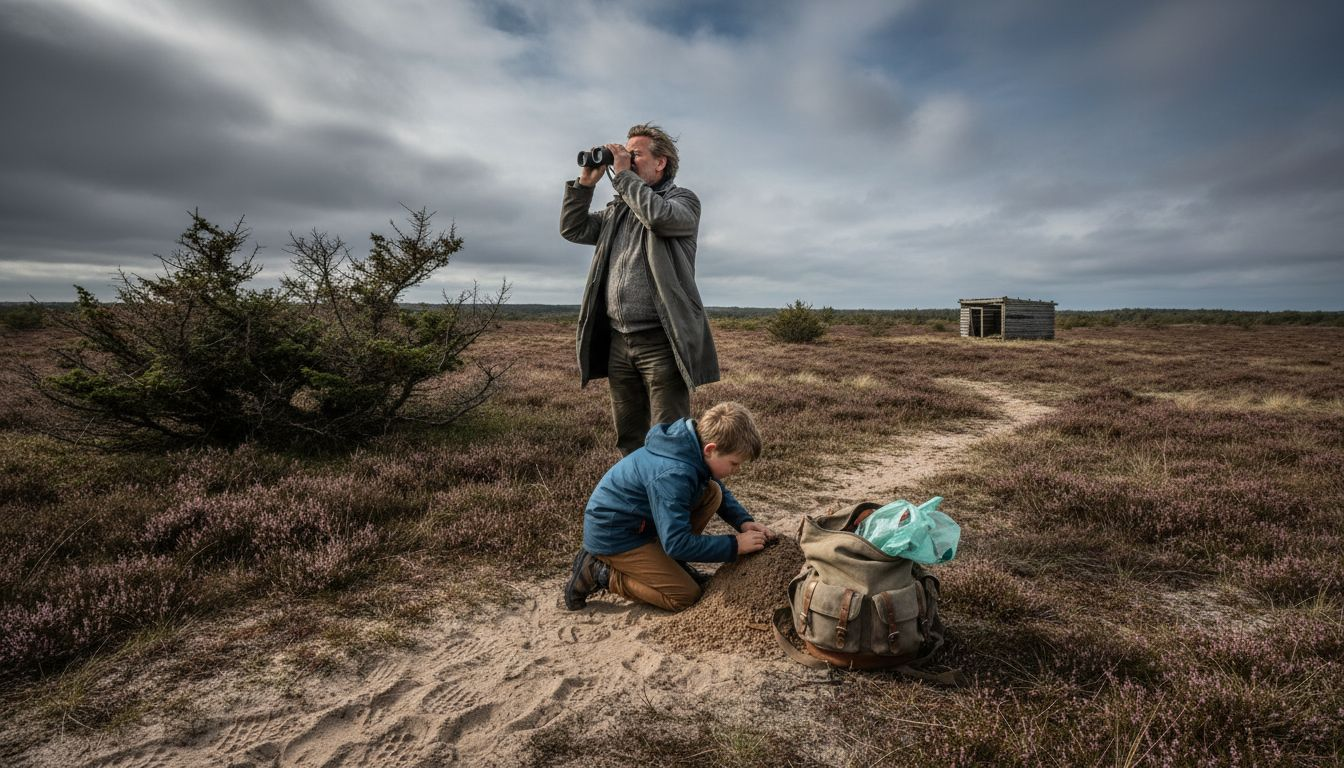
Here is an overview of Denmark's most important natural habitats and their characteristics:
| Natural habitat | Characteristic plants | Typical animals | Special ecological values |
|---|---|---|---|
| Coastal areas | Marshland, coastal area | Eider duck, seal | Climate buffer, erosion protection |
| Header | Ling, crowberry | Hugorm, tower falcon | Rare species, tourism promotion |
| Forests | Beech, oak | Roe deer, squirrel | Carbon dioxide uptake, biodiversity |
| Wetlands | Dunhammer, sump planter | Frogs, marsh harrier | Water purification, breeding and resting site |
Pro tip: Plan your family outing with a focus on exploring different types of nature so that the children gain a broad understanding of Denmark's ecological diversity.
How biodiversity and ecosystems work
The biodiversity in Denmark It is a complex ecological network where species, genes, and ecosystems interact in an intricate interplay. It's not just about the number of species, but about how these species interact, influence each other, and maintain balance in nature. Each individual ecosystem is like a living organism with its own rules, connections, and dynamics.
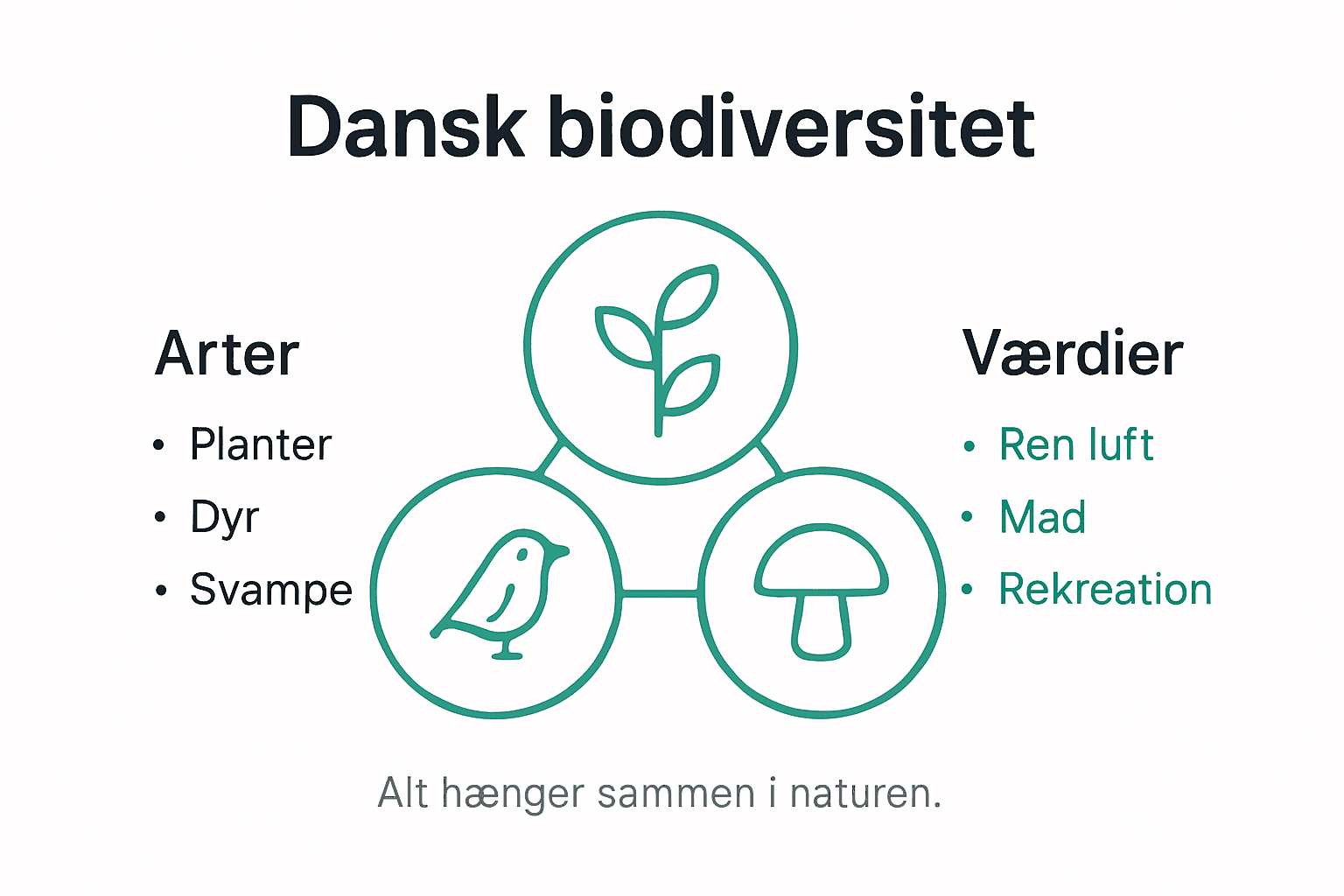
Researchers have identified that Danish ecosystems contain incredibly many interdependent processes. Ecosystem services from biodiversity includes essential functions such as pollination, water recycling, soil improvement, and climate regulation. These processes are invisible to most people, but they are fundamental to maintaining our natural environment and human existence.
Each ecosystem has its own unique characteristics. The forests function as complex systems, where trees, fungi, insects, and animals are involved in constant exchange of nutrients and energy. Wetlands purify water, create habitats for numerous species, and serve as natural climate buffers. Hedges and meadows represent ecosystems where plants have adapted to specific environmental conditions and lay the foundation for a rich wildlife.
The following table shows key ecosystem services and their importance to society:
| Ecosystem service | Example from Danish nature | Importance for people |
|---|---|---|
| Pollination | Beer at the edge of the forest | Food production |
| Vandcirculation | Moser and Enge | Rent drinking water |
| Climate control | Forests and coastal areas | Less CO2 emissions |
| Soil improvement | Earthworm in garden soil | Fertile soil for crops |
Pro tip: Take the children out into nature and let them explore the small details so they learn to understand the complex relationships in ecosystems.
Rules for protection and conduct in nature
The Danish Nature Agency's guidelines for travel in Denmark ensures a balance between citizens' access to nature and the preservation of fragile ecosystems. There are clear rules that protect both nature and the people who wish to explore it, making it possible for families and nature enthusiasts to experience the Danish natural areas in a responsible manner.
In Denmark, there is a general right to access nature through the principle of 'the right to roam,' but this right comes with important limitations. Rules for access to different types of nature Varies depending on whether the area is private or public. On public paths and roads, you can typically walk, cycle, and ride, while you need to be more careful in private forests, fields, and beach areas.
There are special considerations that all nature users must comply with. It means that one should avoid damaging plants, disturbing wildlife, leaving trash, or making unnecessary noise. Some areas have very specific restrictions, especially during the breeding season for birds and mammals or in particularly vulnerable nature reserves. Camping in nature often requires special permits, and there are specific rules for the use of fires, camping, and movement in protected areas.
Pro tip: Always bring a guide or app that can help you understand the local natural rules so you can move around safely and respectfully.
Popular nature experiences and family-friendly activities
Danish natural areas offer a wealth of exciting activities that can delight the whole family. According to the Danish Society for Nature Conservation There are countless ways to explore and enjoy the Danish landscapes, making nature experiences accessible and fun for children and adults.
Among the most popular family-friendly activities are hiking through diverse landscapes, beach trips with opportunities to collect stones and shells, and exploring national parks. Children can participate in guided nature treasure hunts, where they learn about local plant and animal species, or stay overnight in shelters, creating unforgettable shared experiences. Campfire sites provide opportunities for cooking and cozy gatherings amidst the beautiful surroundings of nature.
The Danish national parks such as Thy, Wadden Sea, and Mols Hills offer particularly rich opportunities for family activities. Here you can observe birds, hike on marked trails, experience diverse landscapes, and learn about ecosystems through interactive experiences. In many places, there are information centers with child-friendly exhibits that make nature education exciting and accessible.
Pro tip: Always bring binoculars, a field guide, and a camera so the children can document and remember their nature exploration.
Important challenges for the future and nature considerations
Future nature challenges in Denmark It is complex and requires a coherent, strategic effort. Our natural areas face significant impacts from climate change, human activity, and ecological changes, which place great demands on our ability to protect and restore natural ecosystems.
Threats to Danish biodiversity It is diverse and includes habitat fragmentation, invasive species, intensive land use, and climate change. These challenges threaten existing ecosystems by reducing habitats, disrupting natural processes, and decreasing the chances for species to survive and reproduce.
The most important future considerations include establishing connected nature corridors, protecting vulnerable ecosystems, restoring degraded natural areas, and promoting sustainable land use. It requires close cooperation between researchers, authorities, the agricultural sector, and local communities to ensure balanced and effective nature management.
Pro tip: Support local nature conservation projects and participate in citizen science initiatives that help collect important data about Danish ecosystems.
Make Family Experiences in Denmark's Nature Simple and Inspiring
Understanding Denmark's nature and its complex ecosystems opens the door to unique family experiences characterized by biodiversity, exciting natural environments, and responsible behavior. Many families find it challenging to find the right destinations, activities, and information that consider both learning and entertainment in nature. She is playing Travel in Denmark A central role with his insight into how to experience Denmark's diverse landscape in a way that creates lasting memories with children and adults.
On our platform, we guide you to the best nature experiences and family-friendly activities that enhance understanding of the importance of ecosystems and the vulnerability of nature. Whether you want to explore heathlands, coastal areas, or wetlands, you can easily plan trips with practical information, recommendations, and tips to follow the rules of nature. Visit Travel in Denmark now and discover exciting experiences that match the interests of the whole family, making your next outing both educational and inspiring.
Frequently Asked Questions
What are the largest types of nature in Denmark?
In Denmark, there are several important types of nature, including coastal areas, heaths, forests, and wetlands, each with their unique ecological characteristics and biodiversity.
How does human activity affect Denmark's nature?
Human activity has had a significant impact on Denmark's nature, as agricultural and cultural history have shaped the natural environment and created dynamic ecosystems.
What can families do to enjoy Denmark's nature?
Families can explore Denmark's nature by going on hikes, participating in guided nature treasure hunts, staying in shelters, and visiting national parks for unique natural experiences.
What challenges does Denmark's nature face in the future?
Denmark's nature faces challenges such as climate change, loss of biodiversity, and habitat fragmentation, which require strategic measures to protect and restore ecosystems.
Recommendation
- Benefits of Nature Experiences in Denmark: Complete Guide – Travel in Denmark
- Why a family holiday in Denmark is the best solution – Travel in Denmark
- 7 inspiring examples of nature experiences in Denmark – Travel in Denmark
- Benefits of Family Experiences – Strengthen Togetherness and Learning – Travel in Denmark