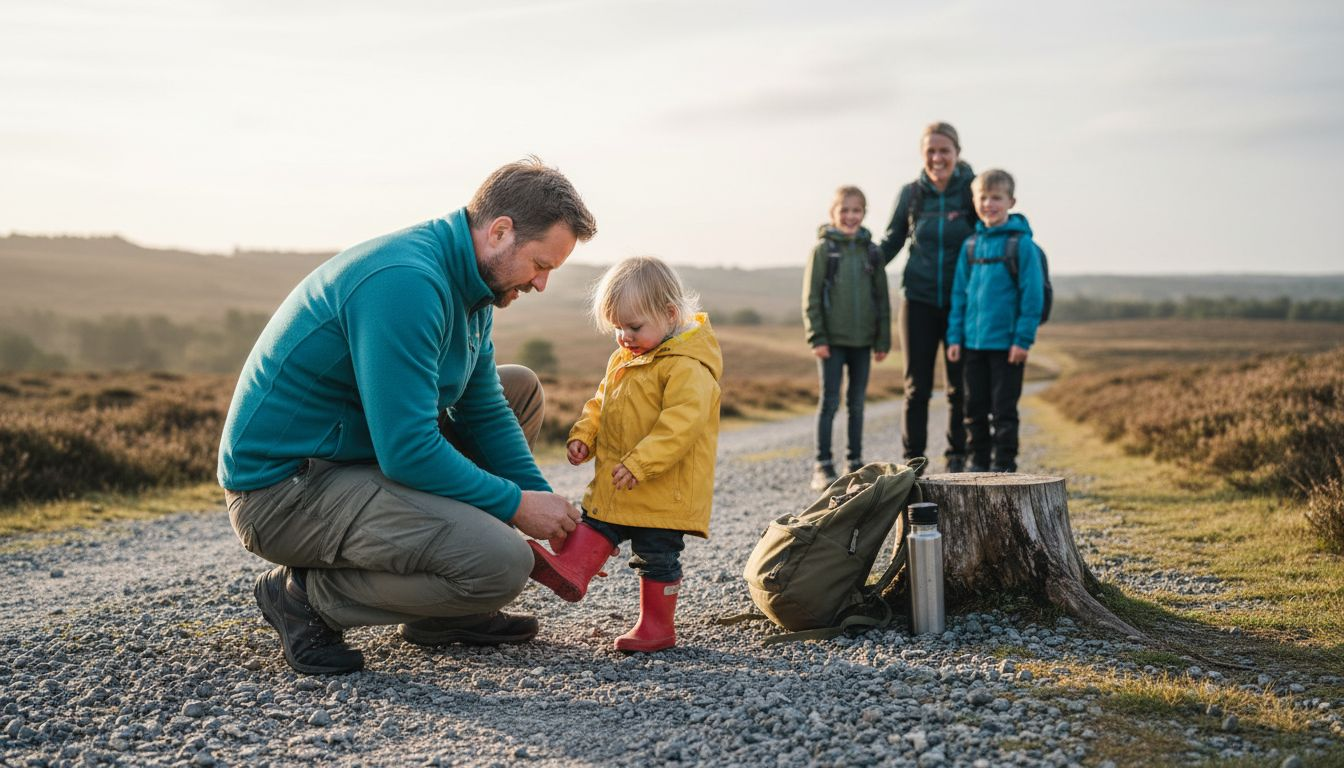
More than 80 percent of Danish families long for more time together in nature. When the weekend arrives, the experience of Denmark's five national parks can bring joy, learning, and tranquility into everyday life. Here you get inspiration on how your family can explore everything from the rolling landscape of Mols Bjerge to the unique UNESCO nature of the Wadden Sea, while learning about sustainability and Danish biodiversity.
Danish national parks and their purposes
Denmark has five unique national parks that represent some of the country's most valuable natural areas. These parks serve an important dual purpose: to protect unique Danish nature and at the same time to give the public the opportunity to experience and explore these beautiful landscapes. The national parks are operated as independent foundations. within the state's administration, with boards appointed by the Minister of the Environment.
The main purposes of Danish national parks are diverse and include the preservation of natural quality, promotion of biological diversity, support for research, environmental education, and local business development. These parks are not just nature reserves, but living ecosystems where people can experience the richness and complexity of Danish nature. Each national park has its own unique character and ecological profile, making them exciting destinations for nature lovers and families.
The five national parks – Thy, Mols Bjerge, Wadden Sea, Land of the Vikings, and the North Zealand of the Kings – represent a cross-section of Denmark's landscape diversity. From coastal landscapes to forest areas, from dune landscapes to historic woodland, these parks offer a unique window into Danish natural heritage. The development of these parks occurs through voluntary agreements, which means that local acceptance and cooperation are crucial for their success.
Here is an overview of Denmark's five national parks and their special characteristics:
| National Park | Geographical Feature | Unique Nature Content | Ideological activities |
|---|---|---|---|
| Your | Cliff legends and seaside landscape | Rare orchid species | Hiking, birdlife |
| Mols Hills | Hilly terrain and forests | Ice age formations | Geological tours, cycling |
| The North Sea | Tidal areas | UNESCO World Heritage | Bird watching, hiking |
| The Land of the Skjoldungs | Valleys and old forests | Unique cultural heritage | Canoe tour, experience animals |
| The Royal North Zealand | Lakes, forests, castle history | Beaver and eagle populations | Family tours, cultural mix |
Pro-tip: Plan your next family trip to one of the national parks and take a guided nature program so you get the best experience and learn as much as possible about the local ecosystem.
Parktyper: Nationalpark og naturnationalpark
In Denmark, there are two central concepts of nature conservation: national parks and nature national parks. National Park large, connected natural areas that aim to protect and promote landscape diversity, biological diversity, and provide the population with opportunities to experience nature. Inspiring nature experiences can be explored within these protected areas.
Unlike traditional national parks, it is nature national parks A new concept that focuses on allowing nature to develop more wild and independent. These parks have a more radical conservation perspective, where human intervention is minimized, and natural ecological processes are allowed to unfold. The goal is to create more resilient and self-regulating ecosystems that can withstand climate change and support rich wildlife.
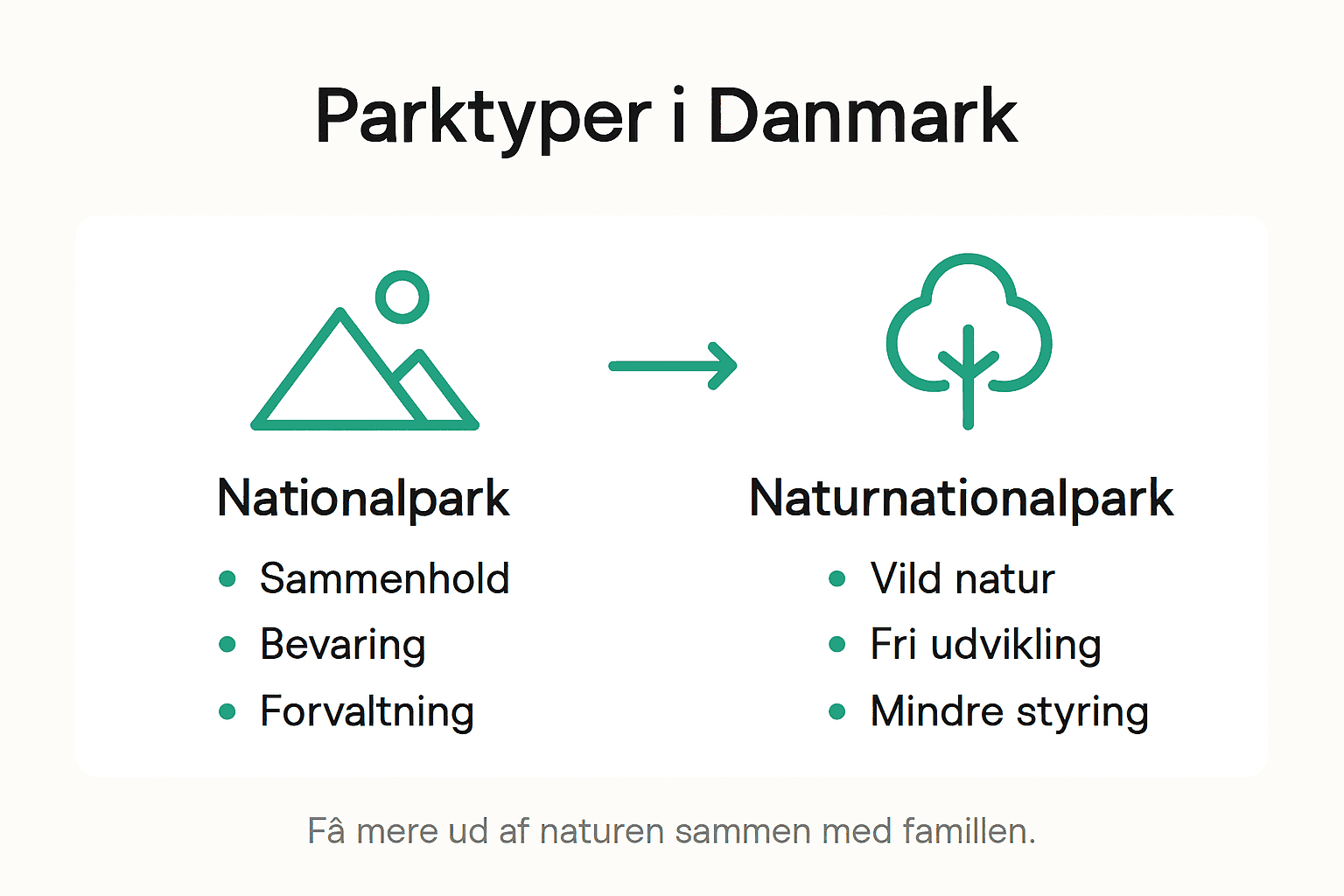
The main difference between the two park types lies in the degree of human management and natural dynamics. National parks typically have a more active management strategy, where specific landscape characteristics are maintained through care and protection. Nature conservation parks, on the other hand, represent a more untouched approach, where nature is allowed to develop more freely without significant human intervention. Both park types, however, share the same overall goal: to preserve and promote Denmark's unique natural heritage.
Comparison between national park and nature national park:
| Characteristics | National Park | Nature National Park |
|---|---|---|
| Management type | Active nature care | Minimal human intervention |
| Primary objective | Diversity and communication | Wild, self-regulating nature |
| Visitor access | Developed facilities | Limited infrastructure |
| Organic Focus | Landscape conservation | Natural processes |
Pro-tip: Visit both types of parks to experience the fascinating difference between active nature management and more wild nature development.
Physical frameworks and special natural types
Danish national parks encompass an impressive diversity of natural types, ranging from coastal landscapes to inland areas. The physical frameworks encompass complex ecosystems, including everything from lush forests and open cultural landscapes to dramatic coastlines and wetlands. These varied landscapes form the foundation for a rich and diverse natural life.
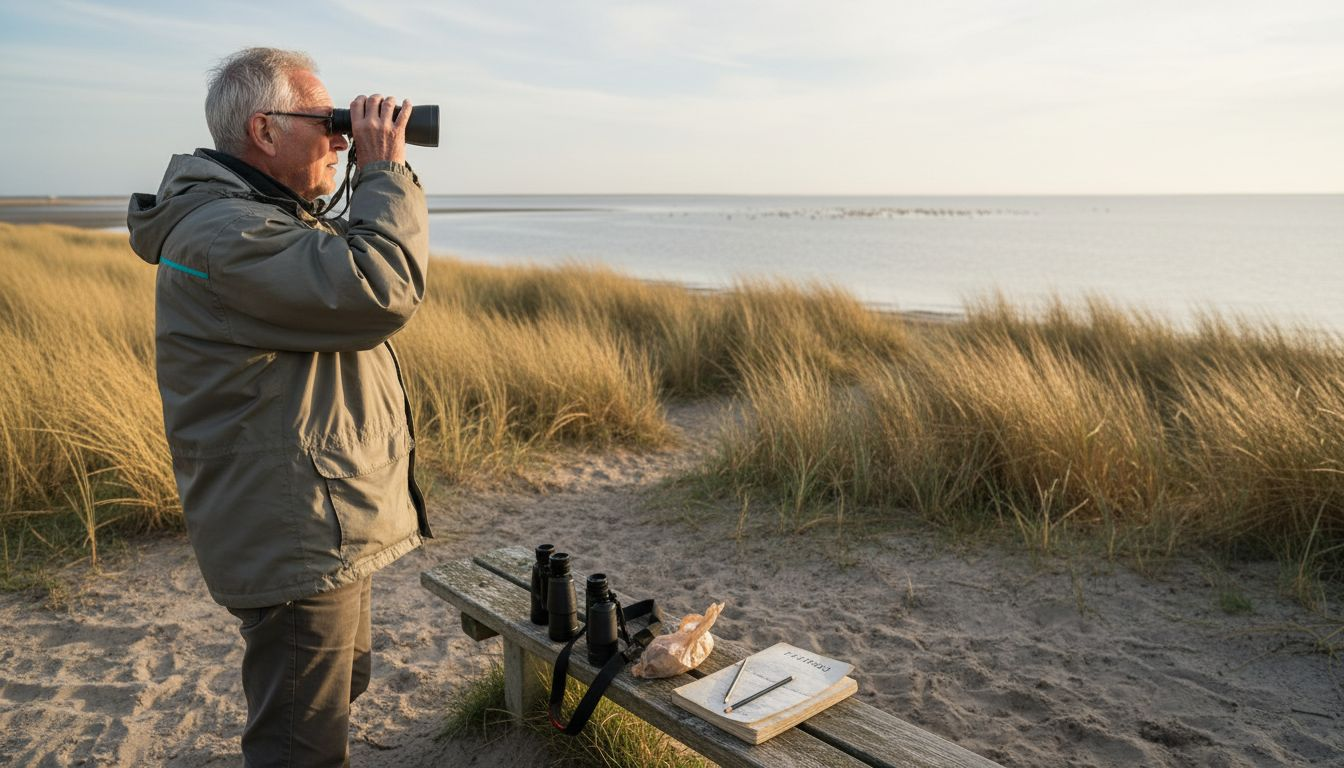
When examining the specific types of nature, one finds a remarkable variation. Coastal areas dominates many national parks with their coastal meadows, dunes, and saline ecosystems. land area offers honor, meadows, forested areas, and grazing landscapes where old cultural landscapes meet wilder nature. Especially interesting geological formations from the Ice Age can still be observed in these areas, providing a unique insight into the historical formation of the landscape.
Each national park has its own unique characteristics. The Wadden Sea National Park is an example of a UNESCO World Heritage Site with unique tidal landscapes, while Thy National Park offers more untouched dune landscapes. Andre Parker, like Mols Bjerge, features hilly terrain with a mix of forest, heathland, and open areas. These varied natural habitats not only ensure biological diversity but also create wonderful settings for nature experiences and research.
Pro-tip: Bring a good map and binoculars so you can explore the specific ecological zones of the different natural types and observe the rich wildlife.
Legal rules and protection of areas
National Park Act It lays the foundation for the establishment and management of Danish national parks. The central purpose of the law is to ensure connected natural areas with national and international significance, while preserving the quality, diversity, and dynamic processes of nature. The Minister of the Environment has the authority to establish national parks that can include land, freshwater, and marine areas.
Unlike many other countries, Danish national parks do not have separate nature protection regulations. Protection It largely relies on voluntariness and cooperation between landowners, municipalities, and the state. This means that private landowners play a crucial role in the management of the parks. Existing nature conservation laws supplemented with local management plans ensure a balanced approach to nature preservation and utilization.
The legal frameworks for the national parks are characterized by a flexible and inclusive approach. The management plans focus on creating a balance between nature conservation, research interests, local business development opportunities, and the population's access to nature. This means that the national parks are not just protected areas, but living landscapes where people and nature can coexist sustainably.
Pro-tip: Always check the local access rules and respect the guidelines posted in the various national parks to ensure both your safety and the safety of nature.
Family-friendly activities and experiences
Danish national parks are a fantastic excursion destination for the whole family with a wealth of engaging activities. The national parks offer numerous opportunities for shared nature experiences through guided tours, hiking trails, cycling routes, and educational centers. Children and adults can explore the landscapes together, learn about ecosystems, and experience the diversity of the Danish nature.
Each visitor center has specially designed activities aimed at families with children. Nature guides Often arranges interactive tours where children can participate in explorations, collect plants, track animal footprints, and learn about local wildlife. Some national parks also offer shelters and primitive accommodation options, allowing families to experience nature up close through primitive camping experiences.
The different national parks each have their own unique characteristics and activity options. Vadehavet National Park offers, for example, fantastic bird observations, while Thy National Park is perfect for hiking and dune experiences. Mols Bjerge offers exciting geological discoveries, and the Kings' North Zealand combines natural history with cultural experiences. The activities are designed to suit different age groups and interests.
Pro-tip: Always bring practical clothing, beverages, packed lunches, and good humor when visiting a national park, so you can ensure a comfortable and memorable family experience.
Safety, access, and sustainable behavior
Access to Danish national parks is open year-round but requires adherence to specific safety and sustainable conduct guidelines. The general access rules correspond to those that apply to other natural areas in Denmark. Visitors Primarily walk on the marked trails and roads, especially in private forest areas, and show full respect for the natural surroundings.
Sustainable behavior is at the core of the experience in the national parks. The basic rules includes proper waste management, noise pollution minimization, and avoidance of unnecessary disturbance to wildlife. Visitors are encouraged to observe nature from a distance, refrain from collecting plants, or disturbing the animals' natural habitat. These guidelines ensure both the safety of guests and the protection of vulnerable ecosystems.
Each national park has specific local rules that may vary depending on the particular ecological characteristics of the area. Some areas may have temporary access restrictions during breeding seasons or special nature conservation initiatives. Information boards at the entrance to the parks provide detailed guidance on current rules and recommendations for safe and sustainable movement.
Pro-tip: Always check the local information boards and guides before starting your trip, and bring a small trash bag to collect any litter along the way.
Discover Danish National Parks and Create Unforgettable Family Adventures
Planning an active and educational experience in Denmark's unique national parks can seem challenging when aiming to combine nature communication, sustainability, and family-friendly activities. The article describes key concepts such as nature experiences, biological diversity, and safety for all ages, reflecting the need for good and detailed resources to find the right destinations and trips.
Hos Travel in Denmark You easily find access to comprehensive guides and inspiration specifically for this type of experience. We help you explore the unique natural types and activities of the national parks through user-friendly filters for season, age, and price. This way, you can plan optimal trips with the whole family that combine the joy of hiking, birdwatching, and cultural heritage in a safe manner. Discover how you can create memorable experiences with our help while taking care of nature.
Find your next experience and make the family trip a success right away at Rejs i Danmark, where inspiration and practical information are gathered in one place. Start your journey to Denmark's most beautiful national parks today and give nature's joy a new life.
Frequently Asked Questions
What is the purpose of Danish national parks?
The national parks protect unique Danish nature, promote biological diversity, support research and local business development, and provide opportunities for people to experience the beauty of Danish nature.
What is the difference between national parks and nature national parks?
National parks focus on active management and conservation of landscape diversity, while natural national parks allow more natural development with minimal human intervention to promote resilient ecosystems.
What activities can families do in the national parks?
Families can participate in guided tours, hikes, bike rides, and interactive activities for children, including bird watching, nature guiding, and primitive camping experiences.
How can sustainable behavior be demonstrated in national parks?
It is important to follow access rules, proper waste management, minimize noise pollution, and avoid disturbing wildlife to protect the fragile ecosystems.