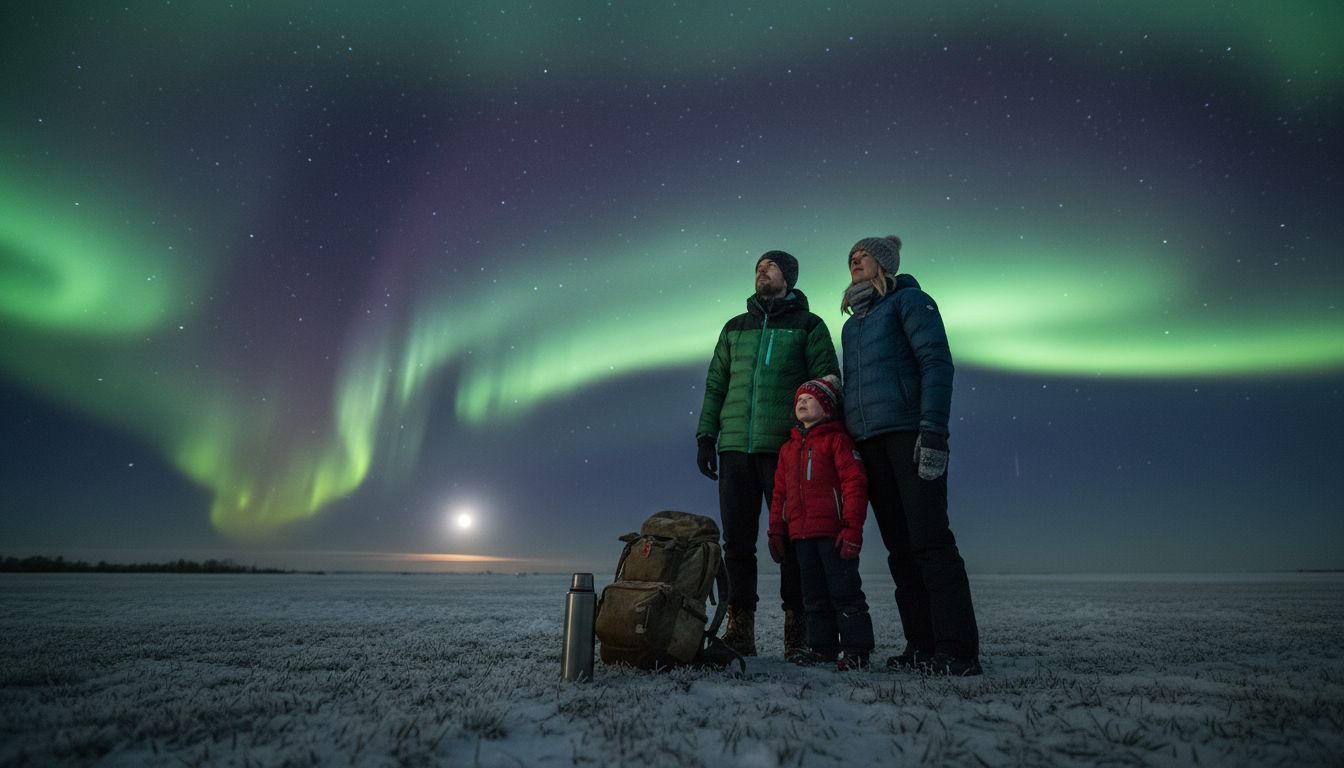
When the night sky over Denmark lights up with green and purple bands, both local and international guests gather to witness one of nature's most spectacular shows. Although Denmark is located south of the classic polar circles, the chance of seeing the northern lights is surprisingly high during the winter months. North Jutland is among the places with the best opportunity to see the phenomenon., especially on cold, clear nights. Here you get an overview of times, locations, and practical tips for your northern lights hunt.
Northern Lights in Denmark – the core of the natural phenomenon
The northern lights are a magical natural phenomenon created through a spectacular dance between the Sun's energetic particles and Earth's atmosphere. Particles from the solar wind interact with our atmosphere and creates a luminous play on the night sky that can fascinate any nature lover.
The scientific basis for the northern lights is fascinating: When electrically charged particles from the Sun hit Earth's magnetic field, they collide with atmospheric atoms at altitudes between 100 and several hundred kilometers. These collisions cause the atoms to excite and emit fantastic luminous colors, primarily green, but also red, blue, and violet shades.
Although the Northern Lights are traditionally associated with the polar regions, Denmark can experience this incredible phenomenon under special conditions. It occurs especially around the solar maximum in the Sun's 11-year cycle, when magnetic activity is at its peak. The intensity and visibility directly depend on the energy of the solar wind particles and the specific atmospheric conditions.
Pro-tip: Keep an eye on solar activity reports and choose dark, clear winter nights far from city light pollution for the best chances to see the northern lights in Denmark.
Colors, shapes, and how the northern lights form
The Northern Lights are a visual masterpiece, where the sky is transformed into a living canvas with fantastic colors and moving shapes. The most characteristic colors are green, but the spectrum can range from deep blue to intense red, depending on the specific atmospheric conditions and the natural experiential opportunities in Denmark.
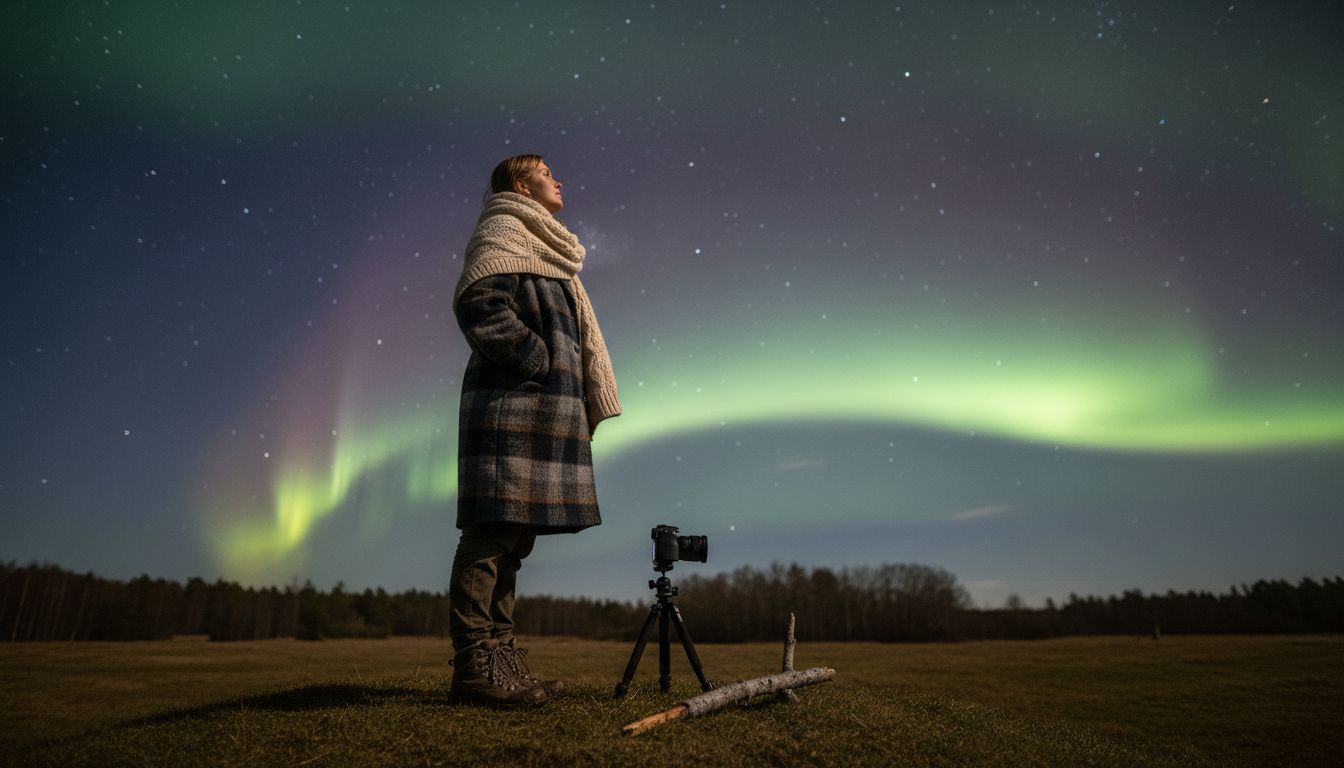
The geometric patterns formed by the northern lights are just as fascinating as their colors. They can assume shapes like flowing veils gliding across the night sky, or intense, pulsating columns that seem to dance vertically up towards the stars. These dynamic movements are created by the complex interactions of electrically charged particles with Earth's magnetic field.
The formation of the northern lights is a subtle choreography between the Sun's energy and our planet's atmosphere. When charged particles from the solar wind hit Earth's magnetic field, they become trapped and accelerated along the magnetic field towards the polar regions. They collide with the atmospheric oxygen and nitrogen atoms, causing these atoms to emit light in different colors depending on their energy levels and type.
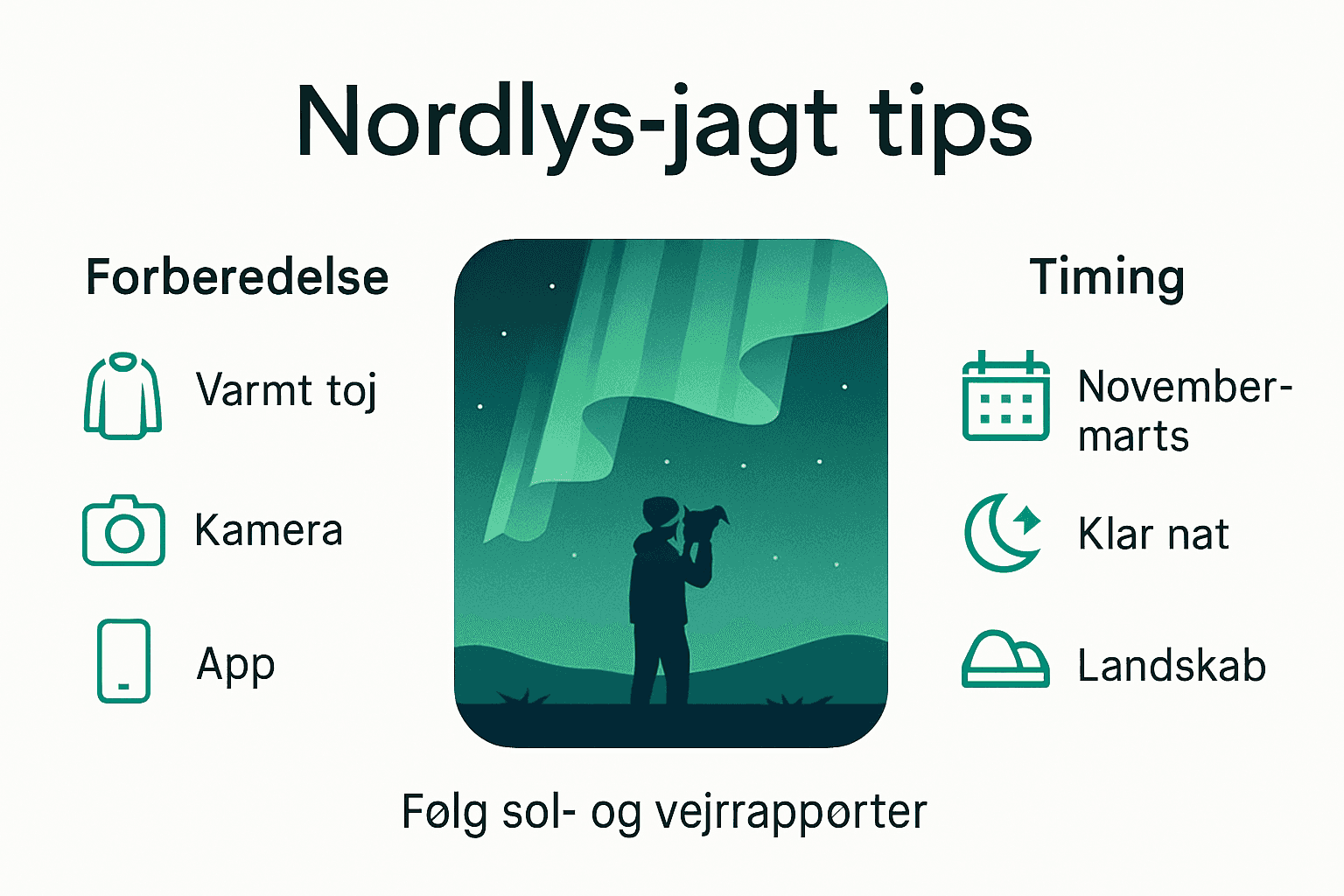
Pro-tip: Plan your northern lights hunt during the winter months between November and March, when the nights are darkest and the chances of experiencing the magical phenomenon are greatest.
Here you get a quick overview of the colors of the northern lights, how they are formed, and the atmospheric conditions required:
| Color of the northern lights | Which atom gives the color | Typical altitudes in the atmosphere | Necessary conditions |
|---|---|---|---|
| Green | Ilt (O₂) | 100-250 km | Moderate solar activity |
| Red | Ilt (O₂) | Over 250 km | High solar energy |
| Blue | Nitrogen (N₂) | Under 100 km | Intense sun shining |
| Violet | Nitrogen (N₂) | Under 100 km | Strong particle storm |
Best places and times for northern lights hunting
To maximize your chances of experiencing the magical Northern Lights in Denmark, it is crucial to choose the right ones Nature experiences in the darkest areasThe northernmost parts of the country, especially North Jutland, offer the best opportunities for northern lights observation, where dark landscapes and minimal light pollution create ideal conditions.
The timing is critical for successful northern lights hunting. The winter months between November and March offer the darkest nights with the longest possible observation time. Optimal conditions typically occur on clear, cold nights with high solar activity. Meteorological factors such as clear skies, low humidity, and minimal moonlight significantly increase the chances of seeing the spectacular light phenomenon.
The most promising locations in Denmark include open coastal areas and high-altitude regions away from the light pollution of cities. Skagen in North Jutland, Møns Klint in South Zealand, and the west coast of Jutland are particularly recommended destinations. These places offer not only dark skies but also breathtaking landscapes that further highlight the dramatic beauty of the northern lights.
Here are the most popular places for Northern Lights experiences in Denmark:
| Location | Observation conditions | Landscape and experience | Availability |
|---|---|---|---|
| Skagen | Very dark sky | Coast and open plains | God, with car |
| Møns Klint | Minimal light pollution | Tap water and sea view | Limited |
| West Jutland | Few cities, unobstructed view | Beaches and dunes | Make available |
| Samsø | Wide view, quiet | Marker and coastline | Ferry needed |
Pro-tip: Download the Nordlys app and follow solar activity reports so you can plan your trip precisely for times with the highest likelihood of experiencing the phenomenon.
Practical tips and forecasts for your experience
When planning your Northern Lights hunt, it is crucial to prepare thoroughly with Practical travel tips for DenmarkEquipment is the key to a successful experience: bring warm, layered clothing, waterproof boots, thermal underwear, thick socks, gloves, and a sturdy winter jacket. A good hat and a scarf protect against the cold wind by the coast.
Technological aids can significantly improve your chances of experiencing the Northern Lights. Specialized apps and websites like Aurora Alert and Space Weather provide real-time forecasts of solar activity and the likelihood of the northern lights. These tools use data from satellites and magnetic observatories that can predict the intensity and spread of magnetic storms.
Photography requires special preparation. Bring a tripod, a camera with manual settings, a wide-angle lens with a large aperture (f/2.8 or wider), and extra batteries. High ISO sensitivity (1600-3200) and long shutter speeds (10-30 seconds) are essential for capturing the subtle movements and colors of the northern lights. Make sure to test your equipment in advance and practice night photography.
Pro-tip: Be flexible with your plans and allocate at least 3-4 nights for northern lights hunting, as weather and solar activity can vary.
Risks, costs, and alternatives to Northern Lights tourism
Northern lights tourism in Denmark requires a strategic approach to budget trips, where the costs can vary significantly. A typical Northern Lights hunt can cost between 2,000-5,000 kroner per person, depending on the mode of travel, accommodation, and equipment. The costs include transportation to northern regions, winter equipment, camera equipment, possible guided tour, and accommodation in suitable observation areas.
The primary risks include weather-related challenges such as extreme cold, sudden weather changes, and slippery road conditions. Winter offers temperatures down to -10 degrees by the coasts, which demands great physical preparation and appropriate clothing. Additional risks include limited visibility, as the northern lights are an unpredictable natural phenomenon with no guarantee of observation.
For travelers with limited resources or seeking alternative experiences, there are several options. Museums and science centers with northern lights exhibits offer indoor alternatives. Digital planets and astronomical centers can provide simulated experiences. Some travel organizers offer photography workshops and virtual northern lights experiences as more cost-effective alternatives to direct observation.
Pro-tip: Consider sharing the costs of an aurora hunting trip with friends or participating in group events to reduce individual expenses.
Experience the Northern Lights in Denmark with Travel in Denmark
Do you dream of experiencing the magical northern lights in the winter sky and want a safe and inspiring way to plan your northern lights hunt? The article has shown that it is a challenge to hit the right times with high solar activity and to find the darkest places far from light pollution. At the same time, it is important to be well prepared with appropriate equipment and to keep an eye on forecasts to increase the chances of success.
Hos Travel in Denmark We have gathered everything you need to find the best nature experiences in Denmark and plan your trip far from the city lights. We help you choose perfect destinations for northern lights safaris and find activities that match your interests and budget. Use our guide to nature experiences in the darkest areas and get practical travel tips so you can be ready for the clearest winter evenings.
Don't hesitate to pursue this spectacular natural phenomenon and create memories for life. Visit Travel in Denmark now and start planning your next unforgettable Northern Lights experience in Denmark.
Frequently Asked Questions
How do the northern lights form, and what colors can one expect?
The northern lights occur when electrically charged particles from the sun collide with the atoms in the atmosphere, causing them to emit light in various colors. The most common colors are green, red, blue, and violet.
When is the best time to experience the northern lights in Denmark?
The best time to experience the northern lights in Denmark is during the winter months between November and March, when the nights are darkest and there is the greatest chance of a clear sky.
Which places in Denmark are best for northern lights observation?
The best places to see the northern lights in Denmark include North Jutland, although open coastlines and high-altitude areas generally offer good observation opportunities away from light pollution.
How can I improve my chances of seeing the northern lights?
You can improve your chances by keeping an eye on solar activity reports, choosing dark, clear nights, and planning your observation during the winter months. Prepare yourself with the right equipment and choose locations away from city light pollution.
Recommendation
- Role of Winter Experiences: Everything You Need to Know – Travel in Denmark
- 7 best Danish viewpoints and tips for nature experiences – Travel in Denmark
- 10 Attractions for Adventure Seekers in Denmark – Travel in Denmark
- Christmas markets in Denmark – experience the magical Christmas atmosphere – Travel in Denmark