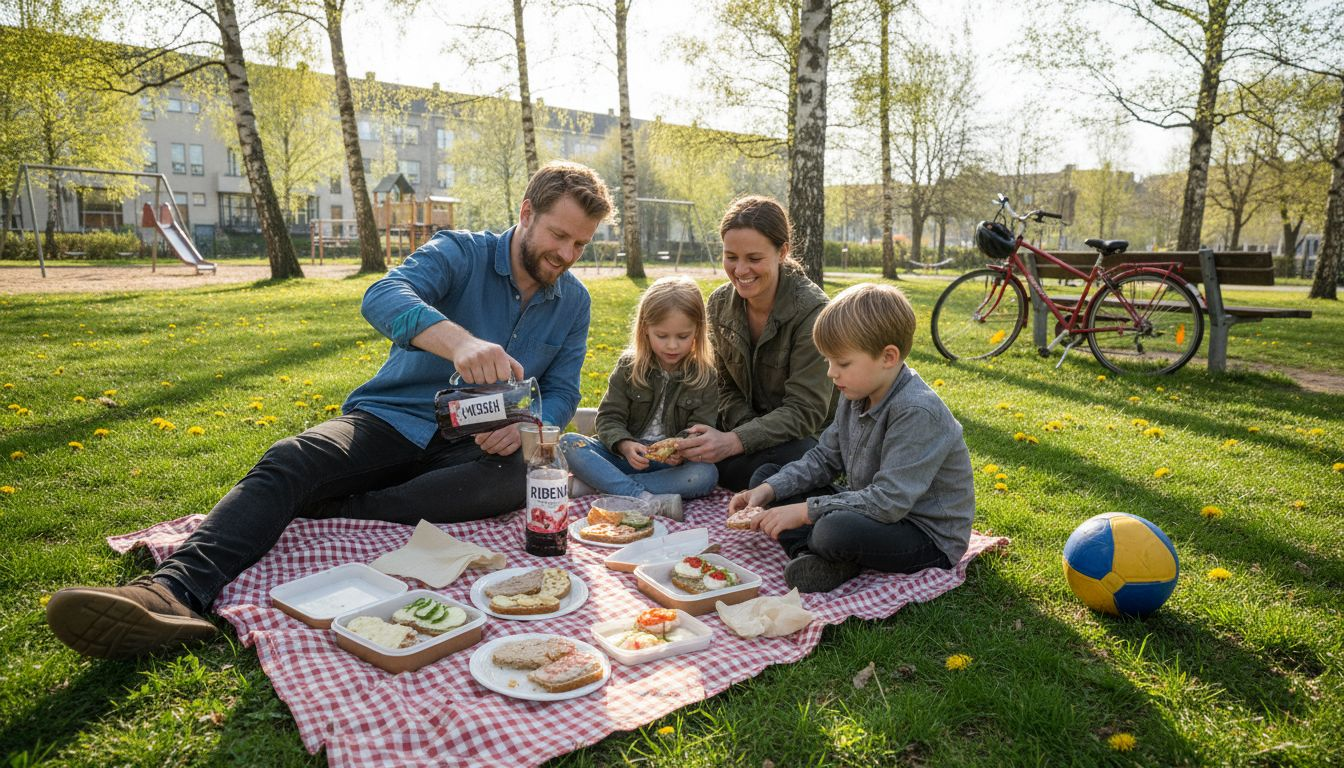
Over 60 percent of Danish parents highlight shared family experiences as the most important factor for children's well-being. When everyday life moves quickly, it becomes valuable to create time together where all family members feel seen and heard. Here you will find both insights and inspiration for experiences that strengthen togetherness, develop new skills, and create lifelong memories.
What family experiences mean in Denmark
Family experiences play a deep and meaningful role in the Danish social landscape. It's not just about spending time together, but about creating connections, strengthening relationships, and promoting learning through shared activities. According to a study from the University of Copenhagen Four central learning environments are identified that define how Danish families interact and learn together.
These experiences are about more than just entertainment. They create a foundation for children's social and emotional development, where family members get to know each other in new ways. Through joint excursions, activities, and conversations, trust, understanding, and mutual respect are built. Children learn social skills, communication, and problem-solving through direct interaction with parents and siblings.
The typical learning environments in Danish families include exploratory experiences where children are encouraged to be curious and ask questions, experimental activities that promote creativity, dialogue-based situations that strengthen communication skills, and supportive frameworks that build self-confidence. These environments are crucial for children's personal and intellectual growth, as they create safe spaces for learning and personal development.
Pro tip – Family gathering: Plan regular joint activities where all family members actively participate and have the opportunity to contribute. Be open, attentive, and present during these experiences to maximize learning and connectedness.
Former for family experiences and types of experiences
Danish families have countless opportunities to experience community and education through various types of experiences. Children in the city guide to 35 fantastic family activities, which ranges from amusement parks to nature-based adventures, providing opportunities to cater to different interests and age groups.
Nature-based experiences constitute a central category in Danish family experiences. Here you can find everything from hiking in the beautiful national parks, to beach trips and kayaking, to geological explorations. These activities not only promote physical activity but also give children the opportunity to learn about ecosystems, wildlife, and the diversity of nature through direct, sensory learning.
Cultural experiences constitute another important dimension. Museum visits, historical sites, art exhibitions, and local festivals offer families the opportunity to explore Denmark's rich cultural heritage and contemporary art. Such activities stimulate children's creativity, historical understanding, and social skills through interactive and engaging learning environments.
Pro tip – Varied Experiences: Choose family activities that cater to different interests and age groups. Let the children be involved in choosing and planning some of the experiences to ensure engagement and motivation.
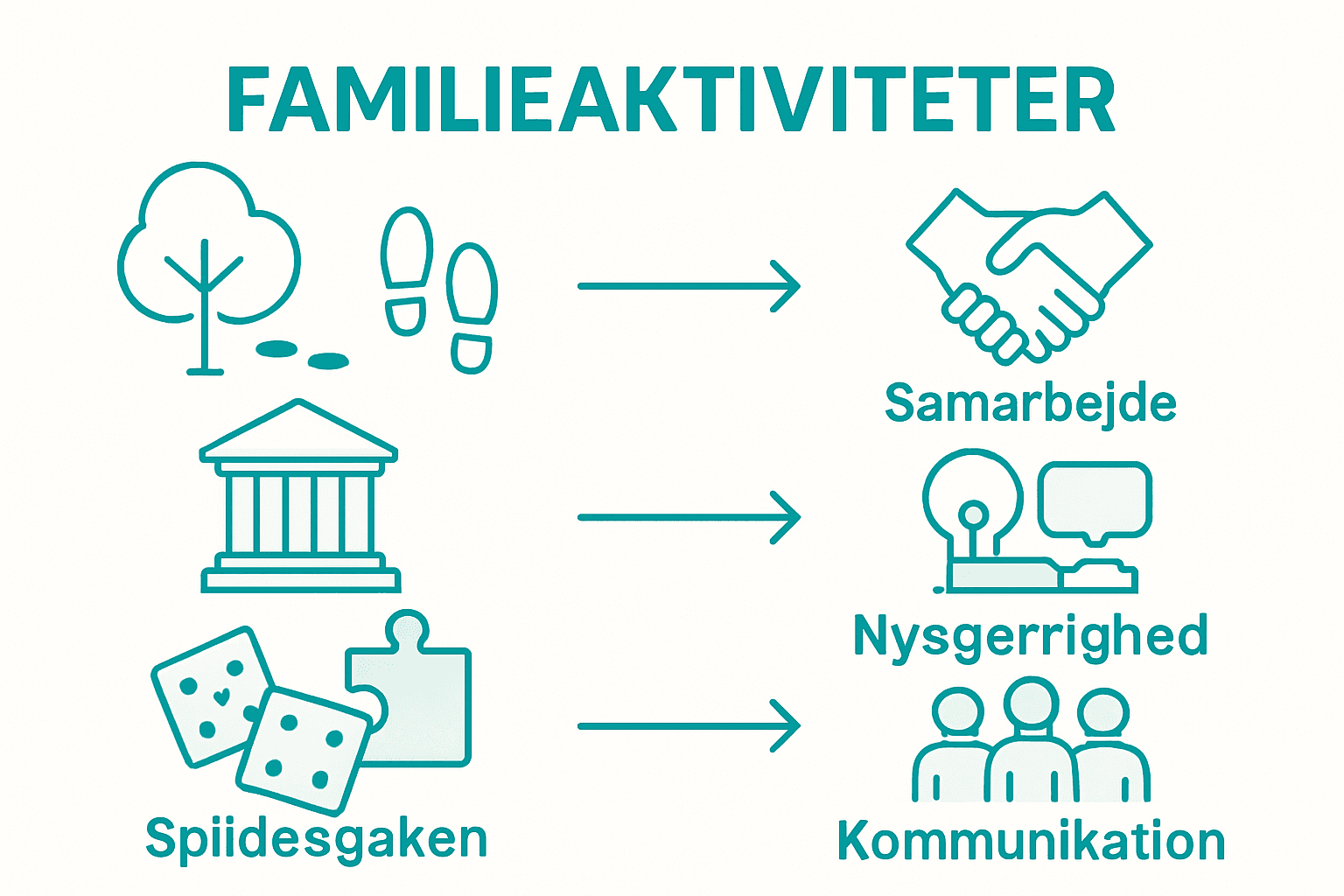
Here is an overview of typical family experience types and the skills they particularly strengthen:
| Experience type | Examples | Developed competencies |
|---|---|---|
| Nature-based | Hiking, beach trip | Sensory learning, curiosity |
| Cultural experiences | Museum visits, festivals | Historical understanding, creativity |
| Home activities | Cooking together, games | Collaboration, communication |
| Outdoor adventure | Kayaking, exploration trip | Problem solving, physical activity |
Social and personal benefits for all age groups
According to a study from the University of Copenhagen, family experiences offer unique opportunities for social and personal development across generations. These experiences create a space where each family member can grow, learn, and develop through mutual interaction and support.
For children, these experiences are particularly crucial. They teach social skills such as empathy, communication, and cooperation through direct interaction with parents and siblings. Older children and teenagers have the opportunity to develop independence and self-confidence by actively participating in planning and decision-making processes during family activities.
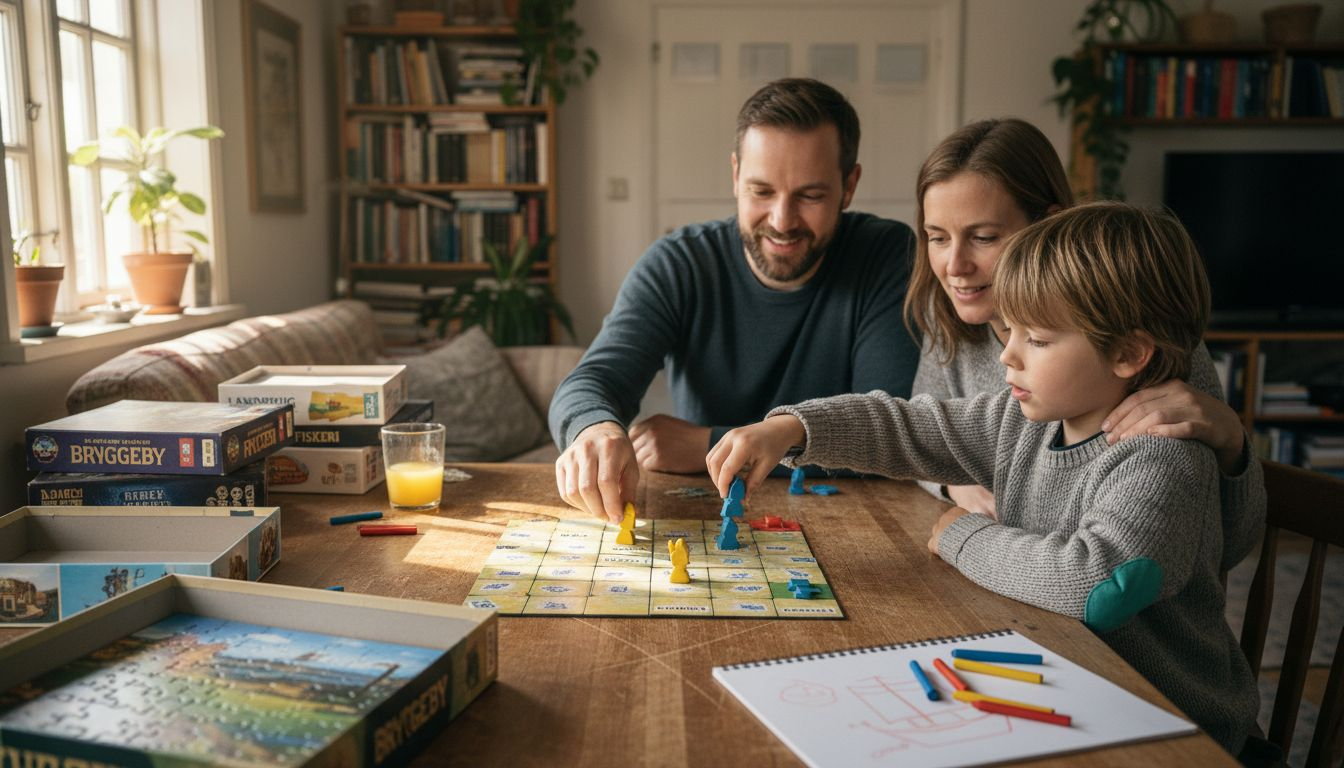
Parents also experience significant personal benefits. Shared experiences create deeper emotional bonds, improve communication, and provide opportunities to understand each other in new ways. Grandparents also contribute valuable life wisdom and historical perspectives, creating a strong family dynamic with mutual respect and learning across generations.
Pro tip – Cross-generational Learning: Create conscious spaces for dialogue and socializing, where each age group has the opportunity to contribute and learn from each other. Be open, listening, and acknowledging of each other's unique perspectives and experiences.
How to strengthen learning and skills in children
Researchers from the University of Copenhagen have identified important mechanisms for children's learning through family experiences. These experiences are much more than just entertainment and constitute a powerful tool to stimulate children's cognitive, social, and emotional development through active participation and curious exploration.
Interactive learning situations play a central role. When children participate in joint activities with family members, they develop critical skills such as problem-solving, communication, and creative thinking. Examples include communal cooking, where children learn mathematics through measuring, nature experiences, where they understand ecological relationships, and creative projects that enhance their imagination and practical skills.
Social skills are also trained intensively through these experiences. Children learn to cooperate, show empathy, negotiate, and respect different perspectives. Through guided dialogues and shared decision-making processes, they develop social skills that are crucial for their future personal and professional relationships. These early experiences form the foundation for emotional intelligence and social adaptability.
Pro tip – Learning-oriented Socializing: Create conscious learning opportunities in everyday activities. Still curious questions, encourage children to explore and explain their thoughts, and show interest in their discoveries and perspectives.
Economic and practical aspects of family activities
Family holidays and activities in Denmark Requires careful planning to ensure both financial prudence and maximum experience value. Budgeting and strategic selection of activities are crucial for creating unforgettable experiences without unduly burdening the family's finances.
Economic considerations are not just about saving money, but about investing in meaningful experiences. Many Danish attractions offer family discounts, season passes, and group tickets that can significantly reduce the total costs. At the same time, it is important to choose activities that suit the interests and age groups of the whole family, ensuring engagement and learning without unnecessary expenses.
Practical aspects include thorough preparation and flexibility. This involves researching free or low-cost activities, taking advantage of local municipal offers, choosing destinations close to home to save transportation costs, and planning meals and catering from home. Digital platforms and apps can also help find the best deals and compare prices on activities and attractions.
Here is a comparative overview of financial strategies for family experiences:
| Strategy | Advantage | Typical application |
|---|---|---|
| Family reunion | Lower total cost | Amusement parks and museums |
| Season pass | Unlimited access | Attractions over multiple visits |
| Local offers | Many free options | Nature, community activities |
| Home-prepared meals | Savings on food | Excursions and day trips |
Pro tip – Smart family budgeting: Allocate a fixed amount for family experiences each month and involve the whole family in the planning. Let the children participate in choosing activities within the allocated budget, which promotes both financial awareness and shared enthusiasm.
Create unforgettable family experiences with Rejs in Denmark
Family time is about more than just being together. There is an opportunity to strengthen togetherness, develop social and creative skills, and create lifelong memories. The article emphasizes the importance of varied and learning-oriented activities that involve all ages from children to grandparents. One of the biggest challenges is to find those experiences that match the family's interests and budget without compromising the quality of the togetherness.
Hos Travel in Denmark Find a comprehensive and easily accessible selection of family-friendly activities throughout Denmark. Use our interactive search function to find nature-based adventures, cultural experiences, or fun home activities that promote communication and curiosity among all family members. Don't miss the opportunity to plan your next trip with practical information on prices and age adjustments, so you can create more value for both the heart and the wallet.
Start the next phase of your family adventure today and experience how meaningful experiences create stronger bonds and increased shared joy. Visit Rejs i Danmarks homepage and start planning your next unforgettable family experience now.
Frequently Asked Questions
What are the benefits of family experiences?
Family experiences strengthen the bond between family members, promote social and emotional development, and stimulate learning through interactive activities.
How can family activities improve children's learning?
Through shared activities, children learn social skills, problem-solving, and communication, which are essential for their personal and intellectual development.
What types of experiences are good for the family?
Nature-based experiences, cultural activities, home activities, and outdoor adventures are all good forms of family experiences that promote learning and cooperation.
How can one plan financially responsible family experiences?
It is important to budget and choose activities with family discounts, season passes, and local offers. Planning meals from home can also reduce costs.
Recommendation
- Family outings – Create togetherness and lasting memories – Travel in Denmark
- Why Choose Family Vacation – Togetherness and Experiences – Travel in Denmark
- Why a family holiday in Denmark is the best solution – Travel in Denmark
- Step by step for a family trip in Denmark: Plan easily – Travel in Denmark
- Understanding Why RV Resorts for Families Matter | Horseshoe Ridge RV