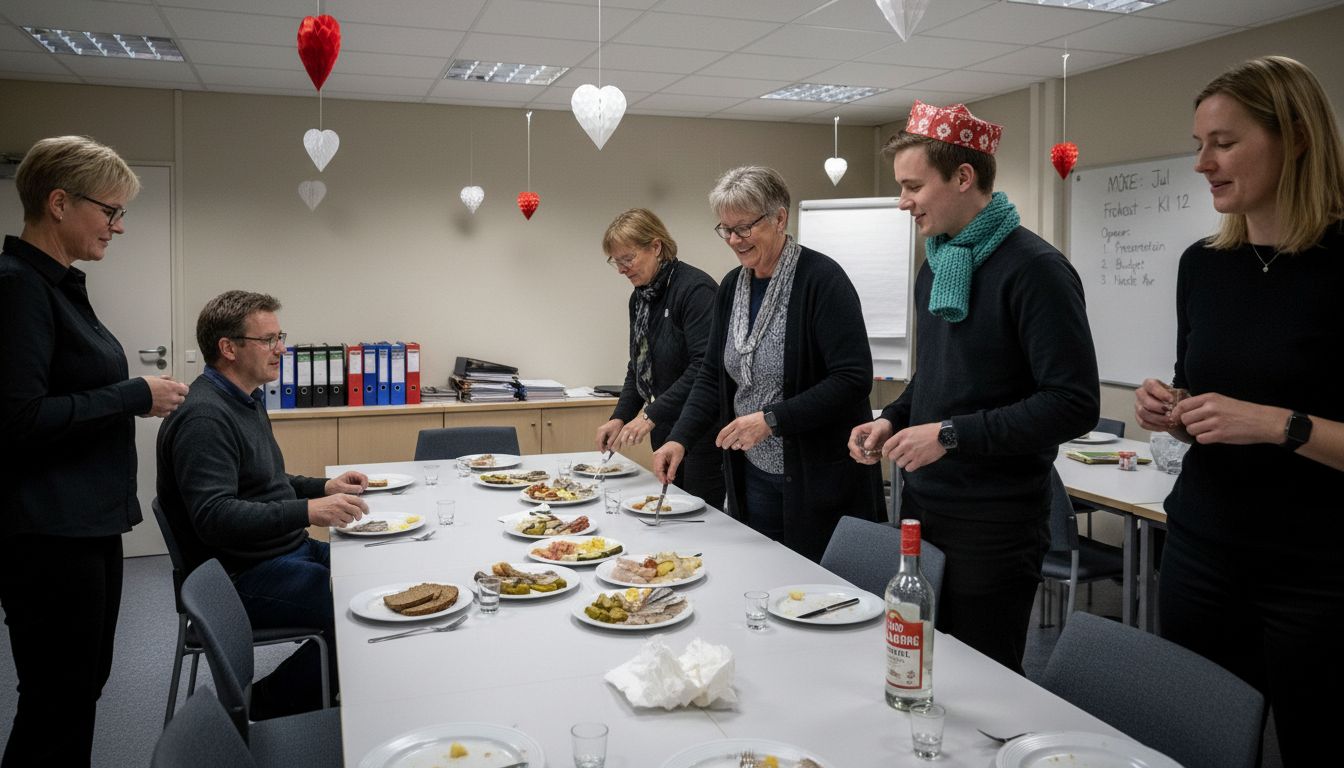
Over 80 percent of Danish companies hold a Christmas lunch every year, making it one of the country's most beloved workplace traditions. The Christmas party brings colleagues and families together across generations with food, coziness, and strong social bonds. Here you get insight into the historical roots of the Christmas lunch, various traditions, and the most important rules that shape this unique Danish celebration.
The origin and historical development of the Christmas party
The history of the Christmas party is closely linked to Danish social traditions and culinary heritage. The roots can be traced back to the 19th century, when the rural community laid the foundation for this festive gathering. The old Danish Christmas feasts were the beginning of the tradition we know today., where large meals were consumed with homemade food and spirits.
After the Second World War, the Christmas lunch underwent a significant transformation. In the 1940s, the tradition evolved from simple informal gatherings to more structured festivities. with fixed rituals The population began to serve a wider variety of dishes such as marinated herring, liver pâté, and meatballs, which laid the foundation for the modern Christmas lunch.
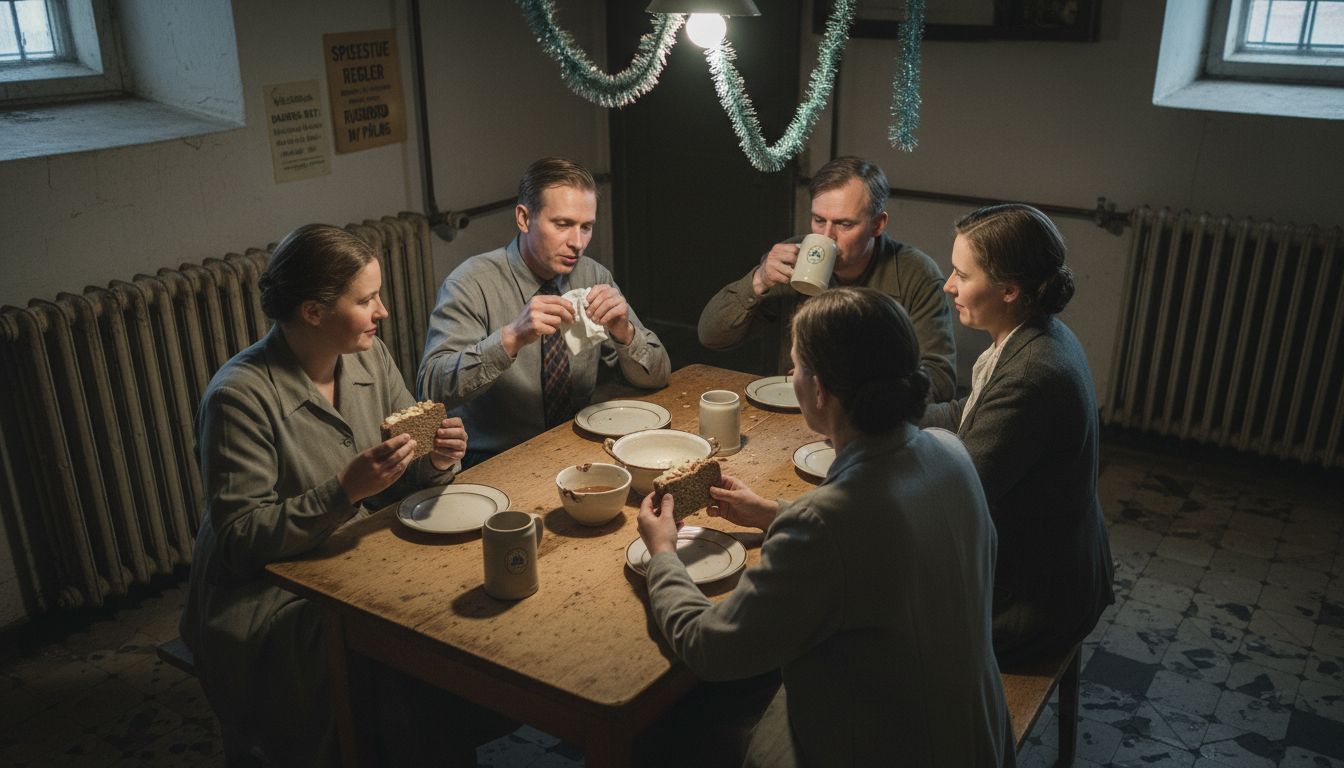
Where the Christmas party was previously primarily a family event, it has now become a central part of both work and private life. It not only marks the end of the year but also represents an important social gathering point where colleagues and family members can meet in an informal and cozy atmosphere. Traditions are about more than just food – they are about community, relaxation, and celebrating the human relationships that have carried us through the past year.
Variations of Christmas parties in Danish companies
Christmas parties in Danish companies are far from a uniform tradition. There are significant differences in ways of celebration and concepts, reflecting the different corporate cultures. According to a survey by Danish Business, half of the member companies choose to hold their Christmas party externally., but the rest choose other solutions.
The traditional company Christmas lunch has undergone significant changes over the years. Where people previously mainly met internally, has The trend has now changed, so that 26% hold the event in their own premises, while 55% still prefer external venues.Some companies even choose to combine different concepts, such as a half-day internal Christmas party followed by an evening with extended social activities.
The variations range from the classic Christmas tables with traditional Danish food to more modern concepts such as team-building events, international culinary experiences, or charity events. Some companies prioritize social interaction with light entertainment and communal dining, while others choose more exclusive gastronomy or team-building activities. Regardless of the form, the Christmas lunch fundamentally focuses on strengthening human relationships, recognizing employees' efforts throughout the year, and creating a space for informal dialogue and community.
Typical traditions and social codes at the party
The Christmas party is a central social event with complex social dynamics and well-established traditions. There are a number of unwritten rules and expectations that participants typically follow to ensure a pleasant and respectful atmosphere. These social codes are not just about food and drink, but about mutual understanding and maintaining a good collegial community.
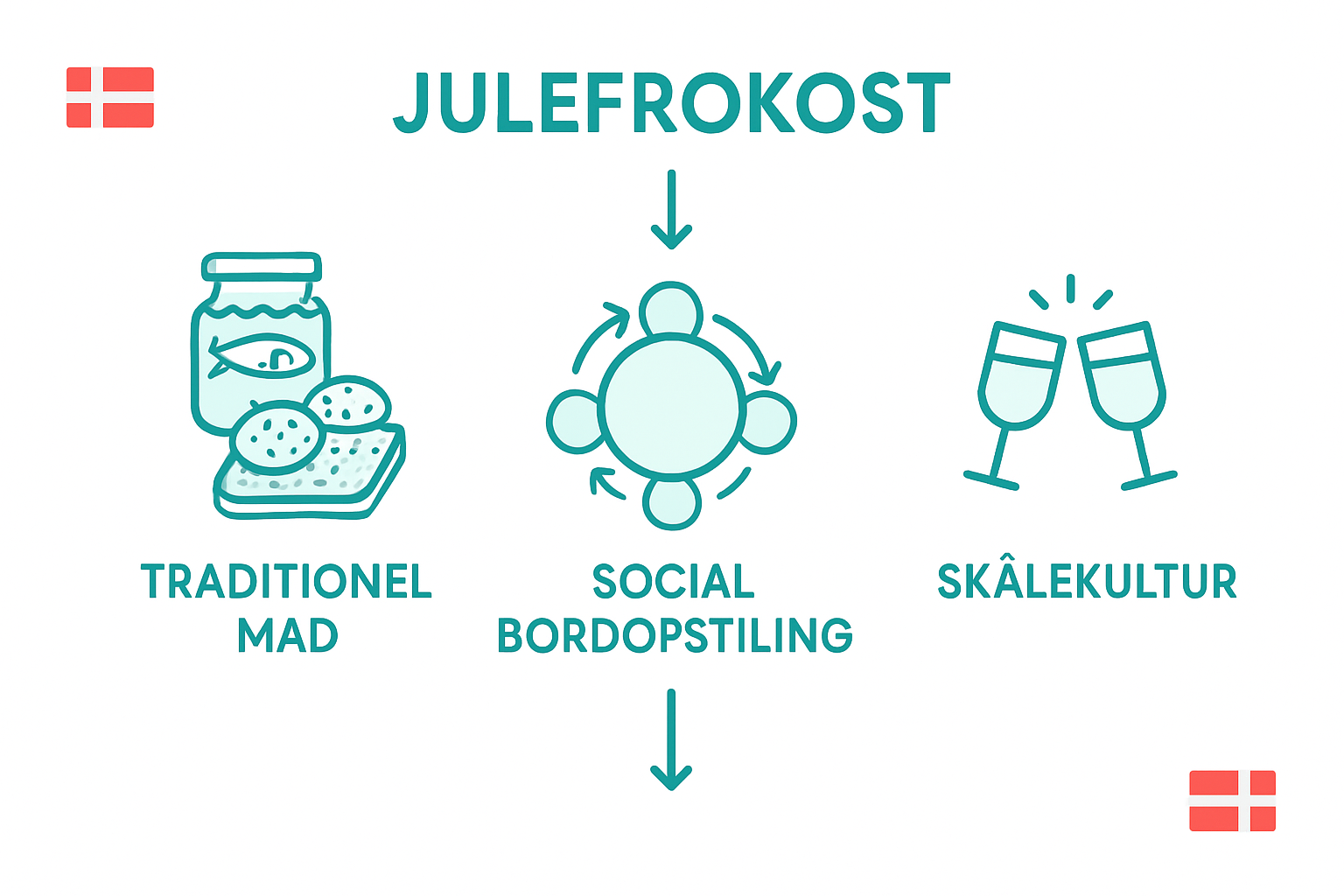
The culinary traditions play a crucial role in the social rituals of the Christmas lunch. Classic dishes such as marinated herring, liver pâté, and meatballs form the foundation of the gastronomic presentation, while the schnapps acts as a social catalyst. Dans, pack games, and informal conversations are integrated elements that help break down hierarchical barriers and create a more egalitarian atmosphere between employees and management.
The seating arrangement and conversation patterns also have great significance. There is an expectation that people will get involved across departments and functions, which promotes the company's internal communication and understanding. Humor, respect, and a certain degree of self-irony are important ingredients in social dynamics. It is fundamentally about creating a framework where everyone feels included and valued, regardless of their position in the company's hierarchy.
Employer's responsibility and legal framework
As more companies choose to hold Christmas parties, important legal considerations regarding the employer's responsibility arise. Although the Christmas party is a social event, the employer bears a significant responsibility for the employees' safety and well-being during the event. This applies regardless of whether the party is held internally or externally, and whether it takes place during working hours or outside normal working hours.
The legal framework encompasses several key aspects. The employer must ensure a safe working environment, which involves preventing situations that may lead to offensive behavior, sexual harassment, or other forms of unacceptable conduct. This means concretely that there should be clear guidelines for behavior, alcohol consumption, and social interactions. The company also has liability for damages if injuries or conflicts occur during the event, which emphasizes the importance of thorough planning and prevention.
Economically, the Christmas lunch can be considered a staff benefit, which has tax implications. The employer must be aware of the tax rules regarding employee benefits, including taxation of food, drinks, and any additional activities. At the same time, it is important to ensure that the event promotes a good working environment and employee well-being without creating unnecessary legal complications. This requires a balanced approach that considers both the social aspects and the legal obligations that come with employer responsibility.
Alcohol, safety, and ethical considerations
With the increase in the number of companies holding Christmas parties both externally and internally, alcohol has become a central issue with complex ethical and safety dimensions. Companies face the challenge of balancing social relaxation and festive atmosphere with responsibility and professional conduct. Alcohol consumption can quickly shift social dynamics and potentially create situations that compromise employees' safety and the company's reputation.
The ethical considerations are not just about limiting alcohol consumption, but about creating an inclusive environment where all employees feel safe and respected. This involves establishing clear guidelines that consider people with different boundaries and needs. Some companies choose to offer alcohol-free alternatives, others set limits on the amount of alcohol or provide transportation home to ensure employees' safety.
The ethical approach ultimately concerns promoting a culture where community and mutual respect are more important than uncontrolled festivity. This means that management must be proactive in preventing potentially problematic behavior, ensuring a safe environment, and at the same time preserving the fundamental purpose of the Christmas lunch: to strengthen social bonds among employees and create a positive, inclusive company culture.
Create the perfect Christmas lunch experience with inspiration from Denmark
The Christmas party is not just a festive tradition but an important occasion to strengthen community and celebrate the year's achievements at the workplace. If you are looking for new ways to combine the social and professional perspective, planning your Christmas party outside the company's premises might be the answer. Whether you want a party focused on good food experiences, cozy surroundings, or activities that bring colleagues closer together, you can Travel in Denmark help you find the perfect place and the best experiences.
Make the Christmas lunch more than just a meal by exploring unique destinations and activities that suit your employee team. Get inspiration for both traditional and modern Christmas lunch events that consider social norms, employer responsibilities, and the importance of a safe environment. Learn more about how you can ensure a memorable Christmas lunch at Rejs i Danmark and find planning tips that strengthen camaraderie without compromising safety or well-being.
Are you ready to make this year's Christmas party a memorable experience everyone will remember with joy? Explore the best places and activities on Travel in Denmark today and plan your next unforgettable company Christmas party.
Frequently Asked Questions
What is the origin of the Christmas lunch with work?
The Christmas party with work dates back to the 19th century and is a development from the old Danish Christmas feasts, where people gathered for large meals and festivities.
What are the typical traditions for Christmas parties in companies?
Typical traditions include serving classic dishes such as marinated herring, liver pâté, and meatballs, as well as social activities like schnapps, dancing, and gift exchange games to promote interaction and community.
What responsibility does the employer have at the Christmas party?
The employer has a responsibility to ensure employees' safety and well-being during the Christmas party, including preventing offensive behavior and ensuring a safe working environment.
How can companies handle alcohol at the Christmas party?
Companies can manage alcohol by offering non-alcoholic alternatives, setting limits on alcohol consumption, and providing transportation options home to ensure employees' safety.
Recommendation
- What Do People Eat at Christmas in Denmark: The Complete Guide – Travel in Denmark
- Christmas traditions in Denmark: Everything You Need to Know – Travel in Denmark
- How to Celebrate Christmas in Denmark: Everything You Need to Know – Travel in Denmark
- How to make a Christmas duck from start to finish – Travel in Denmark
- چگونه نقش سنتهای خانوادگی در پرخوری و افزایش وزن را مورد توجه قرار دهیم؟ – LeanAndFit