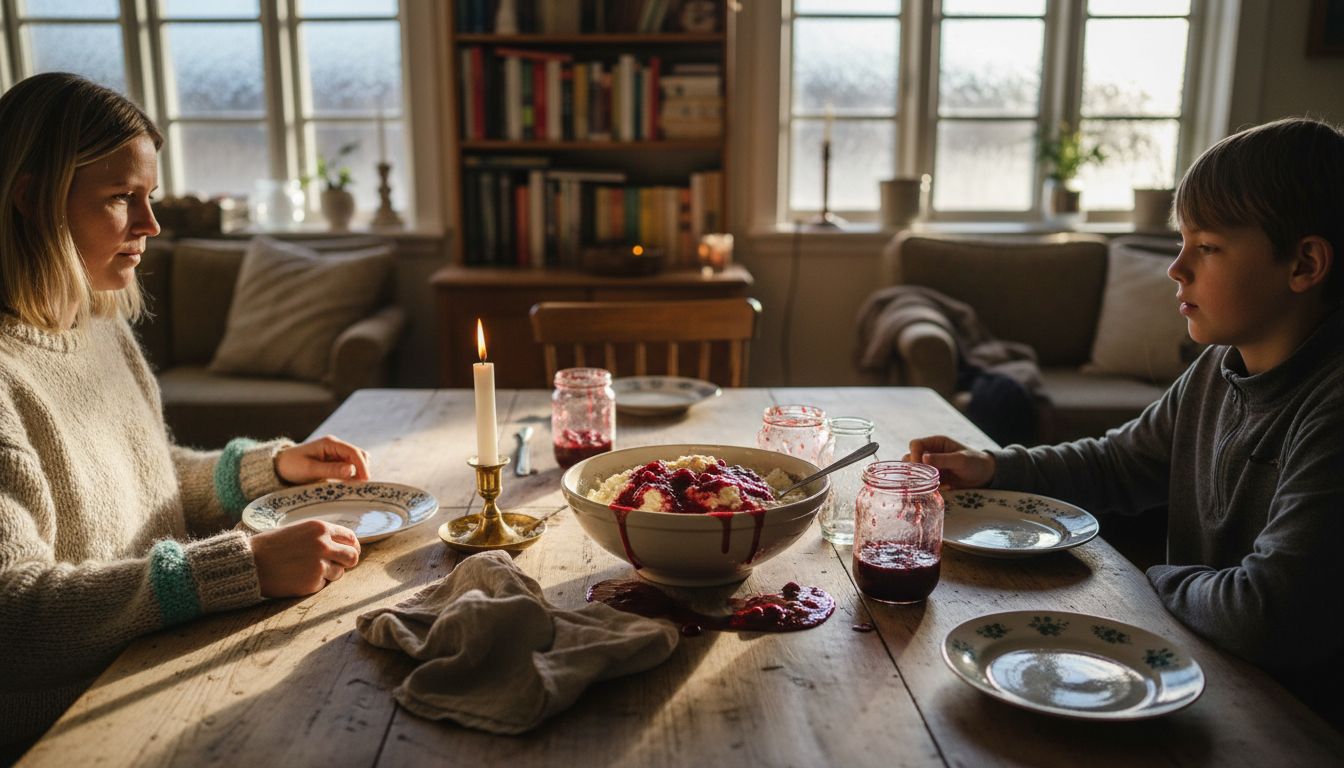
For over 100 years, rice pudding has been a staple on Danish Christmas tables. Between whipped cream and almonds, there is both history and cultural heritage that bring families together from Jutland to Zealand. The special tradition of the hidden almond brings a festive element to Christmas Eve and makes both children and adults search more thoroughly in their dessert bowl. Here you get insight into why this particular dish has become so deeply rooted in Danish Christmas.
What is risalamande? Origin and meaning
Risalamande is a enchanting Danish Christmas dessert with a rich cultural history and a flavorful tradition dating back to the early 20th century. century This classic dessert Basically consists of rice pudding mixed with whipped cream, sugar, vanilla, and chopped almonds, served cold with a delicious cherry sauce.
The very name has an interesting origin. Risalamande Actually, it stems from the French expression 'riz à l’amande', which directly translates to 'rice with almonds'. According to historical sources Did the dessert become particularly popular in Denmark at the beginning of the 20th century? a century as a further development of traditional rice pudding. A charming tradition that comes with the dessert is hide and seek with almonds – a whole almond is hidden in the portion, and the person who finds the whole one receives a special almond gift.
The culinary tradition extends far beyond just being a dessert. Risalamande represents an important part of Danish Christmas tradition, where families gather and share this sweet experience. Every bite tells a story about Danish cooking traditions, where simple ingredients are transformed into something magical. Mandelene gemt i desserten tilføjer et element af spænding og leg til julefesten, hvilket gør den til mere end blot en dessert – den er en social begivenhed, der samler mennesker og skaber minder.
The development of Risalamande over time
Risalamande's journey through Danish food culture is a fascinating story of change and tradition. During the 20th century The dessert underwent a remarkable transformation, gradually replacing the traditional rice pudding as the main course at the Christmas lunch. This culinary evolution reflects the changing social and gastronomic preferences in Danish society.
Historical origin shows that risalamande was not just an accidental invention, but a conscious cultural innovationIntroduced at the end of the 19th century, it represented a new approach to Christmas food traditions. Its rapidly growing popularity was not only due to its delicate taste but also to its economic practicality. Poor families could easily transform leftover rice pudding into a festive and inviting dessert.
Over the decades, risalamande has evolved from a simple household dish to a genuine cultural institution. Its ability to create social moments – with the fun almond game and the anticipation of a small gift – has made it more than just a dessert. Today, rice pudding is not just a meal, but a symbol of Danish Christmas coziness that connects generations through shared food experiences and traditions.
Regional variations and serving methods
Risalamande is a dessert that subtly varies across Danish regions, reflecting local culinary traditions and personal family recipes. Serving style It can vary significantly from household to household, with some families strictly adhering to traditional preparation methods, while others experiment with modern interpretations.
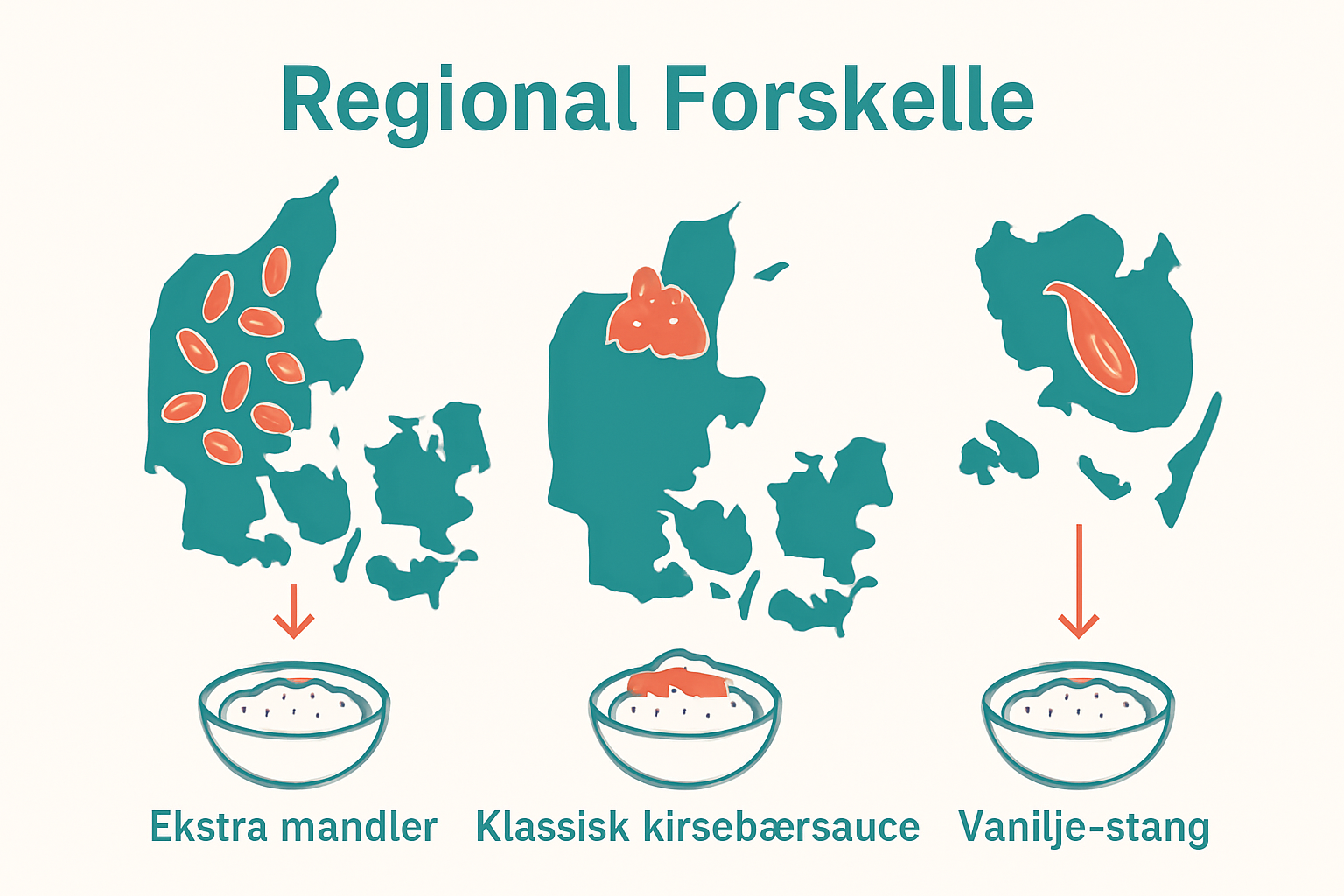
In Jutland, one often finds a tendency to add more almonds or use a stronger cherry sauce, while families in Zealand may prefer a more refined and lighter version of the dessert. Some families prepare the rice pudding the day before, allowing the flavors to develop and become even more intense. Andre chooses to prepare it immediately before serving to preserve the crispness and aroma of the fresh ingredients.
An interesting detail about risalamande is precisely its adaptability. As long as the basic recipe remains the same – rice pudding mixed with whipped cream and almonds – the actual serving can vary considerably. Some families serve it with homemade cherry sauce, while others buy it ready-made. Some sprinkle extra chopped almonds on top, while others stick to the classic recipe. This variation makes the dessert personal and unique, while also preserving its deeper cultural significance as a central part of Danish Christmas tradition.
Risalamande as a Christmas tradition in Denmark
Risalamande is more than just a dessert – it is the very heart of Danish Christmas tradition, where families gather and celebrate togetherness. The custom of saving a whole almond The dessert adds a magical element to the Christmas party, where the excitement rises at the table as the participants slowly find their spoon through the creamy dessert.
The origin of Mandelgavens goes all the way back to Denmark of the 19th centurywhere the simple act of finding the whole almond represented more than just a game. It was a symbol of good luck, a tradition that brought the family closer together and created unforgettable moments. The one who finds the almond not only receives a small gift but also the honor and joy of being the day's chosen one.
The Danish Christmas traditions has preserved rice pudding as a central element of the Christmas lunch through generations. Each family has its own unique approach – some strictly adhere to the old traditions, while others experiment with new variations. But the core remains the same: a moment of togetherness, laughter, and anticipation of the magical almond that can change the entire mood at the table.
Risalamande in contemporary Danish culture
Risalamande has managed to maintain its central place in Danish Christmas tradition, even though cultural practices are constantly changing. Today, the dessert exists in many modern variations, ranging from classic homemade recipes to industrially produced versions like rice pudding ice cream, demonstrating its incredible adaptability in today's food culture.
Consumers' opinions Reflects interesting shifts in the traditions. A survey shows that one in five Danes now prioritize new Christmas elements. rather than the classic traditions like rice pudding. This trend indicates a gradual cultural change, where younger generations introduce new traditions but still respect and value the old ones.
Despite these changes, risalamande remains a strong symbol of Danish Christmas coziness. It represents more than just a dessert – it is a cultural meeting place where generations gather, share stories, and create memories. Its ability to adapt to modern taste trends while maintaining its traditional core makes it a unique culinary phenomenon in Danish food culture.
Experience Denmark's Christmas atmosphere and the magic of risalamande
Risalamande is more than just a dessert. It is a cultural Christmas tradition filled with community, history, and joy that brings families together around the table. If you love the story of risalamande and want to experience the authentic Christmas atmosphere in Denmark, offers Travel in Denmark A wealth of opportunities for you. Join us on a journey through beautiful Danish towns and regions, where you can immerse yourself in local Christmas traditions, visit historic sites, and enjoy cozy events that bring the magic of Christmas to life.
Get close to Danish Christmas traditions and plan your next trip with the help of our clear guide. Whether you want to explore Christmas markets, taste risalamande in authentic settings, or experience the excitement of the almond gift in cozy surroundings, you can find inspiration and practical information at Rejs i Danmark. Start your Christmas experience today and create new memories with family and friends by bringing the story of risalamande to life on your Danish trips.
Frequently Asked Questions
What is risalamande?
Risalamande is a Danish Christmas dessert made of rice pudding, whipped cream, sugar, vanilla, and chopped almonds, served cold with cherry sauce.
What is the origin of risalamande?
Risalamande originates from the French term 'riz à l’amande' and became popular in Denmark in the early 20th century. Century as a further development of rice pudding.
How is rice pudding usually served?
Risalamande is served cold and often garnished with cherry sauce. It is also traditional to hide a whole almond in the dessert, where the lucky finder receives a special gift.
What makes rice pudding a vital part of the Christmas tradition?
Risalamande symbolizes togetherness and coziness, where families gather to share a delicious dessert and participate in the almond game, which creates excitement and memories at the Christmas table.