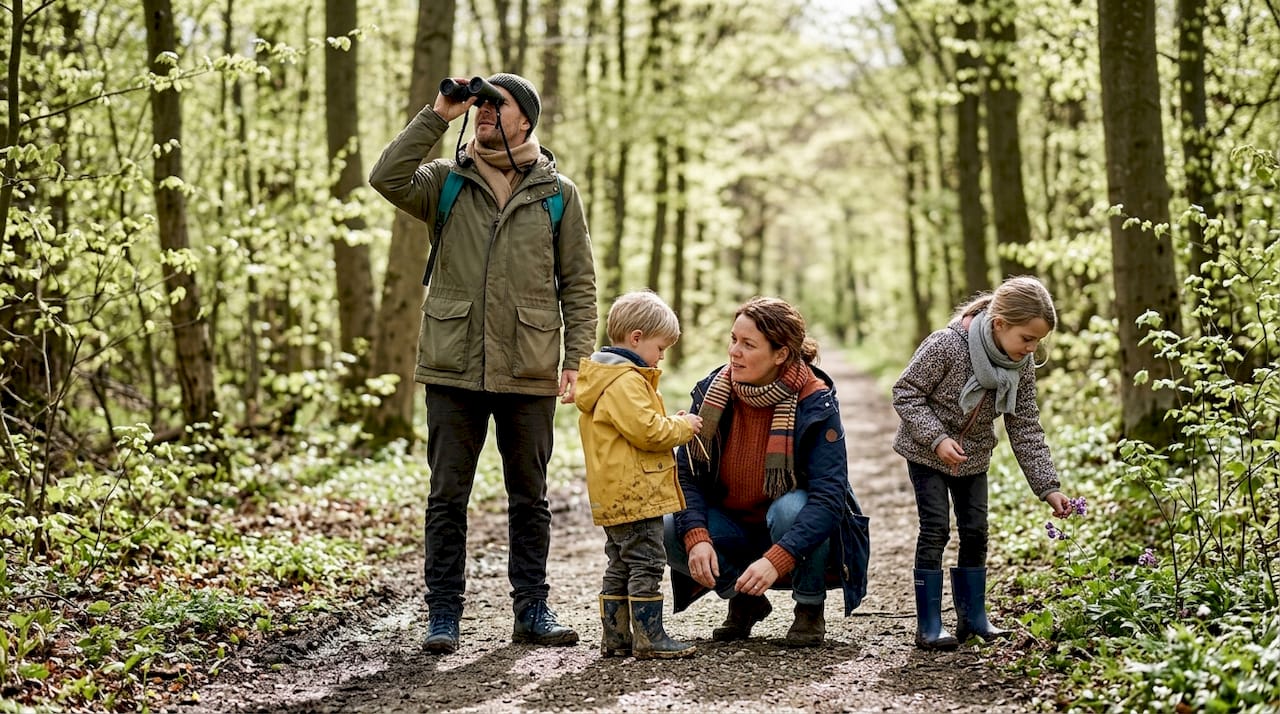
Many believe that the Danish summer is the only good time to travel. But the truth is, seasonal travel opens up unique experiences all year round. From winter's cozy Christmas markets to spring's bike rides and autumn's colorful nature walks, each season offers its own advantages. In this article, you will get a concrete overview of what seasonal travel means, how to plan a season-aware trip, and what benefits you can reap by thinking strategically about when to travel.
Main Points
| Point | Details |
|---|---|
| Make the most of the seasons' opportunities | Each season in Denmark offers completely unique experiences that cannot be repeated for the rest of the year. |
| Plan and save | Traveling outside the high season allows you to experience more often at a lower price. |
| Flexibility provides more experiences | A flexible plan makes it easy to adapt to the weather and local events for a greater benefit of the trip. |
| Local guides make the difference | Use local and digital guides to discover hidden gems and current events. |
What does seasonal travel mean?
When we understand the misconception about summer travel, it is important to first get a grasp of the concept of seasonal travel itself. Seasonal experiences in Denmark It is about adapting trips, activities, and destinations to the changing seasons. It means that you choose your trip based on what nature, culture, and the weather offer at different times of the year.
Denmark has four distinct seasons, each with its own character. Spring offers blooming nature and mild temperatures, perfect for bike rides and birdwatching. Summer is the high season for beach life, festivals, and long bright evenings. Autumn offers colorful forests, harvest festivals, and more peaceful experiences. Winter brings Christmas markets, wellness, and cozy city gatherings.
Advantages of seasonal travel:
- Lower prices outside the high season
- Fewer tourists and more authentic experiences
- Opportunity to experience unique events and activities
- Better access to popular attractions
Disadvantages of seasonal travel
- Some attractions have limited opening hours in the low season.
- The weather can be unpredictable, especially in spring and autumn.
- Fewer transportation options in certain areas
- Shorter daylight hours in the winter months
| Season | Weather | Typical prices | Congestion |
|---|---|---|---|
| Spring | Mild, 8-15°C | Between | Lav |
| Summer | Warm, 18-25°C | High | High |
| Autumn | Cool, 10-15°C | Between | Lav |
| Winter | Cold, 0-5°C | Lav | Very low |
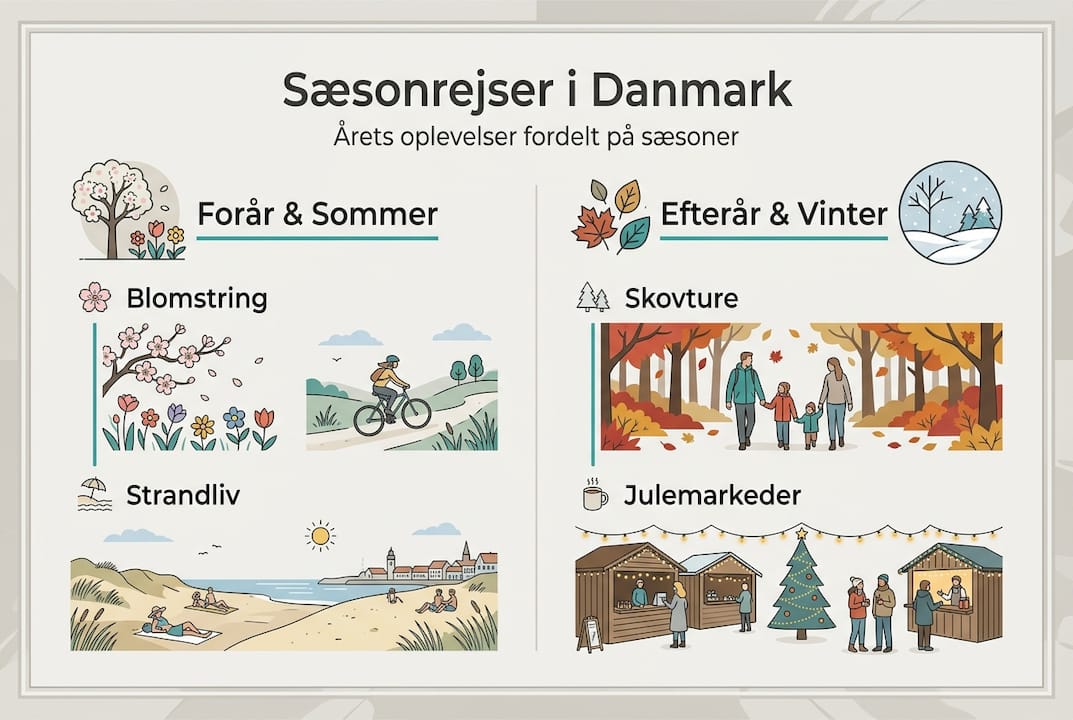
Professional tip: Also consider the calm of the low season or event-focused periods. Many Danish towns hold special festivals and markets in the shoulder seasons, where you get the best of two worlds: good prices and exciting experiences.
Examples of seasonal activities and experiences
Once the definition is in place, it becomes even more concrete with a look at which activities and experiences can typically be enjoyed based on the season. Experiences all year round in Denmark shows that each season has its own unique offer.
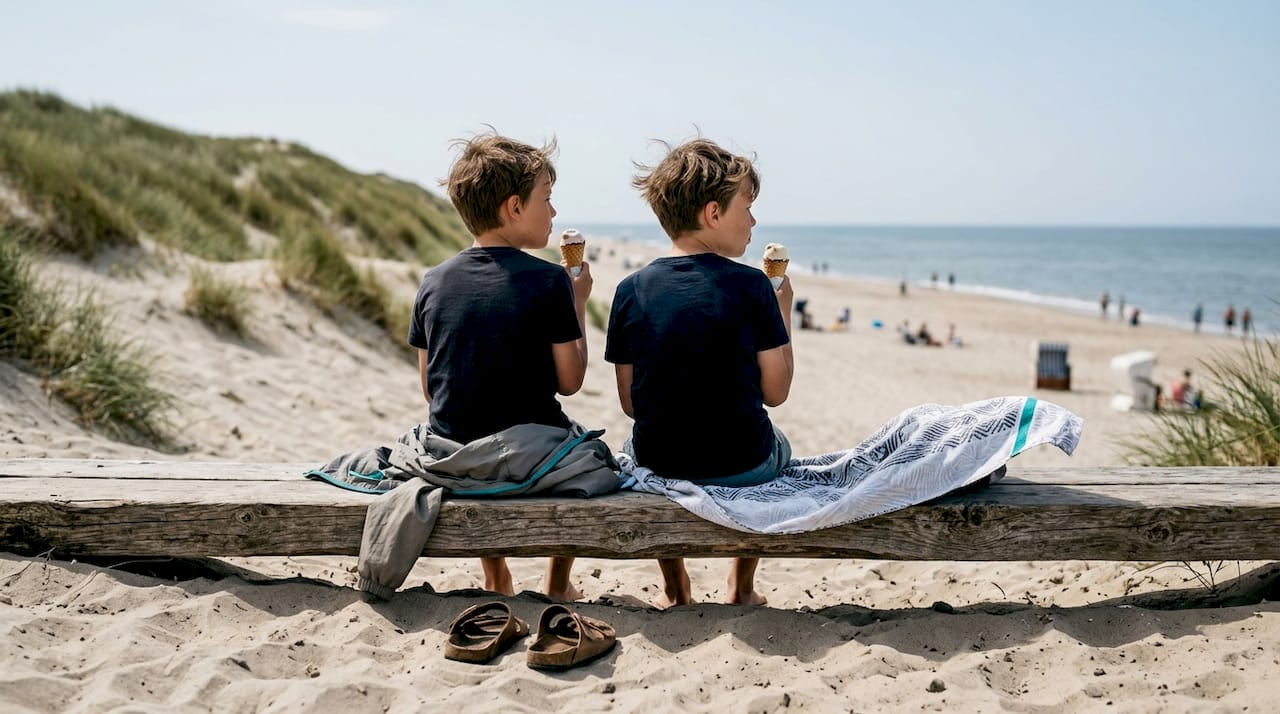
Summer is the most popular travel time with beach life along the West Coast, music festivals like Roskilde and Smukfest, and countless outdoor activities. It is perfect for families who want to enjoy the sun and swim in the sea. But it is also the most expensive and busiest period.
Autumn offers spectacular nature walks in the Danish forests, where the leaves change color. Autumn markets are popping up everywhere, and you can taste the seasonal local products. It is ideal for those seeking peace and authenticity.
Winter transforms Denmark into a cozy adventure. Christmas markets at Tivoli, Copenhagen, and Aarhus attract visitors from all over the world. Wellness stays become popular when the temperature drops. You can plan winter activities like skating, warm baths, and museum visits
Spring is perfect for bike rides through the blooming nature. Birdwatching is becoming popular, especially along the coasts, where migratory birds arrive. Easter brings special events and markets.
| Season | Top Activities | Typical destinations | Best for |
|---|---|---|---|
| Spring | Cycling, birdwatching, garden walks | Møn, Bornholm, Skagen | Natural lovers |
| Summer | Beaches, festivals, camping | The West Coast, Copenhagen, Bornholm | Familiar, festival lovers |
| Autumn | Forest walks, autumn markets, wine tours | Deer Park, Mols Hills, Ærø | Par, gourmets |
| Winter | Christmas markets, wellness, museums | Tivoli, Aarhus, Odense | Culturalists, couple |
Many Danish attractions adjust their opening hours according to the season. About 60% of outdoor attractions have reduced opening hours or close completely during the winter months, while museums and indoor experiences remain open year-round.
Concrete examples of seasonal activities:
- Spring: Visit Egeskov Castle when the garden is in bloom, or go for a bike ride along the Limfjord.
- Summer: Enjoy the beach at Skagen, participate in the Roskilde Festival, or explore Bornholm's cliffs
- Autumn: Go truffle hunting in North Zealand, visit harvest markets in Ribe, or hike in Mols Bjerge
- Winter: Experience Tivoli's Christmas lights, book a wellness stay in North Jutland, or visit Louisiana Museum
How to plan a seasonal trip in Denmark
Once you have seen the options, the next step is to understand how you actually plan a seasonally adjusted trip. Good planning makes the difference between an okay trip and an unforgettable experience.
Start with thorough research. Check the weather statistics for your selected period, find out what events are taking place, and read about local traditions. It is important to plan according to the local season. to get the most out of your trip
Step-by-step planning
- Choose your season: Decide what type of experience you are looking for. Do you want action and sun, or calm and coziness?
- Explore destinations: Find out which areas are best in your chosen season
- Check event calendars Many cities have special festivals and markets
- Book early accommodation Especially if you travel during peak season or to popular events
- Plan activities: Use a Checklist for a day trip To ensure you don't forget anything
- Be flexible: The weather can change, so have backup plans.
- Pak Smart: Adjust your packing to the season's weather and activities
Flexibility is the key to successful seasonal travel. If you can be flexible with your travel dates, you can often find better prices and avoid the biggest tourist crowds. Consider traveling in the middle of the week instead of on the weekend, or choose periods just before or after the high season.
Use planning tools and checklists to keep track of all the details. A good checklist ensures that you remember everything from insurance to packing lists and booking activities.
Professional tip: Quickly check the local event calendar for hidden experiences. Many smaller towns host fantastic local events that are not widely advertised but provide authentic experiences. Contact the tourist office in your destination area for insider tips.
Advantages and disadvantages of seasonal travel
Once you have the planning in place, you should be aware of both the advantages and disadvantages of choosing seasonal travel. Being realistic about expectations helps you make the right choices.
Advantages of seasonal travel:
- Economic savings Accommodation prices can be up to 40% lower in the low season.
- Authentic experiences Fewer tourists mean more time with locals and genuine cultural encounters
- Better service The staff has more time for you when there are fewer guests.
- Unique experiences Each season has events and activities that you can't experience at other times.
- Less stress No long lines or sold-out attractions
Disadvantages of seasonal travel
- Limited opening hours Many attractions close or reduce opening hours outside of summer
- Weather forecast: Spring and autumn in particular can be unpredictable
- Fewer transportation options Buses and ferries run less frequently in the low season
- Shorter days: Winter days provide less daylight for activities
- Cold weather Requires more packing and may limit outdoor activities
Advantages for families with children during the low season are particularly prominent. Children can play freely on beaches and playgrounds without crowds, and many family attractions offer discounts outside the high season.
We chose to visit Legoland in October instead of July. The prices were lower, the lines were shorter, and the children got much more out of it. We could enjoy all the attractions in one day without stress. The only downside was that some outdoor areas were closed due to the weather.
It's about weighing the advantages and disadvantages against your own priorities. If you value peace and authenticity more than perfect weather, the low season is often the best choice. If you want guaranteed sunshine and all attractions open, the high season is more reliable.
Tips and tricks for the best seasonal experience
All that's left is for you to get the specific tricks that make your trips even better, especially if you want to save money or avoid classic mistakes. These practical tips come from experienced travelers and local experts.
Combine activities across seasons. In the winter months, you can mix wellness with city life. Book a spa stay in the morning and explore the city's museums and cafes in the afternoon. In summer, you can combine beach life with cultural events in the evening.
Choose flexible booking options. Many hotels and holiday homes offer free cancellation up to a few days before arrival. It gives you the freedom to change plans if the weather turns bad or you find better deals. Always check the cancellation policy before booking.
Wait for the weather change of the season. Denmark is known for changing weather, especially in spring and autumn. Always keep it in your bag so you can adjust to the temperature. Remember a rain jacket all year round, sunscreen in summer, and warm underwear in winter. Good footwear is essential, especially if you plan to go hiking.
Utilize local resources. Tourist offices often have insider knowledge about hidden gems and upcoming events. They can also help find alternatives if your planned activities are canceled. Many cities also have free apps with updated information about opening hours and events.
Book transportation and main attractions in advance. Even in the low season, popular experiences can be sold out, especially on weekends. Secure tickets for museums, amusement parks, and guided tours in good time. It saves you from disappointments and offers better prices.
Follow local recommendations. Ask hosts, restaurant staff, and other locals about their favorites. You know the best restaurants, hidden viewpoints, and local traditions that are not listed in guidebooks. Social media and travel blogs can also provide valuable inspiration.
Check Practical tips for budget travel to save money Many attractions offer discounts for online booking, and some have special family prices or season passes. Also consider buying food at local supermarkets instead of eating out every day.
Plan according to daylight. In winter, the days are short, so prioritize outdoor activities in the middle of the day. In summer, you can take advantage of the long evenings for extra experiences. Check the sunrise and sunset times for your destination.
Professional tip: Seek inspiration at local tourist offices and online guides such as rejsidanmark.dkThey are continuously updating with new experiences, seasonal offers, and practical advice. You can also Make the most of the holiday by following their recommendations for different types of travel and budgets.
Plan your next seasonal trip with Travel in Denmark
Once you have all the essentials in place, you can now easily take the next step and plan your upcoming trip with the right tools. A trip in Denmark gathers all the resources you need in one place.
Whether you are First-time visitor to Denmark or experienced Denmark travelers, you will find inspiration and practical guides for each season. The platform allows you to search for experiences based on season, price, and age group, so you can easily find activities that suit your trip.
Use the interactive day trip checklist to ensure you have all the details sorted before departure. From packing to booking activities, the checklist helps you avoid stress and forgotten things. You will also find detailed descriptions of attractions with prices, opening hours, and recommendations.
Explore the comprehensive guide to seasonal experiences to delve deeper into what each season offers. Here are concrete suggestions for destinations, activities, and events distributed across months, so you can plan the perfect trip regardless of the time of year.
Frequently Asked Questions
What does seasonal travel mean?
A seasonal trip means planning your journey around the natural and cultural seasons of the year to experience different activities and events. It's about adapting the trip to the season to get unique experiences.
How do I find the best seasonal experiences in Denmark?
You can use local guides, check online portals such as rejsidanmark.dk and follow event calendars to find unique experiences for each season. Tourist offices also provide valuable local knowledge.
Is it cheaper to travel outside the high season?
Yes, the prices for both accommodation and experiences are often lower in the low season, and there are fewer tourists. You can save up to 40% on accommodation and experience more authentic encounters with locals.
How is the best way to pack for a season-based trip in Denmark?
Always check the weather forecast and remember extra layers and practical footwear. The weather can change quickly, especially outside of summer. Follow package advice for different seasons to be prepared for all situations.
Which attractions are open year-round in Denmark?
Most museums, indoor amusement parks, and cultural institutions are open all year round. Outdoor attractions often have limited opening hours or close during the winter months. Always check opening hours in advance, especially if you are traveling outside the summer season.