In short:
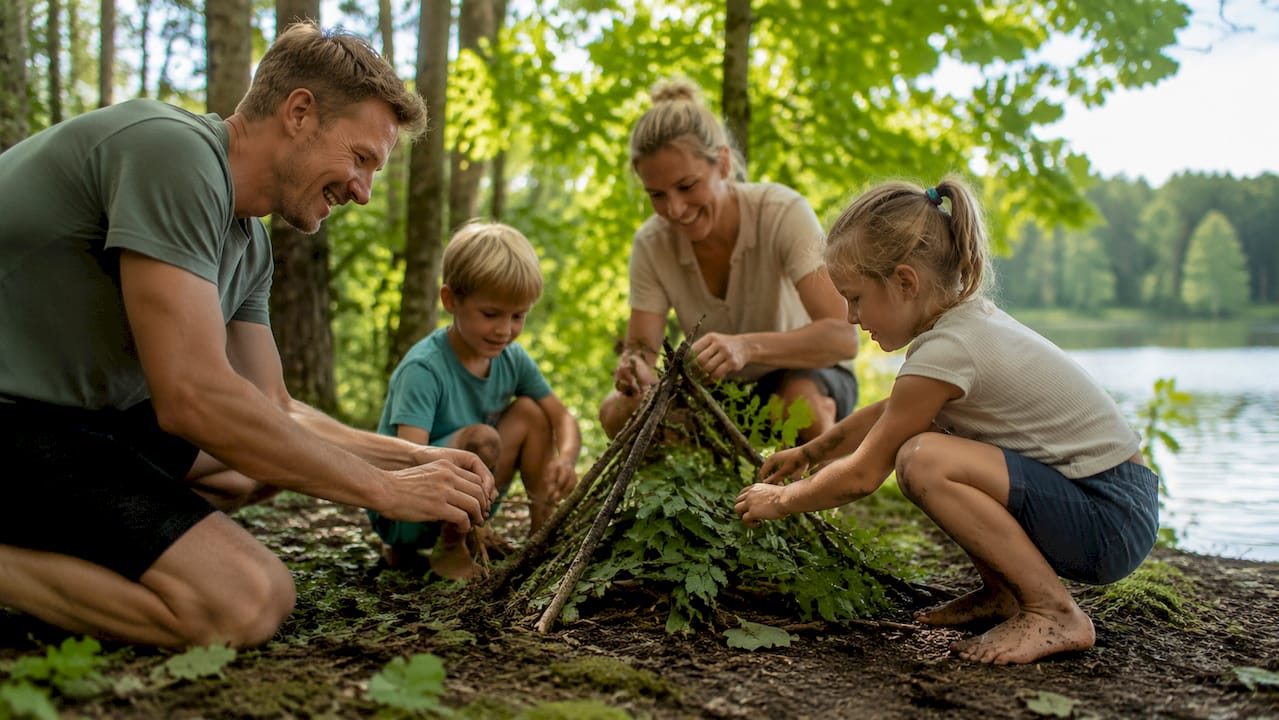
- Beach activities include everything from physical sports and play to creativity and nature experiences by the coast and are suitable for all ages. Safety, facilities, and environmentally relevant labels such as the Blue Flag are important when choosing a beach, especially for families with children. A well-planned, simple, and short trip with appropriate equipment and breaks provides the best family experience at the beach.
Beach activities are defined as all physical, creative, and social experiences taking place at the coast, from sandcastle building and ball games to crabbing and guided nature tours. The concept covers a wide range that suits all ages and levels. Danish families have access to hundreds of kilometers of coastline, and the possibilities for activities on the beach There are far more than most people imagine. This guide explains exactly what beach activities include, how to choose the right beach, and how to plan a safe and fun day by the water with the whole family.
What are beach activities, and what does the term cover?
Beach activities vary from high-intensity sports like kitesurfing and beach volleyball to calm nature studies and creative play with sand and natural materials. It means that the concept is not only about bathing. It's about everything you can experience and do in and around the sea.
Activities typically fall into three categories. The first is physical play and sports, which include swimming, ball games, and water sports at the beach. The other is creative and nature-based play, such as sandcastle building, beach art, and crab catching. The third is social and guided experiences, such as organized beach games for children and nature guiding.
The beach is one of the few natural arenas where a two-year-old child and a fifteen-year-old teenager can have fun side by side. It makes beach activities particularly valuable for families with children of different ages. Rejsidanmark gathers a wide range of family-friendly outdoor experiences, the supplier offers a beach visit with even more activities for the whole family.
How do you choose the right beach for family activities?
The right beach for a family outing is not necessarily the closest. Three factors determine whether a beach is suitable for children: safety, facilities, and environment.
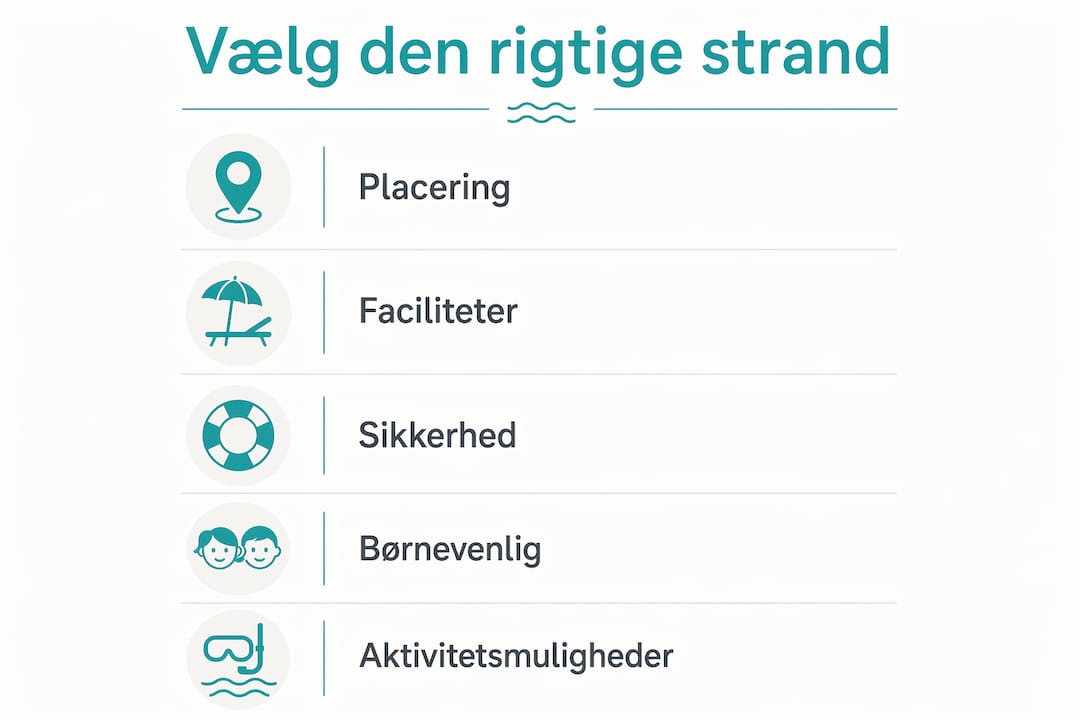
Blue flag as a quality mark
Blue Flag-certified beaches Guarantees minimum standards for clean bathing water, toilet facilities, and waste management. It is a concrete quality mark that tells you that the beach meets documented requirements for environment, communication, and safety. For families with small children, the Blue Flag status is the most reliable basis for choosing a beach in Denmark.
Blue Flag beaches also typically have lifeguard services during the high season, marked bathing areas, and emergency phones. It is facilities that make a real difference if something goes wrong.
What should you check before choosing a beach?
- Bathing water quality Check the current bathing water status on the Environmental Protection Agency's website before you go.
- Facilities: Confirm that the beach has toilets, parking lots, and trash cans.
- Waves and current Calm bays are better suited for small children than open beaches with strong surf.
- Shadow options Beaches with dunes, trees, or rental options for umbrellas provide necessary shade in hot weather.
- Season: The coast offers year-round activities with very different characters. Summer is suitable for bathing and playing, while the low season offers walks and tranquility without crowds.
Professional tip: Search specifically for beaches with "child-friendly" or "shallow water" in the description. Shallow beaches allow children to wade far out without losing their footing, giving them confidence and security in the water.
Which beach activities are suitable for children and families?
Popular activities on the beach for children and families range from simple play to structured games. The most important thing is to match the activity to the child's age and energy level.
Creative and nature-based play
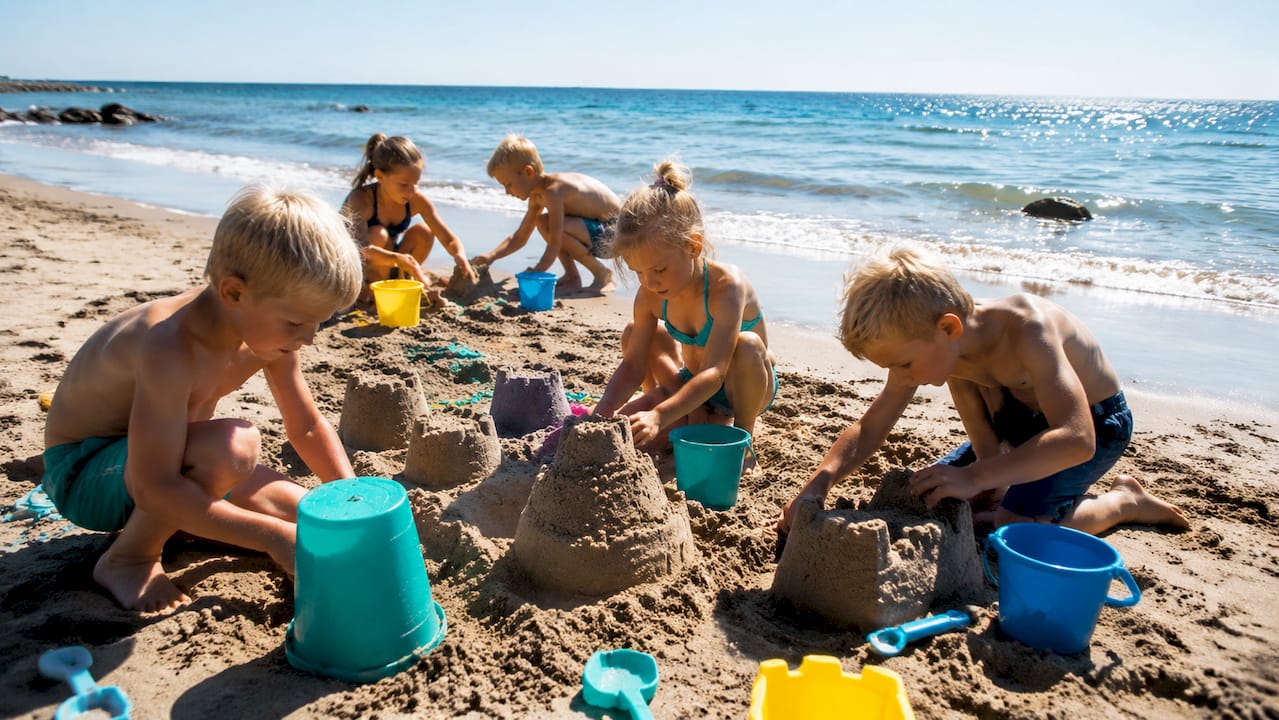
- Sandcastle building The classic beach activity only requires a bucket and a shovel. Children from two years old and up can participate, and the activity stimulates both motor skills and imagination.
- Beach art with natural materials Stone, twig, and driftwood used to make figures and artworks directly on the sand. It is an activity that combines creativity with understanding of nature.
- Crab fishing A band, a bit of string, and a piece of bacon are all that's needed. Crab fishing is one of the most engaging nature-based activities for children aged 4–12 years.
- Treasure hunt on the beach Find objects in the sand and make a simple treasure. It requires no preparation and keeps children active for a long time.
- Beach walk with nature observation Collect shells, observe birds, and examine tide pools. It is a calm activity suitable for all ages.
Social games and sports
- Beach volleyball Requires a net, but many public beaches in Denmark have fixed facilities. It is an ideal activity for families with children over eight years old.
- Petanque: It can be transported and played on most surfaces. Petanque is a good choice for families looking for a social activity without high intensity.
- Frisbee and ball games Requires minimal equipment and can be adapted for all age groups.
Simple beach equipment and accessories a mat, a shovel, and toys for 100–300 kr. best for beach trips with children rather than heavy and expensive equipment. It keeps the packing list short and gives the children the freedom to play spontaneously.
Professional tip: Take an old colander to the beach. Children can use it to aim sand, catch crabs, and sort shells. It is an inexpensive tool that provides hours of entertainment on the beach.
How do you plan a safe beach trip with the family?
A successful beach trip with children requires planning in three areas: equipment, schedule, and safety.
Get the right beach equipment
- Eye protection Sunscreen with a minimum SPF 30, sun hat, and UV-protective swimwear for children. Apply sunscreen 30 minutes before arrival.
- Drinks and food Add more water than you think you need. Heat and physical activity significantly increase the need for fluids.
- Lego equipment: Spade, shovel, bat, and possibly a frisbee. Keep it simple.
- Switch set Always extra clothes for children. Wet sand and water guarantee that the first set of clothes is unusable before lunch.
- First aid: Plaster, tweezers for removing sea urchin spines and insecticide.
Plan the trip with breaks as a fixed element
Experts recommend lowering expectations for duration and planning regular breaks for shade, snacks, and fluids to avoid overstimulation in children. It sounds simple, but most parents overlook it in practice.
A good rule of thumb is to plan a break every 45–60 minutes of active play. Breaks don't have to be long. Five to ten minutes in the shade with a snack is enough to recharge a small child.
Families with children under four years old have the most success with short, focused beach trips with shade breaks and a balance between play and rest. Kilde: BabyGear
Plan your arrival early in the morning or late in the afternoon. Noon is the warmest and most exhausting time on the beach for small children. Early arrival also provides the best seats and the least crowding.
Professional tip: Use a small cooler with frozen fruit as natural cooling and a snack at the same time. Frozen grapes, watermelon, and banana pieces are popular with children and keep them cool and hydrated.
Rejsidanmark has gathered together Practical tips for weekend trips with children, which also applies directly to beach trips.
What organized beach activities are available in Denmark?
Organized beach activities are an overlooked offering that many Danish families are not aware of. They are free, require no registration, and provide children with a structured learning experience by the coast.
Municipal nature guides in the summer season
Municipal nature guides offer free guided beach activities During summer vacation, typically in weeks 26–30. The activities take place directly on the beach without prior registration. It makes them accessible to all families, whether they are on a spontaneous outing or a planned vacation.
The content varies from municipality to municipality, but typically focuses on wildlife and nature understanding. It is a learning experience that combines play with respect for nature.
What can you expect from guided beach activities?
| Activity type | Target audience | Duration | Price |
|---|---|---|---|
| Crab fishing with a nature guide | Children 4–12 years old | 1–2 hours | Free |
| Investigation of the seabed and marine life | Children 6–14 years old | 1–2 hours | Free |
| Beach walk with nature interpretation | All ages | 1–3 hours | Free |
| Biodiversity survey | School children and families | 2–3 hours | Free |
Free guided beach activities from nature guides combine play with learning and give children an understanding of the marine environment that they do not get from a book. It is one of the most underrated experiences in Danish summer vacation.
Seasonal activities for the whole family Provides a good overview of what happens along the Danish coasts throughout the year, not just in summer.
My experiences with beach activities and family outings
I have followed many families on beach trips, and the pattern I see again and again is the same. Parents pack too much, plan for too long, and forget the breaks. The result is a tired and frustrated child who wants to go home after two hours, even though the trip was planned to last the whole day.
This counterintuitive advice is: the shorter you plan the trip, the better it will be. A three-hour beach trip with two planned breaks always beats a whole day trip without structure. Children do not need more time at the beach. They need the right amount of time.
I have also seen how simple equipment beats expensive equipment. A plank and a shovel provide more fun than an advanced sandcastle set for 400 kr. Children are creative when they are not being controlled. Give them the materials and space, and they will come up with the activities themselves.
The best beach visit I have experienced with a family was at a Blue Flag beach in North Funen early on a Tuesday morning in July. The beach was almost empty. The children caught crabs for an hour, built sandcastles for an hour, and ate lunch in the shade. No screens, no complaints, no fatigue. Three hours and home. Perfect.
Entertainment on the beach doesn't have to be complicated. It doesn't have to cost money. It only takes a little planning and realistic expectations.
— Tommy
Plan your next beach trip with Rejsidanmark
Rejsidanmark provides you with the practical tools to plan a beach trip that actually works for the whole family. From choosing a destination to transportation and packing list, you will find concrete guides that save you from the mistakes most people make the first time.
Start with local transport in Denmark to find the easiest way to the best beaches, whether you are traveling by train, bus, or car. Then use The complete packing list for the Denmark trip to ensure that you have all the important things without overpacking. Rejsidanmark gathers everything you need for a safe and fun family outing along the Danish coasts.
Frequently Asked Questions
What are beach activities for children?
Beach activities for children are creative, physical, and nature-based experiences by the coast, such as sandcastle building, crab catching, ball games, and beach walks. Suitable for all ages and typically requires minimal equipment.
How much does beach equipment for a family trip cost?
Simple beach equipment such as a bucket, shovel, and toys costs 100–300 kr. and is sufficient for a good beach trip with children. Expensive equipment is not necessary and makes the packing list unnecessarily heavy.
When do municipalities offer free beach activities?
Municipal nature guides offer free guided beach activities during weeks 26–30, which correspond to the Danish summer holiday. The activities do not require registration and are open to all families.
What is the Blue Flag, and why is it important?
Blue Flag is an international certification that guarantees clean bathing water, toilet facilities, and safety equipment on the beach. For families with small children, Blue Flag status is the most reliable criterion when choosing a beach.
What can you do on the beach besides swimming?
In addition to swimming, you can build sandcastles, catch crabs, play beach volleyball, create beach art with natural materials, participate in guided nature walks, and play petanque. The beach offers activities for all ages and energy levels.