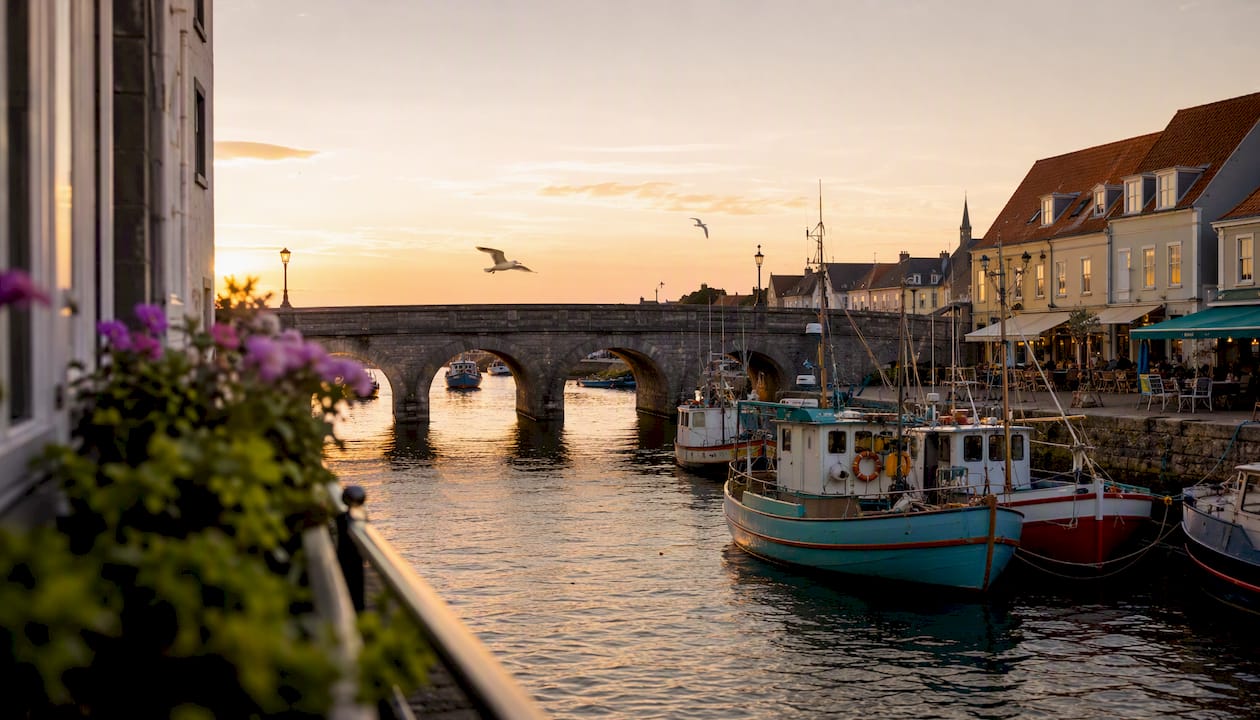
Danish coastal towns are experienced as cozy, nature-oriented, and atmospheric — but each town has its own character, and the choice of destination determines whether you end up with a surfboard under your arm in Klitmøller or with a glass of white wine on a terrace in Skagen. Beach, harbor, local food, and the special slow rhythm that only occurs when the sea is nearby are the elements that together create the experience. According to a Guest analysis from the Knowledge Center for Coastal Tourism uses approximately 35% of visitors spend most of their time experiencing the atmosphere and ambiance, 30% on restaurant and café visits, and approximately 20% off on shopping.
The picture is grouped by experience type as follows: Nature experiences You find in Klitmøller, Vorupør, and Hvide Sande. Life, Food, and Culture It belongs to Skagen, Ebeltoft, and Allinge–Sandvig on Bornholm. Classic beach holiday and Løkken, Blokhus, and Marielyst. Active coastal holiday Peger mod Sønderborg, Svendborg og Gilleleje. Analyser fra Realdania and the built environment in coastal cities shows that investments in urban spaces and facilities can enhance the quality of experiences over time.
What characterizes the experience in a Danish coastal town?
Five elements recur, regardless of which coastal city you visit:
- Beach and sea itself the core. The west coast offers dramatic dunes and powerful waves; the east coast and the islands provide calmer, shallow beaches.
- Harbor and urban space It is the social gathering point. A coastal town without an active harbor lacks its pulse — here you buy fresh fish, see the boats, and find the best cafes.
- Nature and landscape Varies from Møn's Chalk to the dunes of the West Coast. The role of nature in the holidayThe role of nature in the holiday) is well-documented as one of the strongest drivers for coastal tourism.
- Food and café life It's not just an accessory. A Guest survey from the West Coast 2025 shows that a very large proportion of guests are satisfied, and good food experiences are an important commercial driver.
- Local events and activities Gives the visit an extra dimension — from fish markets to music festivals.
Visits to coastal towns are typically spontaneous and last 2–5 hours, while holiday guests staying overnight naturally spend more time. More than half of the guests already know the city from previous visits, and many arrive without a fixed plan — they let the city's offerings shape their day.
Professional tip: Plan a leisurely walk from the harbor towards the city center at sunset. It is the time when the atmosphere in a Danish coastal town is at its best — the light is soft, the restaurants open, and the town's true rhythm emerges.
What type of experience suits you?
A report on experience profiles from the Knowledge Center for Coastal Tourism maps four core experience types, which serve as a useful compass when choosing a city.
Classic coastal holiday It is about the beach, sun, and relaxation. You will have easy access to a wide sandy beach, ice in hand, and a café within walking distance. Løkken, Blokhus, and Marielyst are the obvious choices — wide beaches, family-friendly facilities, and a relaxed atmosphere.
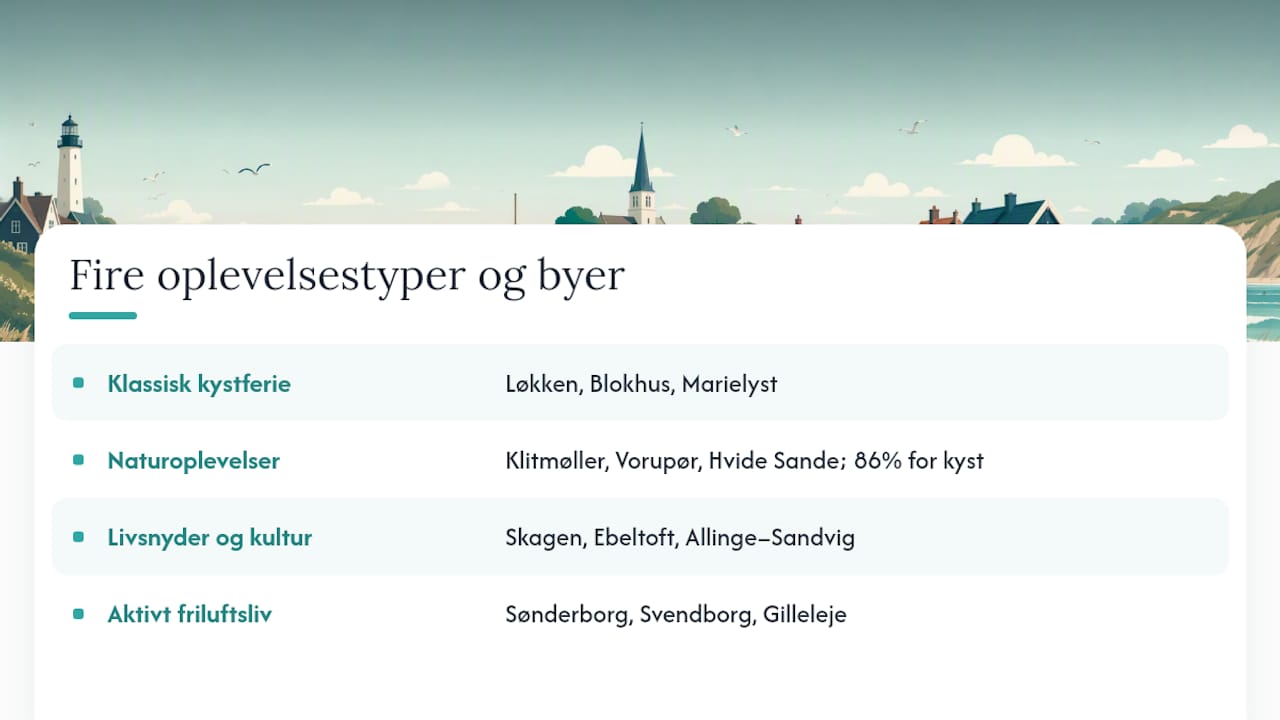
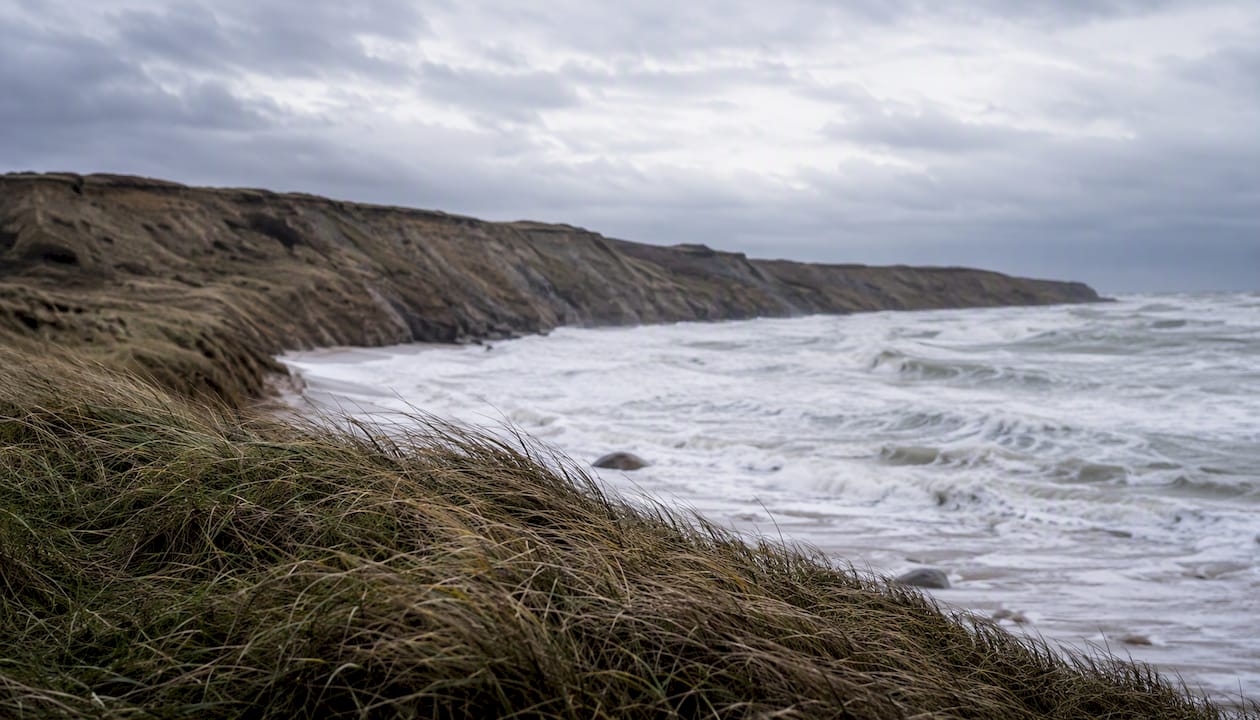
Nature experiences for those who want to feel the wind and see the dunes. Klitmøller and Vorupør are the West Coast's raw answer to a nature experience: here the waves are high, the dunes wild, and the silence authentic. Hvide Sande also offers a unique combination of the sea on both sides of the sandbar. According to analyses by the West Coast, it indicates 86% strand, cove, and sea as the primary motif to visit the area
Life, Food, and Culture Pass for the guest who wants good food, art galleries, and a city with character. Skagen is the obvious choice with its light, its art museums, and its gastronomic scene. Ebeltoft offers a well-preserved medieval town center and the Glass Museum. Allinge–Sandvig on Bornholm combines cliff coast with Bornholm's strong craftsmanship and food tradition.
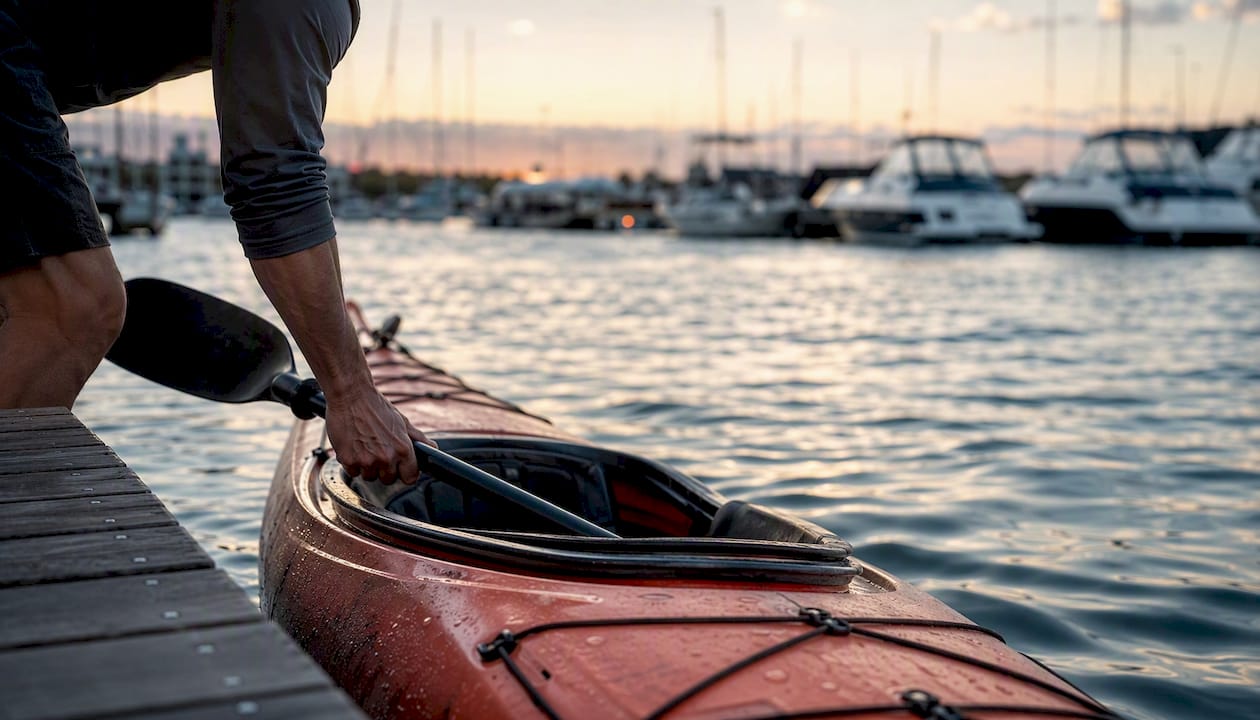
Active outdoor life covers cycling, kayaking, hiking, and sailing. Sønderborg has strong cycling routes and Dybbøl Mill as a historical anchor. Svendborg is the gateway to the South Funen Archipelago and a natural starting point for sailing trips. Gilleleje in North Zealand combines an active beach with proximity to the Royal North Zealand National Park.
Selected coastal cities and what they are best at
- Skagen — Best for art, light, and gastronomic experience. The point where two seas meet is an experience unlike any other in Denmark.
- Klitmøller (Cold Hawaii) — best for surfing and wild West Coast nature. World-class waves and a strong local surf community.
- Løkken — best for a classic beach holiday with cars on the beach and a lively summer city with lots of activity.
- Blokhus — Best for families with children. Wide beach, good infrastructure, and a cozy city center.
- Vorupør — best for peace and genuine West Coast feeling. The boat is still being pulled up on the beach here — one of the few places in Denmark where it still happens.
- White Sands — best for kitesurfing, fishing, and the unique experience of the sea on both sides of a narrow isthmus.
- Møn — best for the white chalk cliffs, dark sky (stargazing), and nature walks in Møns Klint.
- Ebeltoft — best for the historic city center, the Glass Museum, and a peaceful, cultured coastal experience.
- Gilleleje — best for active beach, fresh fish directly from the harbor, and proximity to North Zealand's nature.
- Sønderborg — best for history enthusiasts with Dybbøl Mølle and Als' beautiful coastline.
- Svendborg — best for sailing and island hopping in the South Funen Archipelago.
- Allinge–Sandvig (Bornholm) — best for cliff caves, smokehouses, and Bornholm's unique island atmosphere.
- Marielyst — best for a long, calm sandy beach and summer house idyll on Falster.
- Lønstrup — best for a dramatic coastline, Rubjerg Knude Lighthouse, and an artistic atmosphere in a small town.
Practical advice on season, transportation, and accommodation
Season means more than the weather. The high season from June to August brings full activity, open restaurants, and beaches with other people — but also queues and higher prices. The shoulder seasons in May and September are often the best compromise: quieter, cheaper, and with a more authentic picture of the cities. Winter in a Danish coastal town is something entirely different: stormy beaches, empty harbor promenades, and the few cafes that stay open are especially cozy. If season activities and inspiration for concrete ideas for each season.
Transport For most coastal towns, a car is required if you want flexibility. Tog and bus cover the larger cities like Sønderborg, Svendborg, and Gilleleje well, but Vorupør, Lønstrup, and Allinge–Sandvig are essentially car towns. Ferries are necessary to Bornholm and the islands in the South Funen Archipelago. Visitors typically move to several other places besides their primary destination, according to Guest analyses from the West Coast — a good reason to plan a route rather than a single stop.
Accommodation ranging from holiday homes (the most common choice along the west coast) to inns, bath hotels, and camping. Holiday homes provide freedom and space for the family; a beach hotel like those in Løkken or Blokhus offers the classic Danish seaside holiday feeling with half-board and sea view.
Time expenditure of coastal guests Approximately 35% of visitors spend most of their time experiencing the mood and atmosphere, 30% on restaurant and café visits, and approximately. 20% off on shopping — according to the Guest Analysis 2018. Then plan: mood and food are the core, shopping is a bonus.
How the coastal cities are developing, and what it means for you
Investments in the built environment—harbor promenades, squares, public urban spaces—enhance the quality of experience, but it takes time. Experiences from Realdania projects show that visible results often take several years to achieve, often around 5 to 10 years, with significant local engagement. The collaboration between local associations, private investors, and municipalities is crucial to maintaining quality.
The demand for nature-based and green holiday forms is increasing, which requires sustainable planning of recreational infrastructure. Shorter, more frequent stays and higher quality standards are a clear trend driving destination development forward.
Professional tip: As a guest, you best support local development by eating at local restaurants instead of chains, buying from local artisans and artists, participating in guided tours, and respecting signs in dunes and natural areas. It's not just nice — it's what keeps the coastal towns alive.
The atmosphere in the coastal towns through the seasons
Summer is the obvious choice, but it is not necessarily the right one for everyone. I June and July The coastal towns are in full bloom: the beaches are filling up, the harbors are bustling with activity, and ice cream shops are busy. It is the classic Danish seaside holiday, and it lives up to expectations.
May and September They are the hidden gems. The weather is still good enough for the beach, but the cities are quiet. You can sit at a harbor café without waiting for a table, and you meet the locals rather than just other tourists.
October to April It is the off-season for the coastal towns. Vorupør in November with stormy weather and high waves is an experience that stays in the body. Lønstrup and Rubjerg Knude Lighthouse in winter light are dramatic and beautiful. Many bath hotels and inns offer weekend packages in the low season, and prices drop significantly. Beach activities in Denmark It's not just a summer phenomenon — winter bathing has grown significantly in popularity in recent years.
Local events and festivals in the coastal towns
The coastal towns' calendar is busiest in the summer months, but there are events throughout the year. Skagen Festival at the end of June brings together folk and world music and is one of Denmark's most beloved music festivals, with an atmosphere that is unique to that particular town. Hvide Sande hosts international kitesurfing and windsurfing competitions every year, attracting spectators from all over Europe.
Ebeltoft and Svendborg both have strong maritime traditions with wooden ship festivals and harbor parties in the summer. Bornholm is the home of the People's Meeting in Allinge every June — Denmark's most important political festival, which transforms the small town into a national gathering place for a week.
Gilleleje and Lønstrup host local art markets and exhibitions that reflect the artistic tradition that has always attracted creative souls to the Danish coastal towns. Check the local tourist organization's calendar before departure — many events are only announced locally and are not visible on national platforms.
Safety and comfort when bathing and staying by the coast
The west coast is beautiful, but it demands respect. Currents and undertows can occur even on days with seemingly calm water. Swimming beaches with lifeguards are marked with blue flags and green flags, and you should always swim within the designated zones. Red flag means swimming is discouraged — it is not a recommendation, it is a warning.
The beaches of the east coast and the islands are generally calmer and more suitable for children and inexperienced swimmers. Møns Klint requires sturdy shoes and caution at the cliff edge, which is unstable. The dunes along the west coast are protected natural areas — stick to marked trails to avoid erosion and fines.
Facilities vary greatly. The large bathing beaches at Løkken, Blokhus, and Marielyst have changing rooms, toilets, and lifeguard stations. Less and more remote beaches like those at Vorupør and Lønstrup have fewer facilities, but more tranquility. Bring drinking water, use sunscreen, and remember that the wind by the sea can make it feel colder than the thermometer suggests.
A personal perspective on the coastal town experience
There is something about the moment when you park the car on the outskirts of a Danish coastal town and start walking towards the harbor that cannot really be described precisely. The smell of salt, the sound of seagulls, and the gradual relaxation that happens when you know there is nothing urgent. I experienced it in Lønstrup on a September morning, almost alone on the beach, with Rubjerg Knude Lighthouse on the horizon. This is not an Instagram moment. It is calmer and more lasting.
The best advice is simple: walk from the harbor towards the city center at sunset, find the café that smells of coffee and has handwritten signs, and sit down without a plan. Coastal towns give the most when you don't demand anything specific from them.
Rejsidanmark helps you plan your coastal town visit
If you are planning your first trip to a Danish coastal town, Rejsidanmark is a good starting point. Siden collects specific information about experiences, sights, and activities across Denmark, filtered by season, price, and age group.
Bridge The checklist for a day trip in Denmark as practical preparation, if you are planning a short visit to a coastal town. If you want to combine multiple destinations, give Road trip guide Create a step-by-step plan to put together the route. Both resources are free and available directly on Rejsidanmark.
Sources
- Guest Analysis 2018 (coastal and nature tourism)
- The West Coast today and in the future (VisitVesterhavet PDF)
- Guest Survey at the West Coast 2025 (Final Report)
- Bygtek