TL;DR:
- Denmark has over 13 UNESCO World Heritage sites, including castles, churches, and nature. More museums and reconstructed villages provide a vivid insight into the country's cultural heritage through authentic buildings and activities. Choosing a destination depends on interests, time, and family, while seasonal planning and online ticket purchase can optimize the experience.
A list of historical sites gathers Denmark's most significant cultural heritage attractions in one place, from UNESCO World Heritage sites like Kronborg Castle and Roskilde Cathedral to open-air museums like Hjerl Hede, giving you a vivid sense of the past. Denmark has over 13 UNESCO World Heritage Sites, and the combination of royal castles, medieval churches, and reconstructed villages makes the country one of Northern Europe's richest destinations for history enthusiasts. This guide helps you choose the right place based on your interests, your time, and your travel style.
What types of historical sites are found in Denmark?
An effective List of historical sites Clearly distinguishes between three categories because they offer fundamentally different visiting experiences. If you know the difference, you can plan your trip much more precisely.
The three primary categories are:
- UNESCO World Heritage Sites Places such as Kronborg Castle, Roskilde Cathedral, Stevns Klint, the Wadden Sea, and Christiansfeld are recognized for their exceptional universal value. The visit is typically characterized by architecture, exhibitions, and guided tours.
- Active cultural institutions and museums The National Museum in Copenhagen, the Viking Ship Museum in Roskilde, and Den Gamle By in Aarhus offer permanent collections and rotating exhibitions with professional interpretation.
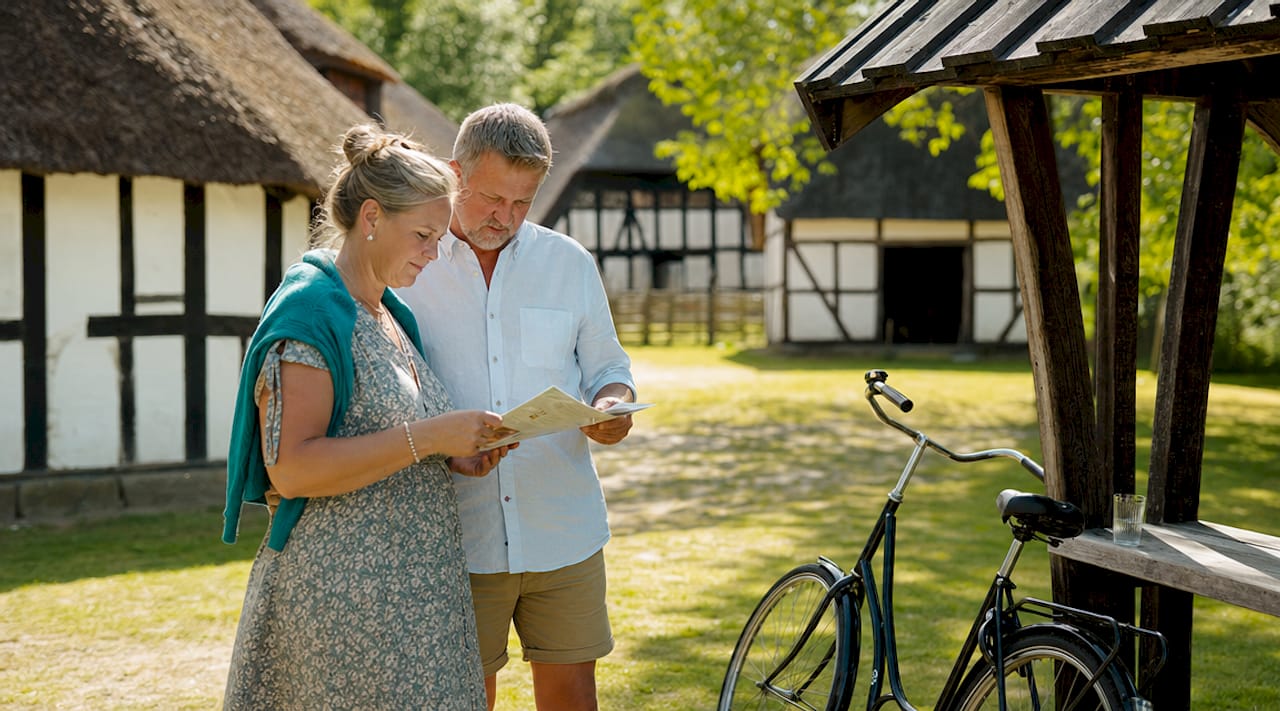
- Historical reconstructions and open-air museums Places like Hjerl Hede in Central Jutland offer a broad experience with authentic historical buildings, workshops, and lively activities that correspond to a full day of exploration.
Open-air museums meet a need for more holistic historical experiences than individual monuments can offer. Here you are not just a spectator. You enter a reconstructed blacksmith's workshop, see a baker working, and feel how everyday life was 150 years ago.
Professional tip: Feel free to plan one place from each category on your next historical tour. It gives you both the grand overview and the close, personal experience.
1. Kronborg Castle, Helsingør
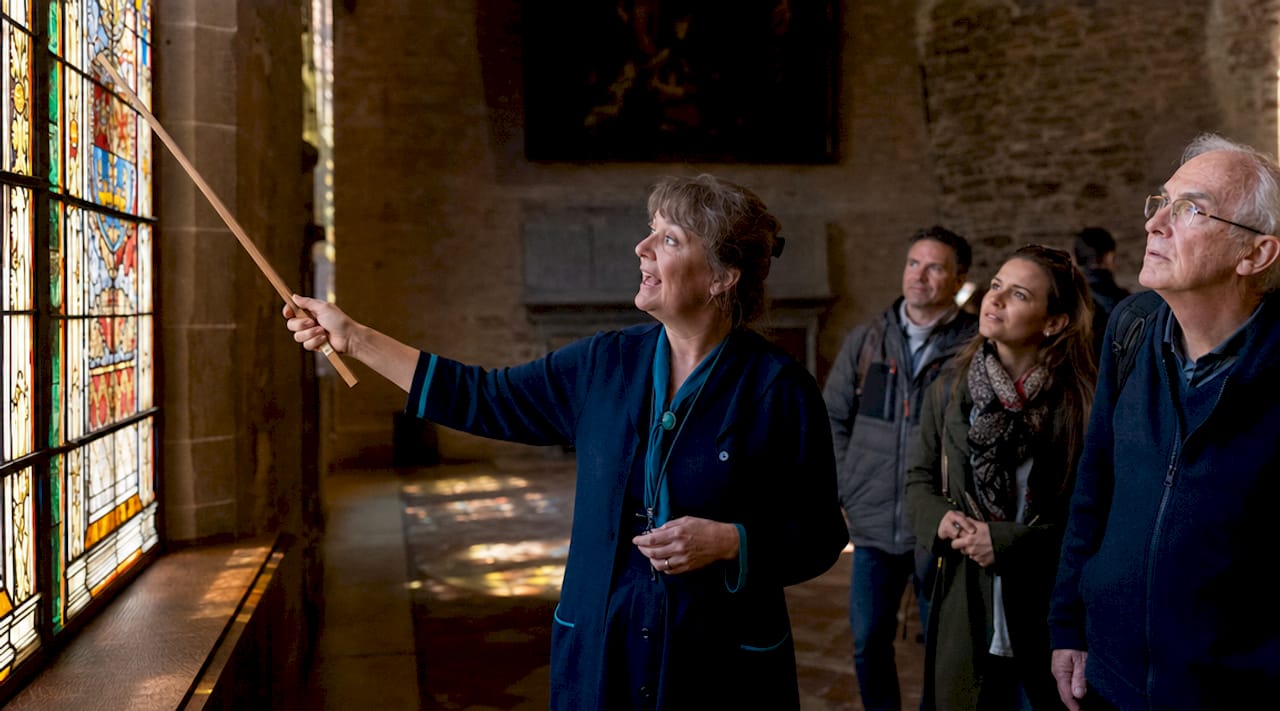
Kronborg Castle is Denmark's most internationally renowned historical attraction and is inextricably linked to Shakespeare's Hamlet. The castle is located at the entrance to the Øresund and has controlled navigation between the North Sea and the Baltic Sea for centuries. It is listed as a UNESCO World Heritage Site and is open from March 28 to August 31 with guided tours and seasonal activities. Kronborg is not just a museum. It is a living story about Danish royal power, military strategy, and European cultural history.
2. Roskilde Cathedral
Roskilde Cathedral is the burial church for Danish kings and queens and is one of the earliest examples of Gothic brick architecture in Northern Europe. The church houses royal tombs from more than 1,000 years ago and is listed as a UNESCO World Heritage Site. The architecture alone is worth traveling for, but it is the stories behind each tomb that give the visit depth. Roskilde Cathedral pairs well with a visit to the Viking Ship Museum on the same day.
3. The Viking Ship Museum in Roskilde
The Viking Ship Museum presents five original Viking ships from around the year 1000, discovered in Roskilde Fjord in 1962. The museum is one of the best places in the world to understand the Vikings' seafaring and shipbuilding. You can see craftsmen building reconstructed Viking ships using original methods, and in the summer there is an opportunity to sail on the fjord in copies of the historic vessels. It is one of the historical sights, that appeals to both children and adults.
4. Hjerl Hede Open-Air Museum, Central Denmark
Hjerl Hede in Central Jutland is Denmark's most authentic open-air museum, gathering historic buildings from Jutland in one place. The museum opens its doors from May 1 to June 26, 2026, 10 AM to 4 PM, and the summer activation runs from the 26th. June to 9th. August 2026, 3:00 PM 10-17. That means during the summer season, you will meet craftsmen, farmers, and traders in historical costumes, bringing the place to life in a way that no traditional exhibition can match. Hjerl Hede is a full-day experience and is especially suitable for families.
Professional tip: Always check Hjerl Hede's current opening hours before your visit. The houses may be closed for walks during the winter period from the 1st. January to the 29th. markets, even though the area is accessible.
5. The National Museum in Copenhagen
The National Museum on Frederiksholms Kanal in Copenhagen is Denmark's largest cultural history museum and covers the period from the Ice Age to the present day. The collections include the famous Sun Chariot from the Bronze Age, runes, medieval artifacts, and ethnographic collections from around the world. The museum is free to visit and is an ideal starting point for historical sites in Copenhagen. It is the place you visit when you want a broad overview of Danish and Nordic history all at once.
The Old Town in Aarhus
The Old Town is an open-air museum in Aarhus that reconstructs Danish urban culture from the 17th century to the 1970s. The museum is not just a collection of old houses. There is a whole city where you can enter a 19th-century pharmacy, visit a 1970s apartment, and dine at a historic inn. The Old Town is open all year and is one of the best examples of how historical attractions in Denmark convey everyday history rather than just kings and wars. The museum receives hundreds of thousands of visitors every year and is consistently ranked among the country's best cultural experiences.
7. Wadden Sea Center, Ribe
The Wadden Sea Centre in Ribe conveys the UNESCO World Heritage Site of the Wadden Sea with exhibitions and guided tour In the middle of Denmark's largest national park. The Wadden Sea is listed as a UNESCO World Heritage Site and is one of the world's most important wetlands for migratory birds. The Wadden Sea Center combines natural history with cultural history and tells the story of the people who have lived off and with the sea for thousands of years. Ribe is also Denmark's oldest town and offers you the opportunity to combine your visit with a walk through the well-preserved medieval town.
8. Christiansfeld, Southern Jutland
Christiansfeld is a small town in Southern Jutland, founded in 1773 by the Moravian Church community, and is listed as a UNESCO World Heritage Site for its uniquely preserved town plan and architecture. The city is a rare example of a planned pietist city, where all buildings, streets, and gardens still appear almost unchanged. Christiansfeld is one of the lesser-known Danish cultural heritage sites, but it is precisely the authentic silence and the well-preserved whole that make the visit special. The honey cakes from the Brethren's bakery are in fact world-famous.
9. Stevns Klint, Zealand
Stevns Klint south of Copenhagen is listed as a UNESCO World Heritage Site for its geological significance. The clay contains a unique layer of limestone that documents the mass extinction that killed the dinosaurs 66 million years ago. Stevns Klint is not a historical site in the traditional sense, but it is one of the places where you can literally touch the Earth's history with your hands. The visit can be conveniently combined with Højerup Old Church, which is partially collapsed into the sea, and Stevns Fortress from the Cold War.
10. Trelleborg Viking Fortress, Slagelse
Trelleborg near Slagelse is one of the best-preserved ring fortresses from the Viking Age and dates to around. In the year 980 during Harald Bluetooth's reign. The geometrically precise circular shape of the burial mound is still visible in the landscape, and the on-site museum explains the Vikings' military organization and social structure. Trelleborg is one of the places that surprises many visitors. The castle itself is not spectacular to look at from a distance, but when you understand the precision behind the construction and the historical context, it is fascinating. It is a good example of the historical sites in Denmark, which requires some background knowledge to get the full benefit.
11. Hammershus, Bornholm
Hammershus on the northwest coast of Bornholm is Northern Europe's largest medieval castle ruin and dates back to the 13th century. The ruins are dramatically situated on a cliff top overlooking the Baltic Sea and are one of the most photographed places in Denmark. Hammershus is free to visit and open all year round. The castle has played a central role in Danish and Nordic power politics and has served as a state prison, military facility, and bishop's castle. Combined with Bornholm's other round churches and cultural heritage, Hammershus forms the core of a historical tour on the island.
12. Ribe Viking Center
Ribe Viking Center is located outside Denmark's oldest town and is a living museum that reconstructs a Viking Age village from the year 700 to 900. Here you meet Vikings who forge, cook, and demonstrate crafts from the period. The center is particularly strong for families and Viking museumsbecause the experience is active and participatory rather than passive. Ribe Viking Center and Ribe Cathedral together constitute one of the most popular historical day trips in Jutland.
How to compare and choose the right historical site
The choice of historical site depends on four factors: theme, visit duration, geographical location, and family-friendliness. A table provides the quickest overview.
| Location | Theme | Duration | Family-friendly | Region |
|---|---|---|---|---|
| Kronborg Castle | Royal Power, Shakespeare | 2-3 hours | Yes | Zealand |
| Roskilde Cathedral | The royal line, Gothic | 1-2 hours | Yes | Zealand |
| Viking Ship Museum | Vikings, navigation | 2-3 hours | Very | Zealand |
| Hjerl Hede | Bondeliv, reconstruction | Hello day | Very | Midtjylland |
| The Old Town | Bykultur 1600-1970 | Hello day | Very | Jutland |
| Vadehavscentret | Nature and Cultural Heritage | 2-3 hours | Yes | Southern Jutland |
| Christiansfeld | Pietism, urban planning | 1-2 hours | No | Southern Jutland |
| Hammershus | Medieval, castle ruin | 1-2 hours | Yes | Bornholm |
| Ribe Viking Center | Vikings, living communication | 3-4 hours | Very | Jutland |
Day visits work best at places with clearly defined content such as Kronborg Castle or Roskilde Cathedral. Full-day experiences like Hjerl Hede and The Old Town require more time, but in return, they offer a deeper immersion. Families with children get the most out of the living museums, where the activities are participatory. History enthusiasts without children will typically prefer the quieter and more authentic places like Christiansfeld or Stevns Klint.
Plan routes geographically. Roskilde Cathedral, the Viking Ship Museum, and Kronborg Castle can be combined over two days starting from Copenhagen. A Jutlandic history route can bring together Ribe Viking Center, Wadden Sea Center, and Hjerl Hede in three days. Bornholm deserves its own tour with Hammershus as the center.
Seasonal considerations when visiting historical sites
Opening hours and activity offerings vary significantly between seasons, and that is the mistake most visitors make. They arrive without checking what is actually open.
Hjerl Hede is the clearest example. The houses are closed from the 1st. January to the 29th. Marches, and the summer reenactment with costumed craftsmen and farmers only run from the 26th. June to 9th. August 2026 If you visit the place in April, you will see the historic buildings from the outside, but you will not encounter any live interpretation. It is a fundamentally different experience.
Key points for seasonal planning:
- Summer living history at Hjerl Hede (June 26 to August 9, 2026) offers the most complete experience with live activities and costumed interpreters.
- Kronborg Castle has a seasonally open program from the 28th. Sales until the 31st. August with special tours and activities.
- Seasonal events such as Christmas weekends at Hjerl Hede add extra experiential value during the winter months.
- The Old Town and the National Museum are open all year round and are therefore safe choices outside the high season.
- The Wadden Sea Center offers guided tours in the Wadden Sea, but the best nature guide tours are concentrated in spring and autumn when migratory birds are numerous.
Professional tip: Book tickets for Kronborg Castle and Ribe Viking Center online before your visit in the summer season. Both places can have long lines in July and August, and online booking typically saves you 20 to 30 minutes of waiting time.
My assessment: What truly distinguishes the best historical sites
I have visited most of the places on this list several times, and what consistently distinguishes the best experiences from the mediocre is not the size or the UNESCO stamp. It is the quality of the communication.
Kronborg Castle has impressive architecture, but it is the guides that make it unforgettable. Hjerl Hede is not spectacular to photograph, but an hour in the company of a costumed blacksmith explaining how he made nails in the 1880s stays in memory for years. The Old Town in Aarhus is technically a museum, but it feels like a time travel because each room is furnished with such precision that it forces you to imagine the real life behind the objects.
My recommendation for history enthusiasts is to choose depth over breadth. A single site visited thoroughly with a guided tour and time to read the detailed texts provides more than five sites superficially seen in one day. For families with children, Ribe Viking Center and Hjerl Hede are the two places I always recommend first because children remember what they do themselves, not what they see behind glass cases.
Christiansfeld is my personal hidden treasure. Most Danes have never heard of it, but it is one of the best-preserved and most atmospheric places in the entire country. Go there on a weekday morning, and you will have almost the whole city to yourself.
— Tommy
Plan your historical tour with Rejsidanmark
Rejsidanmark gathers practical information about historical sights and cultural heritage sites from all over Denmark in one place. You will find descriptions, opening hours, and price information for attractions from Bornholm to the Wadden Sea, and you can filter by season, age group, and price. Bridge Guide to Denmark Basically, if you are planning your first historical tour. If you need a structured plan for a single day, it provides Day trip checklist A concrete tool to get the most out of every visit. Rejsidanmark is built for those who want to experience Denmark properly.
FAQ
What are the best historical sites in Denmark?
The best historical sites in Denmark include Kronborg Castle, Roskilde Cathedral, the Viking Ship Museum, Hjerl Hede, and Den Gamle By in Aarhus. The choice depends on your theme, your time, and whether you are traveling with children.
When is Hjerl Hede open in 2026?
Hjerl Hede opens the houses from the 1st. May until the 26th. June 2026 at. October 16, and the summer livestock declaration runs from the 26th. June to 9th. August 2026, 3:00 PM 10-17. The houses are closed from the 1st. January to the 29th. Marchs
Which historical sites in Denmark are on the UNESCO list?
Denmark has 13 UNESCO World Heritage sites, including Kronborg Castle, Roskilde Cathedral, Stevns Klint, the Wadden Sea, and Christiansfeld. These places are recognized for their outstanding universal cultural, historical, or natural value.
Which historical sites in Copenhagen are free?
The National Museum on Frederiksholms Kanal is free to visit and is Denmark's largest cultural history museum. Hammershus on Bornholm is also free and open all year round.
What is the difference between an open-air museum and a traditional museum?
A rural open-air museum like Hjerl Hede or The Old Town reconstructs historical environments with authentic buildings and live interpretation, while a traditional museum presents objects in exhibition rooms. Open-air museums provide a more participatory and sensory experience, especially for children and families.
Recommendation
- Examples of historical sites in Denmark – Travel in Denmark
- Travel in Denmark – find the best experiences, sights, and hidden gems – Travel in Denmark
- Cultural Heritage Sites in Denmark: Your Guide to Historical Experiences – Travel in Denmark
- Historical Landmarks: Inspiration for Family Experiences – Travel in Denmark