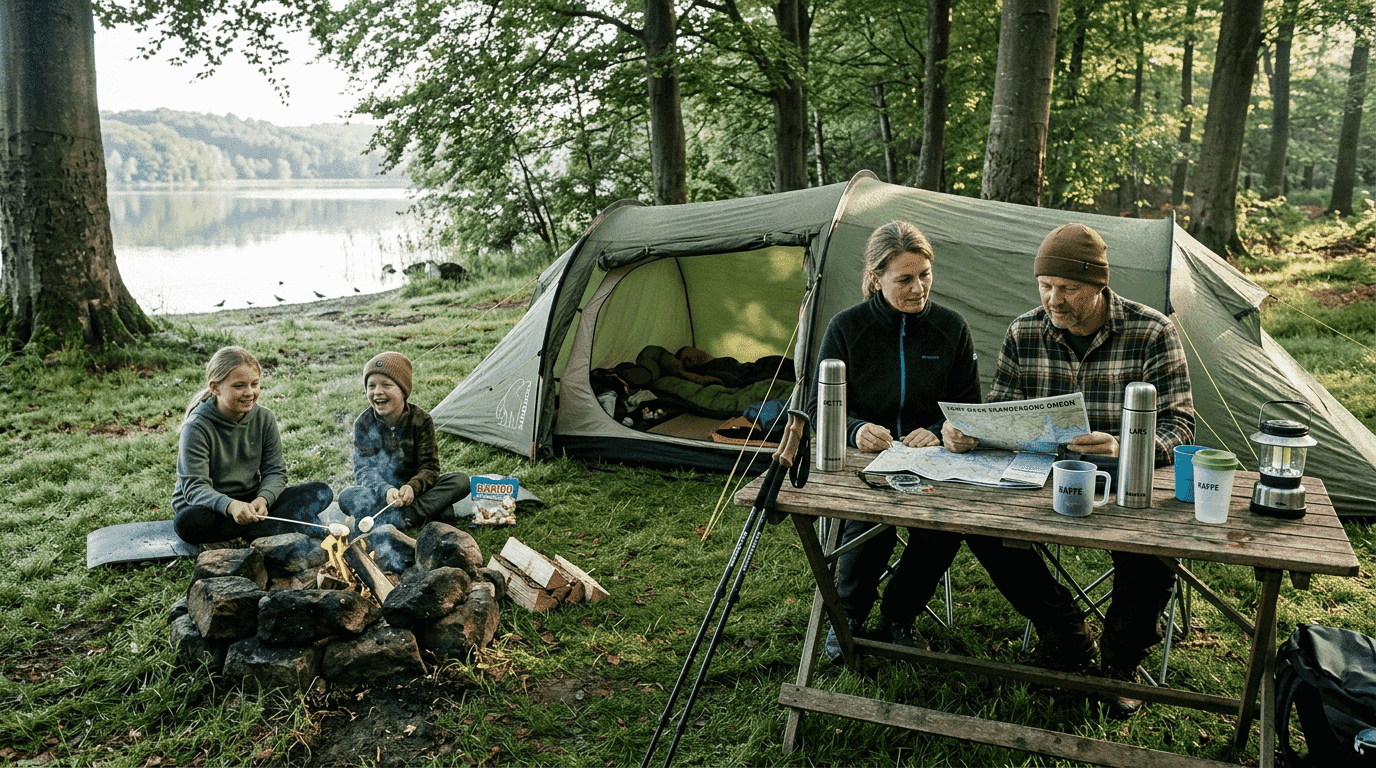
Danish people booked record number of overnight stays in nature In the summer of 2025, with over 11,000 bookings. This marks a significant shift in holiday habits, where nature is no longer just a backdrop but a central part of the experience. Families with children seek meaningful activities together, while adventurous adults find personal growth in nature's challenges. This article explores how nature shapes memorable holiday experiences, supports well-being, and creates a balance between sustainable tourism and local challenges. You will gain concrete knowledge of how different travelers make the most of nature vacations while learning to navigate the complexities of overtourism.
Main points
| Point | Details |
|---|---|
| Record interest in nature holidays | Over 11,500 bookings in nature show a growing preference for outdoor experiences over traditional holidays |
| Well-being through contact with nature | Nature reduces stress, strengthens cognitive functions, and creates deeper family bonds during the holidays. |
| Sustainability goals drive development | Denmark is working towards becoming the most environmentally friendly tourist destination in Northern Europe by 2030. |
| Overtourism creates local conflicts | Popular destinations like Blåvand experience tensions between 30,000 daily tourists and 300 residents. |
Denmark's increasing focus on nature tourism
Danish holidaymakers made 11,563 bookings outdoors in the summer of 2025, bringing 51,633 visitors into nature. The figures reflect a fundamental change in how Danes prioritize their leisure time. Where traditional hotel vacations used to dominate, an increasing number now choose primitive shelters, campgrounds near forests and coastal areas with direct access to nature experiences.
Lærke Falstaff, an expert in ecotourism, explains that nature creates peace and social interaction in ways that conventional vacation types rarely achieve. In nature, everyday stress melts away, and people find mental rejuvenation through simple activities like hiking, birdwatching, or evenings by the campfire. For many families, nature becomes the space where genuine conversations occur and where children learn about the environment through play rather than screens.
Denmark offers thousands of accommodation options in nature, from simple shelters to glamping facilities with comfort. This variation makes nature trips accessible for different budgets and comfort levels. Some seek the authentic experience with a sleeping bag under the stars, while others prefer a bit more luxury without losing contact with nature.
Nature gives us the opportunity to be together in a way that feels genuine. It's not about what we do, but about being present.
Nature tourism fits perfectly with Denmark's broader sustainability goals and focus on mental health. When you choose a Danish holiday With nature at the center, you support both local businesses and environmentally friendly tourism. The trend shows no signs of slowing down, as more people discover the value of disconnecting from the digital and rediscovering the simple joys of nature.
The importance of nature for families and adventurous adults
Scientific studies document that Time in nature reduces stress and significantly improves cognitive function. For families, this specifically means that children become more attentive, creative, and physically active when the holiday takes place outdoors. Parents simultaneously experience lower stress levels and better sleep quality, creating positive energy throughout the family.
Family members especially value nature's ability to create shared experiences without competition for attention from technology. A simple hike turns into a treasure hunt where children discover insects, plants, and traces of animals. These moments create memories that last for years because they are authentic and involve all the senses. Nature functions as the perfect playground, where imagination sets the boundaries rather than rules and signs.
For adventurous adults, nature offers a space for personal development through physical and mental challenges. A challenging coastal trail or a kayak trip on open water tests boundaries and builds confidence. Many find that nature's challenges provide a sense of mastery that is difficult to achieve within the safe confines of everyday life. This applies especially to those who are seeking active holiday with genuine substance
Structured activities can increase engagement for both groups.
- Guided nature walks focusing on local flora and fauna provide a deeper understanding
- Geocaching combines technology with outdoor activity in a family-friendly way
- Survival courses teach practical skills and boost self-confidence
- Photography workshops in nature foster artistic expression and attention to detail
- Nighttime observations of stars connect us with the greatness of the universe
Professional tip: Plan adventure trips for family children with flexibility in the schedule. Children have different energy levels throughout the day, so let nature dictate the pace rather than a strict schedule. Bring simple equipment such as a magnifying glass, a determination manual, or a sketchbook that transforms observations into active learning.
Nature's role varies significantly depending on who experiences it, but what is common is its profound effect on well-being and relationship quality. Both families and adventure seekers find authenticity and meaning when nature becomes the focus of the holiday rather than just a stop along the way.
Sustainability and challenges of overtourism in scenic areas
Denmark has set ambitious goals to become Northern Europe's most eco-friendly tourist destination by 2030This directly affects how tourism infrastructure is developed in natural areas. New shelters are built with sustainable materials, paths are constructed to minimize erosion, and information signs encourage visitors to follow Leave No Trace principles. The goal is to protect nature while making it accessible to more people.
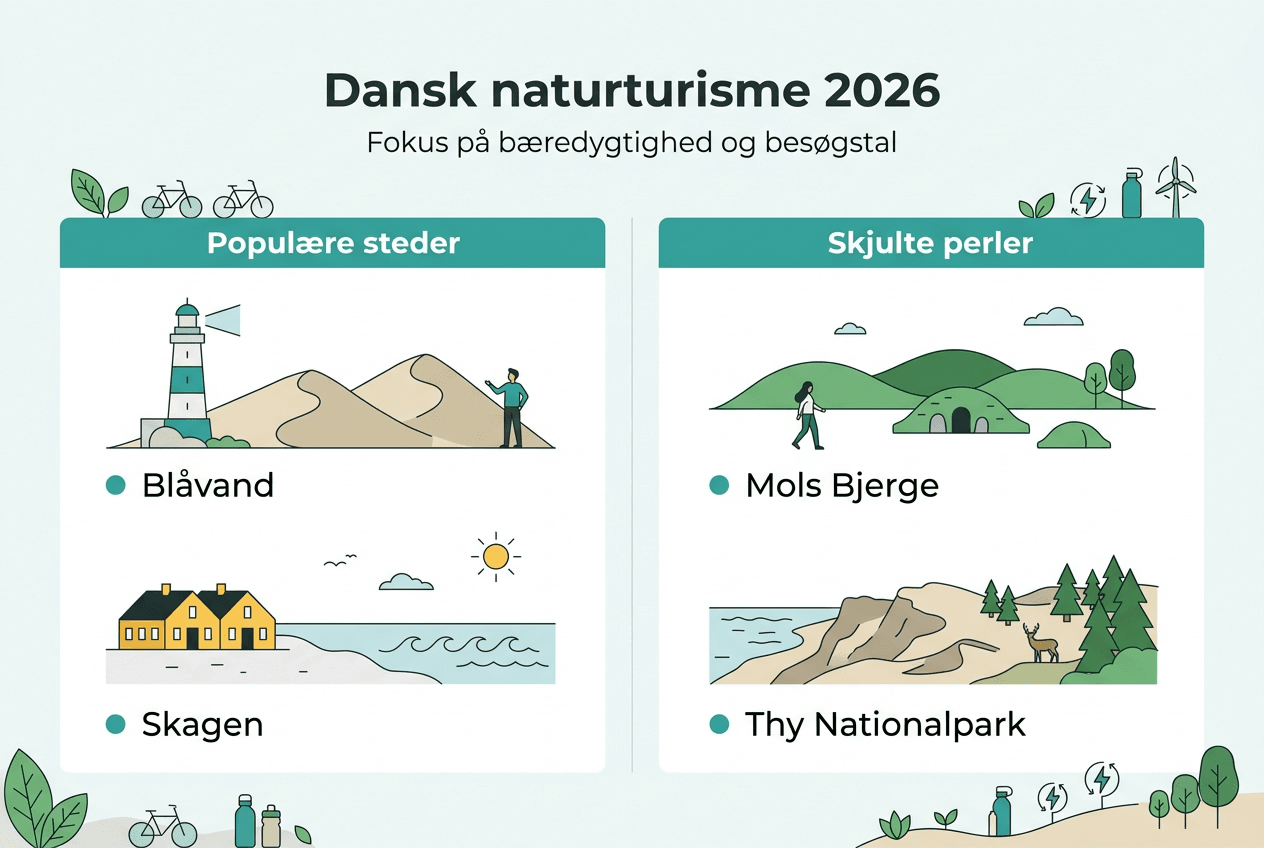
But popularity creates paradoxes. Blåvand clearly illustrates the problem, where 30,000 daily tourists meet 300 residents in the high season The local population experiences traffic chaos, noise, and a lack of respect for private property. Stores and restaurants profit from tourists, but the residents pay the price in the form of reduced quality of life. This creates frustrations and debates about whether tourism has become uncontrollable.
Comparison of popular and lesser-known destinations
| Aspect | Popular destinations | Less known areas |
|---|---|---|
| Visitor numbers | Very tall, especially in the high season | Moderate, merely spread over the year |
| Local experience | Commercial, busy atmosphere | Authentic, relaxed atmosphere |
| Environmental impact | Significant wear on trails and facilities | Minimal, better preserved nature |
| Price level | Higher due to demand | Often more affordable prices |
| Availability | God infrastructure, many services | Fewer facilities, require more planning |
Overtourism affects not only the local population. Nature itself suffers from the wear and tear when thousands tread the same paths, disturb wildlife, and leave trash behind. Although most visitors have good intentions, the overall amount causes problems. Bird nesting areas are disturbed, rare plants are trampled, and peaceful natural areas lose their tranquility.
Visitors can reduce their footprint through conscious choices.
- Visit popular places outside the peak season to reduce the pressure
- Explore alternative destinations with similar natural beauty
- Use public transport or a bicycle instead of a car
- Follow marked trails to protect vulnerable vegetation
- Take all waste home, including organic material
Professional tip: Investigate Nature experiences in Denmark outside the known hotspots. Many hidden gems offer identical natural beauty without the crowds. Local tourist offices can recommend places where your visit actually helps support areas that need more visitors to maintain facilities.
The balance between accessibility and protection requires shared responsibility. Authorities may regulate access to the most vulnerable areas, while visitors must respect restrictions and choose sustainably. Only through this combination can future generations enjoy the same natural wealth.
How to make the most of your nature holiday in Denmark
Choosing a destination fundamentally shapes the entire holiday experience. Less known areas such as Mols Bjerge, Thy National Park, or Møns Klint outside the high season offer authentic nature encounters without crowds. Here you will find peace for reflection, opportunities for spontaneous experiences, and genuine contact with locals who have time to share stories and recommendations. Research shows that the experience of tranquility in nature is crucial for the stress-reducing effects.
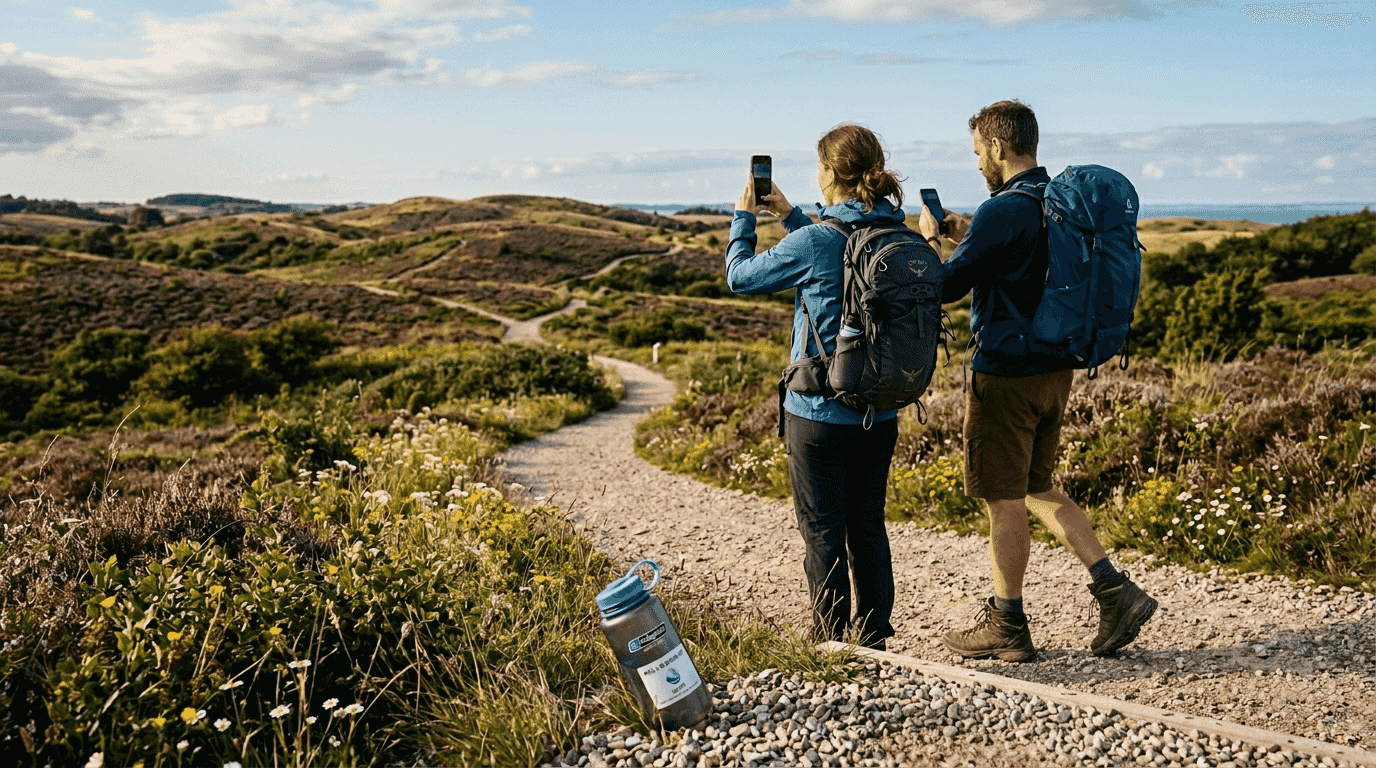
Local support strengthens both your visit and the destination. When you buy from local producers, dine at family-owned restaurants, and use local guides, you are investing in the area's future. These companies have deep knowledge of nature and can guide you to hidden places that are never listed in guidebooks. At the same time, you ensure that tourism dollars stay in the local community rather than disappearing to international chains.
Activity choices should match your travel style and physical level.
- Familiar with small children: Short hikes with many stops, beach activities, shelter stays near facilities
- Teenagefamilier: Mountainbike, klatring, vandsport eller længere trekkingture
- Adventurous adults: Challenging coast-to-coast routes, sea kayaking trips, or wilderness camping
- Naturinteresserede: Guidede fugleture, botaniske vandringer eller fotografiworkshops
Preparation ensures comfort and safety without removing spontaneity. Check the weather forecast and pack layered clothing, as Danish weather changes quickly. Carried equipment such as proper hiking boots, rain jacket, and thermos bottles makes the difference between a good and a fantastic trip. Download an offline map of the area, as mobile coverage may be spotty in remote locations.
Professional tip: Use practical travel tips to avoid beginner mistakes Many people forget, for example, that shelters must be booked in advance in popular areas, or that fires can only be lit in designated spots. Simple research saves frustrations and ensures that you comply with rules that protect nature.
Timing greatly affects the experience. Early morning and late afternoon offer the best light for photography, the most active wildlife, and the fewest people on the trails. The summer midnight sun provides extra hours for exploration, while spring offers explosive blooming and autumn features spectacular colors. Winter holidays in nature require more equipment but reward with crystal-clear air and magical silence.
When you planning family adventureInvolve the children in the preparations. Let them pack their own backpack, choose an activity, or research animals they hope to see. This creates anticipation and ownership of the experience. During the tour, give them responsibilities such as reading maps, collecting firewood, or documenting experiences through drawings.
Plan your next nature holiday with rejsidanmark.dk
Rejsidanmark.dk Collects Denmark's best nature experiences on one platform, so you can easily find destinations that match your wishes. Our Guide to Denmark for first-time visitors Provides an overview of regions, seasons, and practical considerations that make planning easy. You will find detailed descriptions of attractions, estimated costs, and recommendations for different age groups.
Families place special value on our family adventure guide, which focuses on child-friendly activities and safety. We highlight destinations with facilities such as toilets, playgrounds, and shelters near parking areas to make logistics manageable. At the same time, we inspire adventures that challenge and create memories for the whole family.
Our practical travel tips cover everything from booking systems to packing lists and weather conditions. You learn about Danish natural rules, where you can stay overnight, and how to respect both nature and the local population. These resources save you from mistakes and ensure that your holiday is trouble-free and memorable.
Frequently Asked Questions
What role does nature play in family vacations?
Nature creates natural settings for quality time where families can be together without digital distractions. Joint activities such as hiking, campfire cooking, and shelter stays strengthen relationships through cooperation and shared experiences. Children develop motor skills, creativity, and environmental awareness, while parents experience reduced stress and a better connection with their children.
How can adventurous adults make the most of the nature holiday?
Choose activities that challenge your physical and mental limits, such as multi-day coastal trips, sea kayaking adventures, or wilderness camping. Plan routes that take you away from tourist crowds to authentic natural areas where you encounter true silence. Combine physical activity with learning through guided tours or workshops that provide a deeper understanding of ecosystems and sustainability.
What does the term overtourism mean in Danish holiday towns?
Overtourism occurs when the number of visitors exceeds the capacity of the local community and nature. In Blåvand, 30,000 daily tourists create traffic chaos, noise, and reduced quality of life for residents compared to 300 permanent residents. Nature deteriorates, wildlife is disturbed, and the authentic experience disappears for both tourists and locals.
How can I plan a sustainable nature holiday in Denmark?
Choose lesser-known destinations to spread out tourist pressure and visit popular places outside the peak season. Use local services, public transport, and follow Leave No Trace principles by staying on marked trails and removing all trash. Respect wildlife breeding seasons, avoid noise in sensitive areas, and book accommodation at certified sustainable facilities.