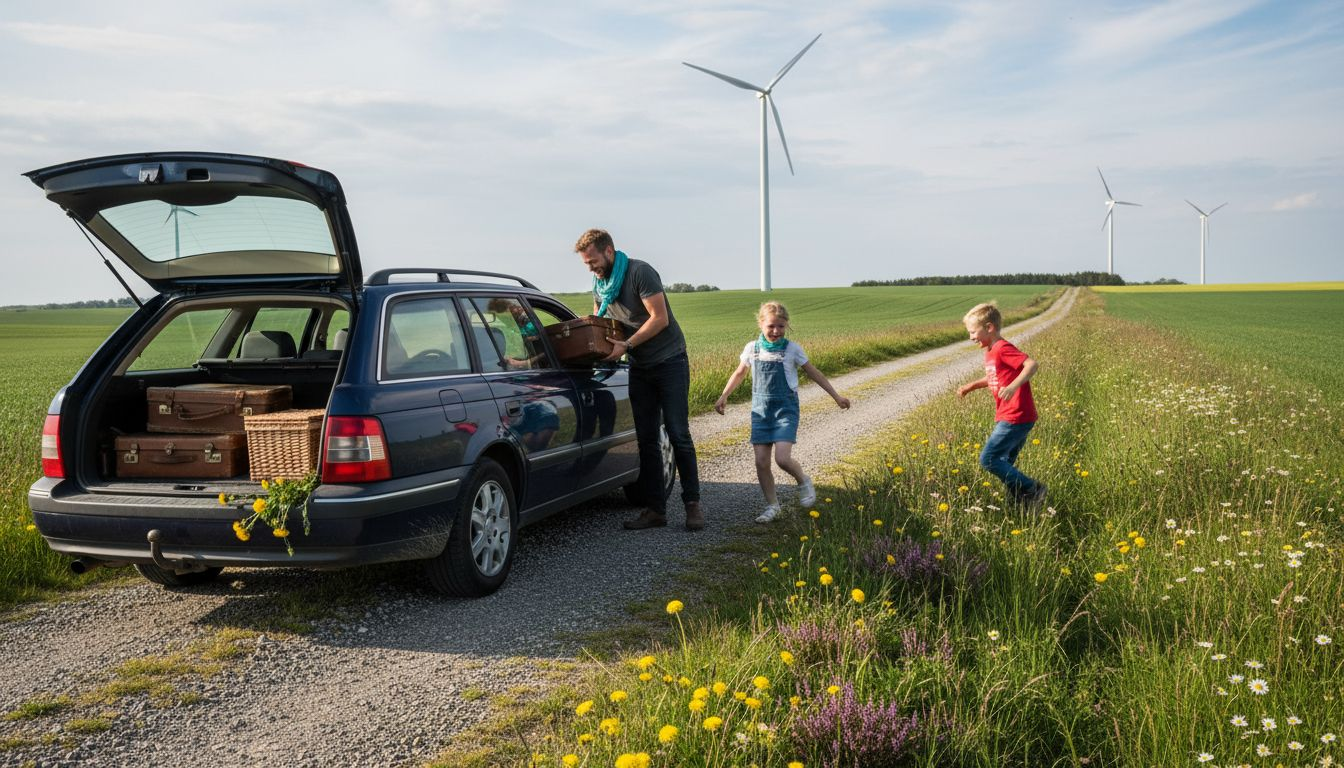
Over 80 percent of all travelers in Denmark choose a road trip each year to experience the freedom and diversity of the Danish landscape. Whether you dream of exploring hidden beaches, charming Danish villages, or the vibrant city life in Copenhagen, planning is about much more than just getting behind the wheel. This guide helps you with concrete steps so you can create a memorable and worry-free road trip in Denmark, from route planning to packing list.
Step 1: Select route and destinations
When planning a road trip through Denmark, route choice and destination selection are crucial for a fantastic travel experience. Your route will define the entire character of the journey and determine which experiences you will have the opportunity to explore.
First, you should consider Denmark's landscape diversity. From the charming Inspiring experience routes in the country You can choose between coastal routes along the West Coast, cultural-historical routes through Jutland, or scenic stretches through Zealand. Think about your interest profile. Are you into historic castles, maritime experiences, magnificent nature, or vibrant urban environments? Each region offers unique experiences.
It is recommended to plan a route with 3-5 main destinations, each located a maximum of 2-3 hours' drive from each other. This ensures comfortable daily driving stretches without too many hours behind the wheel. Take some flexible breaks at interesting sights along the way. Remember to check driving distances and road conditions in advance.
Here is a comparison of Danish road trip routes to help you choose the best experience:
| Rutetype | Typical Experiences | Suitable For | Driving environment |
|---|---|---|---|
| Coastal route | Strande, fishing villages | Nature and swimming guests | Open, scenic roads |
| Cultural-historical route | Slots, museums, small towns | Culture and history enthusiasts | Small roads through villages |
| Scenic route | National parks, lakes | Outdoor enthusiasts and photographers | Varying landscape |
| Experience route | Big cities, shopping, events | Young and lively travelers | Motorway and city traffic |
Pro tip: Use digital map tools to visualize and optimize your route, so you get the most efficient and scenic stretches through the Danish landscape.
Step 2: Set the travel budget and schedule
A successful road trip through Denmark begins with thorough financial and time planning. Your travel success depends on how well you manage to balance your financial resources with your desired experiences.
Start by calculating your total travel expenses by Explore the budget travel options in DenmarkDivide your expenses into categories such as transportation, accommodation, food, attractions, and unforeseen costs. A typical budget for a week's road trip in Denmark will range between 4,000 and 8,000 kroner per person, depending on your preferences and travel style. Be realistic and add a buffer of 10 to 15 percent for unexpected expenses.
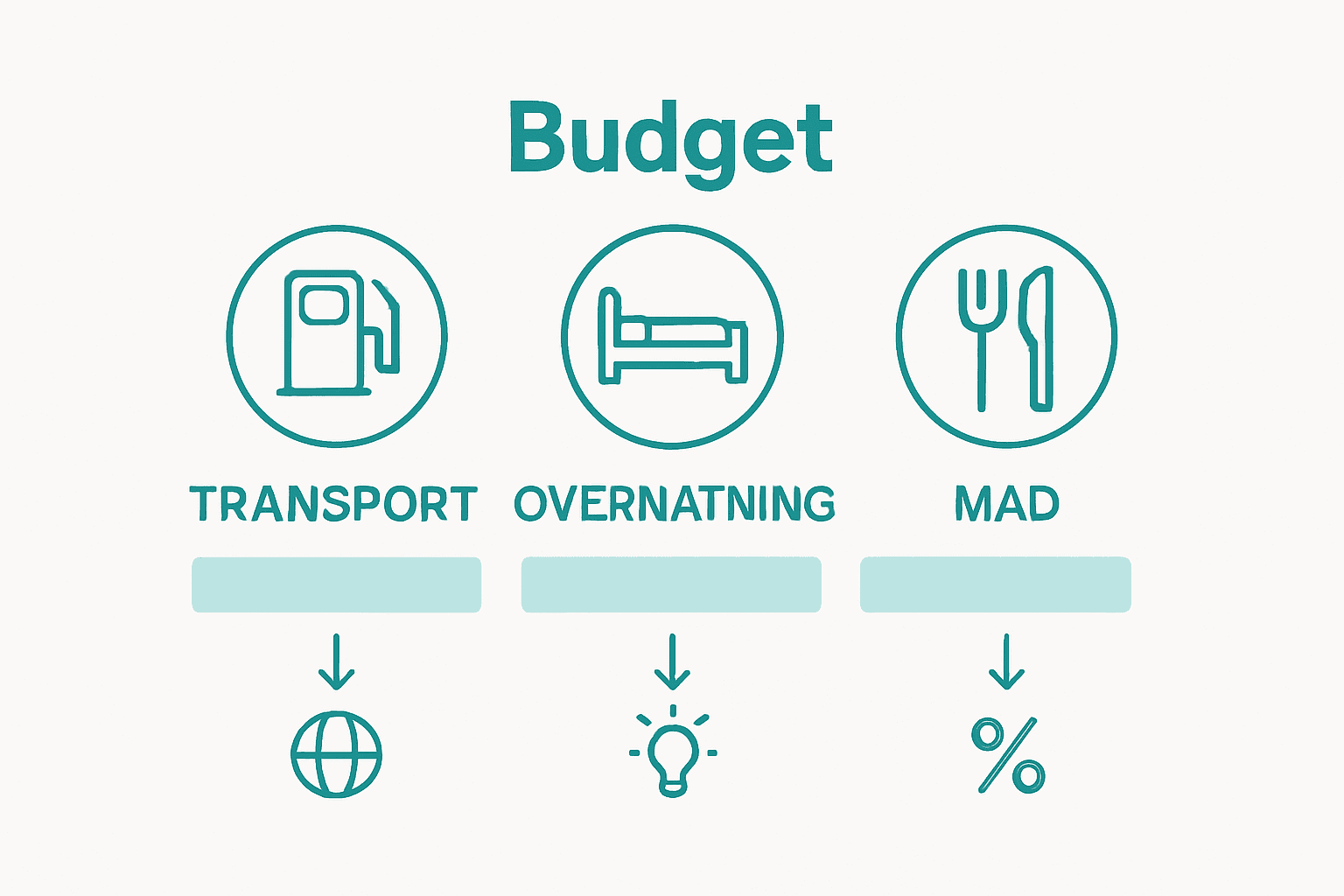
When it comes to scheduling, it is recommended to allocate at least one week to explore the country. This allows you to experience different regions without feeling stressed. Plan 2-3 days in each main destination and include flexibility for spontaneous discoveries. Be aware of seasonal differences in opening hours and tourism patterns that may affect your travel plans.
Pro tip: Use digital budget planning tools and spreadsheets to accurately track and categorize your expected travel expenses, helping you keep track of your finances along the way.
The overview below shows a typical budget for a week on a road trip in Denmark with tips to keep expenses down:
| Expense category | Price interval per week | Spare tip |
|---|---|---|
| Transport | 1200-2000 kr | Compare car rentals, use the train |
| Accommodation | 1200-3200 kr | Choose camping or B&B |
| angry | 900-1600 kr | Shopping and picnic |
| Attractions | 400-900 kr | Discount card, free museums |
| Diverse | 300-500 kr | Create buffer for unforeseen |
Step 3: Book accommodation and transportation
The booking of accommodation and transportation itself is a crucial phase in preparing for your Danish road trip. It's about ensuring convenience and flexibility throughout the entire journey.
When it comes to transportation, it is recommended to explore the various options for public transportation in DenmarkConsider combining car rental with public transportation. A car provides you with maximum freedom to explore less accessible areas, while trains and buses can be practical between larger cities. Compare prices from different providers and book well in advance to secure the best prices.
It is recommended to vary between different accommodation options for overnight stays. From cozy bed and breakfast places to campgrounds and hotels, you can find accommodation that suits your style and budget. Check booking platforms, read reviews, and pay attention to the location in relation to your planned routes. Pay particular attention to the booking conditions regarding cancellations and any seasonal price fluctuations.
Pro tip: Collect all your booking confirmations digitally in a folder or app so you can easily access them along the way and have a complete overview of your travel logistics details.
Step 4: Pack the bag with essentials
A well-planned road trip through Denmark requires careful preparation of the necessary belongings. The contents of your car can be crucial for the comfort of your trip and unexpected situations.
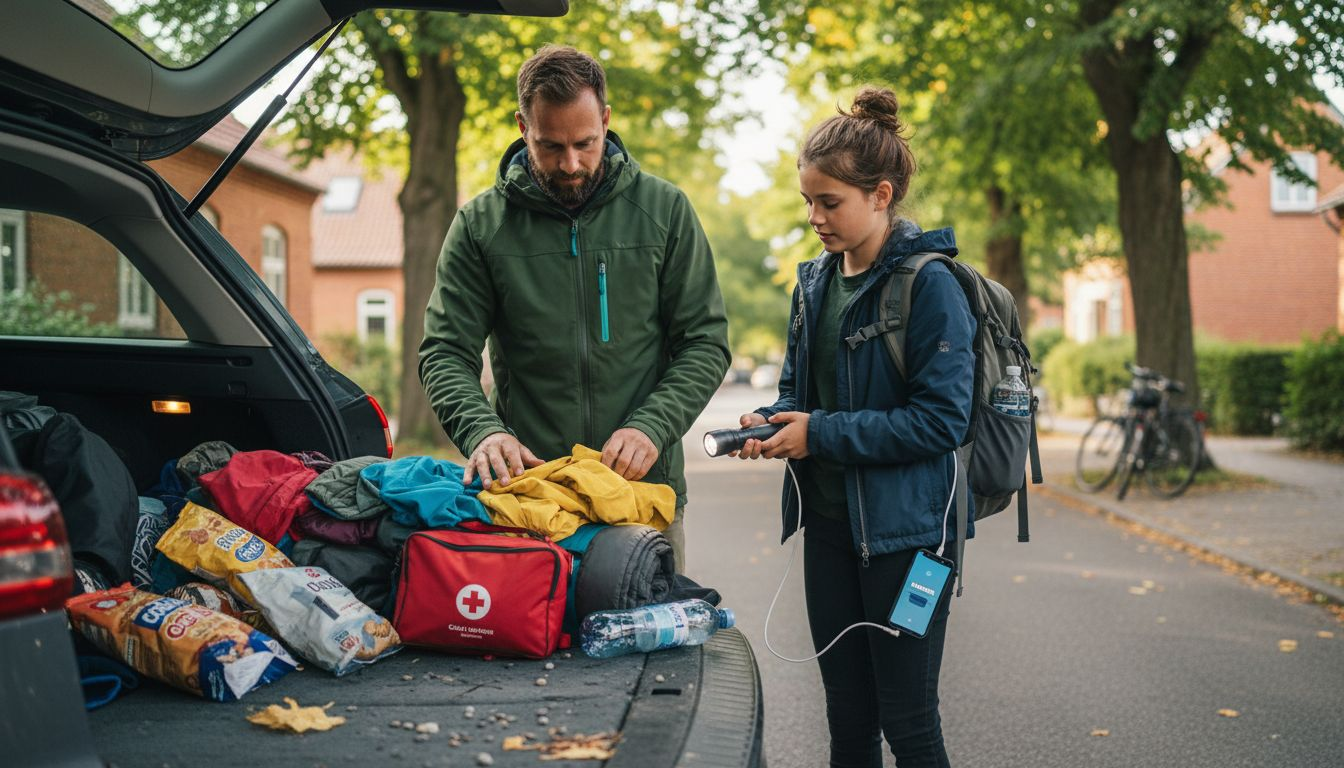
Before departure, you should be familiar with The most important Danish traffic and driving rules, which can affect your packing. Bring a first aid kit, roadside assistance equipment, spare tire, charger for electronic devices, maps or GPS navigator, and an extra water bottle. Packing strategically means evenly distributing the weight in the car for optimal driving stability.
Bring different layers of clothing, as the Danish weather can be changeable. Practical things like an extra pair of socks, a light raincoat, sunglasses, and a thin jacket can save the day. Also remember various documents such as your driver's license, insurance papers, roadside assistance card, and a copy of your planned route.
Pro tip: Keep important documents in a waterproof folder and place it within easy reach in the car so you can quickly find them if needed.
Step 5: Check the route and safety before starting
Before you get behind the wheel for your Danish road trip, it is essential to review all safety and practical details. This step is about preparing yourself thoroughly and preventing potential challenges along the way.
Bridge The practical checklist for a day trip in Denmark Some inspiration for your preparation. Thoroughly check the car's technical condition by inspecting tire pressure, oil level, coolant, and other fluids. Make sure to have a valid roadside assistance card and contact information for your insurance company. Update your GPS or bring physical maps of the route and mark any alternative routes in case of roadwork or traffic challenges.
Review the main safety precautions before departure. Check the weather forecast for your planned route, pack an emergency kit with first aid supplies, extra water, energy snacks, and a complete charging kit for electronic devices. Tell family or friends about your exact route and expected arrival times as an extra safety measure.
Pro tip: Create a digital folder with all important documents such as your driver's license, insurance papers, and travel plans, so you can easily access them via your smartphone, even without an internet connection.
Make your Danish road trip unforgettable with Travel in Denmark
Planning a road trip in Denmark can be overwhelming when it comes to route selection, budgeting, and bookings. The article helps you get started with practical steps, but we know how important it is to find the right experiences that match your interests and timeframe. Are you lacking inspiration for exciting destinations when planning your 3-5 main stops or do you want an easy way to visualize and optimize your route without wasting time?
Hos Travel in Denmark Find a wide selection of experiences for all tastes and budgets in one place. This makes it easy to get an overview and tailor your road trip exactly to your wishes. By combining our interactive map and filters, you can quickly find unique attractions from scenic national parks to cultural gems. You can also read about prices and opening hours to make your planning safe and efficient. Don't let uncertainty about accommodation or transportation hold you back. Download all information digitally and have it right at your fingertips on your phone.
Start your dream trip right now and avoid stress. Visit Rejs i Danmark and get all the help you need to create a successful and memorable road trip in Denmark.
Frequently Asked Questions
How do I choose the best route for my road trip in Denmark?
When choosing a route, you should consider your interests, such as nature, culture, or city life. Plan a route with 3-5 main destinations, each 2-3 hours apart by car, to maximize the experience.
What should I consider in my travel budget for a road trip in Denmark?
When you make a budget, you should include transportation, accommodation, food, and attractions. A typical weekly budget will vary between 4,000 and 8,000 kroner per person, so plan carefully and set aside a buffer for unforeseen expenses.
How do I book accommodation and transportation for my road trip?
Compare prices for rental cars and public transportation to get the best combination of flexibility. Use booking platforms to find suitable accommodation options and check reviews to ensure your choice is reliable.
What essentials should I pack for a road trip in Denmark?
It is important to pack a first aid kit, roadside assistance equipment, and enough water. Also check the weather forecast and bring versatile clothing for the changeable Danish weather.
How can I ensure that the car is ready for the road trip?
Before you leave, you should inspect the car's technical condition, including tire pressure and fluid levels. Make sure to have a valid roadside assistance card and update your GPS with your planned route.
What should I do if I experience problems along the way?
Prepare an emergency kit with first aid supplies and snacks so you are equipped for unexpected situations. Tell someone about your route and expected arrival times for extra security.
Recommendation
- Checklist for Denmark trip: Plan your perfect adventure – Travel in Denmark
- How to plan your trip to Denmark: Your complete guide – Travel in Denmark
- Practical checklist for a day trip in Denmark: Plan for success – Travel in Denmark
- Trinvis plan for summer vacation Denmark: Get the perfect holiday – Travel in Denmark