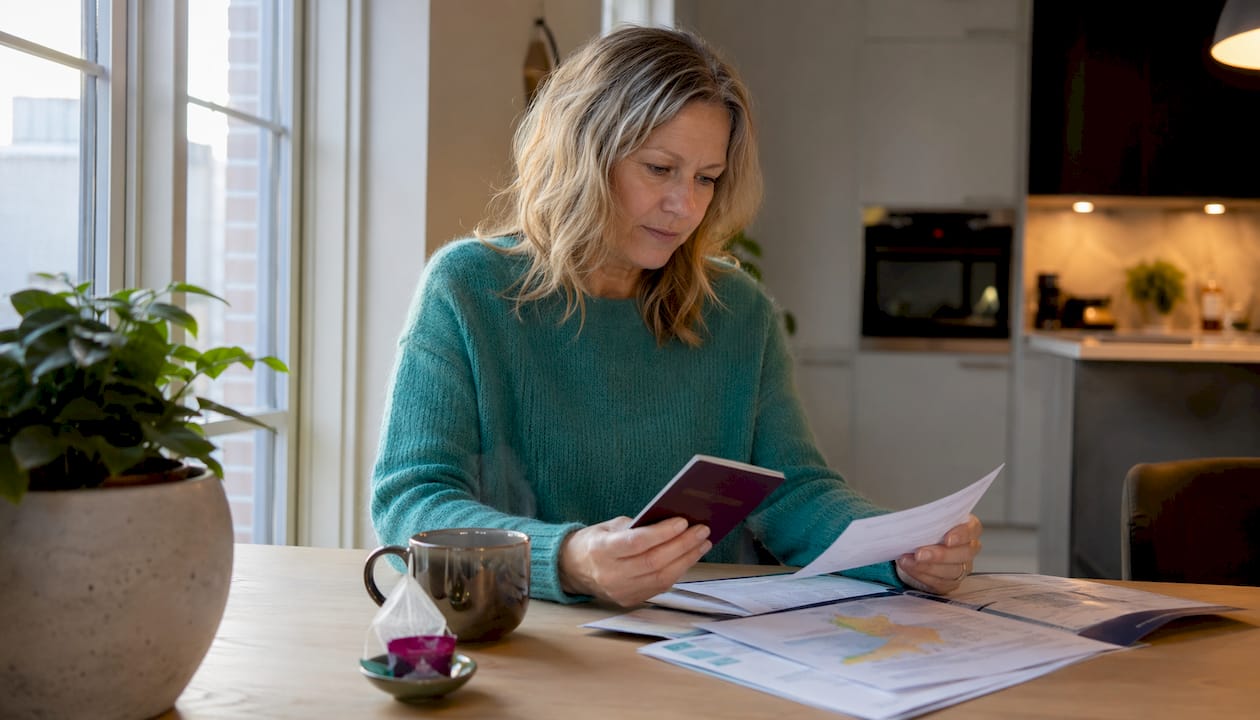
Check your travel document, travel insurance, and local regulations before traveling to Denmark. It is the first and most important step, whether you are Danish, an EU citizen, or traveling from a third country. The Ministry of Foreign Affairs emphasizes, and that you are responsible for valid documents and for knowing the local rules well in advance of departure.
Five things you do before you pack:
- Documents: Passport, national ID card, or driver's license depending on citizenship
- Insurance: Sign up for travel insurance that covers repatriation and emergency treatment
- Payment: Bring an international Visa or Mastercard card
- Digital security Install a VPN app for use on public networks
- Emergency numbers: Gem 112 (emergency) and 114 (police, non-emergency) on the phone
Professional tip: Keep a copy of your passport and insurance policy both offline on your phone and in a secure cloud service like Google Drive or iCloud. So you're covered, even if the phone disappears.
What travel documents do you need to bring to Denmark?
Nordic citizens You can travel within the Nordic countries with a driver's license or other photo ID, but the police still recommend bringing a passport, especially when traveling with children. EU and EEA citizens must have a valid passport or national ID card. Third-country nationals must always carry their passport.
As a visa-free guest, you may stay in the Schengen area for up to 90 days within any 180-day period/visa-free visit/?anchor=7AE6F57AB5784B20BEE028BB58B3CC23). The passport should typically be no more than 10 years old and valid for at least 3 months beyond your planned return date. As a general guideline for sufficient funds, approximately applies. 350–500 kr. pr. 24 hours.
Documents you should pack:
- Valid passport (always recommended, even for Nordic citizens)
- National ID card (EU/EEA citizens)
- Copy of visa or residence permit, if applicable
- Travel insurance policy (physical copy and digital)
- Contact information for your embassy in Denmark
Practical checklist before departure:
- Check the passport's expiration date and age (maximum 10 years)
- Confirm visa requirements via New in Denmark/Private visit and tourist visit
- Scan all documents and save them securely
- Check if your country requires a visa for Denmark
| Citizenship | Required document | Is a visa necessary? |
|---|---|---|
| Nordic | Driver's license or driving license | No |
| EU/EEA | Passport or national ID card | No |
| Third countries (visa-free) | Valid passport | No (maximum 90 days) |
| Third countries (visa required) | Valid passport + visa | Yes |
Professional tip: Always check passport validity at least 6 months before departure. Many travelers discover too late that their passport expires within the recommended limit.
What should you know about health, insurance, and medicine?
Sign up for a travel insurance that covers emergency treatment and repatriation. If you are applying for a visa to Denmark, the minimum coverage is typically 30,000 euros/private visit and tourist visit) and the insurance must cover the entire stay period.

EU citizens can use the European Health Insurance Card (EHIC) for treatment at public hospitals in Denmark under the same conditions as Danes. The card does not replace travel insurance, as it does not cover repatriation or private treatment.
Practical advice on medicine and health:
- Bring prescription medication in its original packaging with a doctor's prescription
- Have a medical certificate in English if a check is needed at the border
- Pharmacists in Denmark are open on weekdays; larger cities have 24-hour pharmacies.
- Call 1813 for emergency medical assistance outside of general practice hours (Region Hovedstaden)
- Call 112 in life-threatening situations
Step by step in case of illness during the stay:
- Contact your travel insurance for guidance
- Find the nearest doctor on call or emergency room
- Collect all receipts for treatment for insurance claims
- Contact your embassy in serious situations
How do you pay in Denmark, and what about tips?
Denmark is almost cashless. Most places accept Visa and Mastercard, and contactless payment is standard. MobilePay is frequently used for small payments but requires a Danish phone number and a Danish bank account, so international guests can rarely use it. Bring an international payment card with low foreign transaction fees, such as a Revolut or Wise card.
Tips are not mandatory in Denmark. Service is typically included in the price, and it is completely normal not to give extra. If you go above and beyond or give 10–15% for exceptional service, it is appreciated, but never expect it as a requirement.
Professional tip: ATMs (the ATM and the Savings Bank) are found in most towns, but fees vary. Check your home country's bank fee structure before withdrawing cash. For currency exchange, you can compare rates through services such as Valiuta24 to avoid bad exchange rates.
How to easily get around Denmark
Public transportation and cycling are the two easiest ways to get around. Tog and regional buses connect the major cities efficiently, while the bicycle is the natural solution in the cities. Rejse Danmark Guide to local transportation for a step-by-step overview
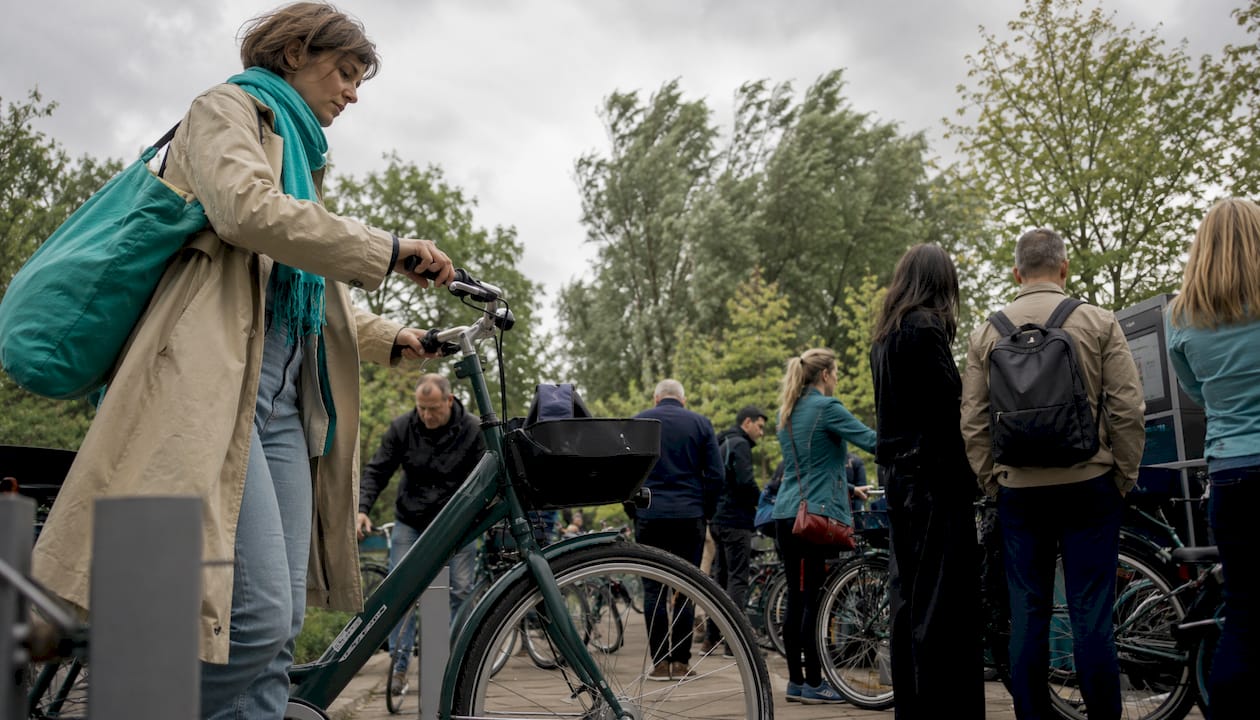
The Rejsekort is the most flexible travel card for public transportation and can be used on trains, metro, buses, and light rail. Buy it at larger stations or online. Driving is on the right side, and speed limits are 50 km/h in towns, 80 km/h on country roads, and 130 km/h on motorways.
Transportation options and practical details
- Tog: DSB and Arriva cover most of the country; tickets can be purchased via the DSB app or at ticket machines.
- Bus and metro: Movia (Zealand), Midttrafik (Jutland), and the Metro Company (Copenhagen)
- Bike: Dedicated bike lanes in all major cities; lights and locks are mandatory
- Car rental: Valid driver's license required; international driver's license recommended outside the EU
| Transport form | Typical travel time (Copenhagen–Aarhus) | Note |
|---|---|---|
| Tog (IC) | about 3 hours | Travel card or ticket |
| Bill | about 3 hours | Highway, bridge toll |
| fly | — | Only for direct connections |
What should you expect regarding accommodation in Denmark?
Check the check-in and check-out times, payment methods, and house rules before you arrive. It applies regardless of whether you stay in a hotel, a summer house, or through private rental. Summer houses are typically rented from Saturday to Saturday during the high season, and Sol og Strand is one of the larger brokers of holiday homes in Denmark.
A deposit is standard for summer house and private rentals. Cleaning rules vary: some places expect end-of-lease cleaning, while others include it in the price. Always ask the landlord before you arrive.
Practical advice on accommodation:
- Save the host's contact information and payment receipt
- Check the house rules for noise, smoking, and pets
- Waste sorting is mandatory in Denmark; ask the host about local arrangements.
- Key delivery typically occurs through personal handover or via a key box.
- Check if your travel insurance covers damages to the rental property
Professional tip: Take photos of the apartment upon arrival and document any damages before unpacking. It saves discussions about the deposit upon departure.
What do you do in an emergency in Denmark?
ring 112 In case of emergency: police, ambulance, and fire department. The number is free and works from all phones, even without a SIM card. Used for non-urgent inquiries to the police 114.
Important emergency numbers in Denmark:
112 — Emergency (police, ambulance, fire services)
114 — Police, non-urgent inquiries
1813 — Medical Emergency Service (Region Hovedstaden, outside general practice)
70 20 12 01 — Ministry of Foreign Affairs Citizens' Service (Travelers in Emergency)
Sir, you say not, you should contact your embassy or your consulate in Denmark and then report the loss to the police. The Ministry of Foreign Affairs' travel advisories contain contact information for Danish representations abroad and foreign embassies in Denmark.
What you do in case of theft or accident:
- Ensure your immediate safety
- Call 112 in case of emergency or 114 in case of theft
- Contact your travel insurance and report the damage
- Contact your embassy if your passport is lost
- Property police report for insurance claim
The Danish Emergency Management Agency continuously publishes updated advice on preparedness and safety for citizens and travelers in Denmark.
How do you protect your data and find a stable connection?
Public Wi-Fi networks should be considered unsafe. Borger.dk recommends Always use VPN on public connections and secure your own networks with WPA2 or WPA3 encryption.
Husk: Even a network with a password at a café or a hotel is a public network. A VPN encrypts your traffic so that other users on the same network cannot eavesdrop on your data.
International travelers have three real options for data connection: roaming with their own subscription (check prices before departure), purchasing a Danish prepaid SIM card, or activating an eSIM. eSIM is the easiest solution for most modern smartphones and can be activated digitally before you travel.
Practical safety measures
- Always use a VPN on public networks (hotels, cafes, airports).
- Turn off automatic Wi-Fi connection on the phone
- Activate two-factor authentication on important accounts
- Delete unnecessary sensitive data from devices before the trip
Professional tip: Authorities can inspect digital devices in certain cases at border crossings If you are traveling with particularly sensitive data, you should consider turning off the device at the border control.
How do you behave responsibly in Danish nature and culture?
Follow local instructions, avoid disturbing nature and private property, and respect local customs. It's not just politeness; it's a prerequisite for maintaining access to Denmark's natural areas for everyone.
Waste sorting is mandatory and taken seriously. Campfires are only allowed in designated fire pits, and during dry periods, there may be a complete ban on fires. Tap water in Denmark is safe to drink everywhere, so you don't need to buy bottled water.
Practical rules and cultural codes:
- Sort waste correctly: paper, plastic, glass, food, and residual waste in separate containers
- Respect access restrictions in nature reserves and private beaches
- Keep the noise level low, especially in residential areas after 10:00 PM.
- Punctuality is a Danish virtue: arrive at the agreed time
- Dogs must be kept on a leash in most natural areas from April 1st to September 30th.
Professional tip: Check the local tourist offices' guidelines for special rules in national parks such as Thy or the Wadden Sea. The rules vary from area to area.
Where do you find reliable local tourist information in Denmark?
VisitDenmark is the official national tourism organization and continuously publishes updated guides, maps, and practical information on visitdenmark.com. Local tourist centers in larger cities such as Copenhagen, Aarhus, and Odense offer personalized guidance and printed materials. In many places, the staffed centers are supplemented by Unmanned information stand with digital maps and local recommendations.
| By | Tourist Center | Typical opening hours |
|---|---|---|
| Copenhagen | Wonderful Copenhagen | — |
| Aarhus | Visit Aarhus | — |
| Odense | Visit Odense | — |
Digital and local information channels
- VisitDenmark.com: official travel guides and activity calendar
- Municipal tourist centers: local events, short and personalized guidance
- Unmanned stands: available outside opening hours with basic information
- Rejsidanmark.dk: map-based search, seasonal filters, and practical checklists
What planning tools does Rejsidanmark offer?
Rejsidanmark offers guides, checklists, and search tools that make planning concrete and manageable. The card-based search tool allows you to filter experiences by season, price, and age group, so you can quickly find activities that suit your group. Checklists for day trip Longer stays are built around the same practical considerations as this guide covers.
From Rejsidanmark's editorial team: A good Denmark trip starts with three things: the right documents, solid insurance, and knowledge of where to find help. All the other things will fall into place along the way.
What Rejsidanmark offers:
- Short-based search with season and price filters
- Checklists for day trips and multi-day stays
- Destination guides with practical information and estimated prices
- Links to official sources and local partner information
| Subject | What you find on Rejsidanmark | Official source |
|---|---|---|
| Documents and visa | Checklist and links | Politi.dk, Nyidanmark.dk |
| Transport | Step-by-step guide | DSB, Movia |
| Accommodation | Examples and tips | Sun and Beach, Spies |
| Activities | Short films and season guides | Visit Denmark |
A word from the editorial team
Documents, insurance, and digital security are the three areas that most often determine whether a trip goes smoothly or ends with stress and extra costs. Not because Denmark is a difficult country to travel in, on the contrary. But because most problems arise before you even arrive.
The advice that is most often overlooked: check passport validity and insurance coverage on the same day you make the booking. Not the week before departure.
Rejsidanmark makes planning easier for you
Rejsidanmark is not a travel agency. It is a free planning tool that gathers practical information, activity guides, and checklists in one place, so you spend less time searching and more time experiencing. The short filter shows experiences near you, the season filters help you choose the right time, and the checklists ensure you don't forget anything important.
Are you on your way to Denmark for the first time? Start with The guide for first-time visitors, which gathers the most important practical advice on one page. Are you planning a day trip? You will find a clear checklist for day trips that guides you through the preparation in just a few minutes. Both are free and require no registration.
Authoritative sources for fact-checking
Use these official sources to verify the rules and requirements applicable to your specific situation:
Authorities and official guidelines:
- Politi.dk — Travel identification: requirements for passports, driver's licenses, and ID cards when traveling
- Now in Denmark — Visa-free visits/Visa-free visits/?anchor=7AE6F57AB5784B20BEE028BB58B3CC23): residence rules and the 90-day rule
- Ministry of Foreign Affairs — Checklist before the trip: travel advisories and citizen services
- The Board for Social SecurityPreparedness, health, and safety advice
- Borger.dk — Digital Security: Advice on Safe Use of Wireless Networks
Tourist information and planning
- VisitDenmark.com: official national tourist guide with activities and travel inspiration
- Rejsidanmark.dk — Practical travel tipsComprehensive guide with checklists, short filters, and destination guides
This article is general information and does not replace professional legal or medical advice. Always check the current regulations with the relevant authorities for your specific situation.
Recommendation
- Practical travel tips – Things you need to know when traveling in Denmark – Travel in Denmark
- Guide to Denmark: Everything for First-Time Visitors – Travel in Denmark
- Practical checklist for a day trip in Denmark: Plan for success – Travel in Denmark
- 7 practical tips for budget travel in Denmark for everyone – Travel in Denmark