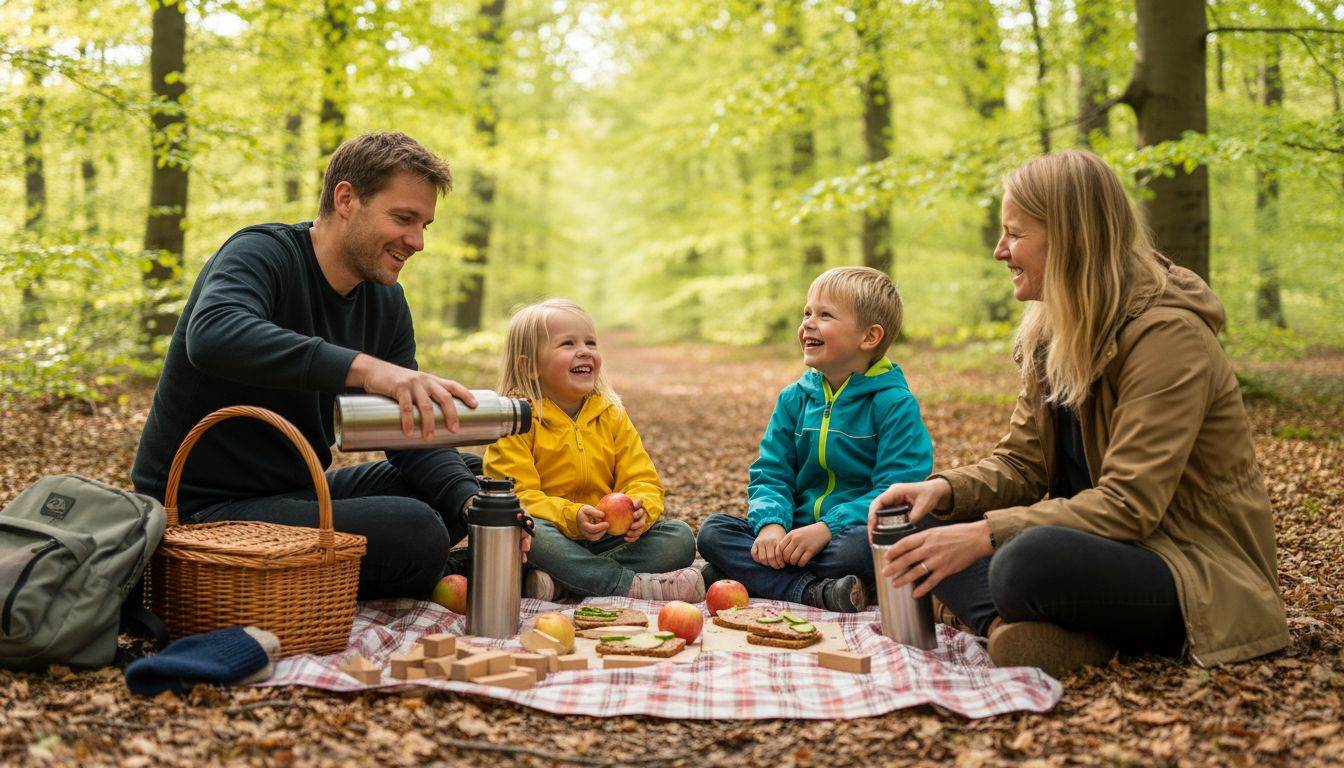
Every family knows the feeling of wanting to create something unique together, without everyday life taking over. When you choose the nature around Central Jutland or the green corners in the cities, it opens up experiences that both strengthen relationships and create joy for both young and old. Shared time in nature not only creates memories but also contributes to increased well-being and stronger bonds among family members Here you get inspiration on how you can make nature experiences an exciting part of the family's life.
What do nature experiences mean for families?
Nature experiences are not just about spending time outdoors, but about creating meaningful connections between family members through shared activities in the beautiful settings of nature. Nature Families Project It has shown how these experiences can strengthen family bonds in completely unique ways.
When families participate in shared outdoor activities, a space for mutual learning and immersion is created. Children learn about ecosystems, plants, and animals, while parents have the opportunity to observe their children's curiosity and excitement. These moments create deep emotional connections that go far beyond ordinary everyday interactions.
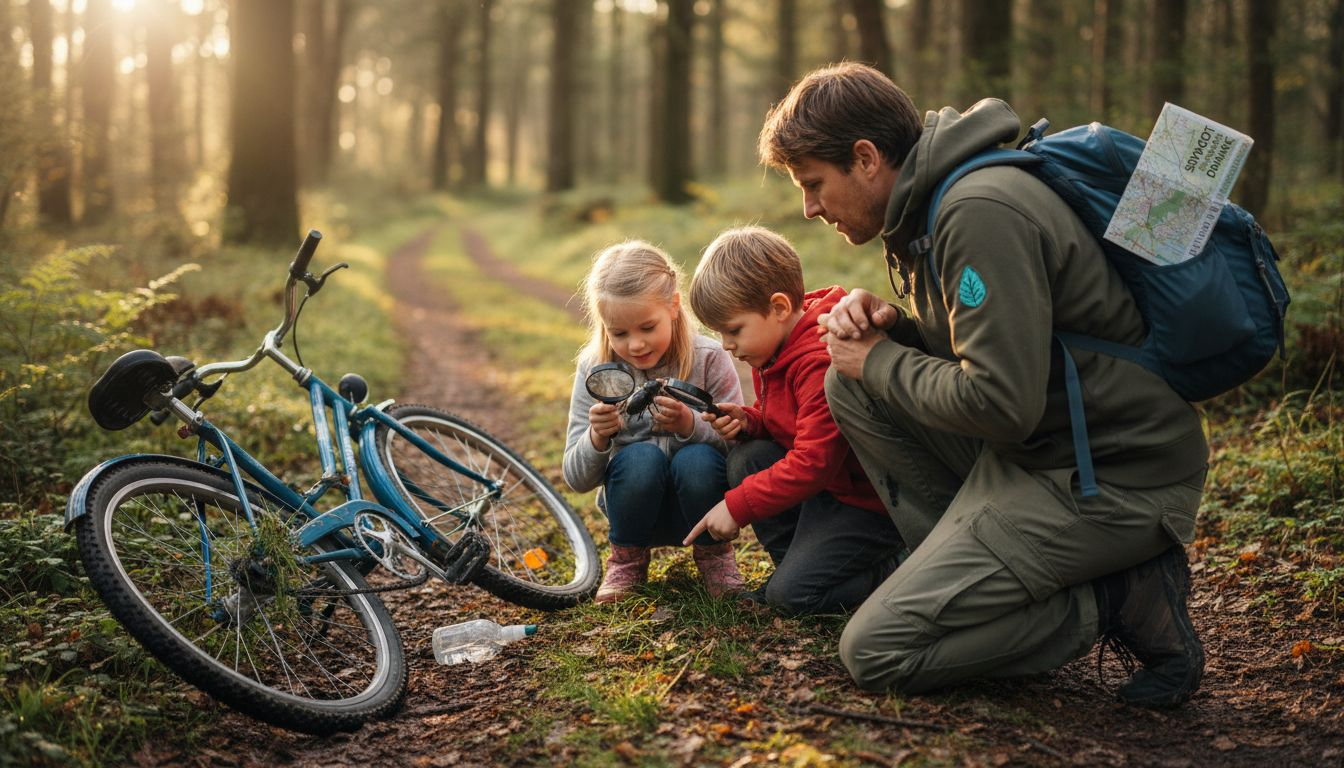
In addition to the emotional benefits, nature experiences also have tangible positive effects on family well-being. It reduces stress, promotes physical activity, and provides an opportunity to disconnect from digital distractions. By sharing time together in nature, family members get to know each other in new ways, which strengthens communication and mutual understanding.
Pro-tip: Plan regular fasting nature days with the family, where you choose different locations and activities to keep the experiences varied and exciting.
The most important types of nature experiences in Denmark
Denmark offers a diverse landscape of natural experiences that cater to the interests and needs of different families. Children's outdoor life and nature experiences shows that there are many exciting ways to explore nature that are both educational and fun for the whole family.
The most important types of nature experiences in Denmark include forest trips, where families can explore the lush forests and experience the rich wildlife. Beach visits are also popular, where children can play in the sand, collect stones and seashells, and explore the marine ecosystem. Hiking in national parks and along the coasts offers the opportunity to experience the majestic landscapes and diverse flora and fauna of Danish nature.
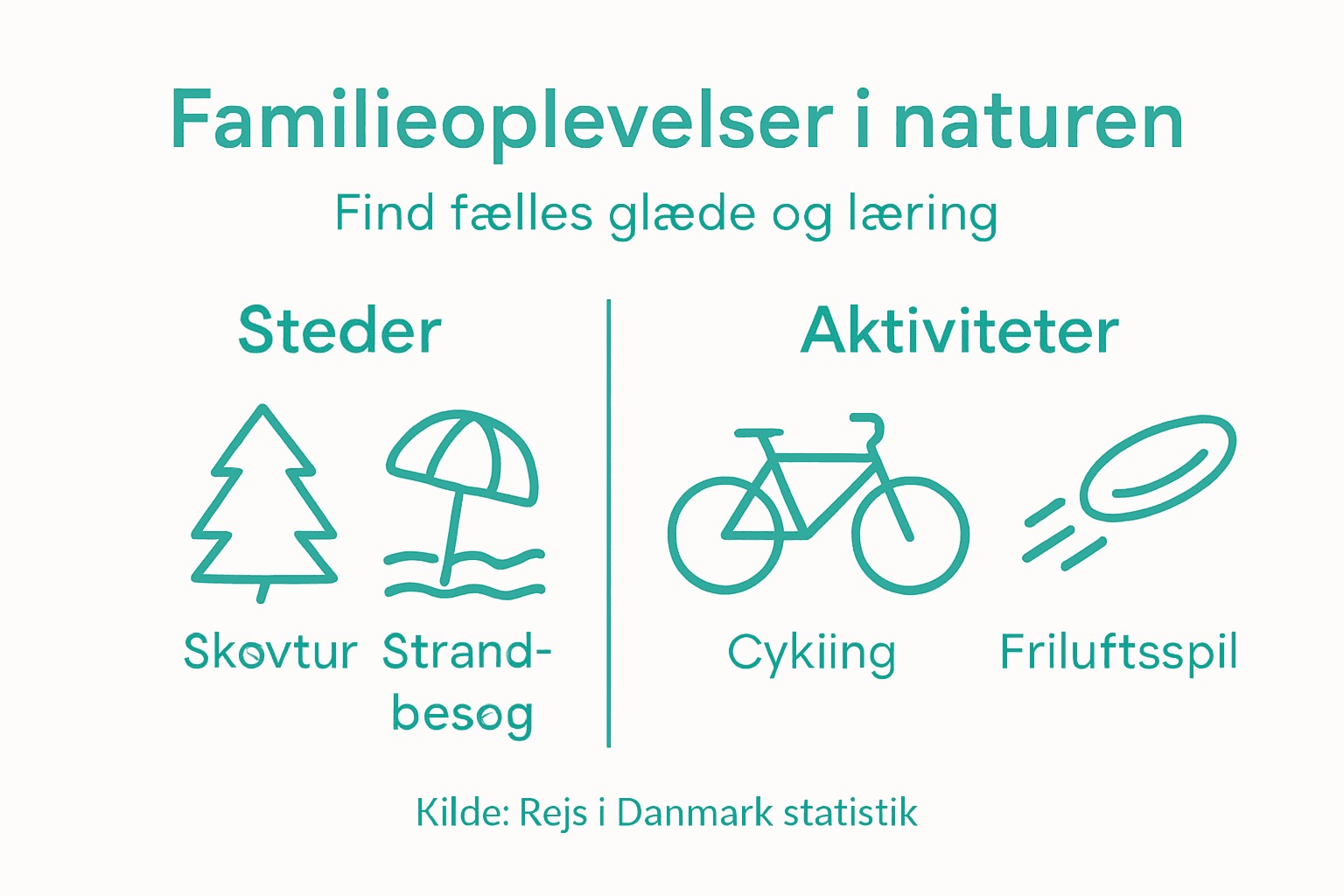
Additionally, Danish cities and rural areas offer numerous green spaces where families can engage in outdoor activities such as cycling, picnics, and nature play. These activities combine physical movement with social experiences, promoting children's motor development and the overall well-being of the family. Whether you live in the city or in the countryside, there is always an opportunity to find exciting nature experiences nearby.
Below is an overview of typical nature experiences for families in Denmark and their unique features:
| Nature experience | Special characteristics | Potential learning for children |
|---|---|---|
| Picnic in the woods | Dense and diverse wildlife | Knowledge of plants and insects |
| Beach visit | Focus on sea and sand | Understanding of marine ecosystems |
| Hiking in parks | Store, open landscapes | Orientation and cooperation |
| Park activities | Close to everyday life | Knowledge about urban nature and biodiversity |
| Cycling/picnic | Focus on movement | Social and motor skills |
Pro-tip: Invest in a good pair of hiking boots and a tourist app, so you can easily explore new natural areas and keep the children engaged along the way.
How nature experiences strengthen health and well-being
Research on children's outdoor activities and nature documents the significant benefits that nature experiences have for families' overall health and well-being. Nature functions as a unique environment that stimulates both physical activity and mental well-being in ways that indoor environments cannot match.
The health benefits of nature experiences are numerous. Children experience improved concentration, reduced stress levels, and strengthened motor development through active exploration of natural environments. Physical activities such as walking, cycling, and playing in green areas promote children's bodily coordination and strengthen the immune system through increased movement and fresh air.
Mental experiences contribute to the family's emotional balance. Nature Families Report shows that shared time in nature can reduce internal conflicts and improve communication among family members. The peaceful surroundings create space for mutual understanding, break down everyday digital barriers, and foster room for genuine togetherness far away from screens and stress.
Below is a comparison of the health and social benefits of nature experiences for families:
| Type of benefit | Example of effect | Typical result for the family |
|---|---|---|
| Physical health | Increased exercise and fresh air | Better immune system and energy levels |
| Mental well-being | Less stress, more peace | Stronger emotional bonds |
| Social cohesion | Shared experiences and dialogue | Better communication and understanding |
| Motor Development | Challenges in uneven terrain | Improved coordination in children |
Pro-tip: Plan weekly family trips in nature, where you turn off electronic devices and focus on shared experiences and sensory impressions.
Practical tips for planning family outings
Educational recommendations from children's outdoor activities emphasize the importance of thorough preparation for family outings. A successful trip requires careful planning that considers the needs and interests of the whole family, as well as ensuring a varied and engaging program.
When planning your trip, it is essential to involve all family members in the decision-making process. The children can suggest destinations or activities, which creates anticipation and increases their engagement. Choose places with various activity options such as hiking trails, playgrounds, or nature centers that can attract both children and adults. The Nature Families project highlights the importance of balancing structured activities with space for spontaneous exploration.
Practical preparation is the key to a pleasant experience. Always bring extra clothes, food, water, first aid supplies, and relevant tools such as maps, compasses, or mobile apps. Pay attention to the weather forecast and choose clothing suitable for the season and the expected activities. Make sure to have time for breaks, play, and relaxation so that the trip does not become too exhausting for the children.
Pro-tip: Create a small travel journal or photo collage after each trip, where you can share and remember your best moments from the nature experience.
Common mistakes and responsibilities in nature
The report on children's natural education Highlights the importance of responsible behavior in nature. The most common mistakes are related to lack of preparation and respect for the natural environment, which can lead to unnecessary disturbances and potential damage to ecosystems.
The primary responsibilities for families in nature include careful waste management, adherence to traffic rules, and considerate behavior towards wildlife. This specifically means avoiding littering, staying on marked trails, and refraining from disturbing or feeding wild animals. Danish Society for Nature Conservation emphasizes that each family's behavior has a direct impact on the preservation of nature.
Education and awareness are crucial for promoting responsible nature behavior. Families should openly discuss the importance of protecting the environment, teach children about the vulnerability of ecosystems, and show practical examples of sustainable behavior. By transforming nature experiences into educational moments, one can enhance children's understanding and respect for nature.
Pro-tip: Create a small "nature detective competition" where children earn points for observing wildlife respectfully and collecting any litter outside the trails.
Strengthen family bonds with nature experiences in Denmark
Nature experiences can be crucial for building stronger family relationships while also providing important physical and mental relaxation from everyday stress. The article highlights how shared time in nature not only enhances children's motor skills and understanding of biodiversity but also fosters better communication and cohesion across generations.
If you want to realize the many positive effects of nature experiences and find the best places to explore nature together, you can Travel in Denmark help you with directions and inspiration. On the page, you will find a comprehensive guide to family-friendly activities and natural attractions with detailed descriptions and practical information. Plan your next excursion with suggestions for varied destinations and remember to use tips such as regular nature days and good hiking boots to get the most out of the experiences.
Take the first step towards more meaningful experiences together by visiting Rejs i Danmark today and discovering how Denmark can be your playground in nature. Make the family stronger – start the adventure now.
Frequently Asked Questions
What are the benefits of nature experiences for families?
Nature experiences strengthen family bonds by promoting communication, reducing stress, and increasing physical activity, leading to better well-being for the whole family.
How can nature experiences help with children's development?
Nature experiences give children the opportunity to learn about nature, improve their motor skills, and strengthen their concentration through active exploration in outdoor settings.
What types of nature experiences can families participate in?
Families can participate in forest trips, beach visits, park walks, city park activities, and cycling/picnics, all offering unique learning opportunities and fun activities.
How can families plan their nature experiences effectively?
It is important to involve all family members in the planning process, choose destinations with varied activities, and prepare practically with equipment such as food, water, and clothing for the weather.
Recommendation
- Benefits of family outings for children and adults – Travel in Denmark
- Benefits of Family Experiences – Strengthen Togetherness and Learning – Travel in Denmark
- 7 inspiring examples of outdoor activities for families – Travel in Denmark
- The role of child-friendly experiences – The value and development of holidays – Travel in Denmark
- چرا خانوادهها جاذبهها را برای خاطرات ماندگار انتخاب میکنند | پرواز آلوها