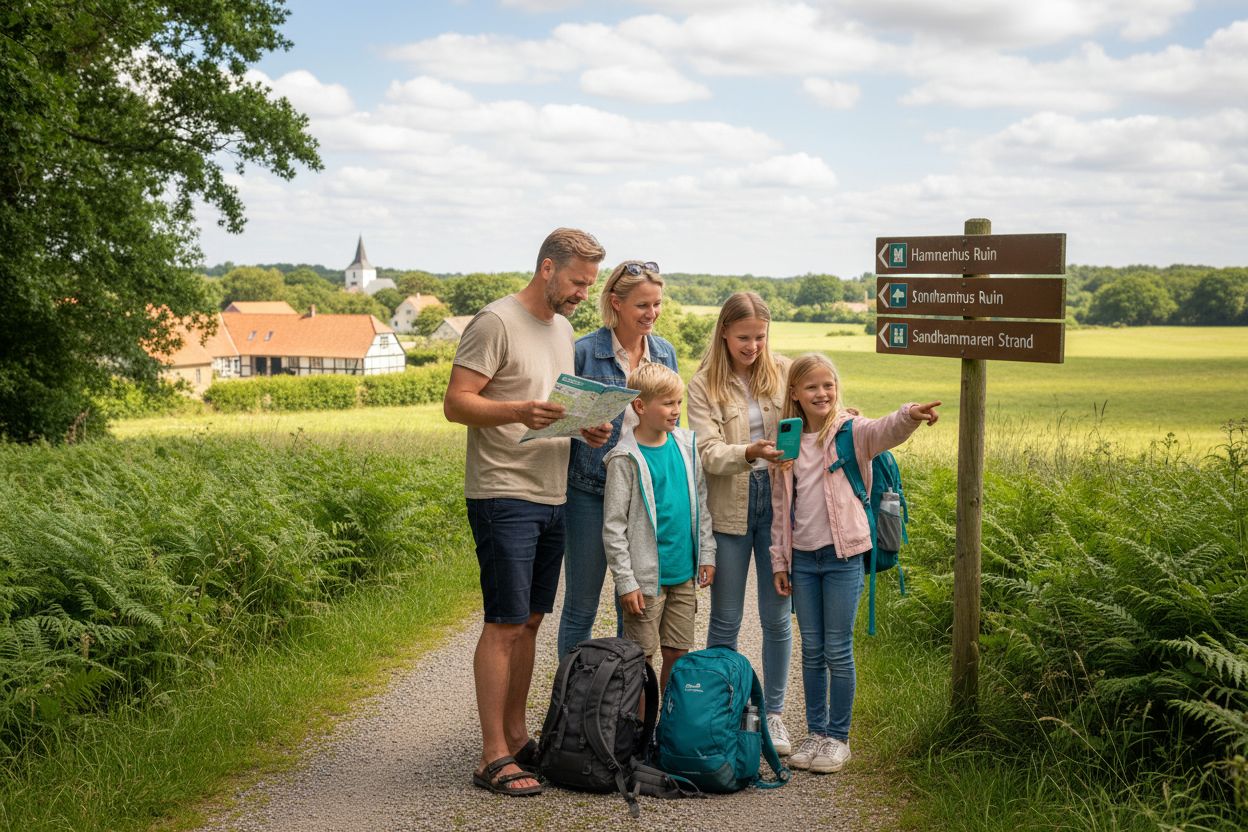
Finding free experiences in Denmark may sound like a challenge, especially when you consider how many attractions usually require a ticket. But surprisingly enough You can easily compile a list of ten or more exciting free activities just by using local tourist offices and libraries.The most surprising thing is that many of the most memorable experiences actually cost you nothing – it's just about knowing where to look.
Step 1: Identify your interests and preferences
When you want to find free experiences in Denmark, your journey begins with understanding your own interests and preferences. This step is crucial because it helps you focus your search on experiences that will truly delight you and your family or friends.
Start with a thorough self-reflection on what truly ignites you. Are you a nature enthusiast, history lover, art nerd, or adventurer? Denmark offers incredibly many free experiences across almost all areas of interest. Map out your interests by making an informal list of activities, places, or themes that pique your curiosity..
An effective method is to divide your interests into broad categories. Consider, for example, interests in nature such as hiking, birdwatching, or visiting the beach. Cultural interests could include historical monuments, museums, art galleries, or local festivals. Our guide to cultural experiences in Denmark can give you further inspiration to explore Danish cultural free offerings.
Be open and creative in your approach. Many free experiences just require a little research and curiosity. Also consider the group dynamics if you are traveling with family or friends. What will the children think about? What suits the needs of the older generation? The more specific you are in your interest mapping, the easier it will be to find the perfect free experiences.
Remember, free experiences don't have to be boring or unsophisticated. Denmark has numerous places and events where you can explore culture, nature, and history without paying a dime. It's about being strategic and prepared in your planning.
Once you have identified your interests, the next step is to start researching specific free activities that match these preferences. Take time for this process, and be open to new opportunities that you might not have considered immediately.
Here is an overview of the five main steps to find free experiences in Denmark, focusing on purpose and important considerations at each step.
| Trin | Purpose | Important considerations |
|---|---|---|
| 1. Identify interests | Focusing search on experiences that delight you | Consider your own and the group's preferences |
| 2. Explore tourist offices/libraries | Gaining local knowledge and insight into free activities | Combine information for a broad overview |
| 3. Use online resources | Finding current and widely advertised opportunities | Follow social media and newsletters |
| 4. Participate in events | Taking advantage of free events and festivals | Check municipal websites and plan well in advance |
| 5. Verify and plan | To ensure feasible and accurate plans | Check requirements, logistics, and create a backup plan |
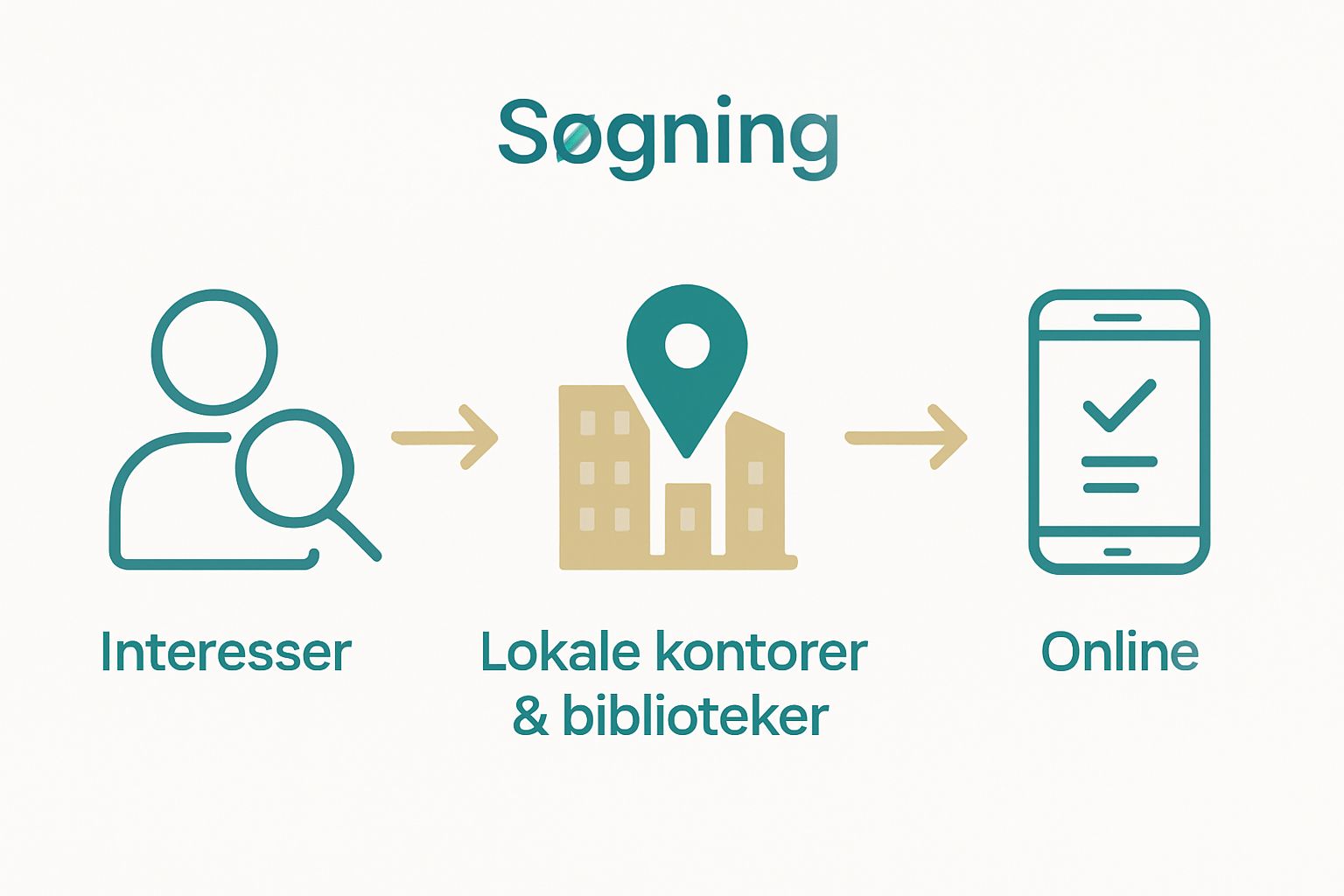
Step 2: Explore local tourist offices and libraries
Local tourist offices and libraries are often overlooked treasures that hide countless free experiences in Denmark. These places serve as central hubs for information, culture, and local activities, which can give you access to amazing free experiences that you might not have known existed.
When you visit a local tourist office, you should approach with an open and curious attitude. Be prepared with a list of your interests and politely and directly ask about free activities.The employees often have insider knowledge about local events, hiking trails, cultural events, and hidden natural gems that are not immediately visible in traditional travel guides. Our guide to museums in Denmark Kan give you further inspiration for cultural experiences.
Danish libraries are much more than just book repositories. They are lively cultural centers that offer a wide range of free activities. Many libraries organize author evenings, art exhibitions, language workshops, children's activities, and even mini-concerts – all at no cost to the audience. Check their websites or call directly to hear about upcoming events.
A smart strategy is to gather information from both places. Tourist offices can give you an overview of the municipality's overall activity offerings, while libraries often have more detailed information about local, nearby experiences. Combine these information sources to create the most comprehensive picture of free activities in the area.
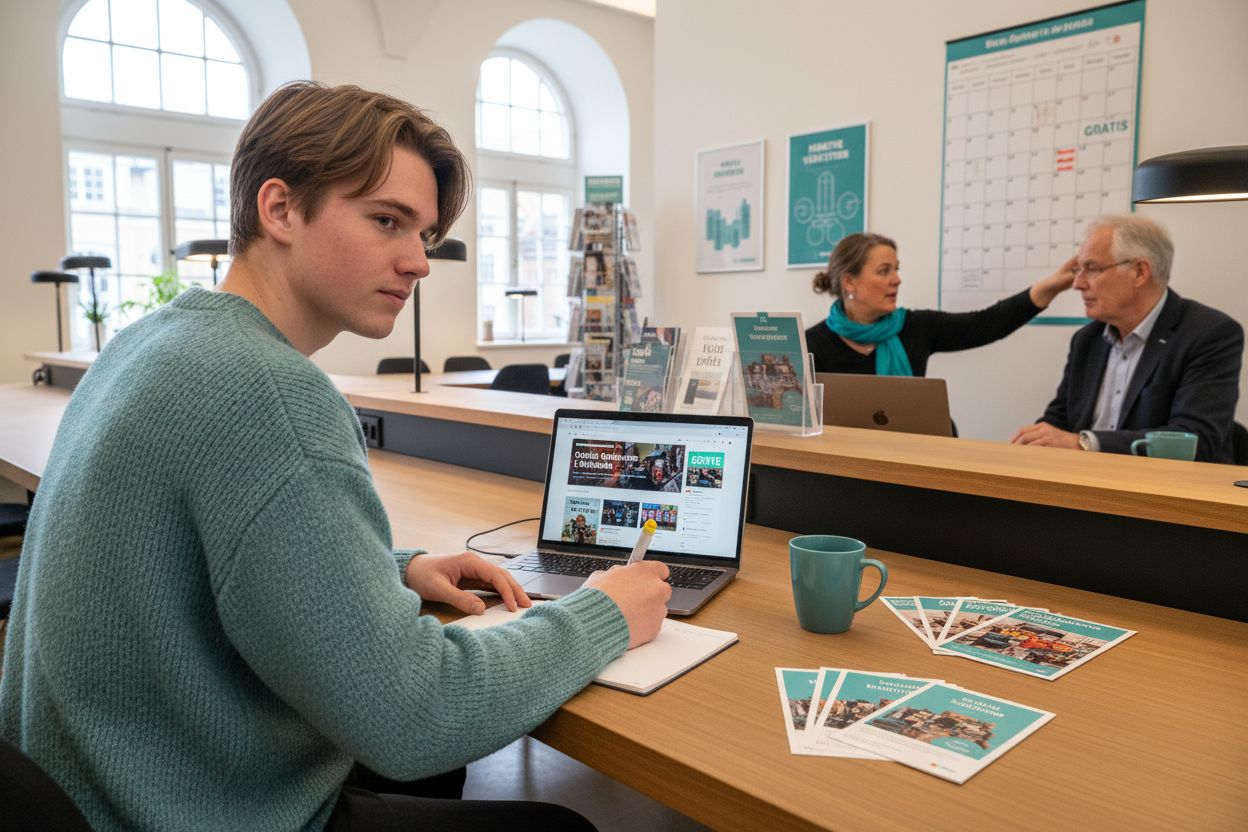
Remember to be flexible and open to unexpected opportunities. Sometimes the most amazing experiences can arise spontaneously, based on a random conversation or a loose hint from a local staff member. Take notes, ask questions, and show genuine interest – it will almost always result in valuable information.
After visiting the tourist office and the library, you should have a concrete list of possible free activities. Evaluate these against your interests from the first step and start planning your next outing. Success means having more interesting opportunities than time to explore them all.
Step 3: Use online resources and social media
Online resources and social media are today indispensable tools for finding free experiences in Denmark. Digital platforms open up a world of opportunities that were previously hard to discover, and give you access to a sea of information about exciting activities at no cost.
Start by creating your profile on relevant social media groups and follow local community pagesFacebook has numerous groups dedicated to free events in Danish cities. Groups like "Gratis Events Danmark" or location-specific event groups can be invaluable. She regularly shares information with local residents and organizers about concerts, exhibitions, walks, and cultural events, which are often completely free.
There are also specialized websites that gather information about free activities. Our guide to budget travel in Denmark can give you further inspiration to find cost-effective experiences. Culture Calendar KulturNaut for example, an excellent resource that systematically collects cultural events across the entire country.
Instagram and Twitter can also be surprisingly effective. Follow local tourism offices, official municipal pages, and cultural institutions. Many museums, parks, and art galleries announce free opening days or special events through these platforms. Use hashtags like #FreeEventDenmark or #DanishCulture to find hidden experiences.
Additional digital strategies include subscribing to newsletters from local municipalities, cultural institutions, and tourism organizations. These often send information about free events directly to your inbox. More libraries and museums also have their own digital platforms where they announce upcoming free events.
Once you have reviewed these online resources, you should have a comprehensive list of potential free experiences. Be systematic in your research: note dates, locations, and any registration requirements. The more prepared you are, the easier it will be to take advantage of these fantastic free opportunities in Denmark.
Step 4: Participate in free events and festivals
Danish festivals and free events offer a fantastic opportunity to experience culture, music, and community without having to pay a single penny. These events are not only entertaining but also provide a unique insight into Danish culture and the spirit of the local community.
Focus on seasonal and municipal events, which often offers free access. The summer months are particularly rich in opportunities, with numerous city festivals, culture days, and music events in almost every Danish town. Our guide to free experiences can give you further inspiration to explore these possibilities.
Be strategic in your research approach. The municipalities' websites, local cultural centers, and libraries regularly advertise free events. Some key examples include neighborhood parties, national culture days like Culture Night, as well as art exhibitions and outdoor concerts. Large cities like Copenhagen and Aarhus have especially many free events, but smaller towns also have charming and authentic events.
Social media and local event calendars are essential for finding these events. Facebook groups dedicated to local events, official municipal pages, and websites like Kultunaut provide continuously updated information. Please note that some events require prior registration, even if they are free, so always check the specific participation conditions.
An important strategy is to plan well in advance. Many festivals and events are announced several months in advance. Note the dates, mark them in your calendar, and prepare to be flexible. Sometimes participating in free events simply requires you to arrive early or register online in advance.
Remember that free events vary greatly in their nature. You can experience everything from classical concerts in city parks, art exhibitions, historical reenactments, food markets, to local craft demonstrations. Be open, curious, and willing to try new experiences. It's not just about saving money, but about exploring Danish culture in an authentic and immediate way.
Step 5: Verify and plan your experiences
Verification and planning are the crucial final steps in your quest for free experiences in Denmark. This step is about transforming your collected information into concrete, actionable plans that ensure a smooth and enjoyable experience.
Create a detailed overview of your selected free activities by gathering all collected information in one place. Use either a digital calendar or a traditional notebook to organize your upcoming experiences. Our guide to holiday planning can give you further inspiration for effective planning.
Verification is not just about the date and time, but also about the practical details. Always check the following aspects: Does the event require prior registration? Are there any limitations on the number of participants? Did the arrangement specify specific access conditions? Some free events, for example, require children to be accompanied by adults or that you bring your own chair or blanket.
Transport is an important element in your planning. Check the exact location of your free experiences and map out the best transportation options. Consider public transportation, bike routes, or parking options. Some events are located in areas with limited infrastructure, so preparation is key to avoiding logistical challenges.
It is recommended to have a backup plan for each activity. Although an event is free, weather, sudden changes, or capacity limitations may affect your participation. Identify alternative activities in the same area so you don't risk being without a plan if your first priority cannot be carried out.
This checklist makes it easy to keep track of the most important planning and verification points, so your free experiences run smoothly.
| Point | Checked (✓/✗) | Notes/Details |
|---|---|---|
| Date and time verified | ||
| Possible registration requirements | Should a reservation be made in advance? | |
| Transport options examined | Public transport, bicycle, or parking? | |
| Access conditions checked | Is an escort required, especially equipment or other? | |
| Backup plan prepared | Alternative activity nearby found? |
With a thoroughly verified and detailed plan, you are now ready to explore the fantastic free experiences Denmark has to offer. Remember, flexibility and preparation go hand in hand. Be open to spontaneous changes and enjoy the journey through the many free cultural and natural experiences awaiting you.
Make free experiences in Denmark even easier with Travel in Denmark
Do you think it's time-consuming to find exciting and free experiences for you and your family? Many experience challenges in navigating between different sources and finding activities that suit their specific interests or age groups. In the article, you have learned the value of research, planning, and keeping an eye on local offers, but it can quickly become overwhelming to keep track of everything from festivals to free museums and nature experiences.
Hos Travel in Denmark We make it easy and straightforward to discover free experiences all over the country. Our platform gathers all options in one place and offers:
- Interactive maps and overviews
- Filtering activities by price, season, and age
- Inspiration for cultural, historical, and nature-based experiences
Save time and avoid the hassle of searching multiple places – start your next journey at Travel in Denmark and try our guide to free experiences as well as our inspiring holiday planner. Find your next free experiences now and enjoy the joy of exploring Denmark without emptying your wallet.
Frequently Asked Questions
How do I identify my interests to find free experiences in Denmark?
Start by making a list of your interests and preferences, such as nature, culture, or history. Think about what truly makes you happy, and use this list as a basis for your search for experiences.
What resources can I use to find free events in Denmark?
Explore local tourist offices and libraries, as these places often have information about free activities nearby. Visit their websites or ask the staff directly for insights into upcoming events.
How do I find free activities online?
Create yourself on social media groups and follow local community pages where users often share information about free events. Search on websites that specialize in cultural events to find relevant activities at no cost.
What should I do to participate in free festivals and events?
Keep an eye on municipal websites and social media to find out when and where free festivals take place. Plan well in advance and be aware of any requirements for pre-registration.
How can I ensure that I have all the information about the free experiences I want to participate in?
Create a detailed overview of your selected activities, including dates, locations, and any registration requirements. Check this information before the event to avoid any misunderstandings.
What should I do if a free event requires prior registration?
Register as early as possible if there is a requirement for pre-registration. It might be a good idea to have a backup plan in case the event becomes fully booked.