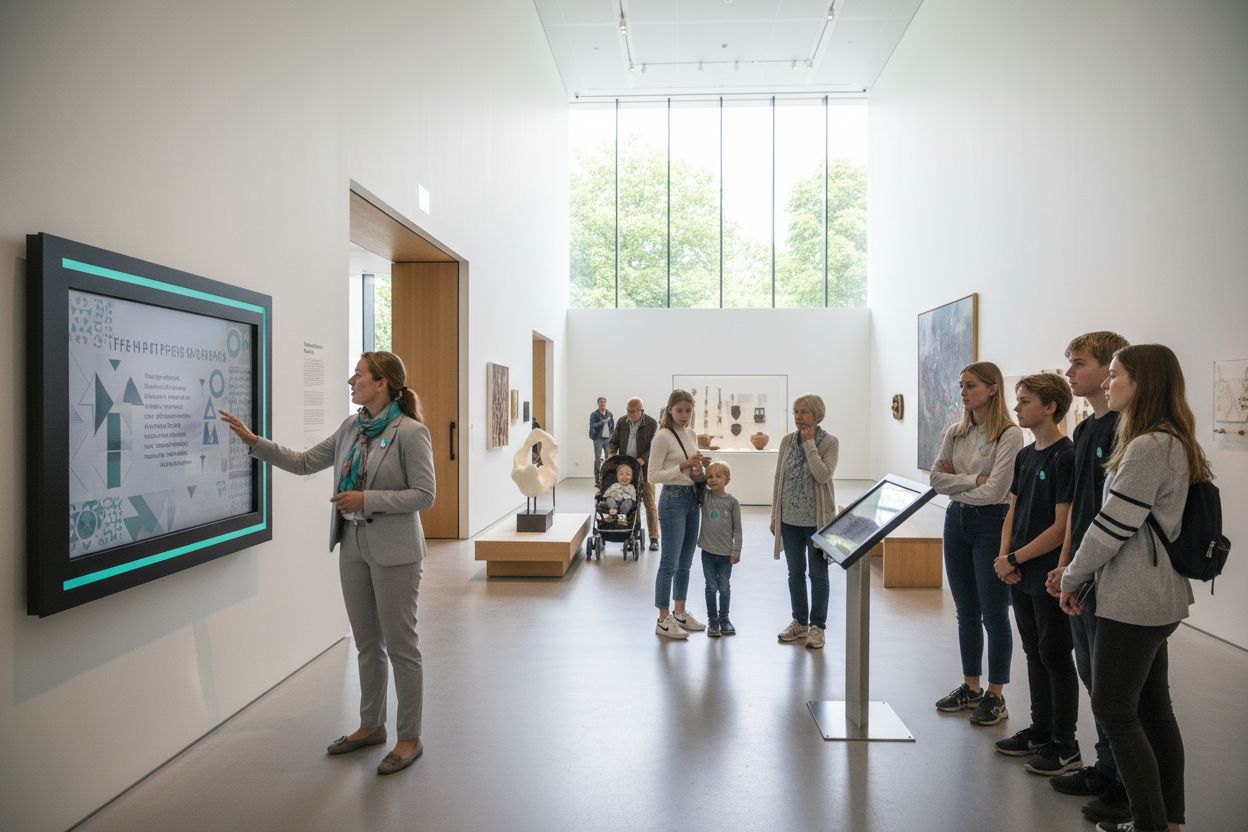
Did you know that a whole was registered 17.5 million museum visits in Denmark in 2024Museums in Denmark have great significance for both cultural heritage and everyday experiences for people of all ages. They range from small local gatherings to large, state-recognized institutions, each with its own unique character and history. Here you get an insight into what makes the Danish museums so unique, and how they continuously develop to inspire new generations.
What characterizes Danish museums?
Danish museums have a unique and rich history that spans over more than a century. According to the Ministry of Culture There are approximately 100 state and officially recognized museums, while hundreds of other museum institutions are operated by individuals, associations, and municipalities. This diversity reflects the deep cultural roots and passion for preservation that characterize the Danish museum environment.
The key functions of Danish museums go far beyond merely displaying objects. They are actively working on cultural heritage communication through four central dimensions: exhibition, research, preservation, and registration. Each museum has its own unique story and focus, creating a diverse and dynamic landscape of cultural experiences. From technical museums to art museums, historical collections, and natural history exhibitions, they offer a window into Denmark's rich cultural and natural heritage.
The interest in Danish museums is remarkably high. Statistics Denmark reports A total of 17.5 million museum visits in 2024 – the highest number in 40 years. This statistic not only highlights the popularity of the museums but also their ability to engage and inspire both Danish citizens and international visitors. Key characteristics of Danish museums include:
- High degree of professional expertise
- Strong focus on research-based communication
- Inclusive and accessible exhibitions
- Deep respect for cultural and historical authenticity
Whether you are interested in technology, art, history, or natural sciences, Danish museums offer a deep and meaningful journey through our shared cultural heritage. Learn more about the role of museums in Denmark to understand how these institutions continuously shape our collective memory and understanding.
The Most Common Museum Types in Denmark
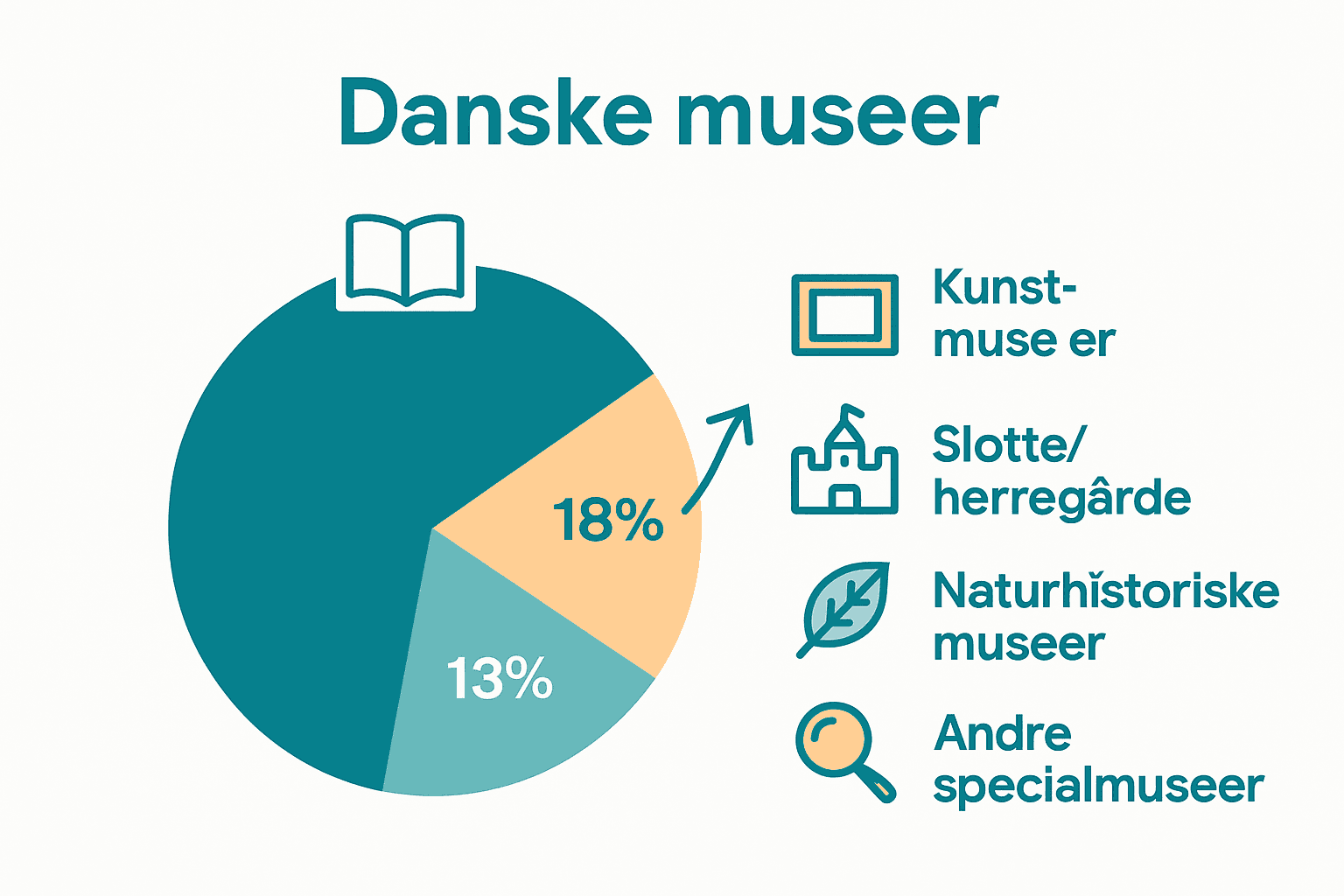
Statistics Denmark Categorizes Danish museums into four primary main types, each with its own unique story and cultural significance. Cultural and historical museums dominates the landscape and attracts the most visitors, where they convey Danish history, social changes, and local traditions through authentic artifacts and lively exhibitions.
art museums constitutes another central category where Danish and international artistic works are presented. Almost 18% of adult Danes visit these institutions annually, highlighting their popularity and importance for cultural education. From classical paintings to modern installations, these museums offer a deep insight into visual creativity and artistic development.
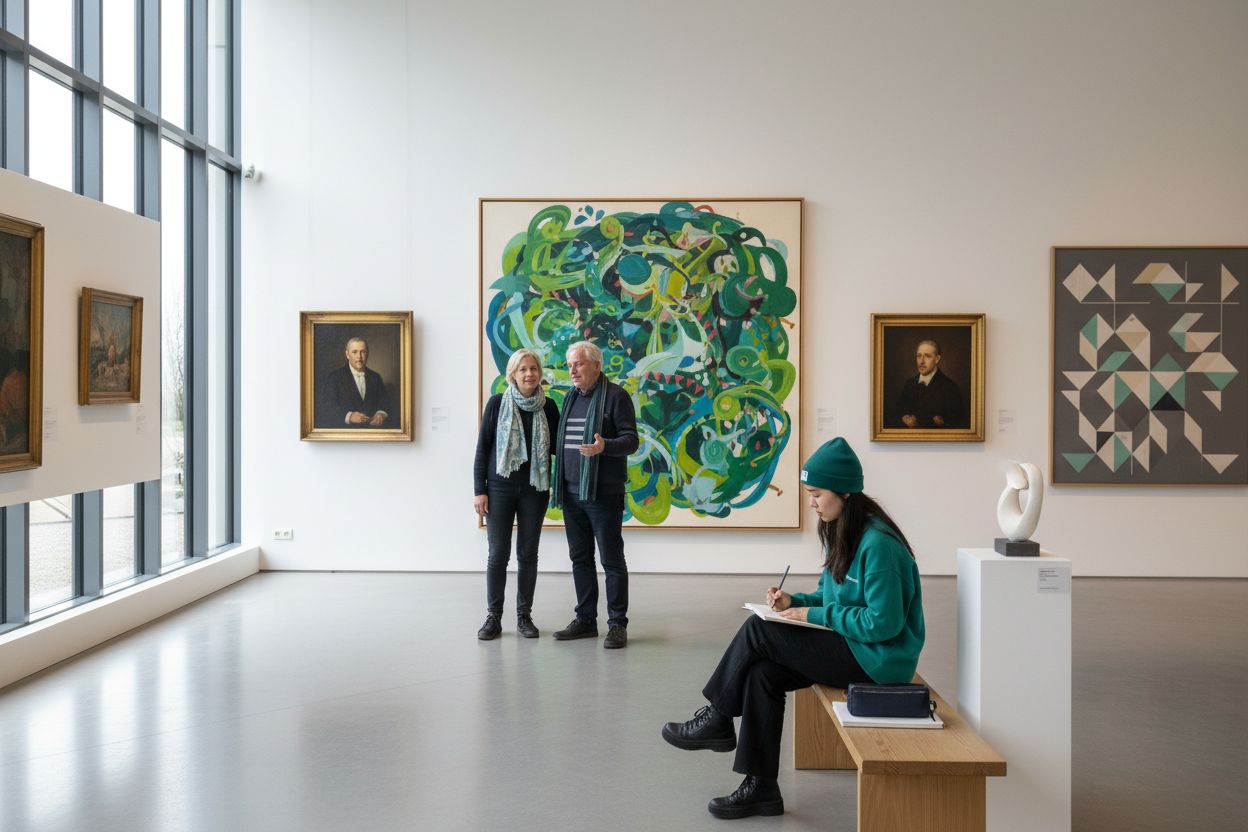
Statistics Denmark reports Additional interesting visitor numbers for the types of museums. In addition to cultural and art museums, the following categories also attract many interested visitors:
- Natural History MuseumsFocusing on biological, geological, and ecological processes (3% visitation share)
- Castles and manorsOffers historical insights into Danish aristocracy and architecture (13% visitation share)
- Other museum-like institutionsIncludes specialized exhibitions and thematic collections (7% of visitors)
No matter what type of museum you choose, offers our guide to Danish museums Practical tips to maximize your museum experience and understand the different exhibition formats.
Here is an overview of the most common types of museums and their characteristics:
| Type of museum | Main focus | Part of the visit | Examples |
|---|---|---|---|
| Cultural and historical museums | Danish history and traditions | Most visitors | The National Museum The Old Town |
| art museums | Paintings, sculpture, installation | 18% | ARoS Louisiana |
| Natural History Museums | Biology, geology, ecology | 3% | National Museum of Natural History |
| Slots & manor houses | Aristocracy, architecture, history | 13% | Rosenborg Castle Frederiksborg Castle |
| Andre special museums | Niche and thematic collections | 7% | The Post Museum Revymuseum |
Special Museums: From Niche to National
Denmark has an exceptional ability to lift nichemuseer to national cultural institutions, where specific stories and passions are allowed to flourish. Design Museum Denmark, established in 1890, is an excellent example of this. The museum started as a small collection of crafts and design, but today it has national significance with its impressive exhibitions of Danish design iconic works by world-renowned creators such as Arne Jacobsen and Kaare Klint.
Some museums cultivate very special stories that still strike a broad chord in Danish cultural understanding. Revymuseum In Copenhagen, this dynamic is perfectly illustrated. Based on a private collection opened in 1993, the museum tells the story of Danish humor and entertainment culture in a way that is both specific and universal. Here, small, seemingly marginal cultural expressions are highlighted and made an important part of our shared national narrative.
These special museums have several common characteristics:
- Deep passion for a specific subject
- High professional communication quality
- Ability to connect the specific with the universal
- Great storytelling joy and historical dedication
Learn more about Danish castles and their museum formats to understand how Denmark understands to communicate cultural heritage through specialized museum experiences that both deepen and expand our historical understanding.
Visit types, Interactivity, and Communication
Museum Mediation In Denmark, there has been a significant transformation from traditional one-way communication to modern, participation-oriented experiences. According to Danish museum studies There are now four primary levels of mediation: receptive, interactive, participatory, and collaborative. These approaches ensure that museum visitors are not just passive recipients, but active participants in the cultural narrative.
Especially young people between 15-29 years old are attracted to interactive exhibition formats, where light, sound, and touch options create a more engaging experience. Studies showThe reasons for visiting museums range from seeking knowledge to pure entertainment. Modern museums deliberately blend different communication formats to create inclusive and meaningful experiences.
The central visiting forms include:
- Receptive communicationTraditional reading and listening
- Interactive communicationDirect user participation through digital and physical media
- Participatory communicationVisitors co-create museum content
- Collaborative mediationJoint curation and knowledge production
Explore our guide to cultural experiences in Denmark to understand how Danish museums constantly renew their communication strategies and create more inclusive cultural spaces.
Practical Considerations: Tickets, Opening Hours, and Rules
Museum admission In Denmark, it is well-defined and structured through a comprehensive regulatory framework. The Danish Agency for Culture and Palaces supervises state-recognized museums and ensures, through the Museum Act, uniform standards for operation, communication, and public accessibility. This creates a consistent and professional landscape for museum experiences across the country.
Statistics Denmark collects detailed data on museum operations, including opening hours, entrance revenue, and visitor numbers. Ticket systems Varies from museum to museum, but many offer attractive options such as:
- Single tickets with full access
- Annual pass with unlimited access
- Group tickets with discount
- Students and senior discounts
- Children under 18 often free admission
Explore our guide to practical transportation easy to plan your museum trip in Danish cities where public transportation makes the museums easily accessible.
Get the Most Out of Your Museum Experience – No Matter Which Type You Choose
When you have read about the many types of Danish museums and their special features, it can feel overwhelming to choose the perfect museum for your next trip. Many experience drowning in opportunities, especially when interactive exhibitions, cultural-historical museums, and unique niche experiences awaken curiosity. The article emphasizes how diverse the museum offerings are in Denmark and how important it is to find experiences that engage children, adults, and culture enthusiasts alike. It can be difficult to match interests, price levels, and geographical preferences when planning.
Hos Travel in Denmark We make it both easy and fun to find museums and cultural sites that exactly match your needs. On our platform, you can
- Filter experiences by museum type, price, or age group
- Get practical tips on transportation, ticket purchasing, and special rules with our guide to Danish museums
- Discover local pearls and unknown museums through our interactive map and inspiration for cultural experiences
Don't let the possibilities create confusion. Take the next step and visit Travel in Denmark today. Here you can quickly plan your next museum experience and make the most of Denmark's diverse cultural life.
Frequently Asked Questions
What characterizes the different types of museums in Denmark?
Danish museums can be categorized into four main types: cultural-historical museums, art museums, natural history museums, and castles/manor houses. Each type has its own unique story and focus, contributing to a diverse experience of Danish culture and history.
What types of visits are available at Danish museums?
Danish museums offer several types of visits, including receptive, interactive, participatory, and collaborative communication. This allows visitors to be active participants in the museum experience rather than just passive observers.
How can I find out the opening hours of the different museums?
The opening hours of Danish museums may vary, but most museums publish their schedules on their official websites. It is recommended to check this information before planning a visit.
Are discounts available for students and children at museums?
Yes, many Danish museums offer various discounts, including student and senior discounts, as well as free admission for children under 18 years old. It can vary from museum to museum, so it's a good idea to check the ticket options on the specific museum's website.