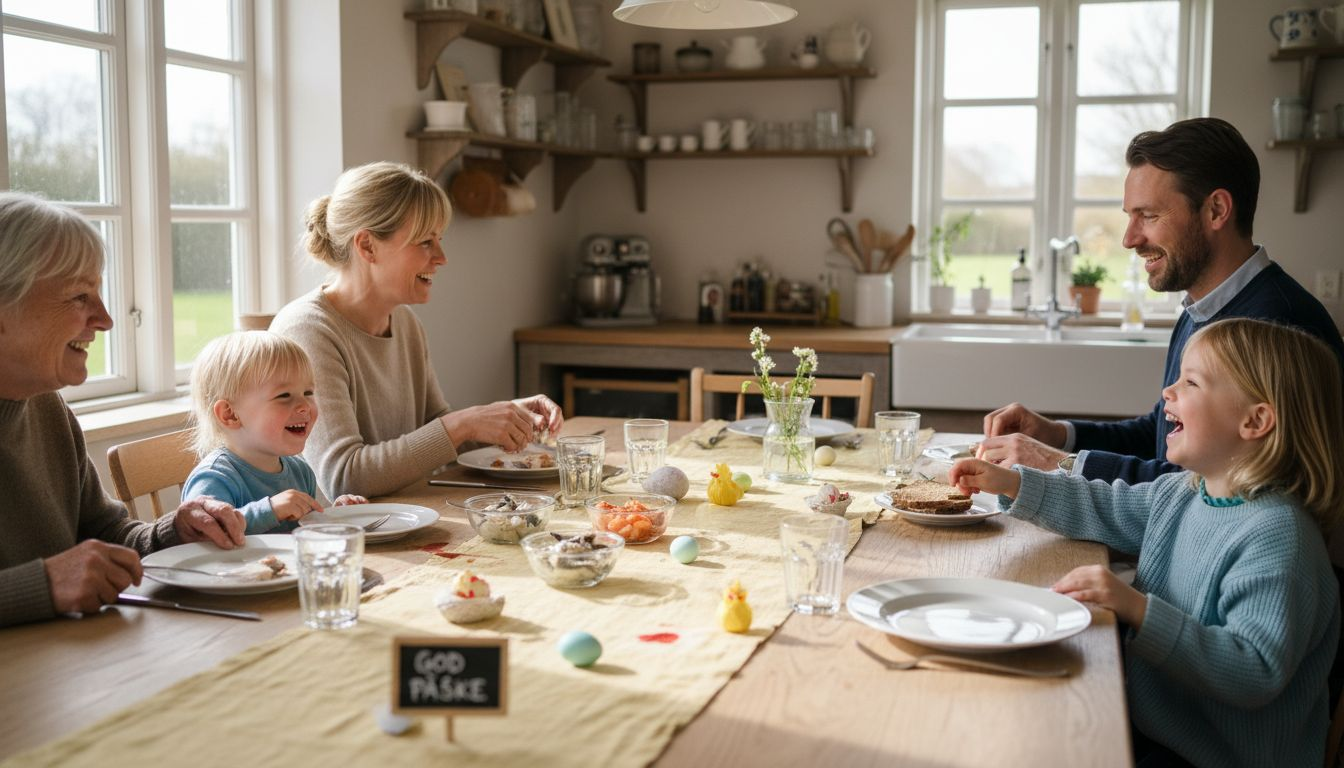
Over 60 percent of German families with children seek authentic experiences when visiting Denmark. For many, the Danish Easter lunch has become a cultural highlight, where local dishes and traditions tell the story of Danish community. When you choose to try classic Easter lunch dishes, your family gains a unique insight into Danish culinary joy and cozy traditions that the whole family can share and take home.
What is a Danish Easter lunch?
A Danish Easter lunch is a traditional and festive event that brings family and friends together for an elaborate meal. This culinary tradition Celebrates the arrival of spring With a wealth of classic Danish dishes, ranging from maritime delicacies to homemade specialties.
The Easter lunch itself is more than just a meal – it is a social institution where generations meet and share food, laughter, and stories. Typical dishes include herring prepared in many different ways, warm meatballs, shrimp salad, eggs, potato salad, and not least the traditional snaps that accompany the meal.
With roots deeply embedded in Danish food culture, the Easter lunch is about much more than just food. It's about community, hygge and to create memories together. Each family has its own traditions and specialties that are passed down from generation to generation.
Professional Tip: Invite the whole family and prepare for a cozy day with lots of good food and even better company.
Classic dishes for the Easter lunch table
And a traditional Danish Easter lunch table is filled with culinary specialties that represent the most important family meal of the year. Classic dishes range from seafood delicacies for homemade specialties with roots deeply embedded in Danish food culture.
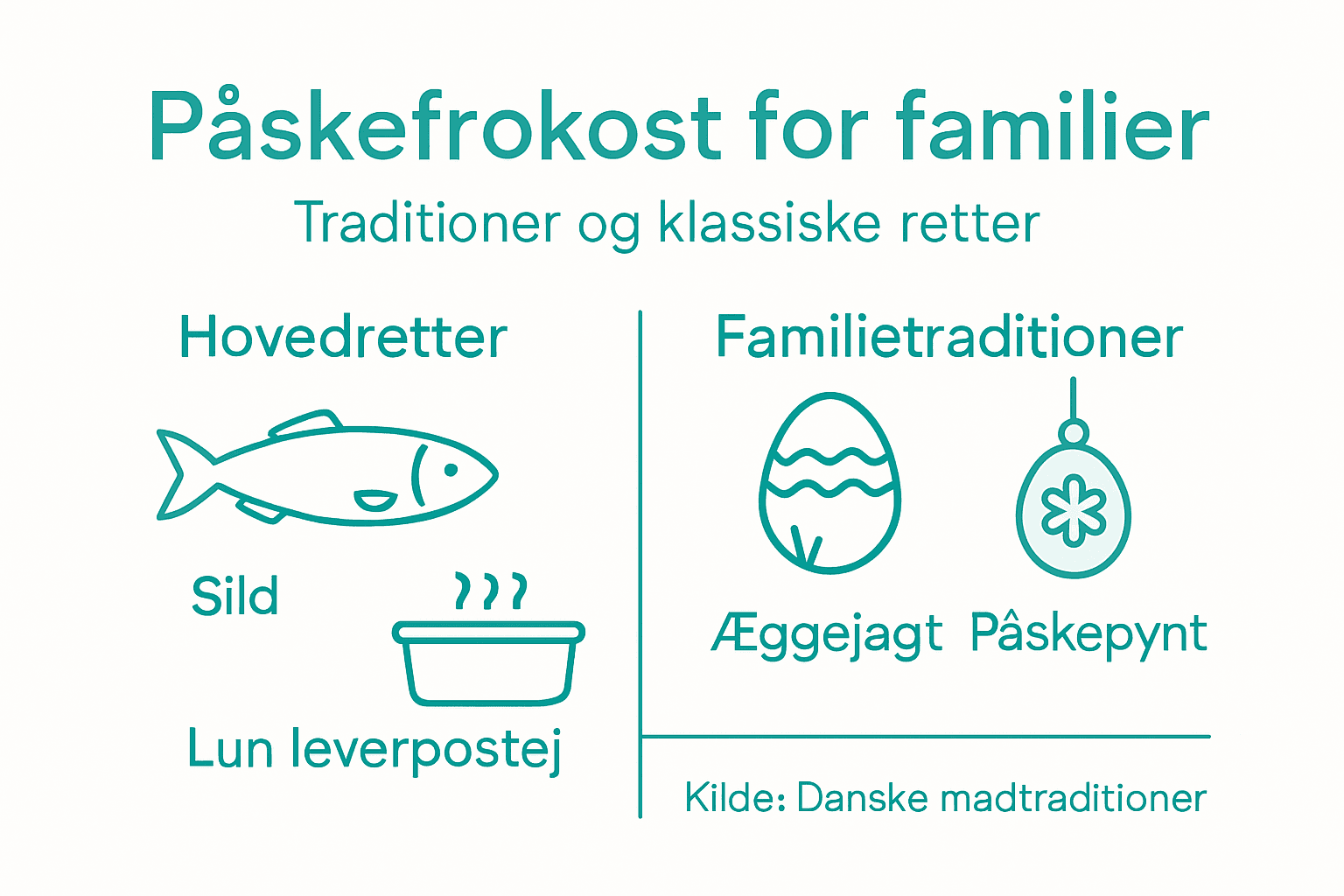
Although the variations can be large, there are some main ingredients that are almost always present. Herring It is indispensable and served in many varieties – marinated, curry salad, fried, or spiced herring. In addition, there are other fish spreads such as smoked salmon, shrimp, and fish cakes, which give the table a maritime touch. Classic moon-shaped objects meatballs, liver pâté and various egg preparations complement the traditional menu.
In addition to savory dishes, there is often room for sweet treats. Homemade chicken salad, potato salad, and various spread salads form the setting of a festive table where generations meet and share food and memories. Although lamb can traditionally also be included, it is not as common as other Easter lunch specialties.
Professional Tip: Prepare as many dishes as possible in advance so you can enjoy your time with the family during the Easter lunch.
How to compose the menu
A successful Easter breakfast requires careful planning and Balance between traditional and modern dishesThe menu should be a well-thought-out combination that takes into account different taste preferences and dietary needs of your guests.
Start with the classic elements such as sild, fish og moon setterIt is important to create a variation between cold and hot dishes. Consider including both traditional Danish specialties like frikadeller and modern additions such as vegetarian or vegan dishes that can accommodate different dietary preferences. A good rule of thumb is to have at least four to five different types of toppings and dishes, so there is something for everyone.
When planning the menu, you should consider the order of serving. Traditionally, you start with cold dishes such as herring and fish specialties, followed by warm dishes like meatballs and other hot specialties. Also remember to choose suitable beverages such as snaps or Easter brew to complement the overall dining experience. It's not just about the food, but about creating a cozy and inclusive atmosphere for the whole family.
Professional Tip: Create a preliminary menu the week before and test some of the dishes in advance to ensure quality and avoid surprises on the day itself.
Traditions and family activities for Easter
Easter in Denmark is much more than just a meal – it is a time filled with traditions and family activities that strengthen togetherness. Families gathered around shared experiences that mark the arrival of spring and create unforgettable memories.
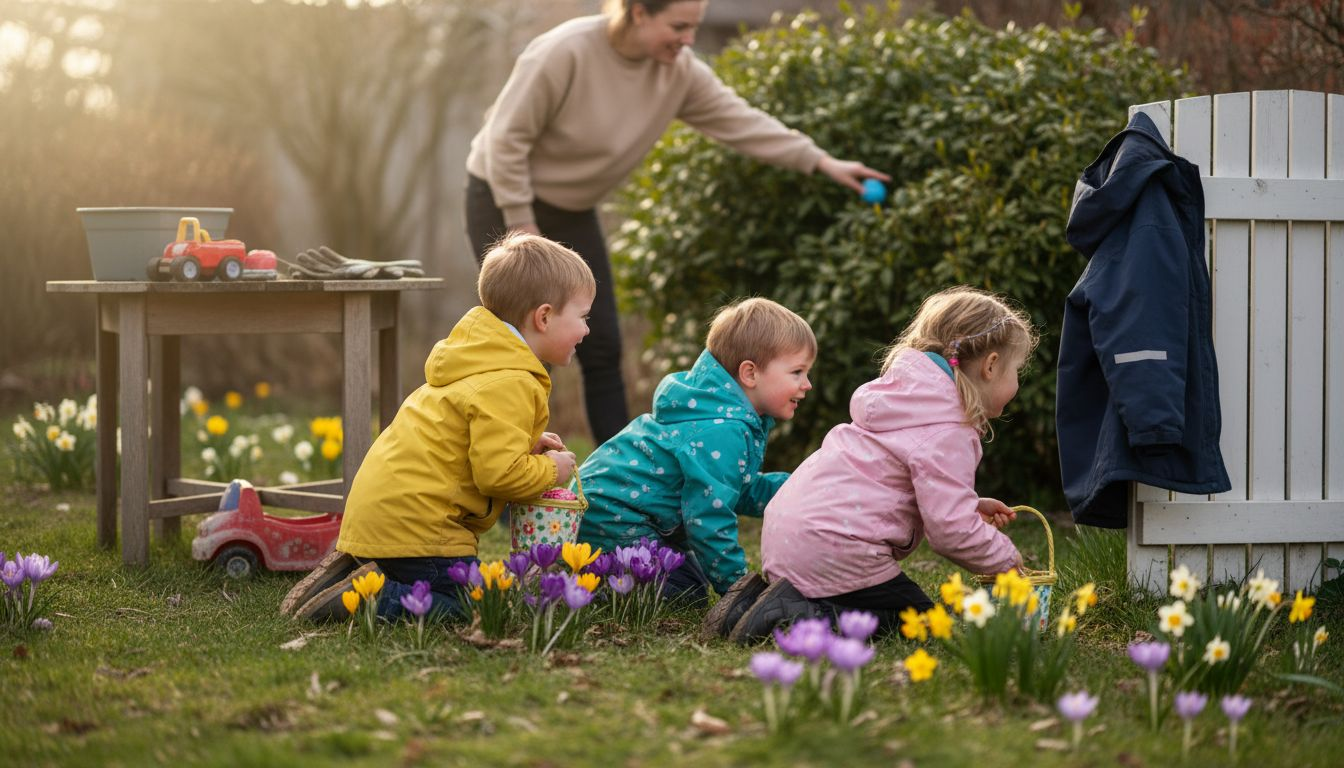
Children's activities forms a central part of the Easter celebration. Classic traditions such as painting and hiding Easter eggs are still popular. Many families organize egg hunting in gardens or parks, where children can search for fun decorated eggs. Additionally, children love to make Easter decorations such as Easter bunnies, chicks, and colorful Easter wreaths, creating creative and cozy moments for the whole family.
In addition to domestic activities, there are also many external opportunities. Many local communities organize Easter runs, concerts, and markets where families can participate together. These events provide an opportunity to experience the sense of community and local traditions up close. The children can participate in various games and competitions, while the adults enjoy the social atmosphere and the arrival of spring.
Overview of popular family activities during Easter:
| Activity | Participants | Purpose | Location |
|---|---|---|---|
| Egg hunting | Children/Family | Create excitement and tradition | Have/park |
| Easter decorations | The whole family | Community through creativity | The Home |
| Easter Run | local community | Motion and social experience | Outdoor area |
| Concerts/markets | All | Celebrate spring and enjoy cozy times | Local venues |
Professional Tip: Plan some activities in advance to ensure that the whole family is engaged and has something to look forward to.
Good tips for decoration and table setting
A beautiful Table setting is the key to a festive Easter lunch, creating the right atmosphere for the whole family. Choose a bright and spring-like color palette that reflects the cheerful spirit of the season and creates an inviting atmosphere.
Start by choosing placemats og table runners In fresh, bright colors such as light green, pastel blue, or soft yellow. Decorate the table with natural elements such as daffodils, tulips og small decorative Easter eggsCreative napkin folds and elegant candlesticks can add a personal touch and enhance the overall aesthetic of the table. Remember to keep the decor simple and harmonious so that it does not overshadow the good food and social gathering.
For families with children, homemade Easter decorations can be a fantastic way to involve the whole family. Create common decorations such as painted eggs, paper Easter bunnies, or flower wreaths that can be used as table decorations. This personal touch makes the table unique and creates good memories for the whole family. Choose frames and materials that are safe for children and can withstand a bit of fun and mischief.
Professional Tip: Prepare some of the table decoration details the day before so you can focus on cooking and enjoying yourself on Easter day.
Vegetarian and modern alternatives
Nutiden brings new culinary dimensions to the traditional Easter lunch, with modern dishes that respect classic flavor experiences. Vegetarian and vegan participants no longer need to feel excluded from the festive food experience.
Modern vegetarian dishes can be just as inviting as traditional Easter lunch specialties. Consider examples such as beetroot hummus with crispy vegetable sticks, quinoa salads with roasted almonds and orange fillets, or homemade tart with seasonal vegetables. These dishes are not only healthy and colorful but also add a modern twist to the classic Easter table.
To ensure an inclusive menu composition, it is important to create balance. Offer vegetarian options that match the complexity and flavorfulness of traditional dishes. Examples could be stuffed portobello mushrooms, herb omelette, or salmon roulade replaced with a similar plant-based variant. The key is to show respect for different dietary preferences without compromising the festive atmosphere.
Here, typical Easter lunch dishes are compared with modern vegetarian alternatives:
| Retype | Classic variant | Vegetarian option | Flavor profile |
|---|---|---|---|
| Fish spread | Herring, smoked salmon | Beetroot hummus | Syrlig, greasy |
| Moon setter | Meatballs, liver pâté | Egg pancake with herbs | Salt, mild |
| Salads | Potato salad, chicken salad | Quinoa salad with orange | Fresh, nutty |
| Topping rights | Fish cakes | Filled portobello mushroom | Umami, juicy |
Professional Tip: Taste test the new dishes in advance to ensure their quality and appetizing appearance.
Create unforgettable Easter experiences for the whole family
Easter is about more than just food – it's an opportunity to gather the family and create new traditions filled with joy and togetherness. If you want to combine your Danish Easter lunch with exciting excursions and activities that can delight both children and adults, it can be a challenge to find exactly the experiences that suit your needs. The article highlights the importance of family activities such as egg hunts, Easter decorations, and cozy gatherings, but where can you find the best places to experience the Easter atmosphere in Denmark?
The solution is found at Travel in Denmark, where you can discover a wealth of family-friendly activities, natural gems, and cultural attractions that are perfect for a memorable Easter holiday. Get inspiration for everything from child-friendly Easter egg hunts to beautiful excursion destinations that complement the traditional Easter lunch. Also find good tips for planning family trips by visiting the page about first-class activities during Easter.
Create the framework for a magical Easter where both food traditions and experiences go hand in hand. Start this Easter adventure today and plan your next trip on Travel in Denmark. Don't miss the chance to make this Easter truly special for all generations.
Frequently Asked Questions
What should be on a traditional Danish Easter lunch table?
A traditional Danish Easter lunch table typically includes herring in various varieties, fish spreads such as smoked salmon and shrimp, warm dishes like meatballs, as well as salads like potato salad and chicken salad.
How do I put together a menu for the Easter lunch?
When you compose the menu, you should include a balance between cold and hot dishes, as well as consider the guests' taste preferences and any dietary needs. It is recommended to have at least four to five different dishes.
What activities can I do with the children at Easter?
Popular activities for children during Easter include painting and hiding Easter eggs, participating in egg hunts, and making Easter decorations such as Easter bunnies and flower wreaths.
How can I decorate the table for the Easter lunch?
To decorate the table for the Easter lunch, you can use placemats in light colors, natural elements such as spring flowers and Easter eggs, as well as creative napkin folds to create a festive atmosphere.
Recommendation
- Plan the perfect Easter holiday in a summer house with children – Travel in Denmark
- What Do People Eat at Christmas in Denmark: The Complete Guide – Travel in Denmark
- The story of the Christmas lunch with work: The importance of tradition – Travel in Denmark
- Easter holiday in Denmark – Spring experiences for the whole family – Travel in Denmark
- Critharaki: The ultimate guide (cooking, recipes, questions) | Bakalokarpos Grocery