TL;DR:
- Shared activities create lasting memories and strengthen family bonds.
- Regular, informal everyday activities are often more effective than big experiences.
- Small, daily moments have a great impact on children's well-being and family feeling.
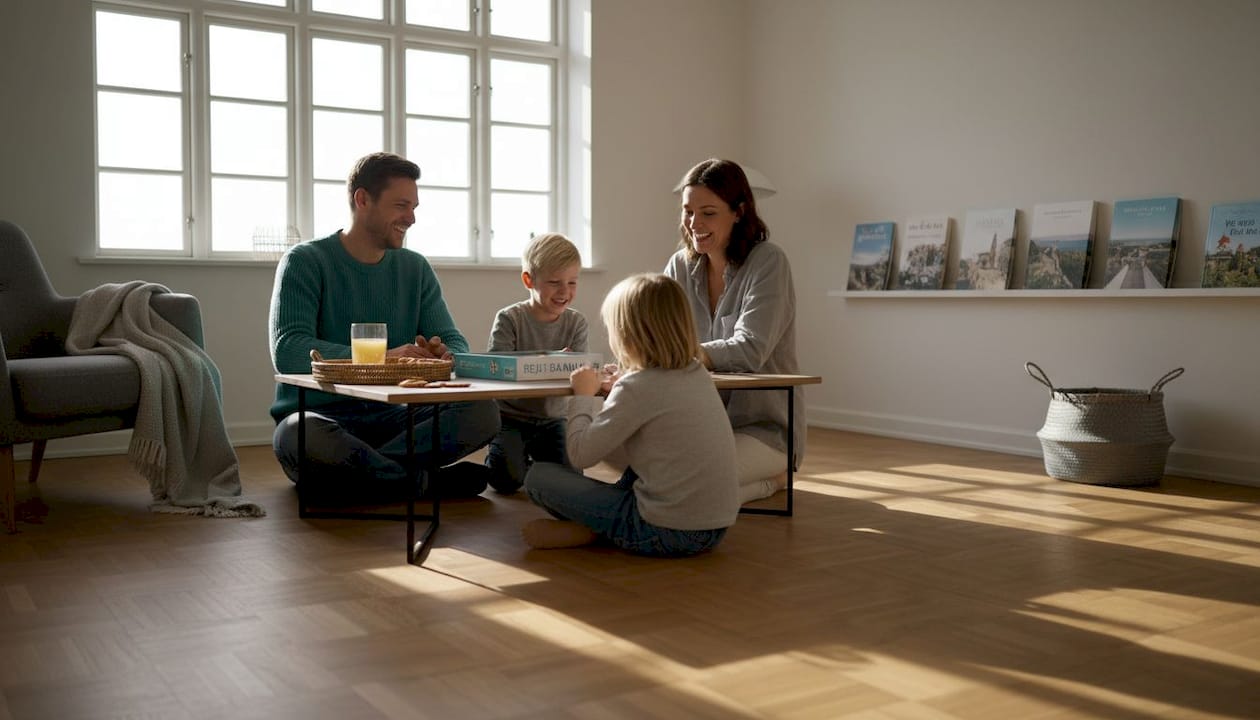
Imagine a Sunday afternoon where the whole family is gathered around a board game, laughing at the same things and forgetting all about screens and stress. Such moments may seem insignificant at the time, but Shared activities create lasting memories The binder family closer than any summer adventure abroad. Many parents believe that it requires big trips or expensive tickets to give children meaningful experiences. It doesn't do that. This guide shows you exactly why even the smallest shared activities can change your family life, and what research actually says about the connection between time together and well-being.
Main Points
| Point | Details |
|---|---|
| Small experiences count | Even simple daily activities significantly strengthen the entire family's bond. |
| Research supports it | Studies clearly show the positive effect of spending time together on both children's and adults' well-being. |
| Long-term effect on children | Lasting memories from shared experiences make children more resilient and happy. |
| It doesn't have to be expensive | Cheap or free experiences can be just as meaningful as expensive excursions. |
Why family experiences are crucial for togetherness
Now that we know experiences are important, we should also understand how they specifically strengthen family cohesion. It's not about you going to Disneyland every year. It's about being there for each other, sharing something, and everyone feeling seen and heard.
Family experiences strengthen relationships by creating space for genuine communication and shared bonds that do not arise automatically in everyday routines.
Family activities in everyday life Promotes communication, trust, and closeness in ways that other initiatives rarely can match. When you cook together, go for a walk in the forest, or build something with LEGO, something important happens beneath the surface. Children learn to cooperate, adults practice listening, and the family builds a shared identity.
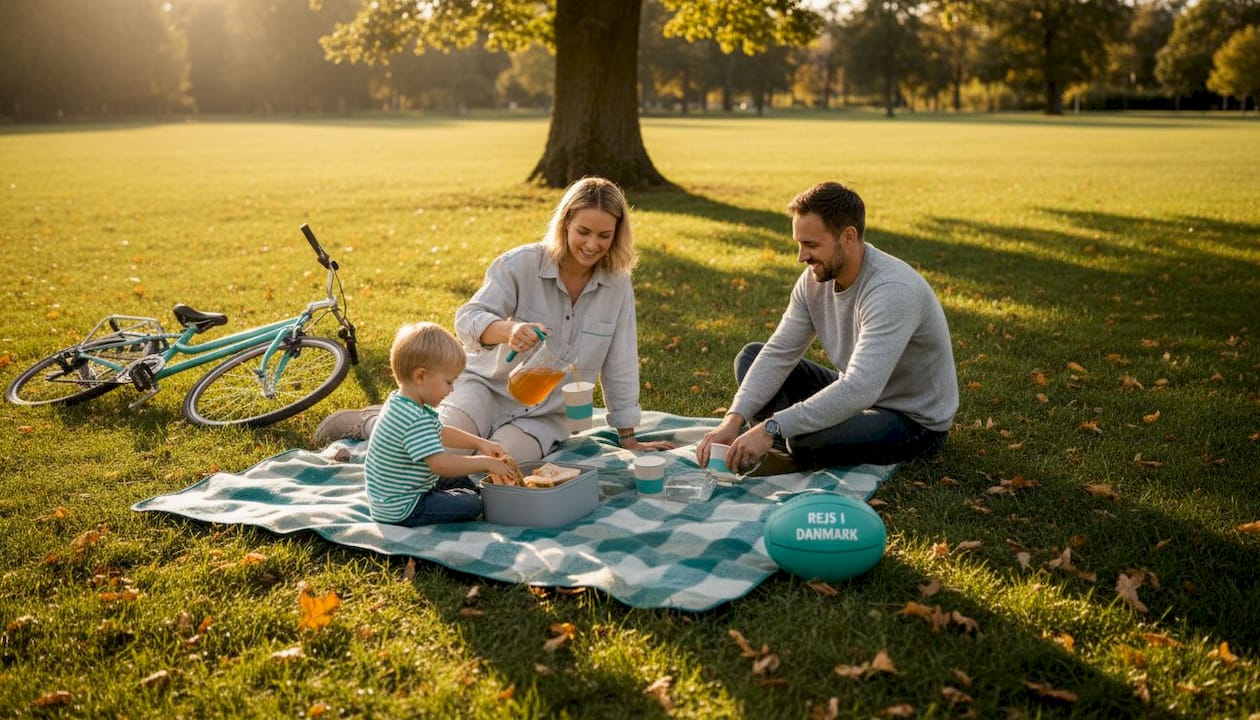
The interesting thing is that it is not necessarily the big, planned experiences that have the strongest effect. Research indicates that regular, informal activities often create stronger relationships than large, one-time events. A trip to the beach is fantastic, but it is Thursday's communal dinner or Saturday's bike ride that creates the structure in your family life.
The tension between everyday activities and planned excursions is important to understand.
- Everyday activities happens naturally and requires no planning. They are predictable and safe for children who thrive on routines.
- Planned excursions Creates anticipation, excitement, and shared memories that can be retold for years.
- Both types They are necessary for a healthy family life. It is not a matter of either-or.
- The crucial thing is presence, not the scope of the activity. One and a half hours with full attention beats three hours with half engagement.
Professional tip: Start with one new, regular weekly activity that the whole family looks forward to. It could be Friday night movies, Saturday morning breakfast outdoors, or a game night. The consistency is more important than the content.
Are you thinking about what family holiday and community What actually benefits your children in the long run is clearly shown in the research. It's not the souvenirs that are stuck. It's the feeling of having experienced something important with the people you care about most.
The Power of the Mind: How Experiences Affect Children and Adults
When we look at cohesion, it is also worth examining why memories play such a central role for both children and adults. The brain is built to remember moments with strong emotional charge, and shared experiences activate exactly those mechanisms.
Shared activities create lasting memories that bond the family across generations and enhance well-being. It is not just a feeling; it is a documented mechanism. Children who grow up with rich memories of family experiences have a stronger foundation for self-esteem and belonging, even many years later.
On the other hand, it is important to mention that Conflicts in the family reduce life satisfaction Striking and having long-lasting consequences, while loving, stable relationships enhance quality of life throughout life. It means that the positive experiences you create together can actually serve as a buffer against the inevitable conflicts and difficult periods that every family experiences.
What research says about memorable experiences and long-term well-being:
| Factor | Short-term effects | Long-term effects |
|---|---|---|
| Shared everyday activities | Increased proximity and communication | Stronger family identity |
| Planned excursions | Expectations and excitement | Less retold for decades |
| Positive experiences in general | Improved mood and camaraderie | Increased life satisfaction and self-esteem |
| Conflicts and lack of time | Distance and frustration | Reduced life satisfaction |
From best family activities those who activate all the senses and make room for spontaneity. Nature is fantastic for this: you discover things along the way, the atmosphere is unpredictable, and the focus is on what is happening right now, not on mobile phones or screens.
Here are the main mechanisms behind why memories are most strongly formed in familial contexts:
- Safe environment Lower the guard and open up to genuine connections
- Shared laughter and surprise Enhances memory and makes moments unforgettable
- Retelling Strengthens the mind, and families that talk about their experiences remember them better
- The rituals creates a red thread in the family history that children carry with them into adulthood
Look at Examples of family activities From all over Denmark, and you will quickly realize that it is not the price of the activity, but its intensity and presence that determine whether it is remembered.
Family experiences and children's well-being: Scientific results
Now that we understand the importance of memories and relationships, we will take a closer look at the direct effect on children's well-being. And here the results are surprisingly strong.
A large Nordic study shows that Young people with daily physical activity In families, there is twice the likelihood of achieving the recommended activity level and four times the likelihood of mental strength, with an 80 percent better mental health score compared to peers who do not share activities with their family. These are numbers that put things into perspective.
Furthermore, research from the ROCKWOOL Foundation shows that does not prioritize relationships at home as the most important factor for well-being, even more important than friends, school, or leisure activities. The home is not just a base; it is the very foundation of how children and young people feel about themselves and the world.
Sammenligning: Effekter af daglig familieaktivitet vs. ingen fælles aktivitet
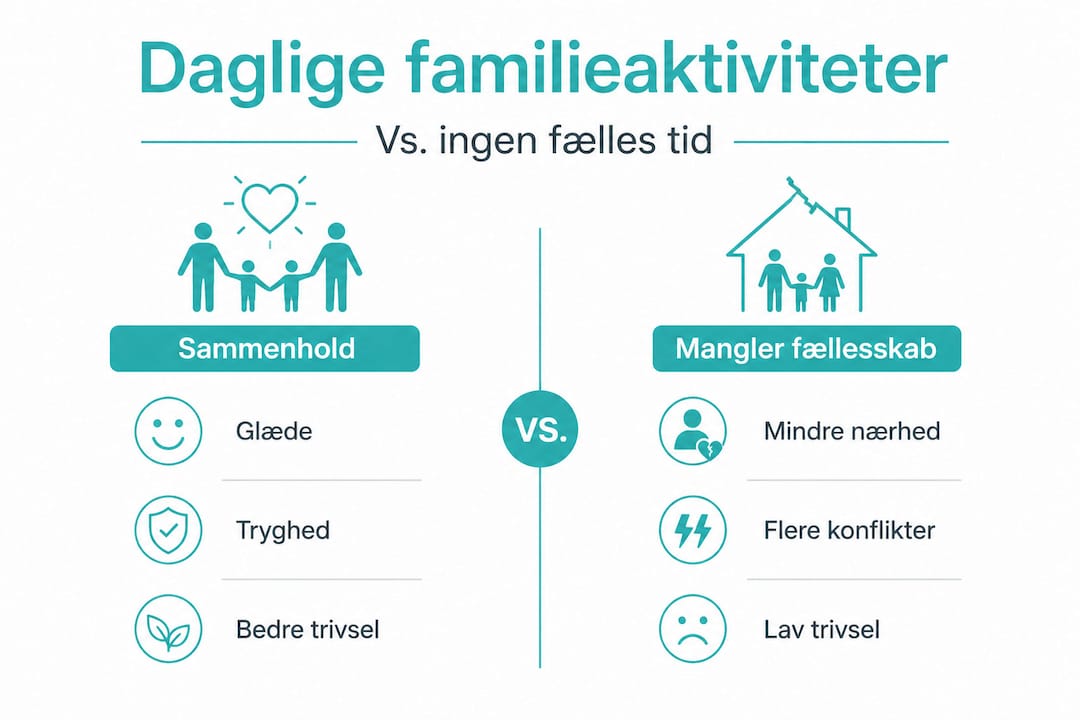
| Parameter | With daily family activity | Without a family activity together |
|---|---|---|
| Sufficient movement needs | 2 times more likely | Basic level |
| Mental strength and resilience | 4 times more likely | Basic level |
| Mental health score | Up to 80% better | Basic level |
| Experience of togetherness | Significantly higher | Lower |
To incorporate more quality time into a busy everyday life, you can follow these specific steps:
- Identify existing routines already, that can be done together. Breakfast, dinner, or the trip to school is obvious.
- Remove the disturbances At the chosen time. No screens, no urgent tasks. Full presence in just 30 minutes.
- Let the children decide the activity Once a week. It significantly increases engagement and ownership.
- Build gradually upInstead of starting too ambitiously. I take one thing at a time to keep the motivation up.
- Celebrate it, you do Instead of focusing on what you have not yet achieved. Positive affirmation strengthens the habit.
Professional tip: Outdoor family activities combine movement, nature experience, and spontaneity in one package. It is one of the most effective investments in children's health, and it usually costs nothing.
If you need inspiration to get started, you'll find plenty of it. outdoor activities for families Throughout Denmark, and a comprehensive overview of family-friendly activities can help you find something that suits your family perfectly.
What types of family experiences work best?
When we know the value of time together, the question arises: Which types of activities should be prioritized for the greatest impact? The answer is nuanced, but there are clear patterns in the research.
Surprisingly, science points out that everyday activities with children Shared cooking, tidying up, and playing are powerful relationship builders. A new international study shows that Shared housework with children It is the strongest positive predictor of parents' long-term life satisfaction, that is, after the children have moved out. That tells something deeply important: the everyday moments when you do something practical together have a reach that extends far into the future.
Cultural experiences such as museum visits, local festivals, and theater plays offer something different, but just as valuable. The importance of culture for children It is well documented: it broadens their understanding of the world, strengthens language, and provides them with references that enrich them socially and professionally throughout their lives. A trip to a historical museum or a local art exhibition is much more than entertainment.
Outdoor and physical experiences are the third pillar. Nature has a unique ability to break the rhythm of everyday life and create space for conversations that would not otherwise occur. Many parents say that the best conversations with their teenagers happen during walks or bike rides, precisely because both parties look ahead instead of at each other, which reduces social pressure.
Here is an overview of the most important types of experiences and their special advantages:
- Everyday activities (cooking, playing, cleaning): Creates routine, sense of responsibility, and daily closeness
- Cultural activities Museums, festivals, theaters: Expand horizons and strengthen social capital
- Outdoor activities (hiking, cycling, camping): Combines movement, nature, and unstructured time
- Creative activities Drawing, music, craftsmanship: Strengthens self-expression and collaboration
- Planned adventures (holiday, day trips): Creates intense memories and the joy of anticipation
Camping with the family It is a classic example of how a relatively simple and manageable experience combines all the above elements: nature, the unpredictable, practical cooperation, and the intense time together without disturbances.
Professional tip: Don't let finances prevent you from rich experiences. Cheap family activities Throughout Denmark, they are available to all families and are often just as memorable as the expensive alternatives. It's about willpower and creativity, not budget.
The best approach is a conscious blend: ensure a steady rhythm of small, informal everyday moments combined with regular, somewhat larger experiences. A family outing once a month and 20 minutes of focused shared time daily are a realistic and effective combination for most families.
Our perspective: Family life is strengthened by small steps – not just big experiences
We often meet families who have big ambitions to create the perfect adventure, but who end up waiting for the right opportunity. Summer vacation, birthday, weekend without other plans. And while they wait, everyday life runs away from them.
It is our firm belief, based on all the research and stories we draw inspiration from, that the daily, seemingly insignificant moments are the true foundation of the family. It is not unlikely that your child will remember the random Saturday morning 20 years from now, when you baked pancakes and sang along to the radio, much more clearly than the expensive summer vacation.
This simple thing in everyday life can have a deeper effect than even the most well-planned excursions, precisely because it is genuine, accessible, and repeated. It is repetition that builds the sense of belonging.
We want to challenge the tendency that many parents have to measure themselves by the events. How many excursions did we manage? Was Legoland good enough? Was it the right experience? This way of thinking overlooks something crucial: quality in relationships is not built solely in the highlights, but in the sum of all the smaller moments that fill the days.
Beware of traps. Overplanning can make activities stressful instead of joyful. Family members who try to pack every weekend minute with activities often find that children actually thrive best when there is room for boredom and spontaneity. Plan the framework, but let the content unfold naturally.
Our best advice is concrete: Choose three simple, fixed weekly rituals that are realistic for your family. It can be a walk together, reading a book aloud, or an evening of playing games. Hold them tight for three months. Then you add a monthly, slightly bigger experience that everyone looks forward to. Over time, it creates a strong family culture without requiring either large budgets or perfect planning.
Ideas for Family experiences during Easter holidays It is a good starting point for your next planned adventure, but remember: the most important things happen in the days between the great experiences.
Make it easy to choose family experiences in Denmark
When you are ready to turn inspiration into action, it is easy to find support for experience planning. Travel in Denmark is designed precisely for that purpose: to make it easy for Danish families to find the right activities for your specific age group, budget, and season.
On the platform, you can filter by season, price, and participant age so you don't waste time on activities that don't suit your situation. Get an overall overview of child-friendly attractions Throughout Denmark, from nature parks and museums to amusement parks and cultural attractions. Before you leave, it may also be worthwhile to use a Checklist for a day tripso you have control over the practicalities and can focus entirely on the experience itself. For larger excursions, you will also find a detailed one. family outing checklist, who helps you plan from start to finish without stress. Inspiration and preparation go hand in hand, and the easier it is to get started, the more often it happens.
Frequently Asked Questions About Family Experiences
Which experiences strengthen family relationships the most?
Both small everyday activities and planned excursions strengthen the relationship, but everyday shared tasks have proven to be particularly effective because they are frequent and occur in a safe environment.
How can we find time for family experiences in a busy everyday life?
Start by making existing daily routines shared, such as dinner or the morning trip to school, as daily physical activity with the family already in itself provides significant health benefits for children.
Does sharing experiences demonstrably improve children's well-being?
Yes, research clearly documents that relationships at home are the factor that young people themselves highlight as most important for their well-being, and studies confirm clear improvements in both mental and physical health.
Is it necessary to have expensive or exotic experiences?
No, the effect of family activities is about frequency and togetherness, not price. It is presence and participation that create strong relationships and memories, not the amount spent.
Recommendation
- Benefits of Family Experiences – Strengthen Togetherness and Learning – Travel in Denmark
- Role of Nature Experiences – Strengthens Family Bonds – Travel in Denmark
- Benefits of family outings for children and adults – Travel in Denmark
- Why Choose Family Vacation – Togetherness and Experiences – Travel in Denmark