TL;DR:
- Denmark surprisingly has many different nature parks, ranging from untouched forests to urban areas. It is important to choose the park that matches one's needs, such as family-friendly facilities or wilder natural areas. Nature parks like Fussingø and Almindingen focus on biodiversity and untouched nature, while parks like Amager and Flyndersø are more accessible to everyone.
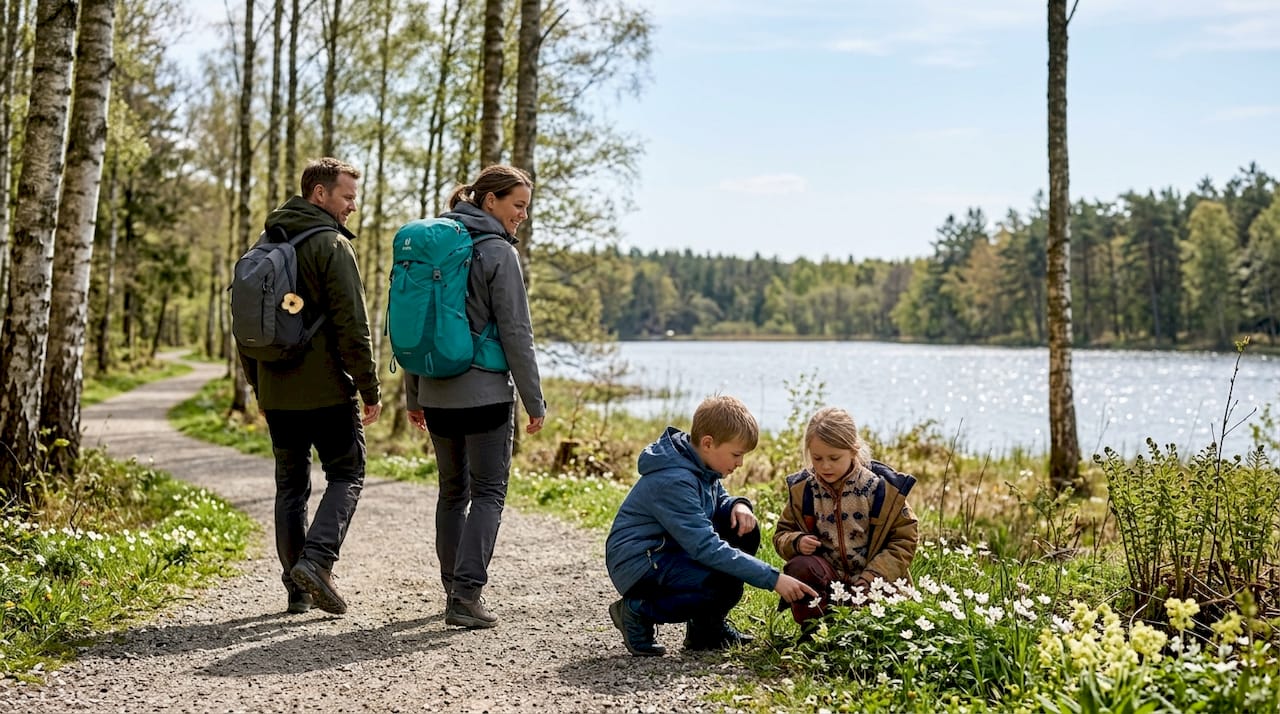
Denmark has much more wild nature than most people think. When you look for examples of nature parks, you quickly discover that the country contains 18 Danish Nature Parks There are pilot nature parks spread across the entire country, and they are far from identical. Some offer untouched forests with rare bird species, others are urban oases just a few bus stops from the city center, and still others are wilder nature parks with large grazing animals. The challenge is to find the one that suits you, your family, or your travel group. This article provides you with concrete examples, comparisons, and practical recommendations.
How to choose the right nature park in Denmark
Before you decide, it is wise to consider a few key questions. What are you really looking for? A fun family trip with wide trails and picnic tables is something completely different from an overnight stay in the wilderness with a campfire under the open sky.
Here are the most important parameters to consider:
- Landscape type: Do you prefer coastline, forest, heath, lakes, or a mix? Denmark offers all types.
- Size and grid lengths: Larger parks usually have longer hiking trails and more varied terrain, while smaller parks can be explored in half a day.
- Facilities: Facilities in natural national parks can differ significantly from ordinary nature parks, especially regarding campsites and fire pits. Always check before packing tent pegs.
- Family friendliness: Bull, toilets, parking spaces, and safe environments for children vary greatly from park to park.
- Distance from residence: Nearby nature parks are ideal for spontaneous trips, while farther destinations require more planning.
- Biodiversity and nature conservation: If you are interested in birds or insects, parks with untouched forests or special biotopes are particularly attractive.
Danish Nature Parks is a quality mark, which requires long-term planning, local anchoring, and a balance between utilization and protection. It means that a certified nature park meets minimum standards for nature, outdoor activities, and local identity, without imposing unnecessary restrictions on landowners.
Professional tip: The most important thing is to match the type of outdoor activity with the right natural area. Don't necessarily look for the "best" park, but the park that suits your purpose that day.
2. Nature Park Maribosøerne and Søholt Storskov
Maribosøerne Nature Park on Lolland is one of the most impressive examples of a nature park with great variation in the landscape. The area combines glacial landscapes from the Ice Age, pristine lakes with crystal-clear water, and cultural historical traces dating back centuries.
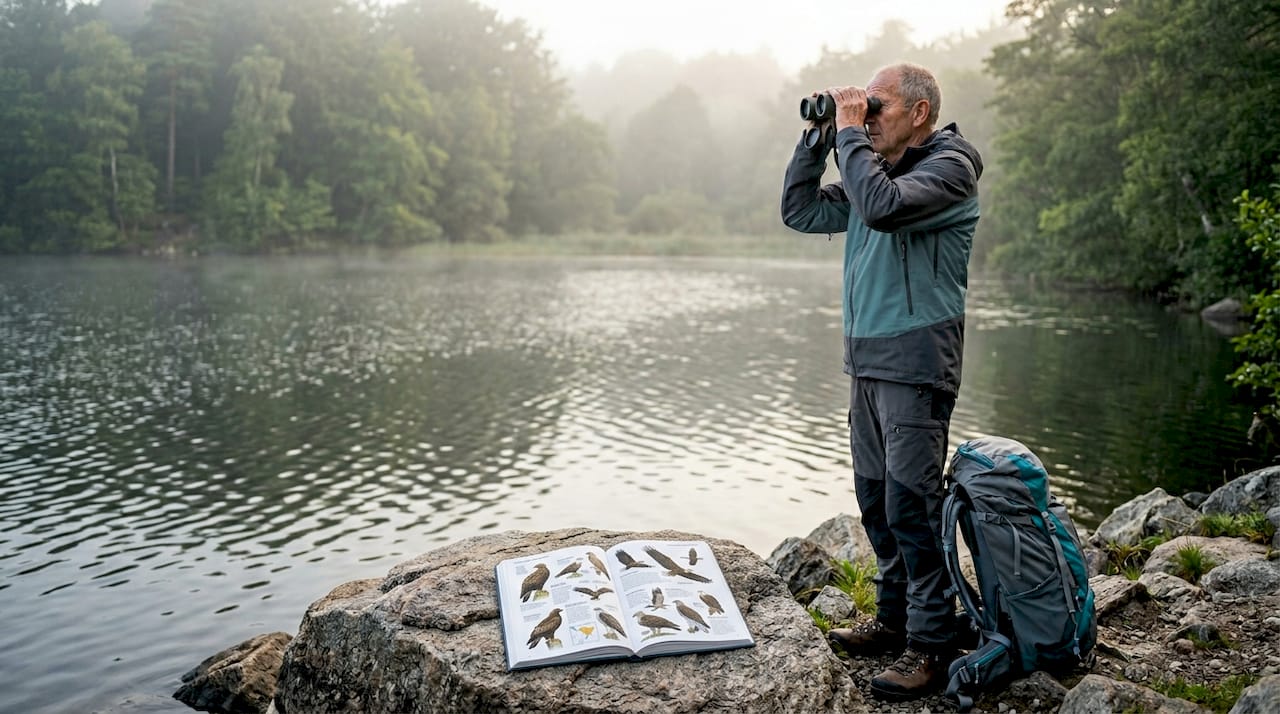
The most remarkable part is Søholt Storskov, covering 1,134 hectares with 610 hectares of untouched forest and rich birdlife. All 230 hectares of this forest have remained untouched since 1957, making it an exceptional habitat for rare insects and unique bird species. It's the kind of forest you don't find many places in Europe, let alone Denmark.
The park offers marked cycling and hiking trails, and for bird enthusiasts, it is almost a paradise. The rich biodiversity is a direct result of the forest being allowed to take care of itself for decades. Do you want to experience Nature experiences in DenmarkWhat really sticks in the memory is the Maribo Lakes, making it an obvious choice.
3. Nature Park Amager and Kalvebod Fælled
You don't need to drive far from Copenhagen to experience real nature. Amager Nature Park with Kalvebod Fælled is an excellent example of an urban nature experience, and a nature national park is planned at Kalvebod Fælled, which will elevate the quality of nature to an even higher level.
The common is today an open, almost steppe-like landscape with meadows, ponds, and marshy grasslands. You can walk, run, or cycle on the many trails, and in winter it is one of the best places in the country to see large flocks of birds. The area is accessible by public transportation, and it is one of the few nature parks where you can literally take the subway to the trailhead.
Amager Fælled is particularly suitable for families with small children. No steep hills, wide pastures, and plenty of space to run around. It's a good place to introduce the little ones to the wild nature of Denmark without them having to handle too challenging terrain.
4. Nature National Parks: Fussingø and Almindingen
Nature national parks are a newer category in Denmark, and they differ from the other nature parks in a crucial aspect. The goal here is to let nature develop more untouched with large grazing animals and minimal human intervention. Biodiversity is prioritized over traditional forest management.
Fussingø in Central Jutland is one of the first nature national parks in Denmark. Here you find an old manor landscape gradually transforming into wilder nature with cattle and horses as nature caretakers. The forest is lush and knobby, and if you discover a stump with mushrooms and beetles, it is a sign that nature is doing its work.
Almindingen on Bornholm is Denmark's third-largest forest and one of the parks that Opening as a natural national park in 2026 with wilder nature, large animals, and increased biodiversity as goals. Access for visitors continues, but guests should be prepared for trail systems and facilities to differ from a traditional nature park. Always read the Nature Agency's guidelines before the visit.
5. Nature Park Flyndersø and Sønder Lem Vig
Flyndersø Nature Park and Sønder Lem Vig in West Jutland are an example of a park that places special emphasis on local development and outdoor activities for everyone. The area contains two large lakes surrounded by heath, plantation, and meadows, and it is one of the places in Denmark where you truly feel far from the noise of the city.
There are canoeing, fishing, hiking, and overnight accommodations in shelters close to the water. For adventurous travelers who like to camp outdoors, this area is one of the best options in West Jutland. The area is not crowded with tourists, and it gives a feeling of having nature all to oneself.
The park is a good example of how nature parks in Denmark can combine nature conservation with active local use and bring the local community closer to the surrounding landscape.
6. Comparison of selected Danish nature parks
To make it easier to choose, here is a comparison of five of the mentioned nature parks based on key parameters:
| Nature Park | Size | Family friendliness | Biodiversity | Facilities | Availability |
|---|---|---|---|---|---|
| Maribo Lakes / Søholt Storskov | Stor (1.134 ha) | Middle | Very tall | Routes and paths | Requires a car |
| Amager Nature Park (Kalvebod Fælled) | Middle | High | Middle | Many cattle, parking | Excellent (metro) |
| Fussingø (nature national park) | Middle | Middle | High | Limited facilities | Requires a car |
| Almindingen (Bornholm) | Big | High | High (growing) | God infrastructure | Requires ferry/plane |
| Flyndersø and Sønder Lem Vig | Middle | High | Medium/high | Shelters, canoeing | Requires a car |
Nature national parks like Fussingø and Almindingen are ideal for those who want wilder nature and are willing to give up a bit of comfort. Classic nature parks like Amager and Flyndersø are better suited for families or those who appreciate facilities and easy access.
Important considerations when choosing:
- Nature national parks often have fewer campfire sites and campsites than expected. Check it before departure.
- Parker close to the city are ideal for half and full-day trips without much preparation.
- Bornholm requires transportation to the island, but Almindingen is a special experience worth visiting.
7. Recommendations based on your travel type
The best nature park is the one that matches your situation. Here are specific recommendations divided by traveler type:
Familiar with children:
- Choose Nature Park Amager or Flyndersø and Sønder Lem Vig. Wide, flat paths, toilets, and opportunities for activities such as canoeing and fishing make these parks ideal. See also Rejsidanmark's list of family-friendly nature destinations for inspiration for the whole holiday.
- Avoid natural national parks with young children, as the facilities may be limited and the terrain unpredictable.
Nature enthusiasts and bird lovers:
- Maribo Lakes and Søholt Storskov are the clear choice. 230 hectares of untouched forest since 1957 is a key indicator of biodiversity and quality experience, and the bird list is impressively long.
- Fussingø is also an obvious choice for those who want to see what happens when nature is allowed to take care of itself.
Adventurous travelers:
- Try a nature national park and set tent pegs in a shelter. Flyndersø and Sønder Lem Vig are great for the West Jutland adventure, while Almindingen on Bornholm combines wilder nature with an island experience.
- Always check the Nature Agency's FAQ about rules and facilities in national nature parks, as they may surprise you.
Local with limited transportation options
- Use the Outdoor Council's visitor portal to find a nature park near your postal code and see which routes and activities are offered in your local area.
- Amager Nature Park is the best example of an urban park accessible by public transportation.
Professional tip: Are you planning a day trip to nature parks with school-aged children? Look for parks that offer guided tours or nature education. It provides a completely different experience than hiking alone, and the children remember it much better.
With an honest view of Denmark's nature parks
I have visited many of the parks mentioned in this article, and the observation I always come back to is this: people underestimate the local and regional nature parks in favor of the big names.
It is not National Park Thy or National Park Mols Bjerge that has surprised me the most. There are places like Søholt Storskov, which lie quietly and almost unnoticed on Lolland, but offer a forest experience that I have not found an equal to in Denmark. That kind of forest that smells both rotten and alive at the same time.
My advice is to start by asking what you actually want to get out of the trip, and then find the park that delivers exactly that. I have seen too many families return disappointed from a nature national park because they expected a well-maintained nature park with tables and benches. They are two very different things, and the difference between nature national parks and other nature parks is something you should thoroughly understand before departure.
I also want to say that Nature Park Amager is an underrated piece of Danish nature. For a big city like Copenhagen, it's almost incredible that you can go out into genuine wilderness in under 30 minutes by public transport. He takes a weekday morning early. You will have it for yourself.
Nature parks are not the same. That is actually the best thing about them.
— Tommy
Plan your next nature trip with Rejsidanmark
Rejsidanmark has gathered most of what you need when planning trips to nature parks in Denmark. The platform gives you an overview of attractions, activities, and experiences sorted by season, price, and age group, so you don't waste time filtering out irrelevant results. Bridge The day trip checklist to ensure that you have everything under control before you leave. Are you new to Denmark or planning your first visit, you will find a good starting point in Guide to Denmark, which covers everything from transportation to the best nature destinations. Rejsidanmark makes it easier to find nature parks nearby and to tailor the experience for the whole family.
FAQ
How many nature parks are there in Denmark?
There are 18 Danish Nature Parks and pilot nature parks spread across the country, covering a wide range of natural types from coastal landscapes to untouched forests.
What is the difference between a nature park and a national nature park?
A nature national park prioritizes biodiversity and allows nature to develop without human intervention, while a classic nature park balances nature, outdoor activities, and local use. Facilities and rules can vary significantly between the two types.
Which nature parks are best for families with children?
Amager Nature Park with Kalvebod Fælled and Flyndersø Nature Park and Sønder Lem Vig are especially good for families, as they offer wide paths, good facilities, and activities such as canoeing and fishing. Read more about family-friendly nature experiences at Rejsidanmark
Can you stay overnight in Danish nature parks?
Yes, many nature parks offer shelters and campsites, but the availability varies. In the nature national parks, the number of overnight facilities may be limited, so it is wise to check specific options before departure via the park's own website or the Danish Nature Agency's information.
What is Denmark's wildest nature park?
The nature parks such as Fussingø and the upcoming Almindingen on Bornholm are the wildest, as they will open in 2026 with large grazing animals and minimal human disturbance as the overarching principle.
Recommendation
- Why Nature Parks in Denmark Benefit Families – Travel in Denmark
- Explore natural gems in Denmark: Your guide to hidden treasures – Travel in Denmark
- 7 types of amusement parks families should know in Denmark – Travel in Denmark
- Experiences for nature lovers: 7 places in Denmark 2026 – Travel in Denmark