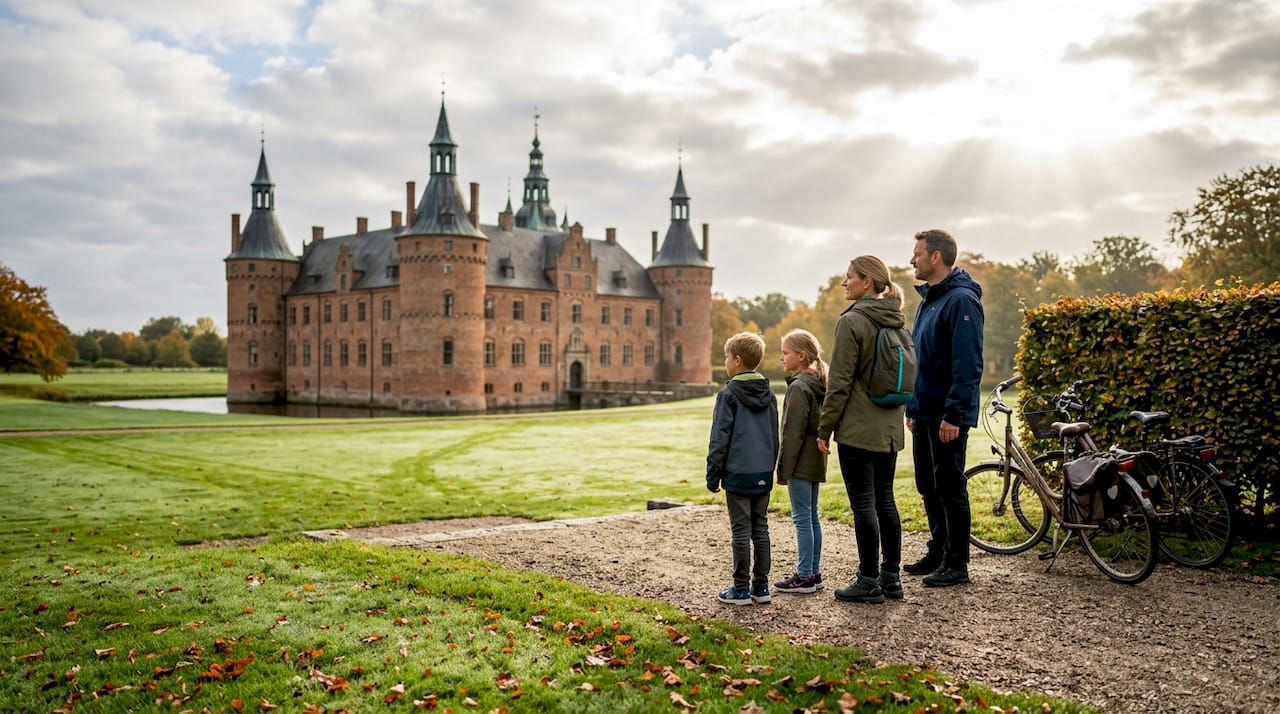
Denmark has an impressive selection of historic castles ranging from medieval fortresses to magnificent Renaissance palaces. For tourists, the choice among these architectural treasures can seem overwhelming. Which castles deserve your time? Which experiences match your interests? This guide takes you through seven unique Danish castles, provides practical evaluation criteria, and helps you make informed decisions. You will receive concrete recommendations, comparison tables, and insider tips to maximize your castle visit in 2026.
Key points
| Point | Details |
|---|---|
| Historical diversity | Of course! Please provide the Danish text you'd like me to translate into English. ranging from medieval castles to Renaissance palaces with various functions |
| UNESCO recognition | Kronborg is a UNESCO World Heritage Site and internationally known as Hamlet's castle |
| Modern application | A castle like Dragsholm combines historical atmosphere with hotel operation and ghost experiences |
| Architectural highlights | Frederiksborg and Kronborg showcase Danish Renaissance architecture at its finest |
| Living experiences | Guided tours and cultural events make castle visits both educational and entertaining. |
How do you choose Danish castles to visit?
When planning your castle visit, you should first consider which historical period interests you the most. Medieval castles like Koldinghus offer a raw, defensive architecture with thick walls and strategic placements. Renaissance castles such as Kronborg and Frederiksborg, on the other hand, showcase elegant symmetry, intricate decoration, and royal splendor. Each period tells its own story about Denmark's development.
Architectural features can be decisive for your choice. Vand gates like Egeskov demonstrate medieval defensive engineering with moats and drawbridges. Andre castles impress with baroque gardens, mirror halls, or royal chambers. Think about whether you prefer military architecture, royal elegance, or romantic castle gardens. This answer naturally guides your priorities.
Experience opportunities vary significantly between the castles. Some offer interactive museums and guided tours, while others focus on architectural beauty and peaceful gardens. Consider whether you want in-depth historical learning, photographic opportunities, or family-friendly activities. Many places organize seasonal events such as concerts, theater plays, and historical reenactments.
Practical considerations:
- Placement and transportation options from your accommodation
- Opening hours and seasonal variations in the visitor experience
- Ticket prices and any combination offers
- Accessibility for visitors with mobility impairments
- Facilities such as cafes, toilets, and parking options
Professional tip: Book tickets online in advance for popular castles like Kronborg and Rosenborg, especially during the high season from May to September. Avoid queues and ensure access at your preferred time.
Seven examples of Danish castles with unique character
Kronborg Castle
Kronborg In Helsingør, Denmark's most famous castle is known internationally. The building in the 1570s served as a customs fortress at the Øresund and controlled the ship traffic between the Baltic Sea and the North Sea. UNESCO designated the castle as a World Heritage Site in 2000. Shakespeare immortalized Kronborg as Hamlet's Castle, attracting literature enthusiasts from around the world.
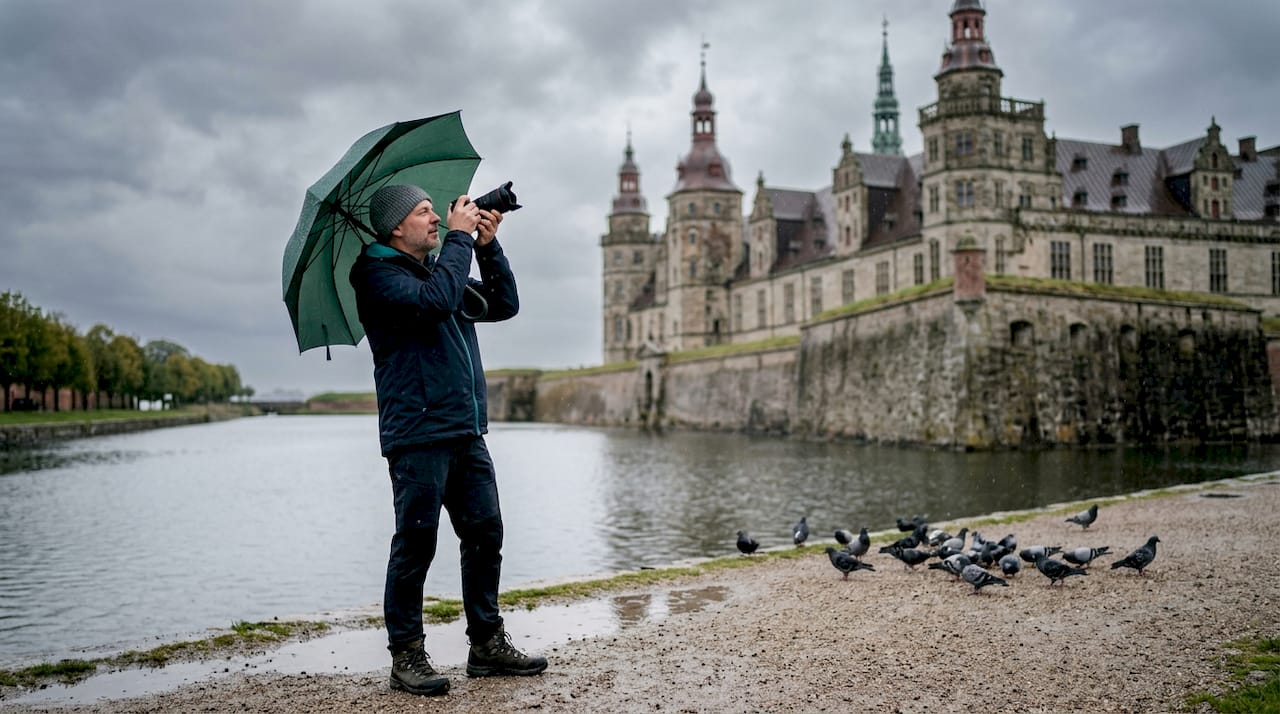
The Renaissance architecture impresses with symmetrical wings, monumental halls, and casemates. You can explore the king's and queen's chambers, the knight's hall, and the underground passages. Guided tours tell stories about Christian IV, the Swedish wars, and the castle's military significance. Summer offers Shakespeare performances in the castle's courtyard.
Rosenborg Castle
Rosenborg in the center of Copenhagen functions as a museum under The Kings' AssemblyChristian IV built the castle as a summer residence in Dutch Renaissance style. You will find royal treasures, the crown jewels, and historical exhibitions about Danish royal history. The castle's compact size makes it ideal for a focused visit of 2 to 3 hours.
The King's Garden surrounds the castle with romantic paths, sculptures, and green lawns. Spring offers blooming roses, while autumn paints the garden in warm colors. The family members appreciate the interactive exhibitions and child-friendly guided tours that bring history to life.
Frederiksborg Castle
Frederiksborg In Hillerød, Danish Renaissance architecture is represented at its absolute peak. The castle stretches over three islands in the Castle Lake, creating a dramatic mirror image. The National History Museum fills the castle's halls with portraits, paintings, and historical artifacts from 500 years of Danish history. The Riddesalen and the Palace Church demonstrate Baroque splendor.
Barokhaven behind the castle invites long walks among topiary hedges, fountains, and terraces. Haven reconstructs the original Baroque style from the 1700s. You can easily spend a whole day exploring the castle, the museum, and the garden. The combination of architecture, art, and nature makes Frederiksborg a total experience.
Christiansborg Palace
Christiansborg on Slotsholmen in Copenhagen is unique as Denmark's political center. The Folketing, the Prime Minister's Office, and the Supreme Court are located here. At the same time, parts of the castle serve as a royal residence for official functions. You can visit the royal reception rooms, the ruins beneath the castle, and the tower with a panoramic view of Copenhagen.
The castle history dates back to Absalon's castle from 1167. Several fires have destroyed former castles on the site. The current castle from 1928 combines historical respect with functional modernity. Guided tour through the Folketing chamber, the throne room, and the riding arena provides insight into Danish democracy and the royal family.
Egeskov Castle
Egeskov on Funen is Europe's best-preserved Renaissance water castle. The building from 1554 stands on oak piles in the middle of the castle lake. The defensive architecture includes thick walls, gunports, and an advanced defense facility. The legend says that a whole oak forest was felled to create the foundation.
The castle offers diverse experiences for all ages. You will find the veteran car museum, labyrinth park, treetop climbing park, and beautiful Renaissance gardens. The family can easily spend a whole day here. The combination of historic architecture and modern attractions makes Egeskov popular among both culture enthusiasts and adventurers.
Dragsholm Castle
Dragsholm In West Zealand, it dates back to 1215 and has served as a bishop's seat, fortress, and state prison. Three ghosts are allegedly haunting the castle: The Grey Lady, The White Lady, and the Earl of Bothwell. These stories attract guests seeking both history and mystery.
Today, Dragsholm functions as a luxury hotel and gourmet restaurant. You can stay overnight in historic rooms with modern comfort. The restaurant serves Nordic cuisine with local ingredients. The combination of medieval atmosphere and modern facilities creates a unique experience for visitors who want more than a day trip.
Koldinghus
Koldinghus in the center of Kolding is a castle with a dramatic history. The fire in 1808 destroyed large parts of the building, but the ruins were preserved. Modern restoration combines medieval architecture with contemporary design. The result is a visually striking cultural center with museums, exhibitions, and cultural events.
The castle functions as a museum for Danish cultural history, textiles, and silver. You will find royal apartments, knight's halls, and modern art exhibitions side by side. The castle's location in the city center makes it easily accessible. The combination of history and modern art appeals to visitors with broad cultural interests.
Comparison of Danish castles: a summary table
To help you choose the right slot for your visit, we present this comparison table. It provides a quick overview of the seven castles and their characteristics.
| Slot | Historical period | Architectural style | Unique features | Primary activities |
|---|---|---|---|---|
| Kronborg | the 1570s | Renaissance | UNESCO World Heritage, Hamlet's Castle | Guided tours, casemates, Shakespeare performances |
| Rosenborg | 17th century | Dutch Renaissance | Royal Jewels, The Royal Collection | Royal treasures, the King's Garden, museum exhibitions |
| Frederiksborg | 17th century | Renaissance and Baroque | National Historical Museum, Baroque Garden | Art collections, historical exhibitions, garden walks |
| Christiansborg | 1928 | Neo-Baroque | Political Center, Folketing | Representation rooms, tower view, ruins |
| Egeskov | 1554 | Renaissance water castle | Best preserved water castle, museums | Veteran cars, labyrinth park, treetop climbing |
| Dragsholm | 1215 | Medieval | Ghost stories, hotel guest | Gourmet dinner, overnight stay, historical tours |
| Koldinghus | Medieval | Medieval and modern | Brand ruin, modern restoration | Cultural history, textile museum, art exhibitions |
The table clearly shows that each slot offers distinct experiences. Kronborg and Frederiksborg are suitable for history enthusiasts seeking Renaissance splendor. Egeskov appeals to families with children. Dragsholm attracts guests who seek overnight stays in historic settings. Christiansborg provides insight into Danish politics and the royal family.
Consider your primary purpose for the visit. Are you seeking architectural beauty, historical learning, family activities, or a romantic atmosphere? Your priority determines which castle best matches your expectations. Many tourists choose to visit several castles to experience Denmark's diversity.
Tips to make the most of your castle visit in Denmark
Planning is the key to a successful castle visit. Book tickets online in advance, especially for popular destinations like Kronborg and Rosenborg. You save time and avoid sold-out slots during the peak season. Many places offer combination tickets at a discount if you visit multiple attractions under the same roof.
Guided tours significantly enrich your experience. Professional guides share stories, anecdotes, and details that you won't find in brochures. Cultural events such as concerts, theater performances, and historical reenactments add an extra dimension to the visit. Check the castles' websites for seasonal programs and special events.
Timing significantly affects your experience. Morning hours and weekdays offer fewer visitors and a more peaceful atmosphere. The high season from June to August means more tourists, but also longer opening hours and more guided tours. Spring and autumn offer pleasant temperatures and beautiful natural surroundings without the summer crowds.
Practical advice for your visit:
- Comfortable footwear for walking on cobblestones and in castle gardens
- Bring a camera or smartphone for architectural photography
- Check the weather forecast and dress in layers for indoor and outdoor activities
- Plan time for castle cafes for authentic Danish lunch or cake
- Read the basic history of the castle before the visit for a deeper understanding
Affordable alternatives are also available. Some castles offer free access to gardens and outdoor areas. Family-friendly castles Often organizes free events and activities for children on weekends. Students and seniors typically receive a discount on entrance tickets.
Professional tip: Visit the castles early in the day for the best lighting for photography and the fewest visitors. The architecture appears most beautiful in the morning sun, and you have peaceful time to explore without crowds.
Plan your castle trip with Travel in Denmark
Once you have been inspired by these seven historical gems, the next step is to plan your specific travel route. Rejs in Denmark offers comprehensive Guide for first-time visitors, who helps you combine casino visits with other attractions in the area. You find practical Checklists for day tripsthat ensures you remember everything necessary.
Our platform provides you with access to detailed descriptions of hundreds of experiences, including transportation options, costs, and recommended times. You can filter by season, price, and age group to find the perfect activities for your group. Combine casino visits with nature experiences, museums, and gastronomic highlights for a balanced trip.
Explore our top attractions in Denmark to expand your travel plan. Get expert advice on how to maximize your time and budget. Travel in Denmark makes it easy to plan your perfect Danish adventure.
Frequently Asked Questions
What are the most visited castles in Denmark?
Kronborg, Rosenborg, and Frederiksborg are among Denmark's most popular castles. Kronborg attracts international visitors because of its Shakespeare connection and UNESCO status. Rosenborg appeals to visitors who want to see the crown jewels and royal treasures in the center of Copenhagen. Frederiksborg impresses with its Renaissance architecture and extensive art collections at the National History Museum.
Can I stay overnight at Danish castles?
Dragsholm Castle combines a historic atmosphere with a modern hotel stay and gourmet restaurant. You sleep in authentic rooms surrounded by medieval architecture and ghost stories. Several other Danish castles offer similar experiences, where you can enjoy a historic atmosphere with modern amenities. Accommodation offers the opportunity to experience the castle tonight and tomorrow morning when day-trippers are gone.
Which castles are best for families with children?
Rosenborg and Frederiksborg offer child-friendly activities and interactive exhibitions that bring history to life. Egeskov is especially popular among families with its museums, labyrinth park, and treetop climbing park. Guided tours designed for children use storytelling and role-playing to engage the youngest visitors. The sandy harbor provides space for play and breaks between cultural experiences.
How do Danish castles differ from castles in the rest of Europe?
Dutch castles often combine defensive functions, royal residences, and cultural arenas in a distinctive Nordic style. Kronborg and Frederiksborg represent the pinnacle of Renaissance architecture with Scandinavian interpretations of European trends. Vand borings demonstrated by Egeskov showcase practical defense solutions adapted to Danish terrain and climate. The close integration between castles and modern uses, such as the political function of Christiansborg, is also distinctly Danish.
When is the best time to visit Danish castles?
Spring and early autumn offer ideal conditions with moderate temperatures and fewer tourists than the high season. May and September offer beautiful gardens, pleasant weather, and good accessibility for guided tours. Winter offers Christmas markets and festive atmospheres at many castles, but with shorter opening hours. Summer guarantees the longest opening hours and the most cultural events, but also the greatest crowds at popular destinations.
Should I book guided tours in advance?
For popular castles such as Kronborg and Frederiksborg, advance booking is recommended, especially in the high season. Guided tours fill up quickly, and walk-in availability is limited. Many places offer different types of tours: general historical tours, thematic tours, and special tours for children. Booking ensures you the type of trip that best matches your interests, at your preferred time.