TL;DR:
- Many Danish museums are lively and interactive, making them exciting for children.
- A child-friendly museum experience requires activities such as treasure hunts, workshops, and play areas.
- Good planning, including pre-booking and breaks, ensures a memorable and fun museum day for the family.
Many families skip museums when planning a trip with children. The idea is that it becomes too boring, too quiet, or too grown-up. But the best Danish museums are actually the opposite: lively, fun, and full of activities that engage children from 2 to 12 years old. This guide shows you exactly what to look for, which museums are worth visiting, and how to plan a day that the whole family will remember for a long time. You will receive concrete tips, comparisons, and inspiration to make Museum Day one of the best experiences of the year.
Main Points
| Point | Details |
|---|---|
| A museum can be a game. | The best museums offer interactive experiences and learning through play for children. |
| Planning is the key | A successful museum day starts with choosing the right museum and considering the children's needs. |
| Activities for the whole family | Families get the most out of the museum when both children and adults actively participate in activities. |
| Facilities are important | Check for child-friendly facilities such as nursing rooms and play areas to make the visit easier. |
What makes a museum child-friendly?
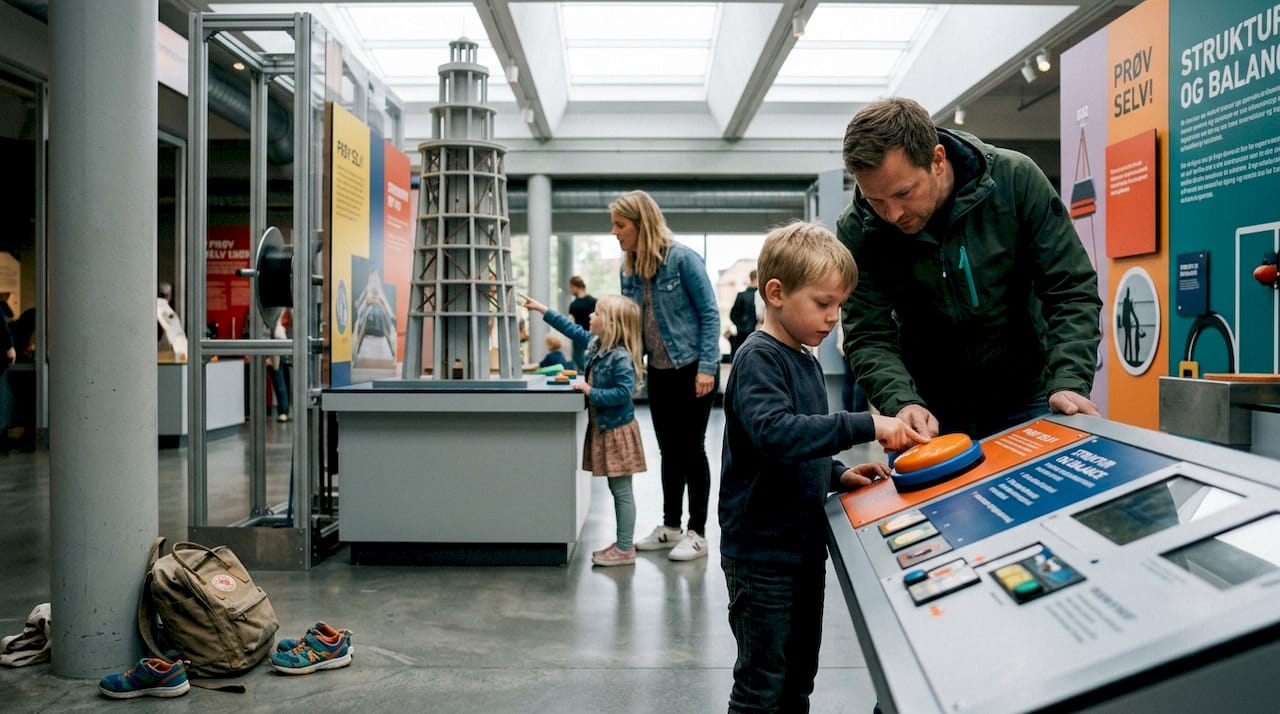
Now that we have opened up the possibility for museums to be much more than just information behind glass, we are taking a closer look at what can specifically make a museum exciting for children. It's not just about colorful signs hanging or a small playhouse in the corner. A truly child-friendly museum is built on the idea that children learn best when they are allowed to touch, try, and experience for themselves.
Interactive exhibitions are the key. When children can press buttons, build models, or stand inside a reconstructed Viking hall, something special happens: they forget that they are learning. They are just curious and engaged. That's exactly the feeling the best museums manage to create.
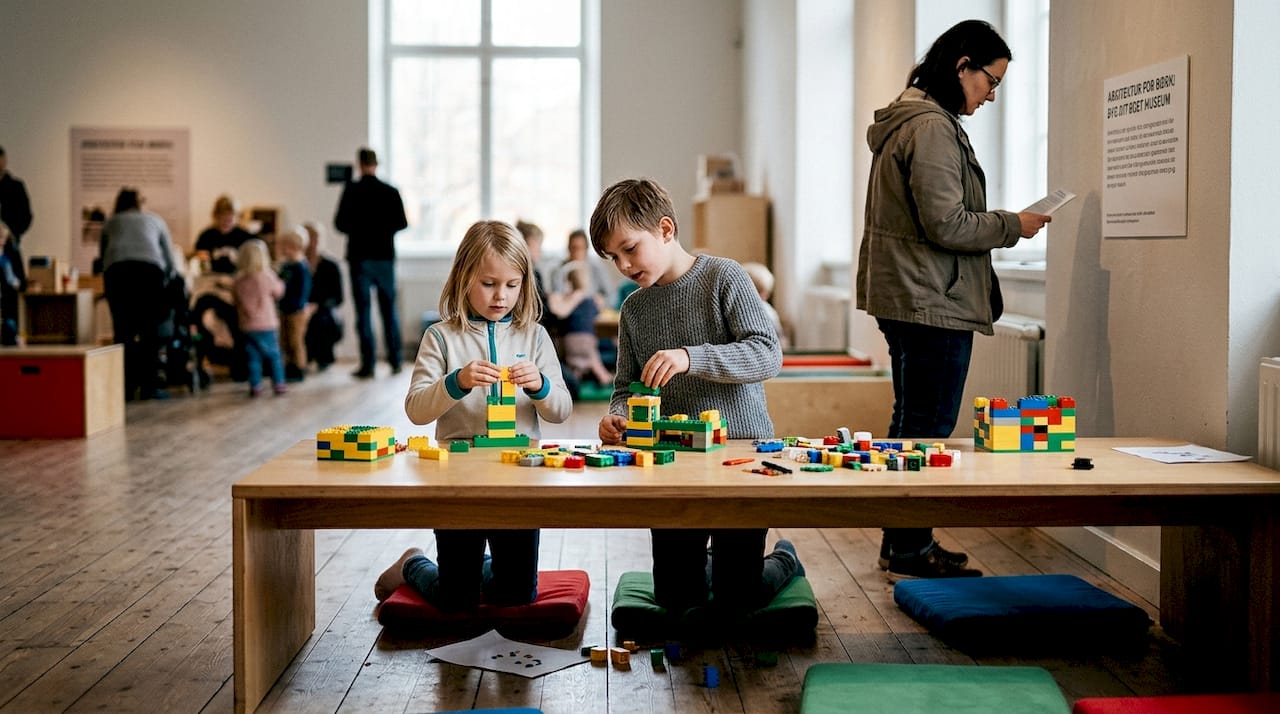
Many Danish museums offer workshops, interactive exhibitions and family rooms that make the visit an active experience rather than a passive tour. That means, as a parent, you don't have to worry about the children getting bored after ten minutes.
Here are the most important things to look for when choosing a child-friendly museum:
- Interactive stations where children can experiment and try things out
- Baby powder and family toilets for the smallest
- Leisure areas or quiet rooms where children can relax
- Children's programs and theme days with special activities
- Cafe or picnic area so you can take a break without leaving the museum
- Activities divided by age groups It fits your child's developmental stage
Theme days and workshops are an extra bonus. Many museums organize special events during school holidays and weekends, where children can participate in role-playing, craft activities, or treasure hunts. It significantly enhances the experience and gives the children something tangible to take home.
Professional tip: Check the museum's website or Everything about museum visits Before you leave. Many museums continuously update their programs with special children's activities, and it can make all the difference for your day.
The reward for choosing the right museum is great. Children who experience museums as fun and engaging places develop a curiosity for culture and history that they carry with them throughout their lives. It is an investment in much more than just a single day out.
The best child-friendly museums in Denmark
When you know what to look for, it becomes easier to choose the ideal museum. Here you get an overview comparing some of Denmark's most popular family museums.
The National Museum and Experimentarium are among the most visited Child-friendly museums in Denmark, and it's not without reason. Both places manage to combine academic depth with activities that engage children across different ages.
| Museum | By | Best for age | Special activities |
|---|---|---|---|
| The National Museum | Copenhagen | 4 years and up | Viking exhibition, children's room, treasure hunt |
| Experimentarium | Hellerup | 3 years and up | Experiments, science shows, climbing structures |
| ARoS Aarhus Art Museum | Aarhus | 6 years and older | Creative workshops, rainbow walk |
| Natural History Museum | Aarhus | 4 years and up | Dinosaurs, animals, interactive exhibitions |
| Denmark's Technical Museum | Elsinore | 5 years and older | Cars, plane, train driving, experiments |
Each of these museums has its own strength. Experimentarium is especially good for children who love to touch and try things out. Here they can do experiments, climb, and explore science in a way that feels more like play than teaching. The National Museum is perfect if the family is interested in Denmark's history, and the National Museum for families has special rooms and activities aimed at the youngest visitors.
Some good thumb rules for matching museums with children:
- Under 4 years old: Choose museums with open play areas and short exhibition routes
- 4 to 7 years Interactive stations and visual exhibits work best
- 8 to 12 years Workshops, treasure hunts, and in-depth themes keep the interest.
If you want to see more more child-friendly attractions In Denmark, there is plenty of inspiration to be found for the whole family's next outing.
How to plan a good museum day with children
Once you have chosen the museum, it only requires a little planning to ensure that the visit becomes a memorable and enjoyable experience for everyone. Good planning can make all the difference about the experience and the family's benefit, and fortunately it is not complicated.
Follow these steps for a successful museum day:
- Choose the museum based on the children's age and interests. Ask the children what they think sounds funny, and let them be part of the decision. It increases engagement even before you arrive.
- Book tickets online in advance. Many museums offer discounts for advance booking, and you avoid queues at the entrance.
- Plan the arrival early in the day. Museums are quietest in the morning, and children are the freshest. It provides the best experience for everyone.
- Pak mad og snacks. Sultne børn mister hurtigt interessen. A lunchbox or some snacks in the bag can save the day.
- Build breaks into the plan. Plan a stop every 45 to 60 minutes where children can run around a bit or just relax.
- Check the facilities before departure. Make sure to know where the changing rooms, toilets, and café are located so you don't waste time searching.
The best museum day is the one where you don't try to see everything. Choose two or three exhibitions, go in depth, and let the children set the pace.
Professional tip: Look for child-friendly attractions near the museum so you can combine the visit with a little walk or lunch outside. It provides a natural pause and makes the whole day a greater experience.
One thing many parents forget is to prepare the children in advance. Tell them a little about what you will see, and ask them a question they can look out for answers to during the visit. It creates anticipation and focus.
Fun activities and learning at the museum
Now that you have the logistics planning under control, the next step is to make the museum day extra fun and educational with the right activities. Many museums offer family workshops and interactive events that bring the content to life for children in a way no book can.
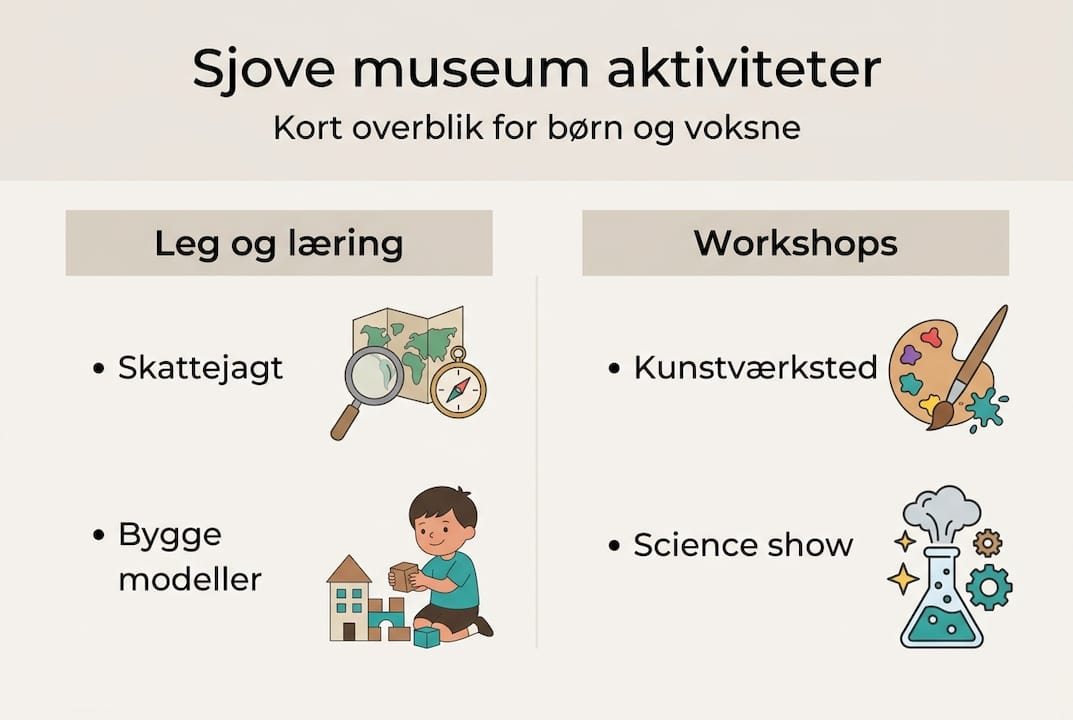
Here are the most popular types of activities at Danish museums:
| Activity | What children learn | Best for age |
|---|---|---|
| Treasure Hunt | Observation, problem solving | 4 to 10 years |
| Role-playing and drama | Empathy, understanding of history | 6 to 12 years |
| Craftsmen's workshop | Creativity, fine motor skills | 5 to 12 years |
| Science experiments | Natural science, curiosity | 4 to 12 years |
| Guided story | Lighting, fantasy | 3 to 8 years |
Treasure hunts are particularly effective because they give children a concrete goal to work towards. Instead of wandering around and looking at objects, they actively search for answers and details. It sharpens the attention and makes the exhibitions much more interesting.
Role-playing and drama are another favorite. When a child is allowed to dress up as a Viking or a medieval knight, something magical happens: history suddenly becomes real. It is one of the strongest learning methods we know.
As a parent, your role is important. You don't need to know everything about the exhibitions, but you can:
- Still open questions What do you think this is used for?
- Follow the child's curiosity prefer to navigate along a fixed route
- Participate in the activities Look, so the child sees that it's fun for everyone
- Major discoveries and show excitement when the child finds something interesting
You can find even more inspiration for family activities at museums og creative cultural activities around Denmark, if you want to expand your experiences.
Therefore, museums are the perfect family experience
Most underestimate what a museum visit actually offers children. It's not just about learning facts about Vikings or dinosaurs. It's about practicing wonder, asking questions, and seeing the world from a different perspective. These are skills that go far beyond school hours.
There is something we often overlook: museums are actually one of the few places where parents and children experience something new. togetherWe are both beginners. None of you know everything. It creates a completely different dynamic from everyday routines, and it is here that the strongest conversations happen.
Our experience is that the best family experiences do not happen when everything is planned down to the smallest detail. They arise when adults let go of control and let children's curiosity lead. A child who suddenly stops in front of an old sailboat and asks ten questions in a row is a child deeply engaged in the world.
Museums are not just cultural obligations. They are places where family holiday with culture becomes something that the whole family talks about for years. Give it a chance, and you will discover that your children are asking to come back.
Easily plan your next family adventure
Now you have everything you need to plan a fantastic museum day with the family. But why stop there? Denmark is filled with experiences suitable for children and adults of all ages. On Rejs in Denmark, you will find plenty of inspiration for more family experiences around the country, from natural attractions to historical sites and fun activities. Use our practical Checklist for a day trip To ensure that you do not forget anything important, and since it is your first time exploring Denmark, our Visitor's guide A solid starting point. Your next adventure awaits.
Frequently Asked Questions About Child-Friendly Museums
Which museums in Denmark are best for young children?
The National Museum and ARoS have special family activities, and Experimentarium is also an excellent choice with lots of interactive options for the little ones.
How do I make the museum more fun for my child?
Have treasure hunts, participate in workshops, and make room for play along the way. Many museums have activities aimed at children and families, which significantly enhance the experience.
What facilities should I look for at child-friendly museums?
Look for playrooms, puzzle facilities, café areas, and family-friendly toilets. Many child-friendly museums have good facilities that make the visit easy and enjoyable for the whole family.
Can I bring a packed lunch to the museum?
Some museums offer picnic areas or special dining rooms for families, but it is always a good idea to check the rules of the specific museum before the visit.
Recommendation
- Guide to Museum Visits: Everything You Need to Know – Travel in Denmark
- Museum visit with the family: guide to success in Denmark 2026 – Travel in Denmark
- 7 family-friendly activities guide with learning and fun – Travel in Denmark
- Why Visit Museums – Culture, Learning, and Community – Travel in Denmark