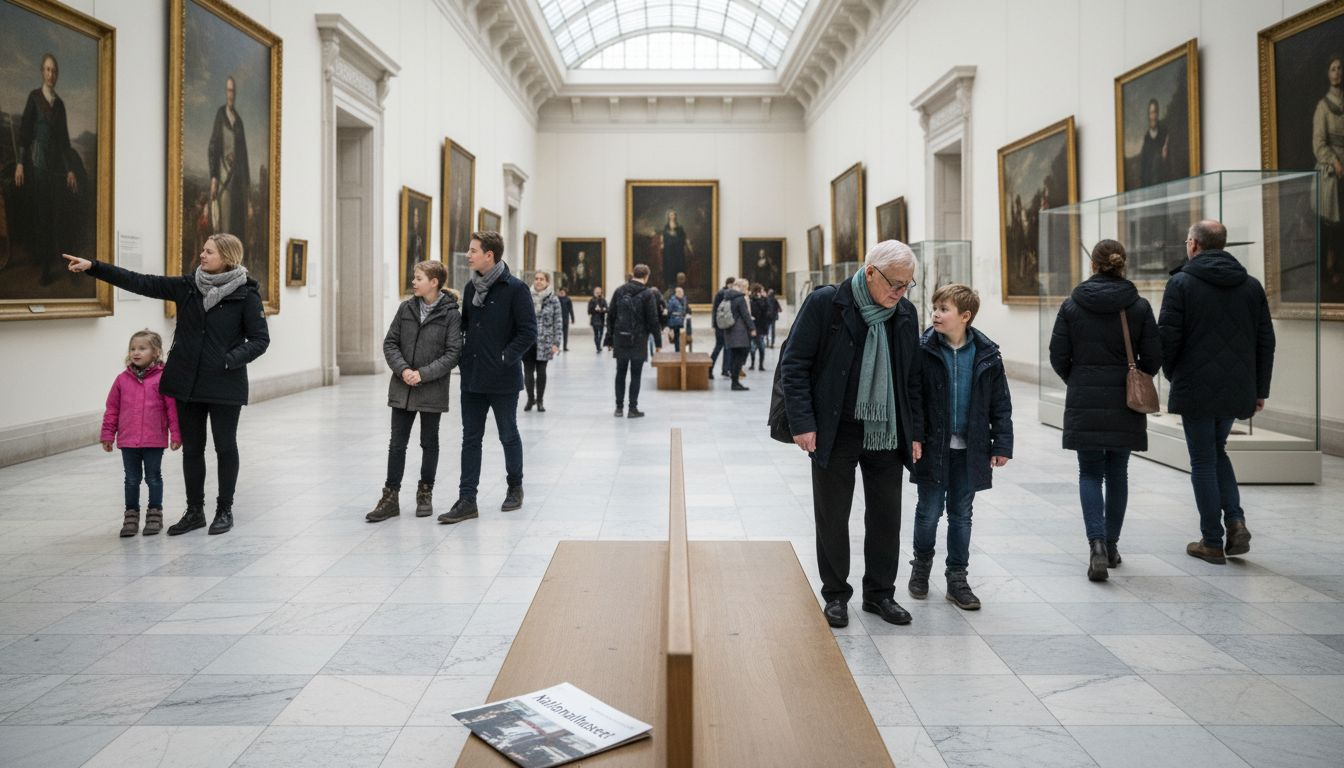
Over one million people visit museums in Denmark annually, highlighting their importance as gathering places for both knowledge and community. Museums play a central role in preserving and transmitting Danish cultural heritage, while also opening the door to new perspectives and mutual understanding. Whether you are curious about history, art, or the local environment, the museums offer ample opportunities to explore Denmark's cultural diversity up close.
Museums in Denmark and Their Cultural Role
Museums constitute a fundamental part of Danish cultural heritage and have historically played a crucial role in the formation of society and the development of identity. Through generations, these institutions have been more than just exhibition venues – they have been living platforms for Cultural understanding and national self-reflection.
The historical development of Danish museums is fascinating. They began as enlightenment institutions in the 19th century and have gradually transformed into dynamic, inclusive spaces that not only preserve history but also actively interpret and communicate it. Museums in Denmark have consistently contributed to strengthening national identity by creating connections between the past and the present, making them central hubs for cultural learning and dialogue.
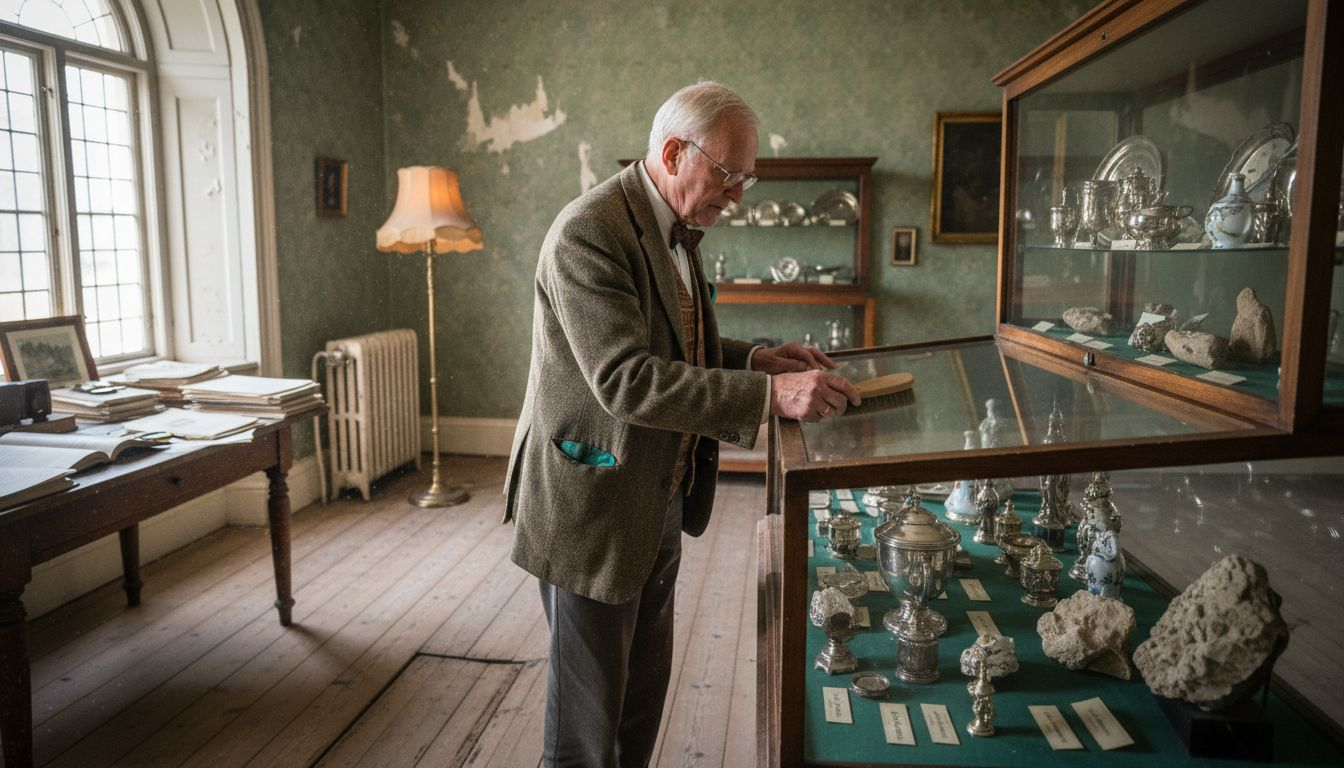
Today, Danish museums function as complex cultural ecosystems. They fulfill several important roles: they are simultaneously educational institutions, historical archives, research centers, and social meeting places. Their significance extends far beyond merely displaying objects – they create space for critical thinking, intercultural understanding, and shared memory. This multifaceted approach has made museums indispensable institutions in Danish democratic society.
Professional museum tipAlways prepare yourself before a museum visit by checking the website for special exhibitions, guided tours, and any special events that can give you an even deeper insight into the themes and historical context of the exhibition.
Different types of museums and their unique offerings
Denmark is home to an impressive diversity of museums, each offering unique cultural experiences and insightsThese institutions extend far beyond traditional exhibition spaces and serve as living platforms for learning, communication, and cultural understanding.
The landscape of museums can be divided into several central categories. art museums Primarily focuses on visual art and presents everything from classical paintings to modern installations. Cultural and historical museums On the other hand, offers immersive stories about our social and historical development, where The building culture plays a central role in communicationThese museums not only document history but also create active dialogues between the past and the present.
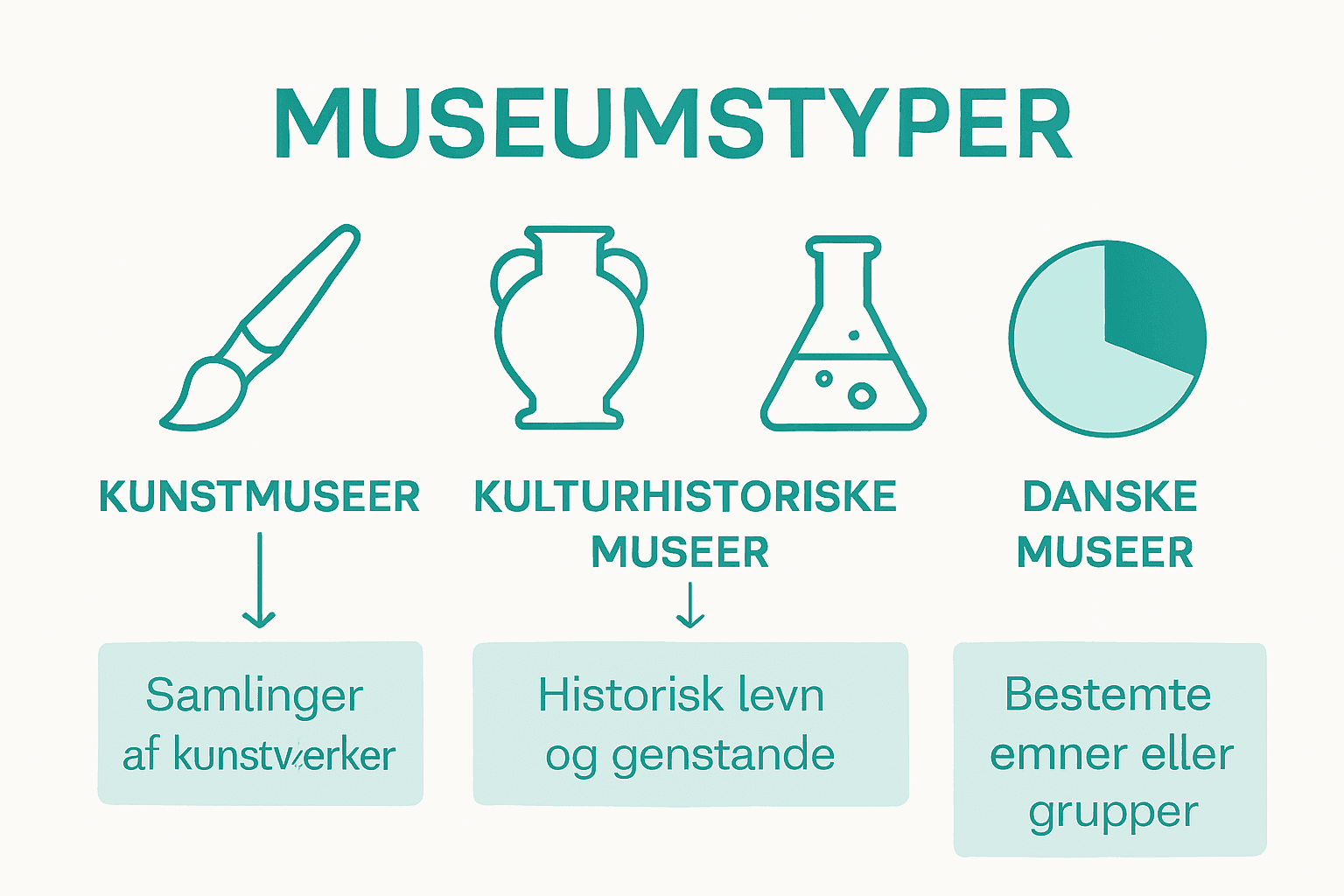
In addition to art and cultural history museums, we also find specialized museums that delve into specific themes. Here you can experience everything from technical museums and natural history collections to maritime museums and local history centers. Each type of museum has its own unique focus and contributes in its own way to preserving, communicating, and explaining important aspects of our shared cultural heritage.
For an overview of the different types of museums and their focus, see this comparison:
| Type of museum | Primary focus | Examples of experiences |
|---|---|---|
| Art Museum | Visual art | Painting exhibitions, modern installations |
| Cultural History Museum | Social and historical development | Building culture, local history |
| Special Museum | Specific themes | Technology, natural history, maritime culture |
Museum Visit Profit TipBuy an annual pass to your favorite museums, as this is often more cost-effective and provides unlimited access to exciting exhibitions all year round.
Learning, inspiration, and personal experiences
Museum visits are about much more than just looking at exhibited objects. It is an in-depth journey into knowledge, emotions, and personal growth, where each exhibition invites reflection and discovery. Learning It is not only through visual observation, but through active engagement and intellectual curiosity.
For young people, museum visits are particularly meaningful. Young people between 15 and 24 years old have a high cultural consumption, where community and accessibility play a crucial role.They are not only seeking information but authentic experiences that connect them with historical stories and cultural nuances. Museums offer exactly these unique learning environments, where knowledge is conveyed through interactive exhibitions, personal stories, and immersive experiences.
Inspiration arises from the encounter between the individual and the cultural heritage. Each exhibition has the potential to awaken new perspectives, challenge existing notions, and stimulate creative thinking. Personal experiences at museums are about creating connections – between the past and the present, between different cultures, and between individual and collective stories. This is where learning transforms from passive reception to active interpretation.
Museum Exploration Profit TipActively participate in guided tours and use the interactive elements at the museum, as this significantly enhances your learning and understanding compared to just wandering around on your own.
Family-friendly activities and interactive exhibitions
Danish museums have transformed from passive exhibition spaces to dynamic, family-friendly learning environments where interaction and engagement are prioritized. Children and adults are invited to explore, touch, and experience history through the senses and active participation, creating unforgettable shared experiences.
Museums attract families through inclusive activities, where social events and interactive experiences are central. Interactive exhibitions replaced the traditional displays with touch prohibition signs. Now children can experiment, ask questions, and actively participate in storytelling through specially designed child-friendly zones, digital installations, and hands-on learning stations.
Cultural history museums particularly focus on creating inclusive spaces. By starting from local stories and using modern communication methods, they invite the whole family to explore the cultural heritage together. Children can dress up, solve historical puzzles, operate old machines, and experience history as a lively, relevant story instead of just a collection of dusty objects.
Family Museum Profit TipCheck the museum's website in advance for specific children's activities and planned family-friendly events so you can prepare the children and maximize your museum experience.
The importance of museums for local tourism and community
Museums are much more than just historical exhibition spaces – they are dynamic hubs that drive local tourism, strengthen community spirit, and create economic value for communities across Denmark. These cultural institutions function as magnets, attracting visitors from both domestic and international sources and creating lively stories about local history and cultural heritage.
Cultural-historical museums play a crucial role in communicating Danish cultural heritage by creating engagement and connections between people and their local history. Through innovative communication methods and location-specific exhibitions, museums enhance local identity and provide tourists with authentic insights into the soul and traditions of Danish communities.
Economically, museums function as important catalysts for local tourism. They not only create jobs directly at the institutions but also generate indirect effects for local restaurants, shops, and accommodation facilities. Tourists spend money in the local area, which stimulates the local economy and creates a lively, dynamic environment that strengthens the sense of community among residents.
Here you see how museums contribute to both learning and the local community:
| Role for the museum | Impact on society |
|---|---|
| Education Platform | Fosters critical and creative thinking |
| Tourist attraction | Creates local economic growth |
| Social meeting place | Strengthens identity and community |
Local Tourism ProfitabilityAlways check the local museums' seasonal programs and special exhibitions, as they often contain unique experiences that can give you a deeper understanding of the place's history and culture.
Discover Denmark's Museums and Make Your Visit Memorable
Museum visits can be a challenge when you want both learning, inspiration, and family-friendly activities for all ages. It can be difficult to find the best museums that both convey cultural heritage vividly and offer engaging experiences that strengthen community. Therefore, it is important to plan your museum visit with a focus on interactive exhibits and local cultural stories that create a deeper connection to history.
On Travel in Denmark You easily find access to detailed descriptions of museums across the country, including child-friendly activities and current special exhibitions. Use our smart search function to filter experiences by age, price, and season so the whole family gets the most out of the visit. Start your cultural journey today and experience how visiting museums can enrich both mind and soul. See all options on Travel in Denmark and find the perfect museum for your next trip.
Make the museum experience more than just a visit and get inspired right now by exploring our comprehensive guide to Danish museums focusing on learning, culture, and community.
Frequently Asked Questions
What are the benefits of visiting museums?
Visiting museums provides opportunities for cultural understanding, learning, and social interactions, fostering a deeper connection to our shared history and identity.
How can I best prepare for a visit to a museum?
Prepare yourself by visiting the museum's website to check current information about special exhibitions, guided tours, and events. This gives you a better insight into the themes of the exhibitions.
What types of museums are there in Denmark?
There are many types of museums, including art museums, cultural history museums, and specialized museums. Each type offers unique experiences and insights into different aspects of our cultural heritage.
How can museums contribute to local tourism and community?
Museums function as tourist attractions that generate economic growth and strengthen community spirit by engaging both locals and visitors in culture and history.