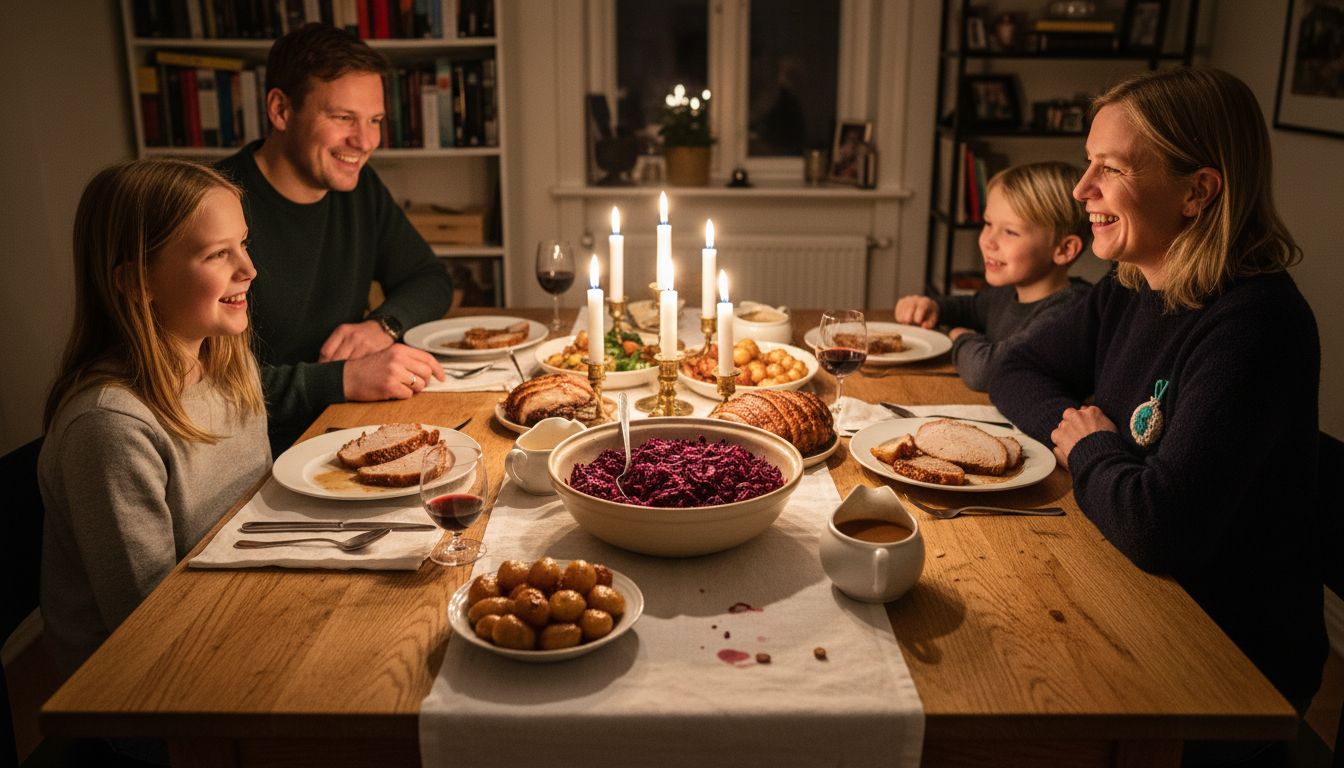
Over 80 percent of Danish families serve red cabbage at Christmas dinner every year. It's not just a matter of taste, but also of culture and tradition, which have deep roots in Danish society. Red cabbage tells a story about Danish agriculture, regional differences, and social changes. Here you get insight into the journey of red cabbage from medieval fields to modern celebration tables and the diversity of Danish cuisine.
The origin and historical distribution of red cabbage
Red cabbage has deep roots in Danish agriculture and represents a robust part of our culinary heritage. By the Middle Ages, cabbage was already an important part of the Danish diet, where the population needed nutritious and durable vegetables that could survive the cold winters. Red cabbage It arose as a natural variant of the white cabbage varieties and quickly spread through the villages as a valuable food source.
In early agriculture, red cabbage was cultivated as a practical and nutritious crop. The farmers quickly discovered that this type of cabbage was not only healthy but could also be pickled and stored for long periods without losing its nutritional value. The Christmas traditions in Denmark Clearly showing how red cabbage gradually became a central part of Danish cuisine, especially in connection with festive meals and holidays.
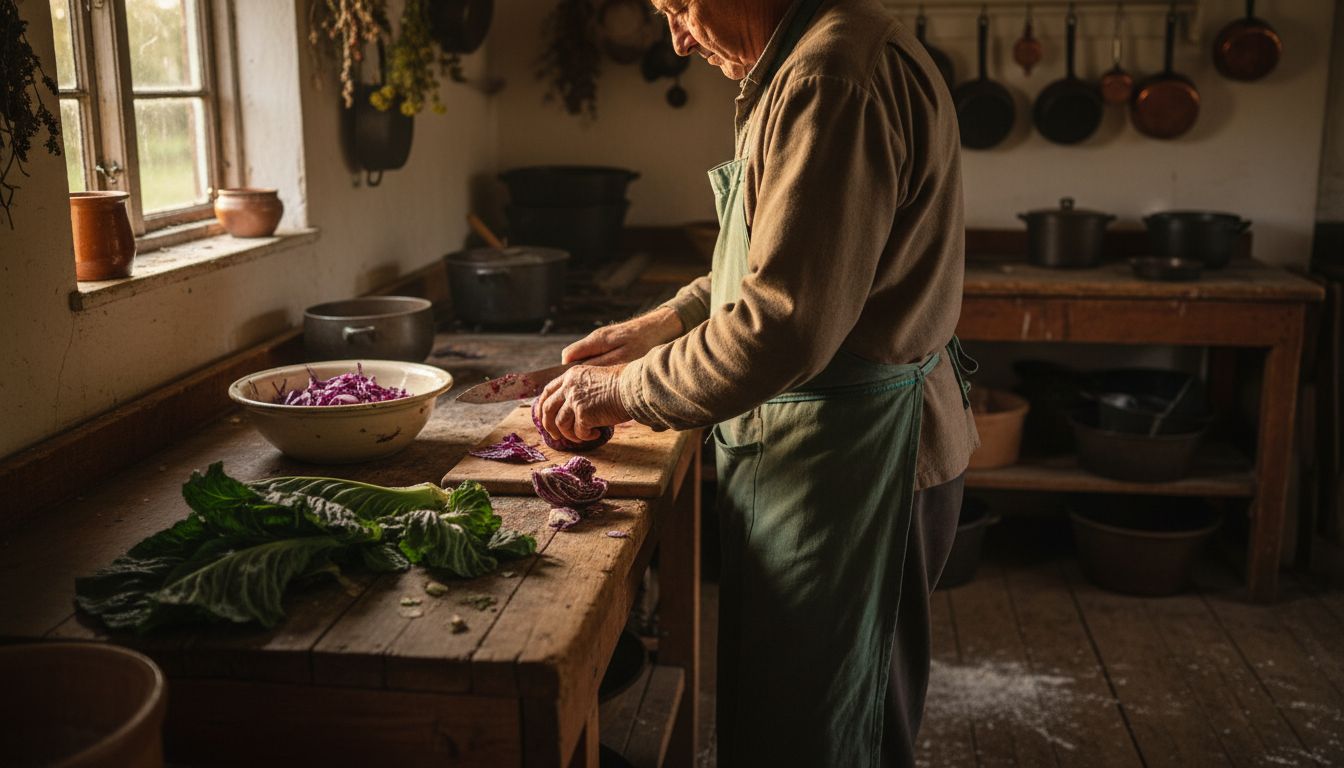
The historical spread of red cabbage was closely linked to the existence of Danish rural communities. From simple basic kitchens to more advanced households, red cabbage quickly became an indispensable element in cooking. Its rich color, distinctive flavor, and nutritional benefits made it a preferred vegetable for generations. Today, red cabbage remains a beloved part of Danish cuisine, especially as an indispensable accompaniment to traditional Christmas dishes, symbolizing continuity and respect for our culinary heritage.
Different Danish variations of red cabbage
Red cabbage has over the years developed into a diverse and creative vegetable with numerous regional and local variations throughout Denmark. Pickled red cabbage It is the most classic and widespread version, traditionally included as a central part of the Danish Christmas table and festive meals. The different regions indeed have their own unique approach to preparation, creating an exciting culinary diversity.
In Jutland, you often find a stronger and more spiced version with extra additions of spices such as cloves and cinnamon, while the red cabbage in Zealand is typically milder and more delicate. Danish Christmas meals showing how each region has its own特色 when it comes to preparing red cabbage. Some families add apples to give a sweet undertone, while others prefer a more tart flavor by using vinegar or red wine in the cooking process.
The modern variations range from classic recipes to more experimental interpretations. Some chefs experiment with adding exotic spices or alternative sweeteners like honey or maple syrup. Andre chooses to cook the red cabbage in the oven, which gives a different caramelized flavor compared to the traditional stovetop method. Regardless of the variation, red cabbage is still an indispensable element in Danish cuisine, connecting us to our culinary traditions and creating a sense of homely warmth and community.
The role of red cabbage in Danish holidays
Red cabbage has a deeply rooted significance in Danish holiday traditions, especially during Christmas time, where it appears as an indispensable part of the festive meal. The composition of the Christmas party The town would simply be incomplete without the characteristic red vegetable, whose tangy and sweet flavor complements traditional dishes such as duck, roast pork, and blood sausage.
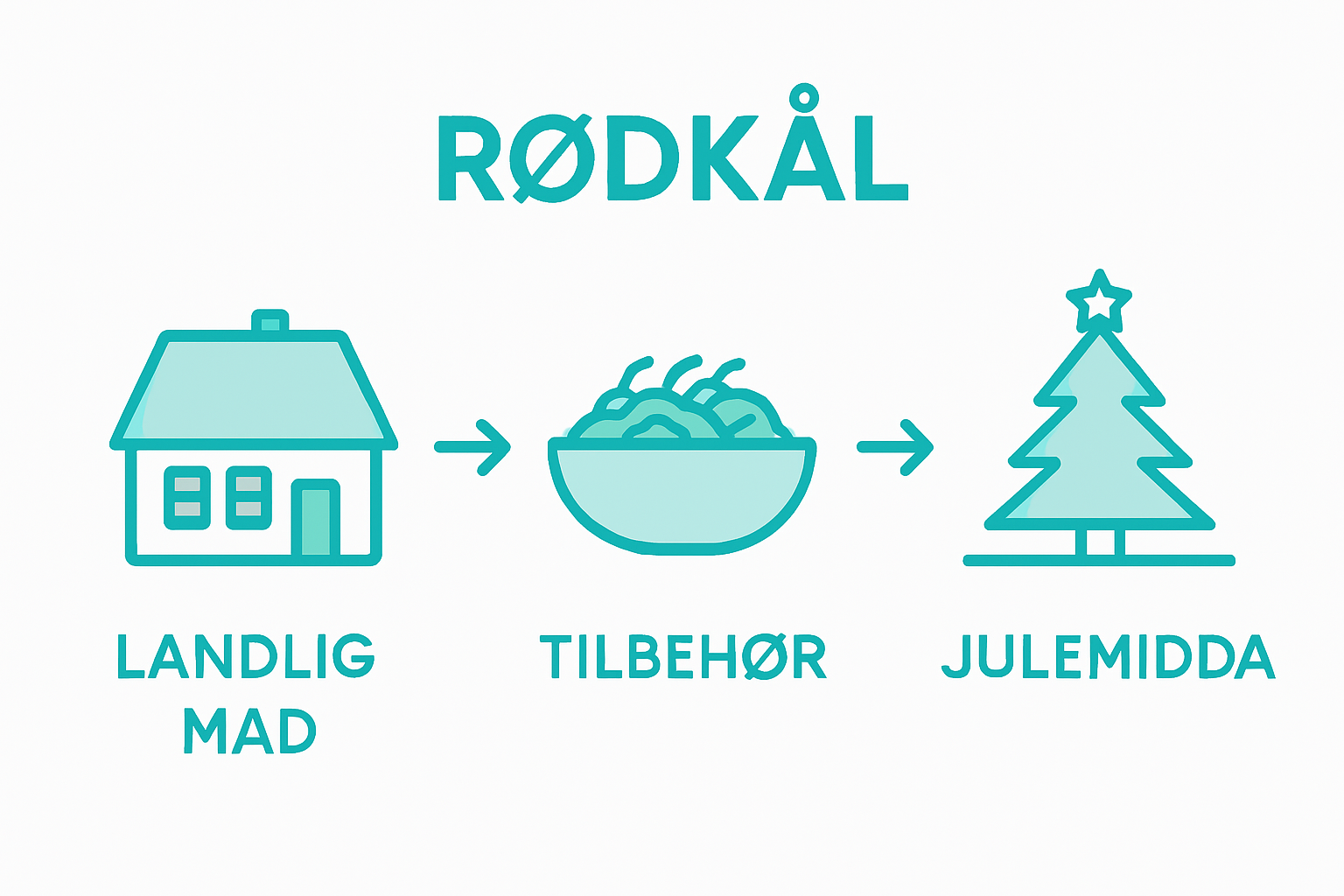
Danish Christmas celebrations showing how red cabbage is more than just a side dish, but rather a central culinary tradition that connects generations. In many families, the preparation of red cabbage has become a sacred ritual, where recipes are passed down from grandparents to grandchildren, emphasizing its deep cultural significance.
In addition to the Christmas festivities, red cabbage also plays a central role in other major family events such as confirmations, weddings, and big birthdays. It functions as a piece of living cultural heritage that connects Danish traditions and creates a sense of community and continuity. Whether served hot or cold, sour or sweet, red cabbage represents a unique part of Danish food culture that is about much more than just nutrition.
How red cabbage became a people's favorite
The spread of red cabbage from a simple farm vegetable to a national culinary icon is a fascinating story of social and gastronomic change. The Agricultural Society played a crucial role in this transformation, where red cabbage gradually shifted from being a purely survival food to a valued element in Danish cuisine. Dens durability, nutritional value, and relatively low production costs made it a perfect vegetable for poor families.
Danish food traditions showing how the red cabbage slowly moved up through the social layers. From being considered a simple peasant food, it began to appear on the tables of wealthier families, first as an inexpensive side dish and later as a respected component of the national cuisine. This social mobility is not only due to its nutritional value but also its ability to absorb and highlight the flavors of other dishes.
During that time 19th og The 20th century saw red cabbage become a symbol of Danish cuisine that transcended social boundaries. It became a link between generations, a vegetable that could be served both in simple peasant kitchens and in fine restaurants. Its ability to adapt to various cooking methods and regional taste preferences made it a true folk favorite, representing Danish culinary culture in all its diversity and richness.
Today's red cabbage: Production and use
In modern Danish agriculture red cabbage production Underwent significant professionalization, ensuring high quality and consistent production. Danish farmers today cultivate red cabbage with great expertise, where modern agricultural technology and sustainable cultivation methods ensure optimal growth conditions for this popular vegetable. The productions focus on varieties that are particularly suitable for the Danish climate and soil conditions.
Danish food traditions shows that today's red cabbage is not only limited to traditional preservation but also incorporated into modern gastronomy. Chefs and food producers are increasingly experimenting with red cabbage, resulting in everything from innovative salads and smoothies to gourmet preparations that challenge traditional perceptions of this classic vegetable.
The possibilities for using red cabbage are almost unlimited today. From industrial production of pickled products to the creative dishes of organic restaurants, red cabbage represents a vegetable that manages to balance between traditional food culture and modern culinary trends. Its nutritional value, shelf life, and versatility make it a strategically important food element in Danish cuisine, which continues to attract the attention of both Danish and international food enthusiasts.
Experience Denmark's Rich Cultural Heritage and Culinary Traditions
Red cabbage is more than just a vegetable; it is a part of Denmark's deeply rooted Christmas traditions and folk food culture. Have you ever wanted to understand how this simple dish connects generations and regions through taste and history? Then we invite you to delve deeper into Danish holidays and cultural experiences where red cabbage plays a role. On Travel in Denmark Can you find authentic Christmas events, visit historic farms, and experience local markets that celebrate this particular form of culinary cultural heritage.
Take the next step and experience how Denmark's culinary traditions and historical backgrounds can enrich your journey. Find inspiration for activities and events that offer both taste experiences and cultural insights. Explore Christmas traditions in Denmark or learn more about Danes' festive meals before planning your visit. Start your journey today and create memories that delight both the palate and the soul by visiting Travel in Denmark.
Frequently Asked Questions
What is the origin of red cabbage?
Red cabbage originates from the white cabbage varieties and has been an important part of Danish cuisine since the Middle Ages, where it was cultivated as a durable vegetable.
How is red cabbage traditionally prepared in Denmark?
Traditional pickled red cabbage is the most popular preparation method, often spiced with apples, cloves, and cinnamon to add flavor.
What role does red cabbage play in Danish holidays?
Red cabbage is an unavoidable part of the Christmas table and complements dishes like duck and roast pork. It also symbolizes continuity in Danish food traditions.
What makes modern red cabbage unique compared to traditional recipes?
Modern red cabbage is used in innovative dishes such as salads and smoothies, demonstrating its versatility while still maintaining its place in traditional Danish cuisine.
Recommendation
- What Do People Eat at Christmas in Denmark: The Complete Guide – Travel in Denmark
- How to make a Christmas duck from start to finish – Travel in Denmark
- How to Celebrate Christmas in Denmark: Everything You Need to Know – Travel in Denmark
- Christmas traditions in Denmark: Everything You Need to Know – Travel in Denmark