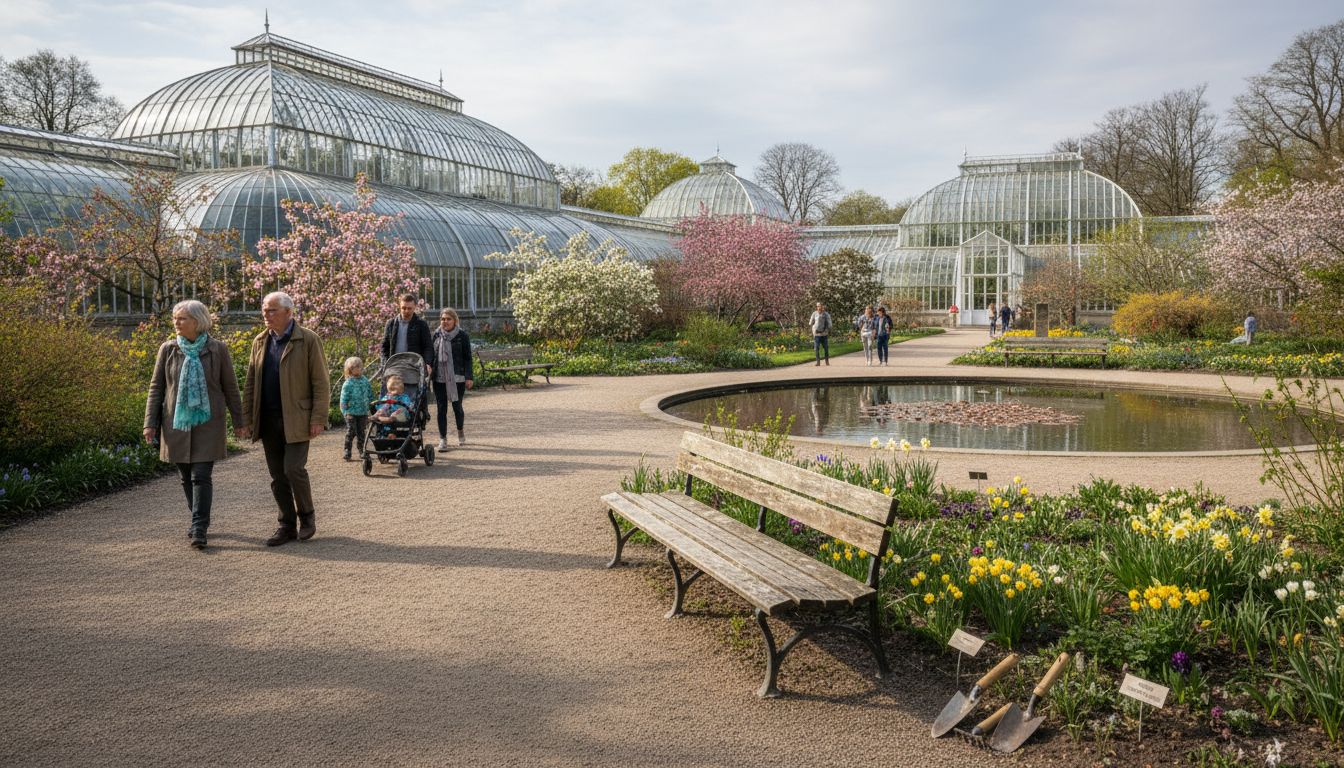
More than 8,000 different plant species grow side by side in the Botanical Garden in Copenhagen. Botanical gardens not only fascinate with their wild beauty but also serve as important knowledge centers where rare and endangered plants are carefully protected and studied. For both curious families and nature enthusiasts, it is a place where experiences and research come together in harmony, and where you can discover the diversity of nature, regardless of age.
What botanical gardens are and their purpose
Botanical Gardens The specialized green areas aimed at preserving, exploring, and presenting the plant world in a systematic and scientific manner. These wonderful places function as living museums, where plants from around the world are gathered, cultivated, and studied with great care. Its significance extends far beyond simply being beautiful green spaces.
The very core of a botanical garden lies in its three primary functions: preservation, education og researchHaverne actively work to protect endangered plant species, create genetic banks, and preserve biological diversity. By knowing explore the diversity of nature Can visitors and researchers gain insight into plants' complex ecosystems and their role in our global environment?
In Denmark, you can find several excellent examples of botanical gardens, many of which are affiliated with universities and research institutions. They not only offer a visual experience but also serve as important scientific platforms where botanists study plant growth, ecological relationships, and potential solutions to environmental challenges. The havens are living laboratories where plants from different climate zones are cultivated side by side, providing unique opportunities for comparative studies and research.
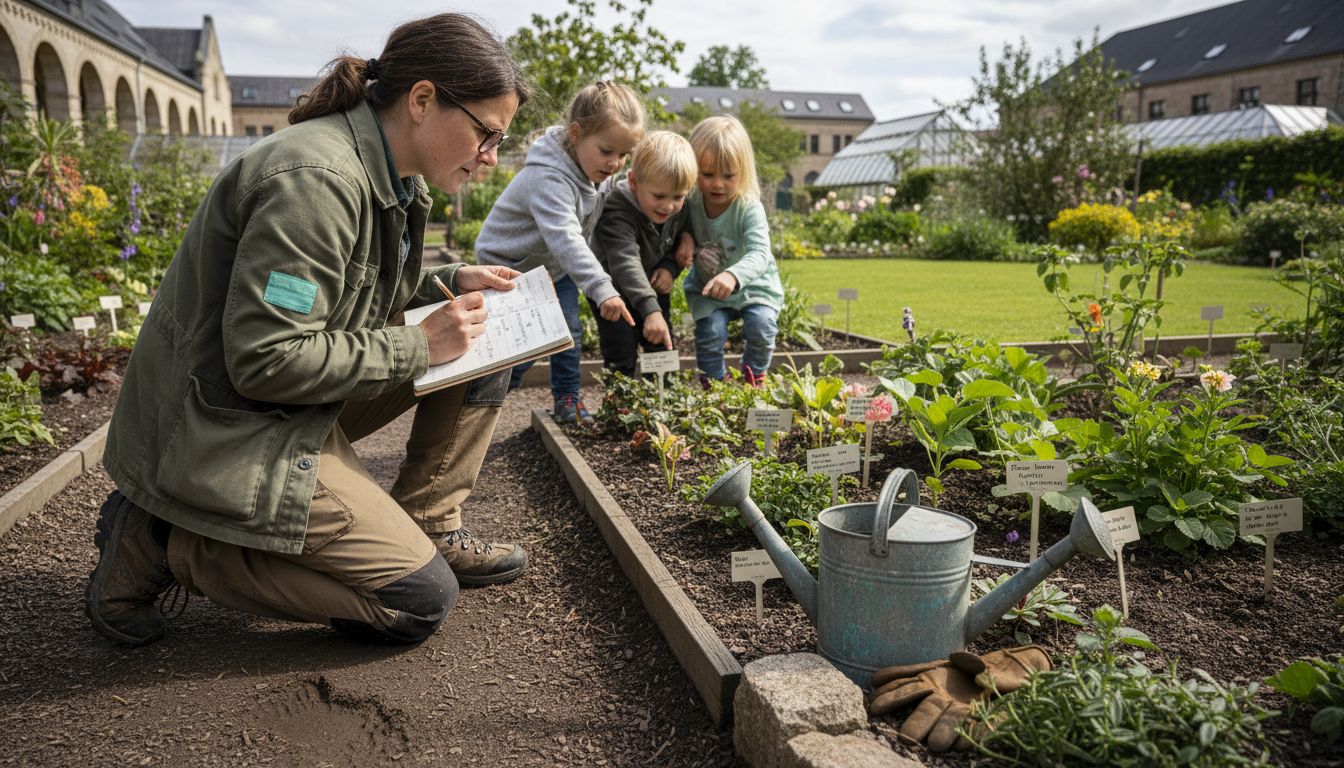
Botanical gardens also have an important educational role. Through guided tours, exhibitions, and educational programs, they raise awareness of the importance of plants, biodiversity, and the significance of nature conservation. They serve as bridges between science and the public, where complex ecological concepts are communicated in an accessible and inspiring way that appeals to both children and adults.
Different types of botanical gardens in Denmark
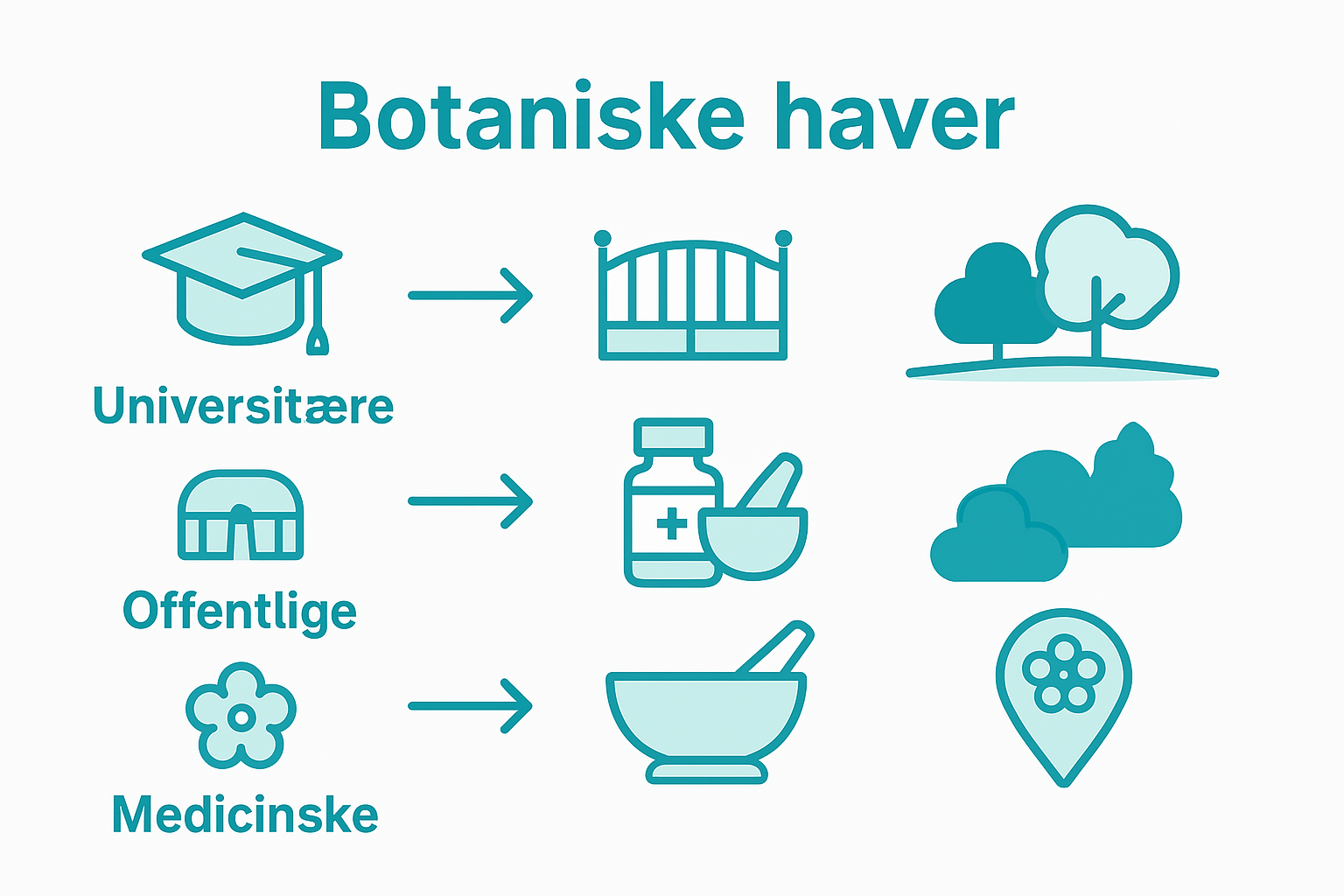
University Botanical Gardens constitutes an important category in the Danish landscape of botanical gardens. These gardens are typically associated with research institutions and have a strong focus on scientific exploration and education. They often contain rare and exotic plant collections used for studies in plant physiology, ecology, and genetics.
Another interesting type is the public botanical gardens, which are open to the public and have a broader dissemination mission. Bangsbo Botanical Garden in Frederikshavn represents an excellent example of the preservation of Denmark's wild plants.where visitors can experience the local flora and learn about the importance of plant conservation.
Medical and pharmaceutical botanical gardens constitutes a third important category. These specialized gardens focus on medicinal plants, medical botany, and the healing properties possessed by various plants. They play a central role in research and education in pharmacology and traditional herbal medicine.
Finally, one also finds botanical gardens, dedicated to specific plant groups or geographic regions. These gardens can focus on everything from succulents and cacti to alpine plants or tropical ecosystems, and they allow visitors to explore the incredible diversity of the plant world without leaving Denmark.
Unique collections and conservation efforts
Botanical collections represents more than just a collection of plants. They are living archives of biological diversity that document the complexity and beauty of plant species. These collections serve as critical scientific resources that enable research, education, and conservation efforts.
The Botanical Garden in Copenhagen houses one of Europe's largest living plant collections with 8,000 different plant species., where there is a special focus on the conservation of endangered plant species. The collection includes fascinating plant groups such as carnivorous plants, rare orchids, and impressive cacti, demonstrating the incredible diversity in the plant world.
The conservation effort in Danish botanical gardens is not only about collecting plants but also about actively protecting endangered species through international collaborations. These reservoirs function as important gene banks, where genetic material is preserved for future generations. For example, many Danish botanical gardens work closely with global networks to ensure the conservation of plant species threatened by climate change, habitat destruction, and other environmental challenges.
The local dimension of the conservation effort is also crucial. Bangsbo Botanical Garden in Frederikshavn demonstrates this through their dedicated section on Denmark's wild plants, where the purpose is to highlight and protect the national flora. Such initiatives not only contribute to scientific research but also raise public awareness of the importance of plant conservation and biodiversity.
Experiences and learning with children and families
Botanical Gardens the fantastic learning spaces for children and families, where curiosity and joy of discovery go hand in hand with education. These green oases offer children the opportunity to explore nature through interactive and sensory experiences that go far beyond traditional classroom teaching.
Most Danish botanical gardens have specially designed child-friendly zones where younger visitors can participate in hands-on activities such as plant cultivation, insect investigations, and interactive scientific experiments. Plan your family adventure with the children to get the maximum benefit from the visit.by preparing them for what they can expect and creating anticipation for the exciting discoveries that await.
Educational programs in botanical gardens are specially designed to stimulate children's interest in science. Through guided tours, treasure hunts, and interactive exhibits, children learn about the life cycle of plants, ecosystems, and the importance of biodiversity in a fun and engaging way. These experiences help to establish early environmental awareness and interest in science.
Because botanical gardens are perfect excursion destinations where generations can learn together. Children can explore the colorful flower beds while parents enjoy the peaceful atmosphere and educational aspects. Many gardens offer play areas, picnic spots, and family-friendly facilities, making them ideal destinations for an educational and relaxing family outing.
Comparison with other natural experiences
Botanical Gardens They stand out significantly from other natural experiences due to their focus on systematic plant communication and scientific exploration. While traditional natural areas offer more random experiences, botanical gardens represent an organized and educational approach to understanding nature.
Statistical data from Danish institutions show that nature experience sites vary significantly in their communication methods and audience interest., which emphasizes the unique position of botanical gardens. Compared to zoos or national parks, botanical gardens specifically focus on the plant world, providing a more detailed and in-depth experience.
When comparing botanical gardens with other natural attractions, their exceptional quality is highlighted by offering Systematic insight into the complex ecological dynamics of plant communitiesWhile forest walks or hikes offer a more random encounter with nature, botanical gardens provide a structured and educational approach to understanding plant interactions, growth conditions, and ecological significance.
Finally, botanical gardens distinguish themselves by their international perspective and scientific approach. They not only function as recreational areas but also as global knowledge centers where research, conservation, and education go hand in hand. This makes them much more than just a traditional nature experience and places them in a special category of scientific and cultural institutions.
Experience Denmark's Botanical Gardens in a New Way
Are you fascinated by plants and the diversity of nature but unsure where to start your exploration in Denmark? Botany can be experienced both as learning and adventure, but it can be a challenge to find the best places with the right communication and experiences for the whole family.
Med Travel in Denmark Do you want a complete guide to botanical gardens across the country where you can discover both university botanical gardens and blooming public gardens with a focus on conservation and education? Read more about how to plan your visit with children and family, and get recommendations for activities that make the experience both educational and fun. Also check out our tips for combining botanical gardens with other nature experiences and find hidden gems or large collections that match your interests.
Take control of your next adventure in Denmark's green oases and start your journey now on Travel in Denmark. Let your experiences flourish with knowledge and exciting excursions that bring joy to the whole family, and get inspired to explore botanical gardens beyond the ordinary.
Frequently Asked Questions
What is a botanical garden?
Botanical gardens are specialized green spaces where plants from around the world are preserved, explored, and presented in a systematic and scientific manner.
What functions do botanical gardens have?
Botanical gardens have three primary functions: conservation of endangered plant species, education about biodiversity, and research in plant systematics and ecology.
What can families and children learn in botanical gardens?
In botanical gardens, families and children can learn about the life cycle of plants, ecosystems, and the importance of biodiversity through interactive exhibits and educational programs.
How do botanical gardens differ from other nature experiences?
Botanical gardens focus on systematic plant communication and scientific exploration, providing a more detailed and educational experience compared to traditional natural areas.
Recommendation
- Understand Hiking Guide Denmark: Experience Nature – Travel in Denmark
- Benefits of Nature Experiences in Denmark: Complete Guide – Travel in Denmark
- Nature experiences in Denmark: The ultimate guide – Travel in Denmark
- 10 Attractions for Adventure Seekers in Denmark – Travel in Denmark
- Oxford Botanic Gardens: What to Do – Walking Tours of Oxford