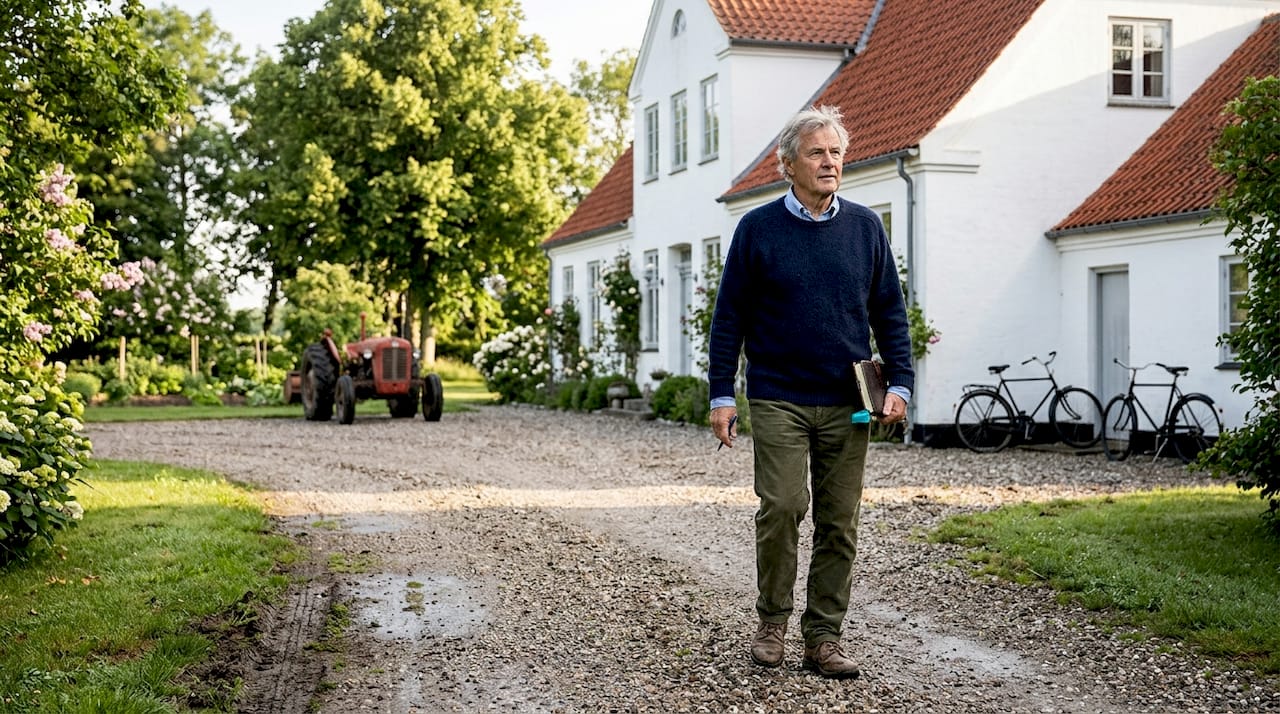
Many believe that a holiday at a manor house is just an expensive hotel stay in historic surroundings, but the reality is much more nuanced and culturally enriching. In Holiday at the manor Combining Denmark's royal heritage with modern comfort, it creates a unique holiday experience where history, nature, and authentic encounters blend together. For travelers interested in history and culture, manor house holidays offer the opportunity to step into the past while enjoying modern amenities and activities suitable for all ages. This article clarifies what a holiday at a manor entails, what experiences await, and how to plan the perfect cultural holiday in Denmark.
Main Points
| Point | Details |
|---|---|
| Definition of uniqueness | A holiday at a manor house is a historic accommodation experience that combines heritage and modern comfort, offering a unique cultural experience. |
| Family and Cultural Heritage | The holiday offer is aimed at families and culture enthusiasts who wish to experience architecture, art, and Danish history in authentic surroundings. |
| Activities and experiences | The experiences range from guided historical tours to nature walks and local culinary experiences. |
| Planning and tips | For an optimal experience, it is recommended to book guided tours in advance to secure a spot and gain a complete insight into the estate's history. |
Main points
| Aspect | Details |
|---|---|
| Definition | Accommodation and experiences at historic estates with modern facilities |
| Cultural value | Direct access to Danish history, architecture, and traditions |
| Family activities | Historical tours, nature walks, workshops, and seasonal events |
| Unique elements | Combination of authenticity, peace, and educational experiences |
| Planning | Book early, research transportation, and choose according to interests |
What does a holiday at a manor house in Denmark entail
A manor house is a historic estate, often dating back to the Middle Ages or the Renaissance, that has served as a center for agriculture, administration, and aristocratic life for centuries. Today, many of these impressive properties open their doors to guests seeking more than a standard vacation. A holiday at a manor offers a combination of historic atmosphere and modern comfort, unique to Denmark's cultural heritage.
Typically, the accommodation includes rooms or apartments in the main building, the wings, or renovated farm buildings, where original architectural details such as beam ceilings, stucco, and antique furniture are preserved. The atmosphere differs significantly from anonymous hotel chains, as each manor has its own history and character. Guests often gain access to private parks, lakes, and forests that are normally closed to the public.
Herregårdsferie particularly appeals to:
- Families seeking educational experiences for children in authentic environments
- Culture enthusiasts who appreciate architecture, art, and Danish history
- Nature lovers seeking peace in well-maintained parks and untouched nature
- Par, who desire romantic weekends in historic settings
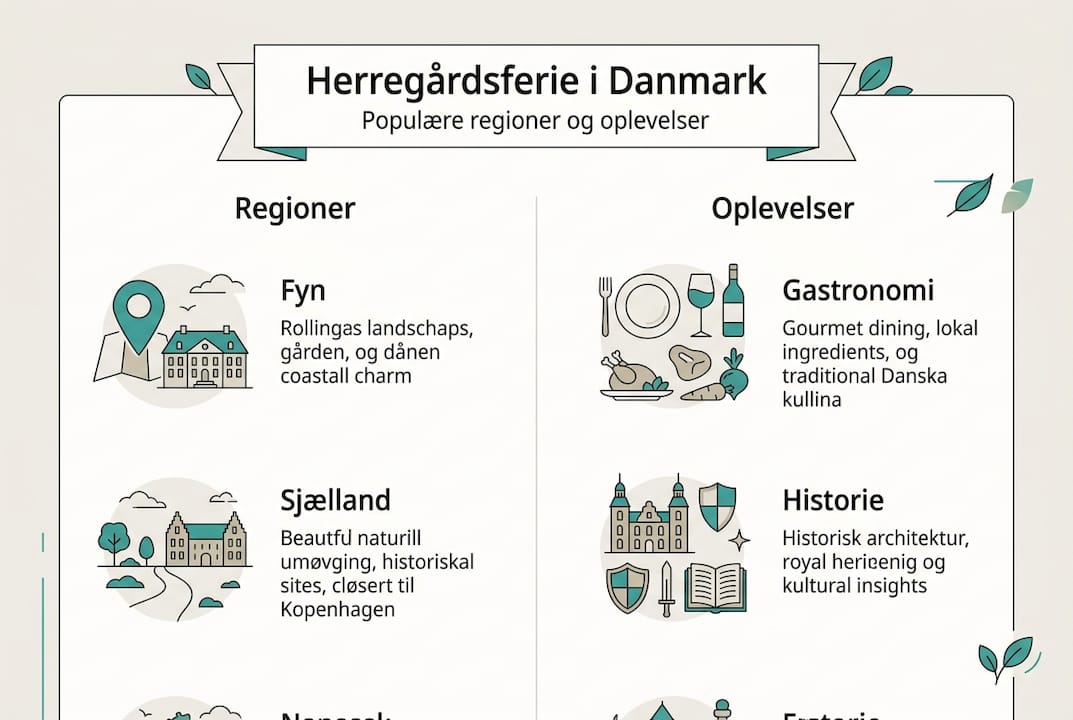
Popular regions for manor house holidays include Funen, often called "the Funen archipelago" with a dense concentration of estates, Zealand with easy access from Copenhagen, and Jutland with varied landscapes from coast to forest. Each region offers different architectural styles and historical periods, from medieval castles to baroque palaces and neoclassical mansions.
The appeal lies in the combination of exclusivity, authenticity, and the opportunity to experience Denmark in a way that connects the past with the present. Many country estates are still operated by the families that have owned them for generations, adding personal stories and local knowledge to the experience.
Experiences and activities during a holiday at a manor house
A manor house holiday is not just about overnight stays, but about the rich experiences that come with it. Heritage farm holiday includes activities from guided historical tours to nature walks and local culinary experiences, which together create a holistic experience far beyond traditional holidays.
Historical tours often serve as the focal point, where experienced guides talk about the role of the estates in Danish history, architectural styles, and the families that shaped the properties. Children are fascinated by stories of knights, noble feasts, and everyday life in olden times, while adults appreciate art collections, libraries, and restoration work.
Outdoor activities make use of the extensive grounds.
- Guided nature walks through private forests and parks focusing on Danish flora and fauna
- Fishing trips in the estate's lakes and streams, often with the opportunity to catch trout or pike
- Riding at the manor's stables with instructors who tailor the rides to experience
- Cycling tours on marked routes through the estate's fields and nearby villages
Family-friendly options include practical workshops where children learn traditional crafts such as bread baking, wool spinning, or wood carving. Many manor houses organize seasonal activities such as Easter egg hunts in the parks, harvest festivals in the fall, or Christmas markets with local crafts.
Professional tip: Book guided tours in advance to secure a spot and gain deeper insight into the manor's history. Guides can often open parts of the building that are normally closed and share personal anecdotes that are not found in brochures.
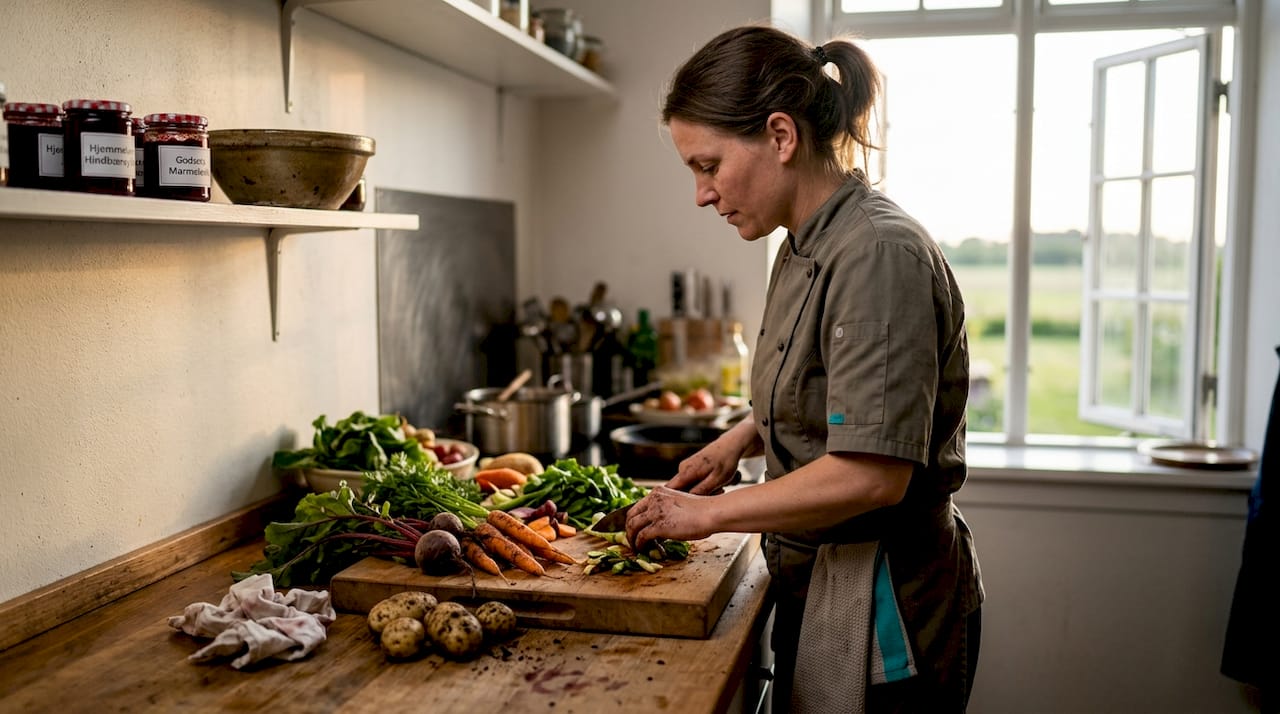
Culinary experiences often highlight regional gastronomy with ingredients from the estate's own production or nearby farms. Restaurants at manor houses serve traditional Danish dishes reinterpreted with modern techniques, and many offer cooking classes where guests learn to prepare classic dishes. Wine tastings with Danish wines or beer tastings from local breweries complement the gastronomic experience.
Seasonal festivals and cultural events such as concerts in parish churches, theater performances in baroque gardens, or art exhibitions in orangerys attract both guests and locals and create lively meeting places for culture.
How a manor house holiday differs from other types of holidays in Denmark
Denmark offers many types of holidays, but Herregårdsferie combines cultural depth with natural surroundings. in ways that are significantly different from beach holidays, city stays, or holiday parks. Understanding these differences helps travelers choose the holiday that best matches their interests.
Beach holidays primarily focus on relaxation, sunbathing, and swimming activities with a laid-back atmosphere, but often lack the cultural dimension and historical context. Vacation in Copenhagen, Aarhus, or Odense offers museums, shopping, and city life, but can feel hectic and miss the tranquility and contact with nature that manor houses provide. Holiday parks in Denmark delivers family-friendly facilities and activities, but the standardized experience may lack authenticity and local anchoring.
| Vacation form | Accommodation | Primary activities | Atmosphere | Cultural value |
|---|---|---|---|---|
| Manor | Historical buildings, unique rooms | Historical tours, nature, culture, gastronomy | Ro, exclusivity, authenticity | High: direct access to Danish heritage |
| Beach holiday | Summer houses, holiday apartments | Swimming, hiking, relaxing | Relaxed, informal | Make it medium: focus on nature |
| By ferie | Hotels, central apartments | Museums, shopping, restaurants, nightlife | Lively, pulsating | Medium to high: museums and attractions |
| Holiday Park | Standardized houses, pool areas | Pool activities, playgrounds, organized events | Family-friendly, social | Lav: fokus på underholdning |
Herregårdsferie particularly appeals to families who want to combine learning with play. Children gain tangible history lessons by exploring castles and listening to stories, while parents appreciate the peaceful base for daily excursions to nearby attractions. The educational value surpasses passive entertainment.
Differences in the quality of experience include:
- Autenticitet: Ægte historiske omgivelser frem for tematiserede rekonstruktioner
- Personal service: Often run by owner families passionate about their estate
- Eksklusivitet: Færre gæster og privat adgang til arealer
- Naturintegration: Omfattende grunde med varierede landskaber
For travelers seeking a deeper connection to the destination and valuing cultural context, manor house holidays offer a richer experience than mainstream alternatives. The combination of history, nature, and authenticity creates memories that go beyond photographs.
Practical advice for planning your holiday at the manor
A successful manor house holiday requires careful planning to maximize the experience and avoid practical challenges. The following step-by-step advice helps you organize every detail.
-
Explore and choose your manor based on interests, geography, and facilities. Consider whether you prioritize a historical period, specific activities such as horseback riding or fishing, or proximity to other attractions.
-
Book early, especially for peak seasons like summer holidays, Easter, or Christmas markets. Popular manors have limited rooms and fill up quickly.
-
Plan Transport by investigating local connections between towns and manors Many manors are located in rural areas where cars offer the greatest flexibility, but some are accessible by public transportation.
-
Contact the manor directly to inquire about special events, guided tours, or packed lunches for excursions. Personal communication often reveals opportunities that are not advertised online.
-
Dress appropriately for the season with a focus on the layering principle, as the weather in Denmark can change quickly. Carrying good walking shoes and possibly a rain jacket ensures comfort.
-
Explore nearby attractions and plan day trips to local museums, natural areas, or coastlines to enrich your holiday with variety.
Professional tip: Book rooms in the main building instead of the annexes if the budget allows. These rooms often offer the most authentic experience with original details and the best views of the parks.
Packing tips include:
- Comfortable, but nice clothes for dinners, as some manors have a relaxed dress code in the restaurant.
- Camera or smartphone with good memory for the many photo opportunities
- Vacation binoculars for bird watching in the parks
- Toys or games for children for rainy days
Economic planning should include budgets for meals, activities, and any experiences outside the estate. Many country estates offer full or half board, which can be cost-effective compared to daily restaurant visits.
Pre-departure checklist:
- Confirm booking and arrival time
- Download a map of the area, as GPS can be unreliable in rural areas.
- Check the weather forecast and pack accordingly
- Inform the manor about any dietary needs or allergies
- Check opening hours for planned attractions
Flexibility in planning allows for spontaneous discoveries such as local markets, artisans, or natural gems, which often become the most memorable parts of the holiday.
Discover more unique holiday experiences in Denmark
Once you have experienced the magic of a manor house holiday, Denmark opens up to countless other cultural and scenic experiences. Rejs i Danmark offers comprehensive resources to Plan your next trip to Denmark with detailed guides to regions, attractions, and practical travel tips.
Understanding of The guide's role in travel planning Enhance your experience by connecting with local expertise and hidden gems that guidebooks overlook. Experienced guides open doors to authentic experiences and share stories that bring destinations to life.
Transport between experiences doesn't have to be complicated. Our guide to local transportation explains how to efficiently navigate between cities and rural areas so you can maximize your time and discover more of Denmark's hidden treasures.
Frequently Asked Questions
Where can I find manor houses for vacation in Denmark?
Manor houses for overnight stays are mainly found in Funen, Zealand, and Jutland, with a high concentration around the Odense, Roskilde, and Aarhus areas. Journey in Denmark accommodation section presents verified options with detailed descriptions of facilities, prices, and booking options. Many estates also advertise through specialized platforms for historical accommodations or their own websites with direct booking.
What types of activities can families expect at a manor house?
Families can participate in guided historical tours tailored to children's curiosity, practical workshops such as bread baking or crafts, and outdoor activities like nature walks, treasure hunts in parks, and fishing. Many castles offer age-specific programs where younger children play medieval knights, while teenagers learn about architecture or photography. Seasonal events such as autumn festivals and Christmas markets create festive experiences for the whole family, combining learning with entertainment in inspiring ways.
How do I choose the right manor house for my holiday?
Choose based on geographic location relative to other planned destinations, available facilities such as pool areas or wellness, and specific activities that match the family's interests. Read reviews from previous guests for insights into service quality and atmosphere, and contact the estate directly to discuss special needs or wishes. Consider the historical period and architectural style if these aspects are important to your experience, and clarify whether the manor is family-run or part of a hotel chain, as this affects the personalized service.
How much does a typical holiday at a manor cost?
Prices vary significantly depending on the season, room type, and included meals, with accommodation starting from around 800 DKK. per night for standard rooms up to 3000 kr. for suiter i højsæsonen Many country estates offer packages that include breakfast, dinners, and selected activities, which can be more cost-effective than à la carte booking. Family rooms or apartments often offer better value for groups, and booking outside the peak season significantly reduces costs while the experience remains authentic.
Can I visit manor houses without staying overnight?
Many country estates open their parks, gardens, and individual rooms to day visitors for an entrance fee, often with guided tours at fixed times. Restaurants and cafes on the estates welcome guests from outside, providing an opportunity to taste the culinary side without overnight stays. Special events such as concerts, art exhibitions, or Christmas markets are often open to the public and provide insight into the manor's atmosphere. Check individual estates for opening hours and entrance fees, as these vary and some remain private without public access.