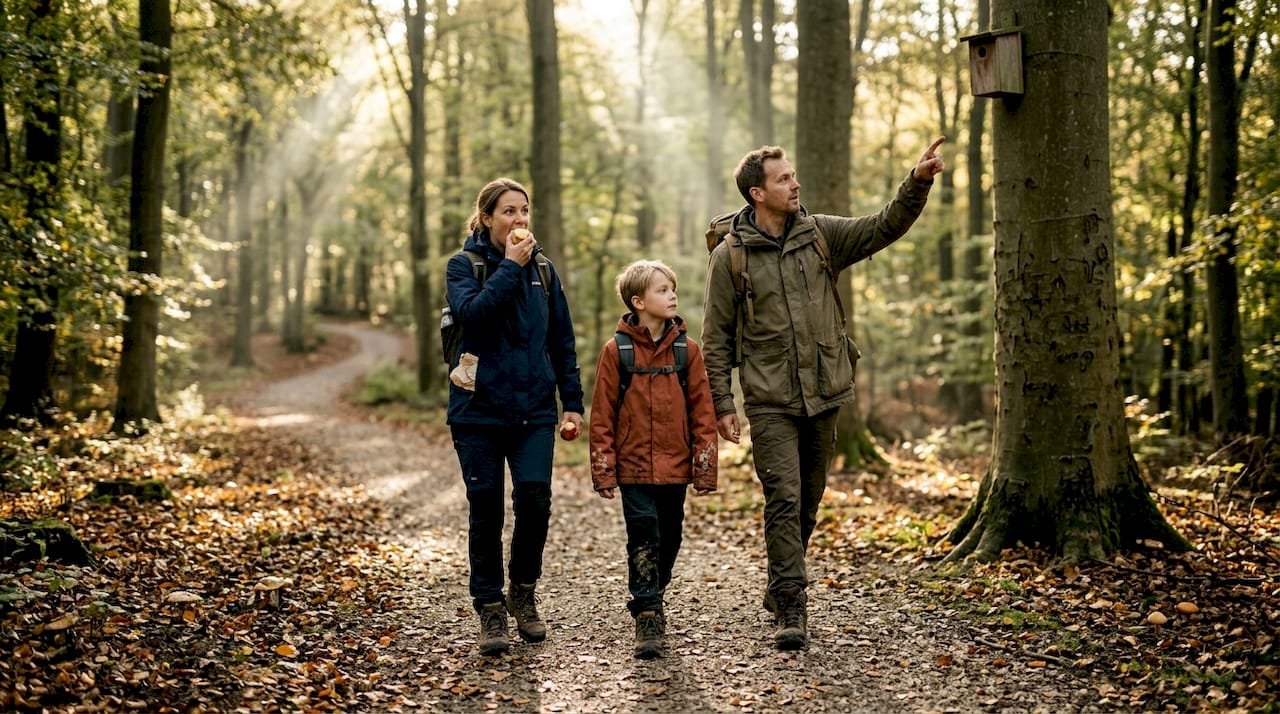
Danish nature tourism creates authentic nature experiences and generates billion-dollar revenue annually It's about much more than just walking through the forest. Nature tourism invites you to actively participate in Denmark's unique coastal and natural landscapes, where you can cook over a campfire, join workshops, or experience sheep herding. This article guides you through what Danish nature tourism entails, how the sector contributes economically, and how you can experience nature responsibly and authentically.
Main Points
| Point | Details |
|---|---|
| Active nature experiences | Danish nature tourism focuses on active participation such as cooking over open fires, sheep herding tours, and workshops in natural crafts rather than passive observation. |
| Great economic significance | The sectors account for approximately 90.6 billion kroner annually and represent about half of Denmark's tourism income. |
| Sustainability and balance | The organization focuses on sustainability and collaboration with authorities to ensure a balance between nature conservation and public access. |
| Infrastructure and accessibility | Investing in recreational infrastructure such as trails and shelters makes nature experiences more accessible without compromising the integrity of nature and supports local businesses. |
What is Danish nature tourism?
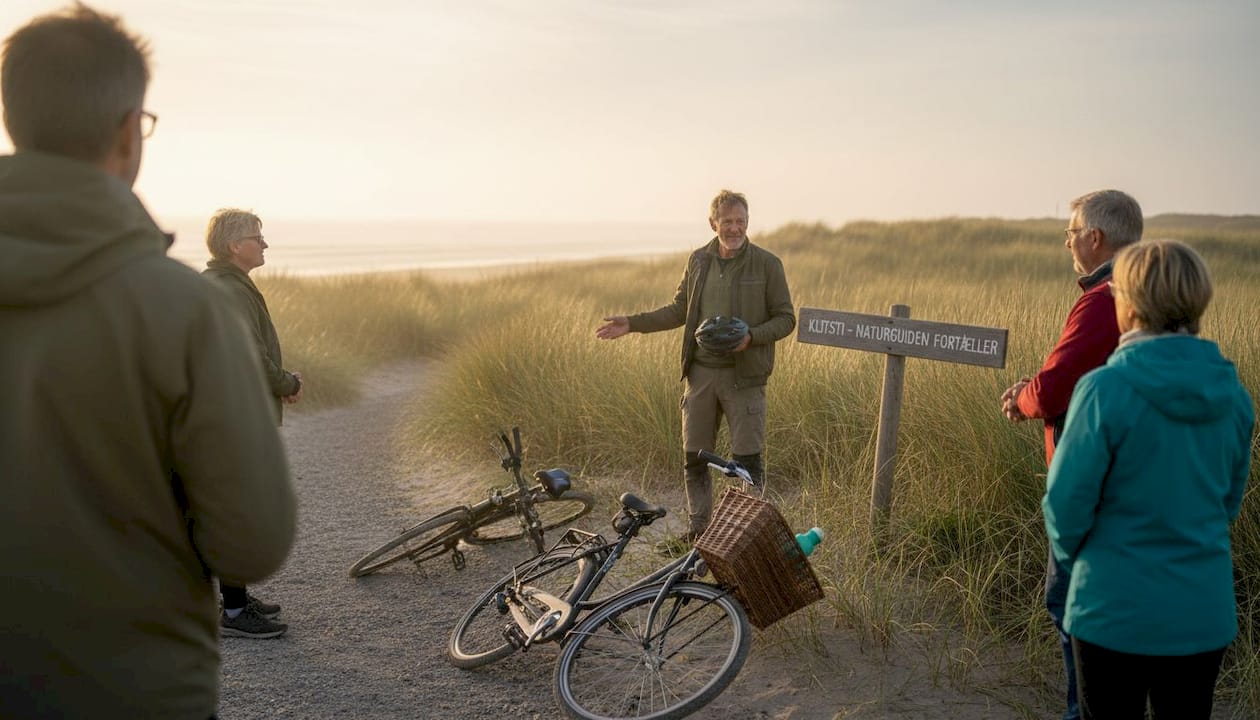
Danish nature tourism is about Experiences with active participation in nature such as workshops, cooking over open fires, and sheep herding trips. It is not passive observation, but in-depth engagement with the landscape. You will have the opportunity to connect with nature in ways that both challenge and inspire you.
The core experiences range widely and include activities such as:
- Guided hikes along the coast focusing on local flora and fauna
- Cooking over open fire with local ingredients and traditional methods
- Workshops in natural crafts such as basket weaving or wool spinning
- Sheep herding and other agricultural experiences that provide insight into Danish cultural heritage
- Kayaking through protected natural areas with instructors
- Foraging course where you learn to identify edible plants
These experiences combine recreational and cultural elements in a way that creates a deeper understanding of Denmark's nature. You not only learn about nature, but also how it has shaped Danish culture over the centuries. Nature experiences in Denmark guide Shows the breadth of possibilities from Skagen to Møn.
The authenticity lies in direct contact. When you participate in sheep herding tours, you not only experience the animals but also the responsibility and care that come with taking care of them. Cooking over a campfire teaches you about seasonal ingredients and traditional techniques. Each activity gives you skills and perspectives that go beyond the trip itself.
Danish nature tourism differs from mass tourism by prioritizing quality over quantity. The experiences are often in small groups, which ensures personal guidance and minimal impact on nature. You have time to immerse yourself in the surroundings without stress or crowding. 7 inspiring examples of nature experiences illustrates this approach with concrete cases from all over the country.
Economic significance and organizations behind ecotourism
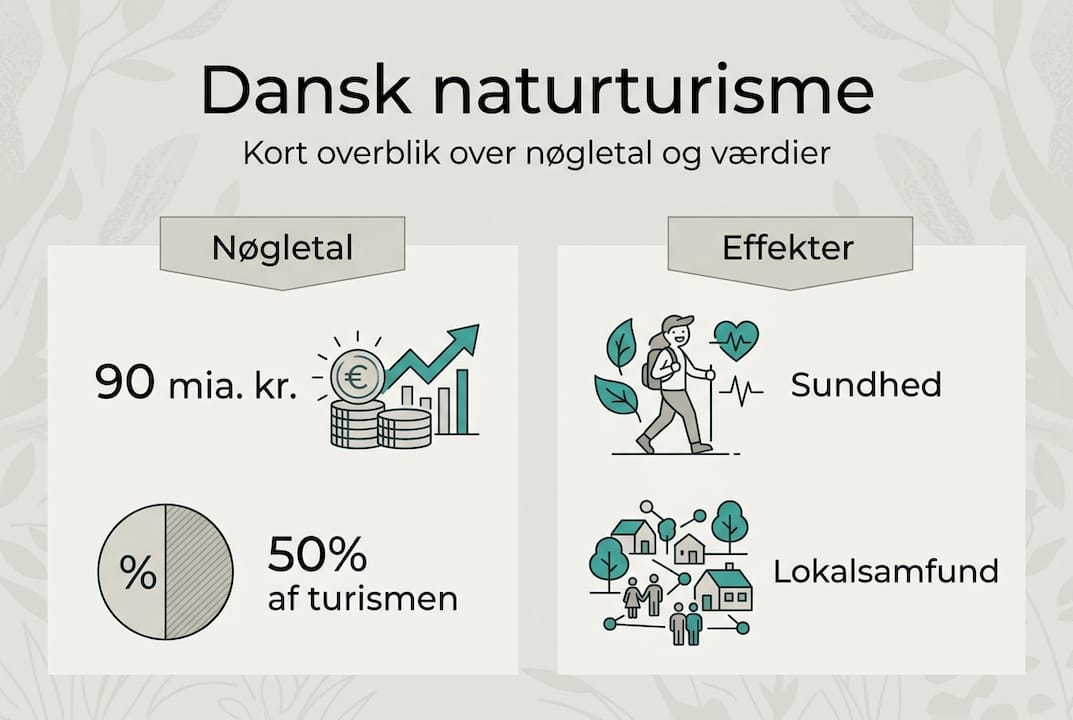
Coastal and nature tourism generates around 90.6 billion kroner annually and accounts for half of Denmark's tourism income. This makes the sector a crucial economic driver for both national and local economies. The money is distributed to accommodation, restaurants, guides, and local producers.
| Economic indicator | Value | Meaning |
|---|---|---|
| Annual turnover | 90.6 billion kr. | Half of Danish tourism income |
| Part of overall tourism | 50% | Largest individual sector in Danish tourism |
| Job creation | Thousands | Direct and indirect employment in local areas |
| Infrastructure investment | Rising | Improves access and experience quality |
Danish Coastal and Nature Tourism Works on growth, sustainability, and recreational infrastructure for the area. The organization functions as an industry association and interest representative for companies and destinations. He facilitates knowledge sharing, develops best practices, and lobbies for better frameworks.
Central focus areas include:
- Development of recreational infrastructure such as trails, shelters, and information signs
- Training guides and nature interpreters for a higher level of service
- Marketing Denmark as an international nature tourism destination
- Research on sustainable business models for nature-based experiences
- Collaboration with authorities on the balance between protection and access
Investments in infrastructure make nature more accessible without compromising its integrity. New traffic systems guide visitors away from sensitive areas, while shelters and facilities distribute the load geographically. Nature experiences in Denmark diversity Demonstrates how infrastructure opens new areas for visitors.
Economic values significantly influence local development. Small coastal communities and rural areas gain new sources of income through nature tourism. Local entrepreneurs start guide companies, farm stays, and experience centers. This counteracts depopulation and creates vibrant local communities all year round.
Nature tourism is not just a source of income, but a catalyst for local development and cultural preservation throughout Denmark.
Benefits of nature experiences extends beyond the economy to social cohesion and health. When local communities engage in nature tourism, their connection to the landscape and their motivation to protect it are strengthened. This creates a positive cycle where economic value and nature conservation support each other.
Sustainability principles and challenges in Danish nature tourism
Sustainable planning and regenerative experiences It is central, but the balance between protection and access can be challenging. The Leave No Trace principles form the basis for responsible behavior. You must leave nature as you found it or better.
Leave No Trace includes seven core principles:
- Plan carefully and prepare thoroughly before the trip
- Move and camp on durable surfaces
- Handle waste properly and take everything home
- Leave what you find and avoid disturbing nature
- Minimize impact from campfires and use existing fire pits
- Respect wildlife and observe from a distance
- Be considerate of other visitors and the local population
Regenerative experiences take a step further. They aim to improve the state of nature through tourism. You actively participate in recovery by planting trees, removing waste, or assisting with habitat care. This transforms you from a consumer to a co-creator of natural values.
| Access | focus | Result | Example |
|---|---|---|---|
| Traditional tourism | Experience first | Potential degradation | Unlimited mass visits |
| Sustainable tourism | Minimize damage | Neutral influence | Leave No Trace practice |
| Regenerative tourism | Active improvement | Positive impact | Participation in nature conservation projects |
Current environmental challenges complicate the picture. Overloading can harm nature experiences, so sustainable solutions and season-extending events are important. Algae blooms in coastal areas affect water quality and aesthetics. Popular trails slide down due to constant traffic. Wildlife is disturbed when visitors do not respect distances.
Practical measures address these challenges:
- Capacity management through booking systems at popular destinations
- Season-extending events that spread visits throughout the year
- Alternative routes and hidden gems are promoted to relieve hotspots
- Educating visitors through information campaigns and signage
- Collaboration between tourism and nature management on solutions
Professional tip: Choose times and routes to avoid congestion. Visit popular destinations early in the morning or late in the afternoon. Explore lesser-known areas that offer similar experiences without crowds. Tips for experiences all year round Helps you with strategic planning.
Technology plays an increasing role in sustainability efforts. Apps display real-time information about congestion and weather conditions. The digital map guides you to less visited areas. The booking platform ensures that capacity is not exceeded. The role of nature in vacation Explains how technology improves both experience and protection.
Local involvement is crucial for success. When the local community participates in planning and management, authenticity and respect for nature are ensured. You know the area's vulnerable points and best practices. Your engagement creates ownership and long-term commitment to sustainability.
Practical tips for experiencing Danish nature tourism responsibly
Prioritize Leave No Trace, use trails and apps for better experiences, and participate in season-extended events to avoid overcrowding. Here is a step-by-step guide to responsible participation:
-
Thoroughly investigate the destination before departure. Read about local rules, vulnerable areas, and recommended routes. Check the weather forecast and adjust your equipment accordingly. Download relevant apps with cards and information.
-
Pak smart and minimalize your equipment. Take only what you need and prioritize reusable over disposable items. Bring bags for all waste including organic material. Choose environmentally friendly products without harmful chemicals.
-
Follow marked trails and respect closures. The bull is designed to protect sensitive vegetation and wildlife. Shortcuts create erosion and disrupt ecosystems. Barriers mark areas under restoration or breeding seasons.
-
Observe wildlife from a distance with binoculars. Never get close to wild animals or try to feed them. Noise and presence stress animals and alter their natural behavior. Use zoom on the camera instead of physically approaching.
-
Use existing facilities and fire pits. Do not create new campsites or fire pits when established alternatives exist. This concentrates the impact and protects untouched areas. Always extinguish the fire completely before leaving the site.
-
Participate in local experiences and support small businesses. Choose local guides who know the area intimately and practice sustainable methods. Buy from local producers and craftsmen. This ensures that your money benefits the local community directly.
-
Schedule your visit strategically to minimize impact. Avoid peak season at popular destinations or visit early/late in the day. Consider autumn and winter experiences that offer unique beauty without crowds. Season extension reduces concentrated load.
Professional tip: Participate in local experiences such as workshops or guided tours. You gain deeper insight into nature and culture while supporting local entrepreneurs. Guides share knowledge about sustainable practices and hidden gems you would never find on your own.
Using technology significantly enhances your experience. Apps that Udinaturen shows shelters, fire pits, and routes. Weather apps help you avoid dangerous situations. GPS tracking ensures that you do not get lost in unfamiliar terrain. Checklist for a day trip in Denmark Provides a comprehensive packing list.
Recreational infrastructure makes nature tourism accessible to everyone. Universally designed trails allow wheelchair users to experience nature. Information signs in multiple languages include international guests. Shelters and facilities provide safety and comfort without ruining the nature experience.
The benefits of spreading visits outside the peak season are significant. You experience nature in peaceful surroundings without stress from crowds. Prices for accommodation and activities are often lower. Local businesses generate income year-round, which strengthens their sustainability. Guide to Denmark for first-time visitors Explains seasonal advantages in detail.
How you contribute to the restoration of nature during the visit is about small actions with great impact. Gather trash you find even if it is not yours. Report damages to trails or facilities to the relevant authorities. Share your positive experiences and lessons with responsible social media practices to inspire others.
Find the best nature experiences and plan your trip
When you're ready to explore Danish nature tourism, planning begins with the right resources. Guide to Denmark for first-time visitors provides you with a solid foundation with an overview of regions, seasons, and practical considerations. You learn about transportation options, types of accommodation, and cultural norms.
A practical checklist for a day trip ensures you don't forget important things. From hiking boots to first aid kits, it covers all essentials. The checklist is adapted to different activity types and seasons.
Let yourself be inspired by inspiring nature experiences in Denmark that showcase concrete examples from all over the country. You will find descriptions of unique experiences, practical details, and tips from experienced nature tourists. These cases demonstrate the breadth and depth of Danish nature experiences.
Travel in Denmark gathers information about destinations, activities, and practical advice in one place. You can filter by interest, budget, and season to find exactly what you're looking for. Detailed descriptions help you make informed choices that match your preferences.
Frequently Asked Questions about Danish Nature Tourism
What does Danish nature tourism specifically entail?
Danish nature tourism involves active participation in nature experiences such as workshops, cooking over open fires, guided tours, and crafts. It is about authentic engagement with Denmark's coast and natural landscapes through educational and cultural activities. You get direct contact with nature and learn skills that connect you to Danish cultural heritage.
How can I participate in nature tourism in Denmark?
You participate by booking guided tours, workshops, or experiences through local providers and platforms. Choose activities that match your interests, from hiking to foraging or agricultural experiences. Nature experiences in Denmark guide show concrete opportunities and help with planning.
What makes Danish nature tourism sustainable?
Sustainability is achieved through Leave No Trace principles, regenerative approaches, and a balance between protection and access. Small group activities minimize impact while local involvement ensures respect for nature. Season extension and capacity management spread the load and protect vulnerable areas.
How does ecotourism affect the Danish economy?
Nature tourism generates around 90 billion kroner annually and accounts for half of Denmark's tourism income. The money is spread to the local community through accommodation, guides, restaurants, and producers. This creates jobs and counteracts depopulation in rural areas and coastal regions.
When is the best time for nature tourism?
The best time depends on your preferences, but spring and fall offer unique beauty without the crowds of peak season. Winter experiences offer peaceful surroundings and lower prices. Summer is popular but requires strategic timing and choosing less known destinations for an optimal experience.
Recommendation
- The role of nature in your holiday in Denmark 2026 – Travel in Denmark
- Nature experiences in Denmark: The ultimate guide – Travel in Denmark
- Benefits of Nature Experiences in Denmark: Complete Guide – Travel in Denmark
- Understand Hiking Guide Denmark: Experience Nature – Travel in Denmark
- Active vacation – adventure and sports with Helmchen & Reichert Reiseexperten.de