In short:
- Cultural-historical sites are physical locations that demonstrate human activity over time in Denmark. They include burial mounds, old churches, castles, and historic city areas, which are protected as cultural heritage. In many places, they are UNESCO-listed and require active preservation through legislation, restoration, and public awareness.
Cultural-historical sites are physical locations that bear visible traces of human activity and culture through the ages. The term covers everything from ancient burial mounds and medieval churches to historic castles and preserved city districts. The technical term is cultural heritage, and it is used by authorities, museums, and UNESCO to describe both tangible and intangible relics from the past. Denmark contains a remarkable number of such places, spread across the entire country from Bornholm to the Wadden Sea. This article explains what cultural-historical sites are, how they are protected, and how you as a visitor can get the most out of them.
What are cultural-historical sites, and what characterizes them?
Cultural-historical sites are locations where people have left lasting marks on the landscape or buildings. Cultural history describes The process of civilization and the development of consciousness through these very traces, which include both material elements such as buildings and immaterial elements such as traditions and place names.
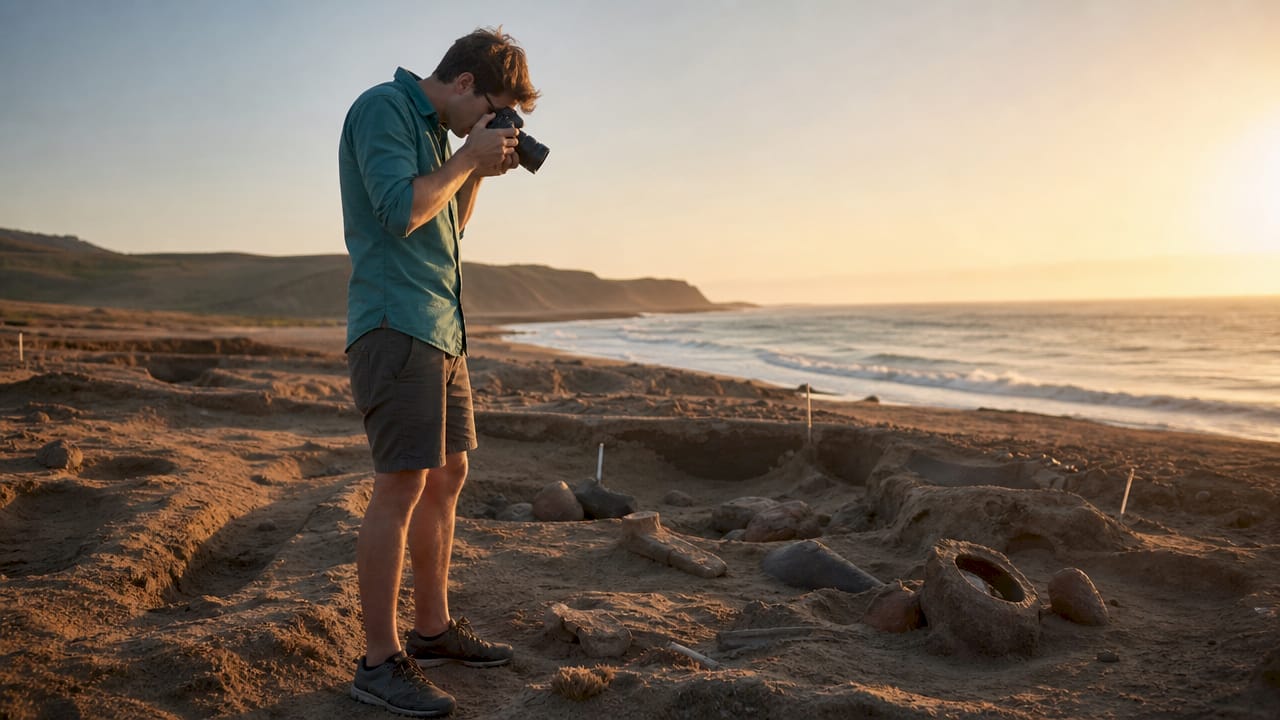
Denmark has a rich cultural heritage with landscapes, cultural environments, churches, and ancient monuments, all of which constitute important cultural-historical sites. They can be found both in urban areas and in the open countryside, from ancient times to today. It makes Denmark a country where you can literally come across an ancient monument in a field or a protected building in the middle of a busy city.
Cultural heritage sites differ from ordinary tourist attractions in that they are protected and documented as part of the national or international cultural heritage. They are typically managed by museums, municipalities, the Danish Agency for Culture and Palaces, or private foundations with public support.
Types of cultural and historical sites in Denmark
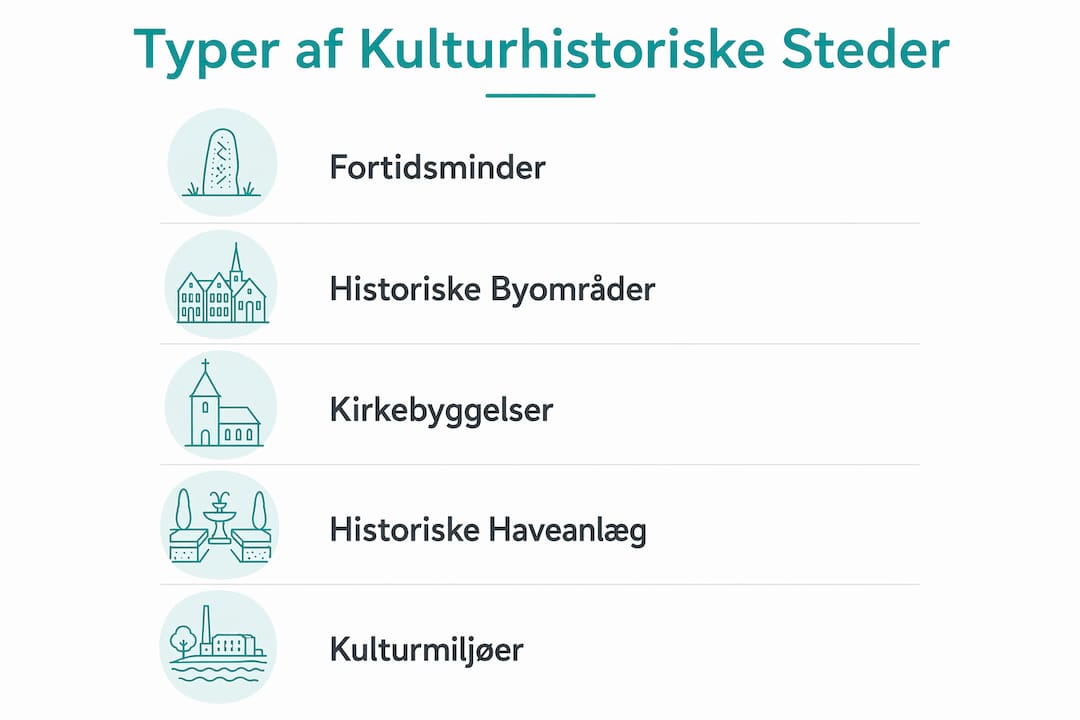
Denmark contains many different types of cultural and historical sites.
- Reminders of the past Dolmens, runestones, fortresses, and ancient sites like Trelleborg
- Religious buildings: Medieval churches, monasteries, and cathedrals such as Ribe Cathedral
- Castles and manors: Kronborg, Frederiksborg, and Rosenborg, which reflect royal power and noble culture
- Historical urban areas Preserved the streets and buildings in towns such as Ribe, Møgeltønder, and Christiansfeld
- Cultural landscapes The North Sea, other and historical arable systems
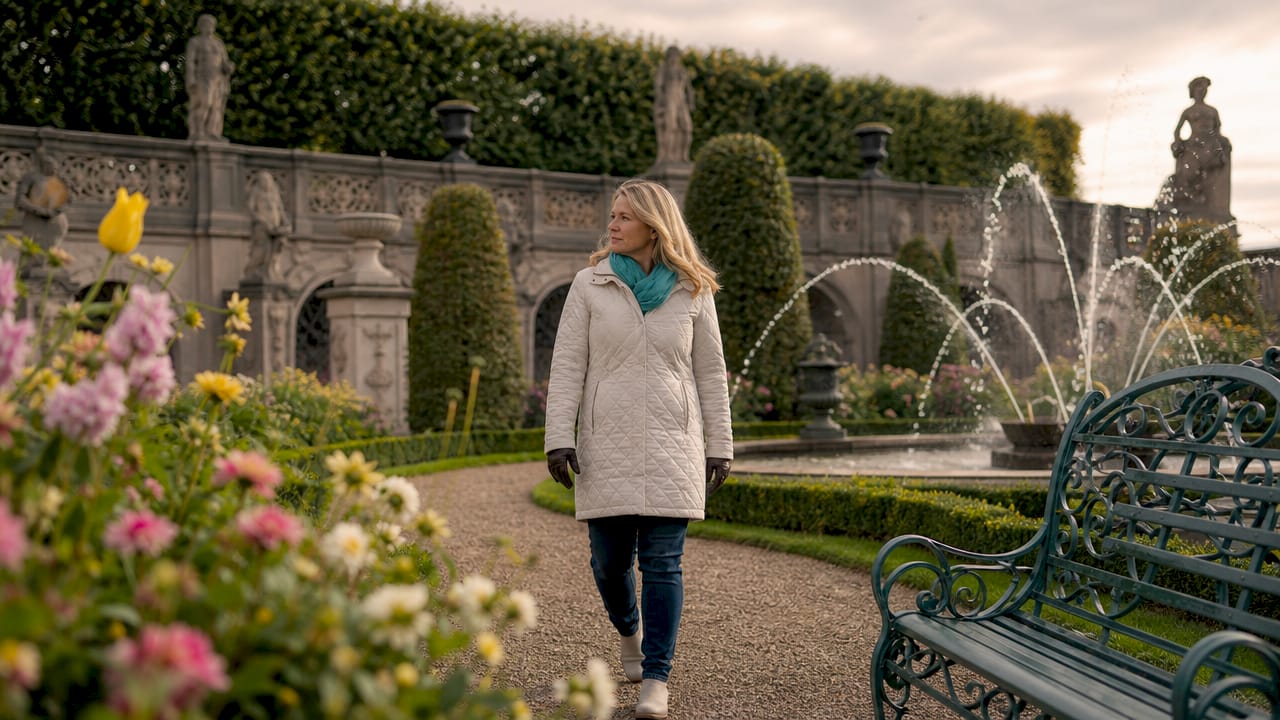
- Historical garden layouts Parks and gardens of architectural and botanical cultural-historical value
Professional tip: Check the Danish Agency for Culture and Palaces' database of protected buildings and ancient monuments before planning a visit. It gives you precise information about what you can expect to see on site.
Historical garden designs work as living environments that must be adapted to modern functions such as climate protection and recreation. The University Park in Aarhus is a good example: it combines architectural and cultural-historical value with active daily use. It shows that cultural-historical sites are not museum-like glass cases, but living parts of everyday life.
How are cultural heritage sites preserved and protected in Denmark?
The protection of cultural heritage sites in Denmark is based on a cooperation between legislation, authorities, and international agreements. The Danish Agency for Culture and Palaces is the central government authority and administers the preservation of buildings and archaeological sites according to the Museum Act and the Building Preservation Act.
Protection is the strongest safeguard in Denmark. A protected building or a protected historic monument must not be altered, demolished, or damaged without special permission. UNESCO's World Heritage List adds an international layer of protection for the most exceptional sites.
The most important protection mechanisms in Denmark are:
- Protection under the Museum Act: Automatically protects cultural heritage sites, regardless of whether they are registered
- Building preservation Applies to buildings with special architectural or cultural-historical value
- Municipal conservation plans The municipalities designate buildings of cultural heritage value in local plans
- UNESCO World Heritage Status Provides international recognition and commits Denmark to special management
- Cultural Heritage Environment Registration Maps larger coherent cultural-historical environments
Cultural heritage is the foundation of our understanding of who we are and requires prioritization in times of threats such as war and climate change. War and disasters threaten our cultural heritage
Climate change is the most urgent current threat. Over 51 municipalities have areas at serious flood risk, where cultural heritage is in danger. This means that conservation strategies increasingly need to consider which sites are prioritized when resources are limited.
Brand, vandalism, and uncontrolled urban development constitute the other major threats. Conservation efforts therefore require not only legislation but also active monitoring, ongoing restoration, and public awareness.
Examples of remarkable cultural and historical sites in Denmark
Concrete examples provide the best understanding of what cultural-historical sites contain. Denmark has several places that are internationally recognized and tell crucial chapters in the country's history.
The Kings of Jelling
The Kings' Jelling marks the transition From paganism to Christianity in the Viking Age and called Denmark's baptism certificate. The area in Vejle Municipality contains two burial mounds, a stave church, and the two Jelling stones, of which the large stone was erected by Harald Bluetooth. UNESCO designated the site as a World Heritage Site in 1994. That makes Jelling one of the most significant cultural-historical sites in Northern Europe, not just in Denmark.
Bangsbo Fort
Bangsbo Fort has great development potential A cultural destination, but struggling with challenges related to authentic, worn-out settings and limited communication. A vision plan points to the need for better exhibitions and a more cohesive visitor experience. The fortress illustrates a challenge that many cultural and historical sites share: authenticity is a strength, but it can also make it difficult to attract a broad audience.
Overview of selected cultural-historical sites in Denmark
| Location | Type | Placement | UNESCO status |
|---|---|---|---|
| The Kings of Jelling | Viking Monument | Vejle, Jutland | Yes, since 1994 |
| Kronborg Castle | Renaissance castle | Helsingør, Zealand | Yes, since 2000 |
| The North Sea | Cultural landscape | Southwest Jutland | Yes, since 2014 |
| Ribe | Historical urban area | Esbjerg, Jutland | No |
| Christiansfeld | Brotherhood Town | Kolding, Jutland | Yes, since 2015 |
| Bangsbo Fort | Military facility | Frederikshavn, Jutland | No |
Ribe is Denmark's oldest town and an excellent example of a preserved historic urban area. The city network, the cathedral, and the medieval buildings give visitors a sense of what a Danish medieval market town looked like. Christiansfeld is another example: it was planned and built by the Moravian Church in the 18th century and has been preserved almost intact, which earned it UNESCO status in 2015.
Vision planner for cultural destinations emphasizes that the combination of nature, history, and interactive communication significantly increases attractiveness. That is precisely the combination offered by the best Danish cultural-historical sites.
How do you experience cultural and historical sites best?
A visit to a cultural-historical site is most beneficial when you prepare yourself. Many places offer guided tours, interactive exhibitions, and seasonal events that you won't find during a spontaneous visit.
Practical advice for your visit:
- Check the place's website in advance. Opening hours, prices, and special exhibitions vary greatly
- Book guided tours: Local guides know details and stories that the signs do not tell
- Visit outside the high season Places like Kronborg and Jelling are much more atmospheric without large crowds.
- Combine nature and culture: Many places are located in beautiful natural surroundings worth exploring
- Tag the children with: Many cultural heritage sites have special activities and programs for children that bring history to life.
- Respect the places: Climbing on burial mounds and touching the runestones wear down the historical relics
Professional tip: Plan visits to two or three cultural and historical sites in the same region in one day. Jutland, for example, offers Jelling, Ribe, and the Wadden Sea within a reasonable driving distance, and the combination provides a broader understanding of Danish cultural history than a single visit.
Authentic historical settings can be difficult to adapt to modern audience expectations. The best places solve this by allowing the communication to meet visitors where they are, rather than expecting visitors to find the meaning themselves. The Kings' Jelling, for example, has a modern visitor center that places the stones and the mound in a historical context without disturbing the monument itself.
Sustainability plays an increasing role. Many places encourage visitors to use public transportation, stay on marked trails, and refrain from leaving trash. It's not just environmental considerations, but also part of preserving the places for future generations.
You can find cultural activities and historical sites Gathered at Rejsidanmark, which gives you a good starting point to plan your next visit.
Cultural heritage is not a museum, it is a conversation
I have visited cultural and historical sites in Denmark for many years, and what surprises me the most is how many Danes have never seen the Jelling Stones. You know them from history books, but have never stood in front of them. It's a shame because the experience of standing by a runestone, which Harald Bluetooth erected over 1,000 years ago, cannot be replaced by a picture.
What I find most fascinating about cultural-historical sites is that they are not static. Historical garden designs must balance respect for the past with modern needs such as recreation and climate challenges. The same applies to all other types of cultural and historical sites. They are not frozen in time. They live, change, and require active choices about what we want to preserve and how.
The biggest challenge is not the money or the legislation. It is the public's engagement. Public discussion and engagement are necessary to preserve cultural heritage, especially when climate change forces us to prioritize which sites we can save. The conversation cannot be left to the experts alone.
I believe that every visit to a cultural-historical site is a small political act. You signal that the place has value. You contribute to the local economy that keeps the dissemination alive. And you give yourself an understanding of Denmark that no textbook can provide.
— Tommy
Rejsidanmark helps you plan cultural and historical experiences
Rejsidanmark gathers information about historical attractions, museums, and cultural experiences from all over Denmark in one place. Whether you are planning a day trip to Jelling, a weekend stay in Ribe, or a longer tour, you will find practical information about prices, opening hours, and seasonal activities. Bridge The guide for first-time visitors as a starting point, and supplement with The checklist for day trips to ensure that you don't overlook anything. Rejsidanmark makes it easier to go from idea to experience.
Frequently Asked Questions
What are cultural-historical sites?
Cultural-historical sites are physical locations that bear traces of human activity and culture. It includes ancient monuments, historic buildings, cultural landscapes, and preserved urban areas, and they are typically managed as part of the national cultural heritage.
Where can I find cultural and historical sites in Denmark?
Cultural and historical sites are found all over Denmark, from the Wadden Sea in the southwest to Bornholm in the east. Slots and the Danish Agency for Culture's register and Rejsidanmark Overview of historical sites Provides good starting points for planning.
What is Denmark's most famous cultural-historical site?
The Kings Jelling in Vejle is Denmark's most internationally recognized cultural-historical site. It was inscribed on the UNESCO World Heritage List in 1994 and is called Denmark's baptism certificate because of its role in the transition from paganism to Christianity.
How are cultural heritage sites in Denmark protected?
The protection primarily occurs through conservation under the Museum Act and the Building Conservation Act, municipal preservation plans, and in special cases, UNESCO World Heritage status. The Danish Agency for Culture and Palaces is the central authority.
Are the cultural-historical sites suitable for children?
Many cultural heritage sites offer special activities and educational programs tailored for children. Places like the Kings' Jelling and Kronborg have visitor centers with interactive exhibitions that make history tangible and engaging for younger visitors.