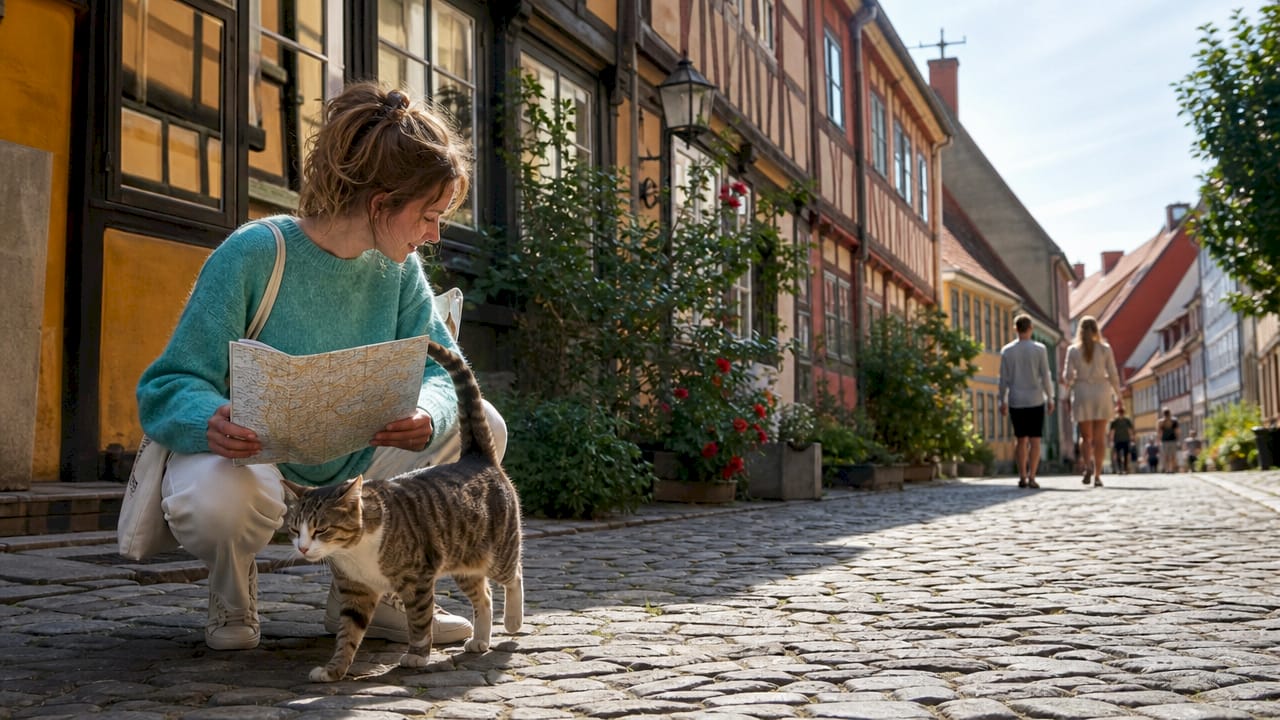
In short:
- Old town districts in Denmark are living cultural heritage areas with authentic architecture and a deep historical imprint. They offer unique experiences through local traditions, craftsmanship, and diverse architecture that tell the story of the city's development. To get the most out of the visit, you should plan early in the day, choose a guided tour, and explore the hidden treasures in the area.
Old city districts are historic urban areas with preserved architecture, original street patterns, and a vibrant cultural heritage from previous centuries. Visiting these neighborhoods provides direct access to a city's authentic soul in a way that modern urban areas rarely can match. The question of why to visit old neighborhoods is not about nostalgia. It's about experiencing culture, craftsmanship, architecture, and local traditions within the contexts in which they originally emerged. Rejsidanmark gathers the best historical sites in Denmarkso you can plan your next visit with concrete knowledge.
What cultural and historical experiences can be found in old town areas?
Old city districts function as living cultural environments, not just as museums behind glass. Historical monuments, squares, and buildings form the framework, but it is the daily life in the neighborhoods that gives the experience depth. Local traditions and craftsmanship Light and still practiced in these neighborhoods, from ceramic workshops to weekly markets.
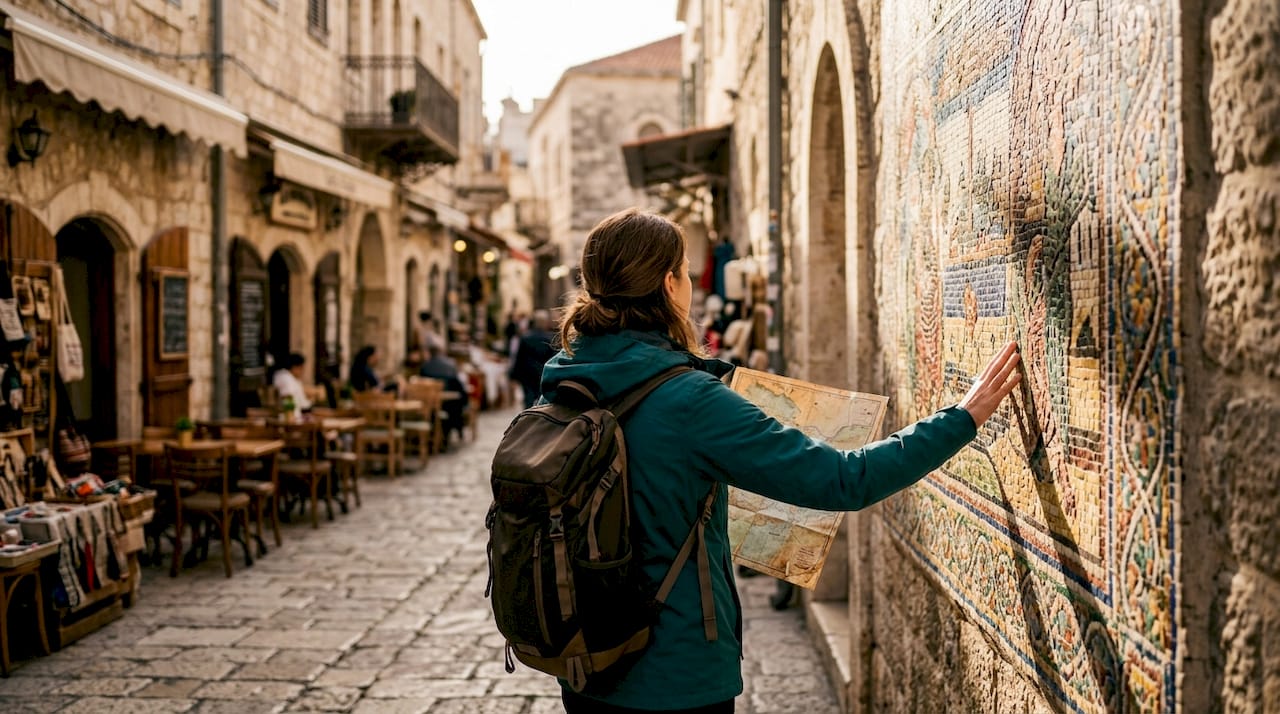
The architecture in old town areas tells the story directly. Gothic cathedrals, Renaissance palaces, and medieval city walls are not reconstructions. They are original buildings that have survived wars, fires, and urban development. Each facade bears traces of the people who lived and worked there.
The cultural experiences in an old neighborhood range widely:
- Historical monuments and squares some fortresses, gates, and fortifications that mark the city's origin and history of power
- Architectural styles from Gothic, Renaissance, and Baroque, visible side by side in the same street
- Local markets and crafts with products that reflect the region's traditions and raw materials
- Cafés and restaurants In historic buildings, where the food often is based on local recipes with roots in the neighborhood
- Museums and cultural centers Located in former palaces, monasteries, or merchant houses, providing context to the surroundings
- Festivals and local events It is still held in the same places as it has been for generations
A visit to an old neighborhood typically involves a mix of historical monuments and modern cafes, which creates a lively combination of past and present. That means you don't have to choose between culture and comfort. You get both things in the same street.
The concept of cultural heritage, which international organizations like UNESCO work with, describes this type of site as irreplaceable. Old city districts are not just sights. They are documentation of how people have lived, acted, and created community over centuries.

How to best plan a visit to an old town district?
A well-planned visit provides a significantly better experience than a spontaneous one. The time of day is the most important single factor. Popular old neighborhoods like Dubrovnik are recommended to visit early in the morning to avoid tourist congestion It specifically means arrival before the hour. 09:00 to experience the streets in peace and quiet.
Your afternoon is the second-best time. Many day-trippers leave the neighborhood for lunch or early afternoon, and the atmosphere changes significantly. The light is also better for photography during the golden hours.
How to plan the visit step by step:
- Allocate time according to the size of the district. A large old district like Rhodes requires at least half a day to properly experience the architecture and sights. Smaller neighborhoods can be explored in 2–3 hours.
- Choose the time carefully. Arrive early in the morning or late in the afternoon to avoid the busiest hours and experience the neighborhood's own residents.
- Decide for a guided or self-guided tour. A local guide provides historical context and shows places you would never find on your own. A self-guided tour gives you the freedom to stop and immerse yourself.
- Use a short excerpt, not GPS navigation. Narrow, curved streets in old town areas are designed to get lost in. A paper map or an offline map segment helps you navigate without staring at a screen.
- Plan breaks at historical buildings. Churches, monasteries, and palaces are not just sights to see. They are also natural rest stops with peace and shade.
Professional tip: On hot days, it is advantageous to visit historic stone structures in the middle of the day. Thick walls in churches and palaces naturally cool and provide a pleasant respite from the summer heat.
Hidden gems in the cities are rarely found on the most visited routes. Walk a street away from the main street, and you will typically come across local bakeries, small galleries, and courtyards that most tourists never see. This is where the true character of the neighborhood reveals itself.
What is the significance of preservation and architecture for the experience?
Old city districts should be understood as palimpsests, where historical layers of street plans And buildings are stacked on top of each other. The concept of palimpsest originates from bookbinding and describes a parchment that has been scraped clean and reused, but where the previous texts still shine through. That's exactly how an old town district works. The medieval road layout is beneath the current sidewalk. A Renaissance facade covers an older foundation wall.
Preservation work and architectural communication create a lively connection between the past and the present for visitors. It's not just a matter of preserving beautiful buildings. It's about keeping the urban story intact so that future generations can read it.
The specific effects of preservation work on the experience:
- Authenticity in the street scene: Original paving stones, historic street marking systems, and preserved facades provide a coherence that reconstructions cannot replace.
- Architectural diversity When buildings from different periods are preserved side by side, visitors can read the city's development directly in the street scene.
- Cultural-based urban development Many cities have converted former industrial districts and monasteries into cultural centers and galleries without altering the exterior architecture.
- Mood and atmosphere Irregular street layouts, varying building heights, and natural materials create a sensory experience that rectangular modern urban plans do not produce.
Old city districts are not frozen in time. They are living organisms, where each new layer of human activity is built upon the previous one without erasing it.
Urban planners actively work on the question of when to preserve and when to build new. Preservation work in historic city districts reflects the fabric of the past in today's street layouts and offers visitors an experience that is impossible to simulate in a modern neighborhood.
The architecture also conveys the history of power. A cathedral located at the highest point of the city, a town hall that dominates the square, or a fortification facing the sea. These placements are not random. They talk about who decided what was important and what was feared.
What do you gain by choosing an old neighborhood over a new one?
The advantage of a historic district is authenticity. Modern neighborhoods are designed for efficiency. Old city districts have grown organically over time and bear the marks of the people who have lived there. It creates an atmosphere and mood that are rarely found in newer urban areas.
Local traditions, food, and shops in historic settings provide an experience that is rooted in the place. A baker in a 400-year-old building sells not just bread. He sells a connection to the craft that has taken place in the same room for generations.
| Experience type | Old neighborhood | Modern neighborhood |
|---|---|---|
| Architecture | Original buildings from several periods | Consistent modern architecture |
| Atmosphere | Organic, varied, and sensual | Planned and functional |
| Local life | Residents and tourists mixed | Primarily commercial tone |
| Photography | Unique motifs at every street corner | Generic cityscape images |
| Mad experience | Local recipes within historical frameworks | International chains and concepts |
| Cultural depth | Direct access to historical layers | Limited historical context |
Old town districts offer atmosphere and unique opportunities for photography, such Often missing in modern urban areasIt is not just an aesthetic argument. Photography in historic districts forces you to look slowly and discover details. A doorbell, a road sign, a paving. It's the kind of details that stick in the memory.
The opportunity for cultural immersion is also significantly greater in an old neighborhood. When the buildings, streets, and local traditions are historically connected, the experience makes sense as a whole. You not only understand what you see. You understand why it is there.
Old city districts deserve more than a quick look
I have visited many historic neighborhoods over the years, and the mistake I see most often is that people treat them as checkboxes. The man arrives, takes a photo of the famous sight, and continues on. That is exactly the wrong approach.
What makes an old neighborhood special is not the one famous building. It is the sum of all the things you did not plan to see. The small church on a narrow side street. The elderly woman selling homemade jam from a basket. The aroma of freshly baked bread from a bakery that has been open since 1890.
My recommendation is simple: allocate more time than you think you need. Go without a goal. Let yourself be disturbed by the unexpected. The best experiences in historic districts do not happen when you follow a route. They occur when you stop and look carefully.
What I have also learned is that the time of day changes everything. The same neighborhood can feel overwhelming and touristy. 11:00 o'clock, magical and quiet. 08:00. Come early. Stay long. Take a city tour with a local guide at least once. You will see places you would never have found alone.
Old city districts should always be at the top of the travel list. Not because they are beautiful, although they often are. But because they are honest. They tell a city's true story without a filter.
— Tommy
Rejsidanmark helps you plan your next historical visit
Rejsidanmark collects practical information about historical sites in Denmark and gives you specific recommendations on what to see, when to come, and how to get around best. The platforms cover everything from medieval city centers to preserved shopping streets and provide you with an overview of experiences tailored to your travel style and budget. If you want to know how to best navigate through historic neighborhoods, you will find one Trinvis guide to local transportation on Rejsidanmark It helps you reach places that are not on the major tourist routes and gives you the freedom to explore on your own terms.
Frequently Asked Questions
What is an old town district?
An old neighborhood is a historic urban area with preserved architecture, original street patterns, and cultural heritage from earlier periods. These neighborhoods serve as living documentation of a city's development and social history.
When is the best time to visit an old town?
The best time is early morning, preferably before 09:00, or late afternoon. At these times, there are the fewest tourists, and the atmosphere in the neighborhood's streets is the most authentic.
How much time should be allocated for a visit?
A large old neighborhood requires at least half a day to properly experience the architecture and sights. Smaller neighborhoods can be explored in 2–3 hours, but more time always provides a deeper experience.
Are guided tours better than self-guided ones?
A local guide provides historical context and shows places you won't find on your own. A self-guided tour gives you the freedom to stop and immerse yourself in what captures your interest. Both approaches have clear advantages depending on your purpose.
What makes old neighborhoods different from modern districts?
Old city districts have grown organically over time and bear the marks of many historical layers. They offer an authentic atmosphere and photography opportunities that modern, planned urban districts cannot reproduce.
Recommendation
- Cultural Heritage Sites in Denmark: Your Guide to Historical Experiences – Travel in Denmark
- 7 inspiring examples of cultural activities in Denmark – Travel in Denmark
- 7 inspiring activities for culture enthusiasts in Denmark – Travel in Denmark
- List of historical sites in Denmark: 12 must-see – Travel in Denmark