
It can be challenging for families to find travel routes that engage both children and adults in authentic environments. For many international tourists, Denmark now associates its beautiful landscapes with local culture, art, and gastronomy through coherent experience routesThese routes make it easy to experience the country's history and nature in a single journey, giving you deeper insight and inspiring experiences across destinations.
Oplevelsesruter: Definition og kernekoncepter
Experience routes are an innovative concept in Danish tourism that focuses on creating coherent and meaningful travel experiences across different destinations. New experience routes combine culture and nature in a way that gives tourists a deeper understanding of an area
The core concept behind experience routes is about connecting different attractions and experiences into a coherent narrative. These routes can focus on different themes such as:
- Historical and cultural journeys
- Gastronomic walks
- Nature-based adventures
- Artistic and creative explorations
- Local craftsmanship and production traditions
The main purpose is to create meaningful travel experiences, where tourists not only visit individual attractions but experience a coherent story about an area. These routes thus help both tourists to better understand an area and simultaneously support local business development.
The value of the experience routes lies in their ability to create deeper, more cohesive travel experiences. Instead of just crossing locations on a travel card, they invite travelers to immerse themselves in local stories, traditions, and landscapes.
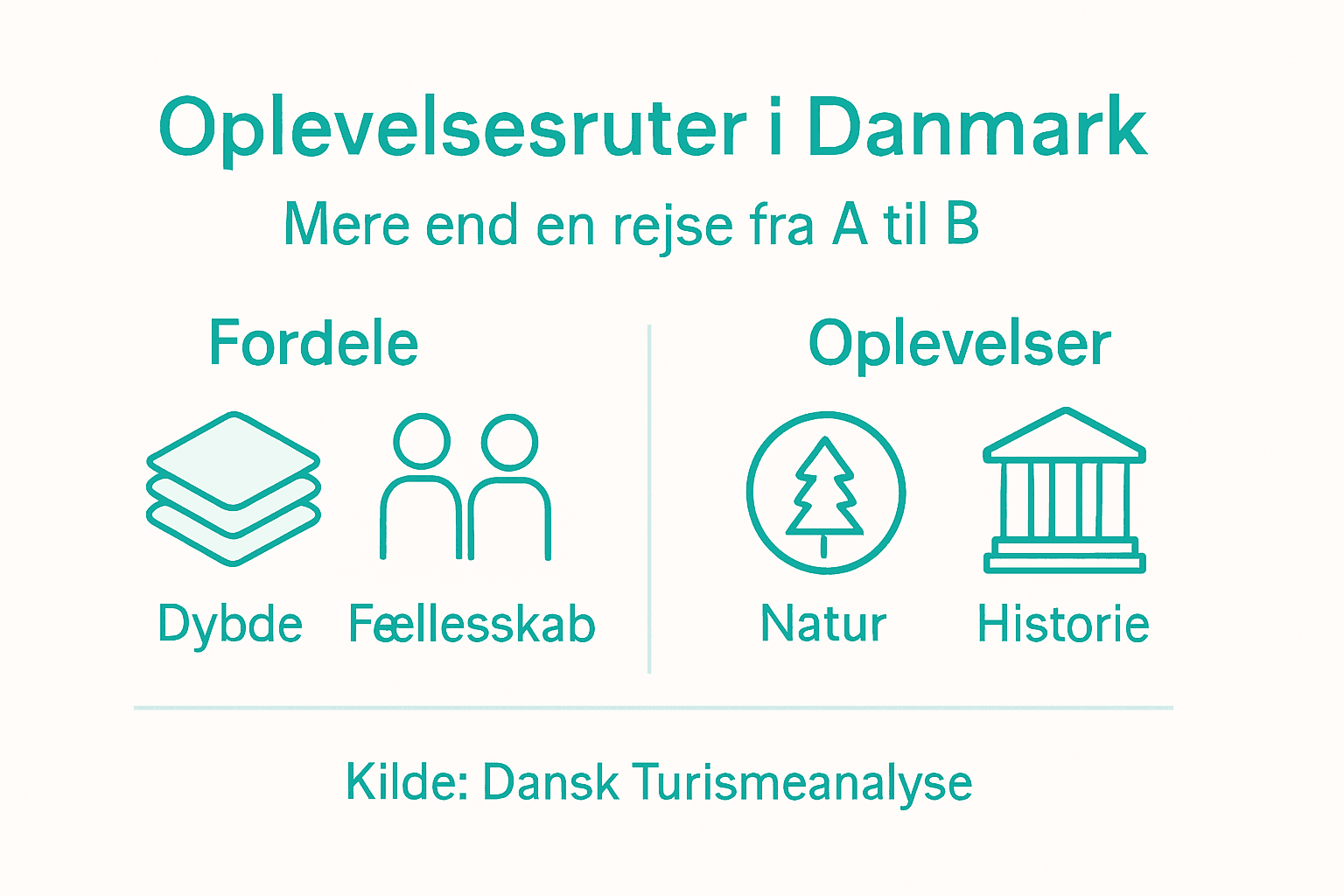
Pro-tip: Choose experience routes that match your interests, and prepare by researching the routes in advance to maximize your travel experience.
Types of experience routes in Denmark
Denmark offers a wide range of experience routes that cater to various interests and travel profiles. Historical routes with Viking themes They are particularly popular among international tourists seeking a deep cultural immersion.
The main types of experience routes in Denmark include:
- Cultural-historical routes
- Nature-based hiking trails
- Gastronomic experience routes
- Artistic and creative journeys
- Maritime and maritime cultural heritage routes
- Architectural and design-oriented routes
These routes are designed to provide travelers with a coherent and meaningful experience, where each destination contributes to a broader narrative about Danish landscape, culture, and traditions. Each route has its own unique narrative that connects different locations through shared thematic elements.
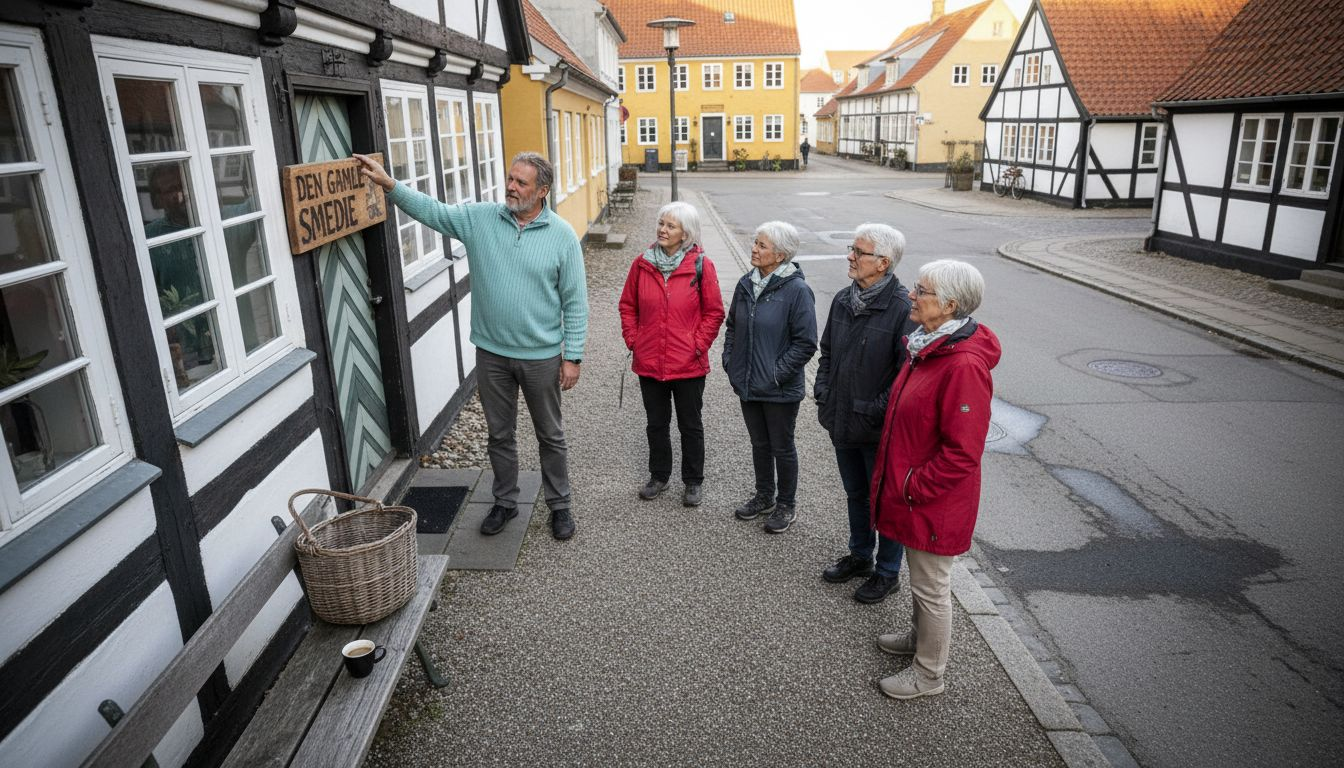
Some routes explicitly focus on specific historical periods or cultural traditions, allowing tourists to delve into particular aspects of Danish identity and heritage. Other routes are more modern and incorporate contemporary experiences such as modern gastronomy, contemporary art, or sustainable tourism.
Pro-tip: Choose experience routes that match your interests, and prepare by researching the routes in advance to maximize your travel experience.
Here is an overview of the main types of experience routes and the experience elements they typically combine:
| Rutetype | Central Experience Element | Typical Participants |
|---|---|---|
| Cultural-historical route | Historical sites and museums | Cultural travelers, families |
| Gastronomic route | Local eateries and farms | Interested parties |
| Nature-based route | Hiking trails and landscapes | Outdoor enthusiasts, nature lovers |
| Artistic route | Galleries and workshops | Young people interested in art |
| Maritime route | Harbor and maritime history | Family with children, seniors |
How an experience route works
An experience route is much more than just a geographical stretch – it is a complex network of interconnected experiences. The development of the routes involves many actors such as cultural institutions, local businesses, and tourism operators working together to create a coherent narrative.
The main components of a well-functioning experience route include:
- Thematic coherence
- Geographical flow
- Varied points of experience
- Digital mediation
- Nem navigation
- Authentic story
The technical infrastructure behind an experience route is quite sophisticated. Digital tools such as interactive maps, mobile applications, and QR codes guide travelers through the routes and provide contextual information at each destination. This ensures that tourists not only visit places but also truly understand the deeper meaning behind each location.
The success of the experience routes depends on their ability to create a coherent and immersive journey. The best routes are able to connect historical sites, natural landscapes, and cultural experiences in a way that makes sense and inspires further exploration.
Pro-tip: Choose experience routes with detailed digital guides and prepare by studying the route's theme and historical background before the trip.
Development, marketing, and collaboration
The development of experience routes in Denmark is a complex ecosystem that requires strategic planning and collaboration. The process involves many stakeholders from different sectors working together to create coherent and meaningful travel experiences.
The main actors in this development include:
- Cultural institutions
- National Park
- The Danish Environmental Protection Agency
- Local business actors
- Municipal tourism organizations
- Local residents and volunteers
The marketing of experience routes is just as important as their development itself. It's not just about promoting the routes, but about telling authentic stories that generate interest and engagement. Digital platforms play a crucial role in this dissemination, where interactive maps, social media, and dedicated travel websites are used to spread awareness of the routes' unique experiences.
Success depends on a well-thought-out strategy that focuses on the core narrative and ensures ongoing involvement of local actors. By creating strong partnerships and prioritizing authenticity, experience routes can develop into vibrant, dynamic travel experiences that attract tourists and support the interests of the local community.
Pro-tip: Follow local tourism organizations' social media for ongoing updates on new and exciting experience routes in Denmark.
Economy and requirements for experience routes
Financial support for experience routes is crucial for their development and maintenance. The government has allocated 20 million kroner in 2025 to promote innovative and attractive travel experiences in Denmark.
The main requirements for experience routes include:
- Documented collaboration between actors
- Clear conceptual frameworks
- Digital Accessibility
- Authentic storytelling
- Sustainable tourism
- Ongoing quality assessment
The funding is distributed through strategic organizations such as Danish Coastal and Nature Tourism and VisitDenmark, ensuring a systematic and well-thought-out implementation. The tools are used not only for physical infrastructure but also for digital communication, marketing, and ongoing development of the conceptual content of the routes.
Financial requirements also demand measurable effects. Projects should be able to demonstrate the potential to attract tourists, support local communities, and create economic added value for the involved regions.
Pro-tip: Search for detailed information about subsidy opportunities with local tourism organizations to better understand the funding options.
Comparison with other tourism offers
Experience routes represent a more integrated and cohesive approach to tourism compared to traditional standalone attractions. Tourist investments create added value through holistic experiences, which stimulates tourists' engagement far beyond traditional visiting methods.
Main differences between experience routes and traditional tourism offers:
- Coherent story
- Geographical dynamics
- Deeper cultural insight
- Flexible travel mode
- Increased local area involvement
- Sustainable tourism practice
Unlike traditional tourism offers such as standalone museums, amusement parks, or attractions, experience routes offer a more holistic travel experience. They connect different sites through a common narrative, allowing tourists to experience an area more authentically and coherently.
This approach creates several benefits: increased tourist engagement, longer stays in less known areas, and a more meaningful cultural exchange between visitors and local communities. Experience routes thus represent a more modern and inclusive form of tourism.
The tables below compare experience routes with traditional tourism offers.
| Characteristic | Experience routes | Traditional offers |
|---|---|---|
| Depth of experience | Fodder in theme and narrative | Isolated experience |
| The tourist's engagement | Active participation and learning | Passive visit type |
| Local involvement | Highly involved actors | Often centralized control |
| Effect on length of stay | Extends tourists' visit | Short visit |
| Sustainability | Promotes responsible tourism | Focus often on volume |
Pro-tip: Choose experience routes that cross different areas of interest to get the most diverse travel experience.
Find Your Perfect Experience Route and Create Meaningful Travel Experiences
Experience routes in Denmark connect culture, nature, and history into a coherent story that both educates and inspires. Many experience the challenge of navigating between the many options and finding the route that matches their interests and provides an authentic and engaging experience. Hos Travel in Denmark We understand the importance of thematic coherence and digital communication as the central core concepts behind successful experience routes.
Make your next adventure special by using our interactive platform to discover the experiences and routes that suit your preferences, whether you're into cultural history, gastronomy, or nature. Visit Rejs i Danmark and gain access to:
- Intuitive search functions that help you find routes and attractions
- Detailed descriptions and practical information about experience routes
- Inspiration for planning a cohesive trip focused on sustainability and local culture
Don't hesitate to create deeper and more meaningful travel experiences. Take the first step today and make your trip to Denmark unforgettable by exploring our recommended experience routes on Rejs i Danmark.
Frequently Asked Questions
What are experience routes?
Experience routes are cohesive travel experiences that connect different destinations and attractions through a theme or narrative, providing tourists with a deeper understanding of an area.
What types of experience routes are there?
There are several types of experience routes, including cultural-historical routes, nature-based hiking routes, gastronomic routes, artistic routes, and maritime cultural heritage routes, each focusing on different aspects of culture and nature.
How does an experience route work?
An experience route consists of a network of connected experiences, which include thematic coherence, geographical flow, varied experience points, and digital communication. Digital tools help travelers navigate and understand the significance of each destination.
What value do experience routes have for tourism?
Experience routes contribute to meaningful travel experiences and support local business development by attracting tourists, promoting sustainable tourism, and fostering deeper cultural understanding and engagement between visitors and the local community.
Recommendation
- What Does Experience Routes Mean for Family Children – Travel in Denmark
- Experience Trips Explained: Key Types and Important Roles – Travel in Denmark
- Understand Hiking Guide Denmark: Experience Nature – Travel in Denmark
- 7 inspiring experience routes in Denmark for all travelers – Travel in Denmark