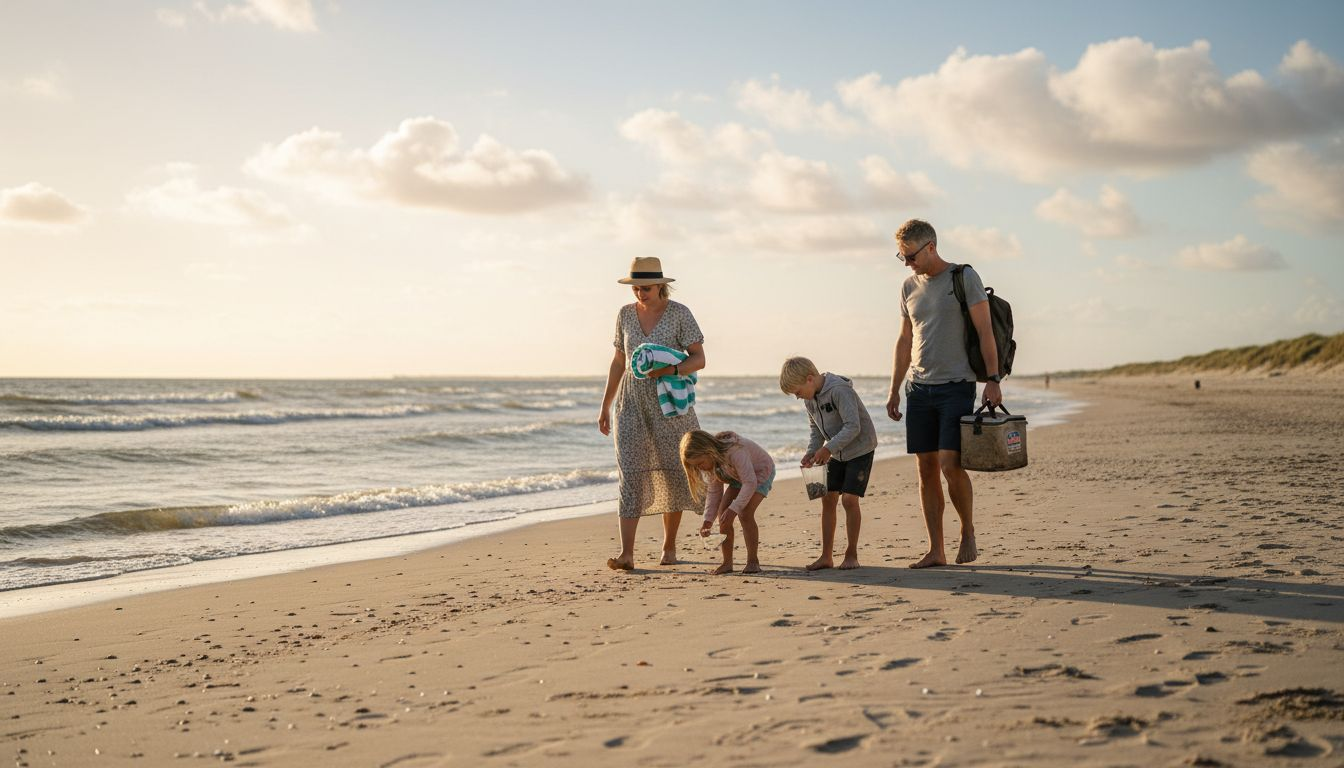
Over 60 percent of families with children experience planning the summer holiday as one of the biggest challenges of the year. When the choice falls on Denmark, a world opens up with relaxed beach days, exciting cultural offerings, and countless family activities that make the holiday memorable for both children and adults. Here you get an insight into the possibilities of putting together a holiday where nature, culture, and local特色 invite shared experiences all summer long.
Definition of the central features of summer tourism
Summer tourism is a dynamic and complex form of travel that primarily focuses on travel activities and experiences during the summer months. In Denmark, it's about more than just vacation – it's about creating unforgettable memories by exploring the country's diverse landscapes, cultures, and attractions. Summer tourism significantly contributes to the national economy through the economic activities of tourism.where coastal, nature, and city tourism play a central role.
The central characteristics of summer tourism include several important aspects. Firstly, the period is characterized by the high season, during which many Danes and international tourists travel within the timeframe of June to August. Typical activities include:
- Beach visits and water sports activities
- Camping and outdoor experiences
- Visit to cultural attractions
- Festivals and events
- Tourism and cultural experiences
Climate change also creates new challenges for summer tourism., which places demands on the destinations' adaptability and sustainable planning. This means that tourist destinations must constantly adapt to changing weather conditions and ensure attractive experiences.
Pro-tip: Plan your summer vacation early and be flexible with your travel plans to ensure the best experiences and avoid unnecessary complications.
Different variations and types of holidays
Summer tourism has developed into a complex and diverse form of travel with a multitude of different holiday types. The Danes are changing their travel patterns towards more flexible and individually tailored holiday experiences., which reflects an increasing tendency to seek unique and personalized holiday experiences.
The main types of summer vacation can be categorized as follows:
- Nature-based holiday
- Camping tent
- Hiking trips
- Outdoor activities
- Cultural holiday
- By ferie
- Historical journeys
- Art trips
- Specialized holiday types
- Wellness stay
- Sports trips
- Adults-only hotels
Travel trends in 2026 show a wide variation in vacation types, focusing on nature-oriented, family-friendly, and cultural trips.This means that modern tourists seek more than just traditional vacation types and instead desire deeper, more meaningful experiences.
Denmark appears as a highly attractive destination, offering a wide range of holiday options. From classic summer house stays by the coast to activity-filled city vacations and nature experiences, there is something for every taste and preference.
Pro-tip: Be open and flexible in your holiday planning, and consider mixing different types of vacations to create a more varied and memorable travel experience.
Popular summer activities in Denmark
Summer in Denmark is full of exciting activities that attract both Danish and international tourists. Summer activities cover a wide range of experiences which makes the country a fantastic destination for all age groups and interests.
The following activities are particularly popular among tourists:
- Beach activities
- Badning
- Surfing
- Sailing
- Beach volleyball
- Nature-based experiences
- Hiking
- Bike trips
- Kayak sailing
- Primitive camping
- Cultural events
- Music festivals
- Art exhibitions
- Historical markets
- Local traditional events
The Danish coastlines and natural areas offer unique opportunities for outdoor activities. From North Jutland's peaceful beaches to Bornholm's mountainous landscapes, there are countless opportunities to explore and experience Danish nature up close.
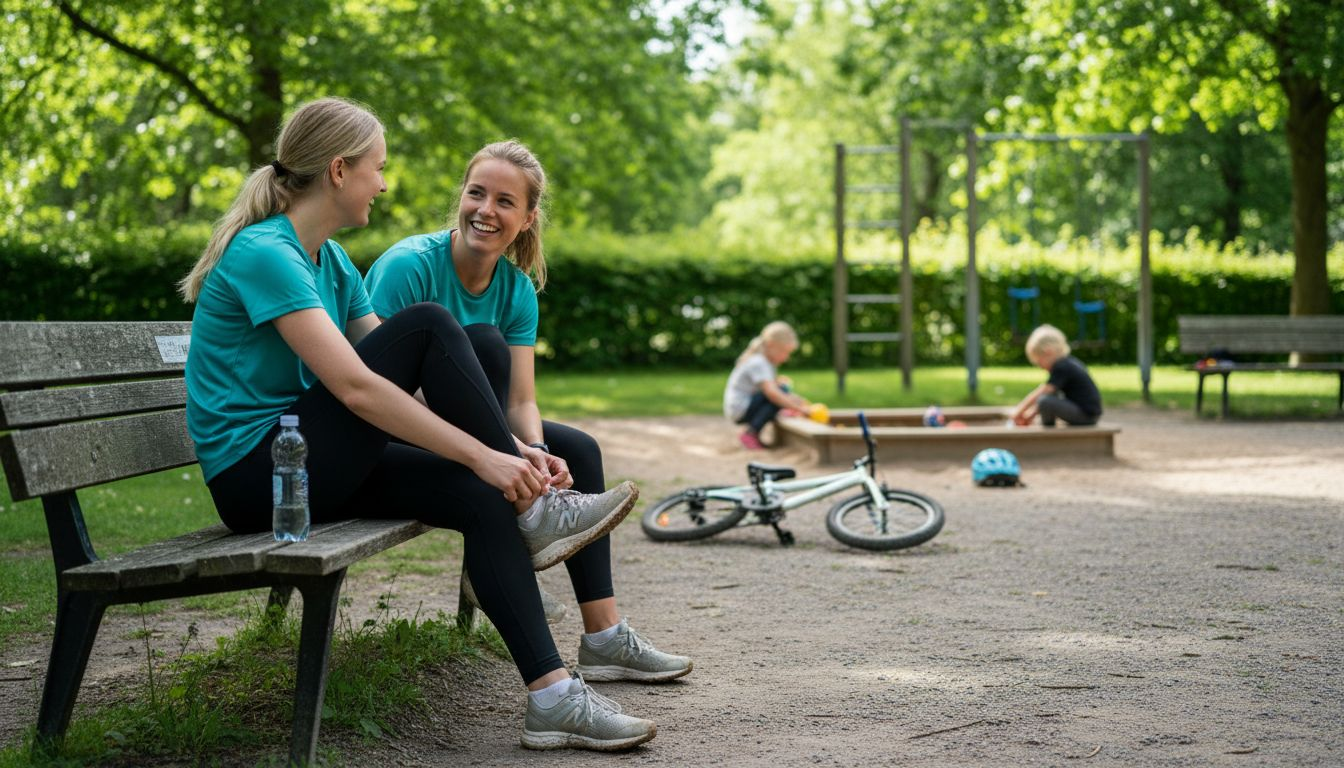
Pro-tip: Always bring sunscreen, water, and light clothing when participating in outdoor summer activities to ensure comfort and health.
Regional characteristics and local experiences
Denmark is a country filled with unique regional experiences, each telling its own story and culture. Cultural experiences vary significantly from region to region, which creates a colorful and diverse tourist landscape.
Here are some examples of regional characteristics:
- Northern Jutland
- Fisherman's Village Culture
- Maritime traditions
- Scenic dune landscapes
- Bornholm
- Unique Ø-culture with particular characteristics
- Craftsmanship
- Local food traditions
- The West Coast
- Surfing environment
- Store open beaches
- Nature parks
- Fine
- Historical castles
- Agricultural traditions
- Artistic environments
These regional differences create authentic experiences that go beyond traditional tourism. Each destination has its own stories, traditions, and atmospheres that invite visitors to explore the authentic Danish landscape.
Here is a brief comparison of regional characteristics in the main Danish tourist areas:
| Region | Cultural traits | Natural attractions |
|---|---|---|
| Northern Jutland | Fishermen's culture and maritime traditions | Clifftop landscapes and wide beaches |
| Bornholm | Artisan crafts and island history | Klipper and unique food experiences |
| The West Coast | Surfing community and local markets | National parks and long coastlines |
| Fine | Historical castles and agriculture | Blooming landscapes and archipelagos |
Pro-tip: Visit local markets and events to get the most authentic experience of a region's culture and特色.
Economic and environmental consequences
Tourism in Denmark significantly contributes to the national economy, with the summer months constituting a critical period for economic growth. The tourism sector creates thousands of jobs and generates significant income through various economic activities such as accommodation, transportation, dining, and experience economy.
The environmental consequences of summer tourism can be divided into several categories.
- Positive effects
- Increased awareness of nature conservation
- Economic incentive for environmental protection
- Investments in sustainable infrastructure
- Negative impacts
- Increased CO2 emissions from transportation
- Stress on local ecosystems
- Resource consumption in tourist areas
Danish environmental strategies focus on reducing the climate impact of tourism through green transition and sustainable solutions This involves investments in renewable energy, promotion of environmentally friendly transportation, and support for local businesses' green initiatives.
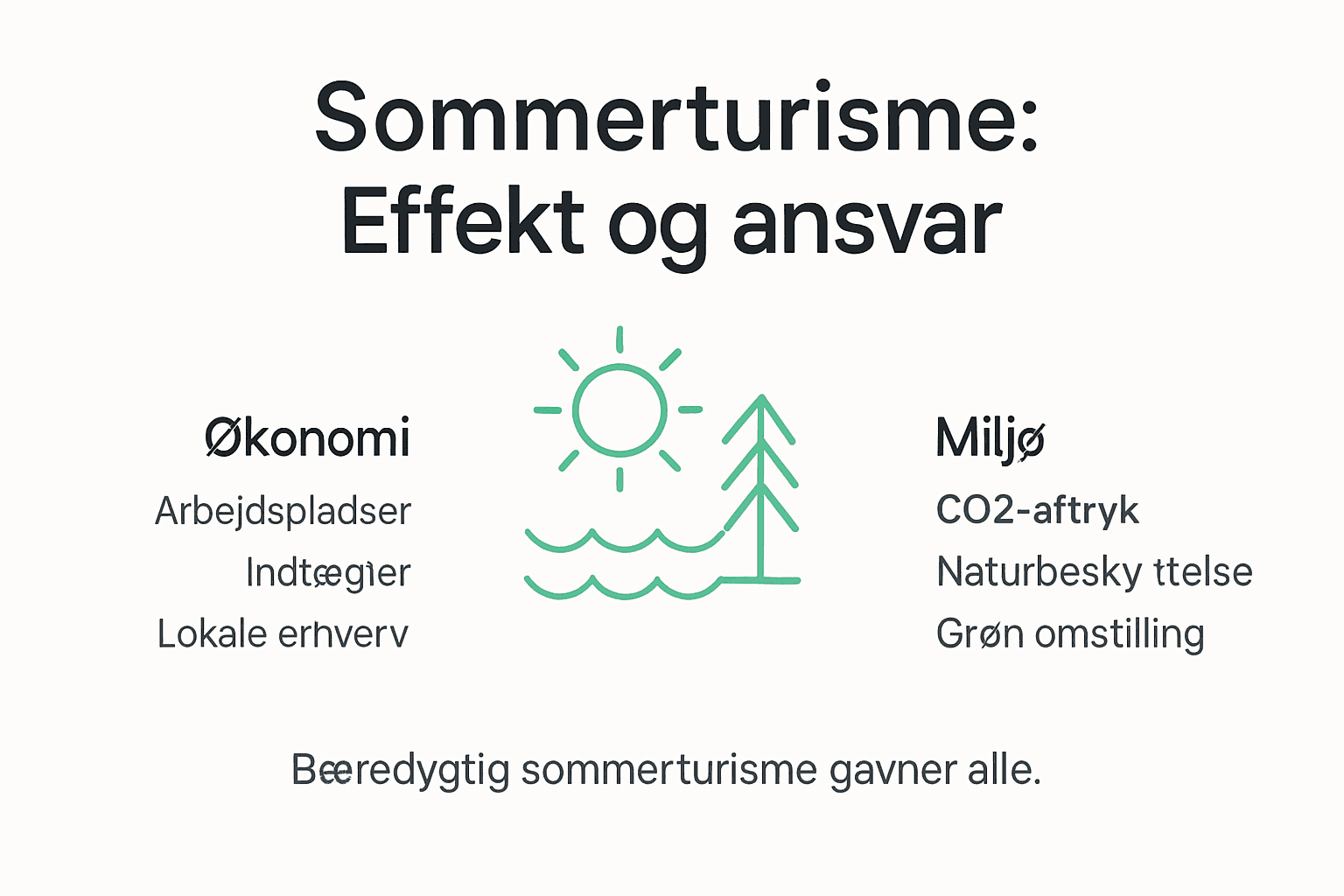
Economically, summer tourism creates an important dynamic where short-term commercial interests are balanced with long-term environmental considerations. This balance is crucial to ensure a sustainable and attractive destination for future generations.
Here is an overview of the economic and environmental consequences of summer tourism in Denmark:
| Consequence | Positive influence | Challenge | Long-term significance |
|---|---|---|---|
| Economic | Creates jobs | Risk of seasonal dependence | Increases local prosperity |
| Environmental | Hinder nature conservation | Increased transportation CO2 emissions | Requires green transition |
| Social | Strengthens local culture | Load at tourist levels | Develop sustainable tourism |
Pro-tip: Choose destinations and activities that actively support sustainable tourism and local environmental initiatives.
Typical mistakes and planning advice for families
Lack of preparation is the biggest challenge for families planning summer vacationThorough planning is the key to a successful family trip where all members feel heard and accommodated.
Typical mistakes families should be aware of include:
- Planning errors
- Lack of expectation alignment
- No flexible schedule
- Overbooking of activities
- Practical mistakes
- Insufficient packaging
- Lack of consideration for the children's interests
- Underestimation of transportation time
Choosing the right destination is about finding activities that suit the needs of the whole family.This means that all family members must be involved in the planning process and have the opportunity to contribute their wishes and expectations.
Successful family trip planning requires openness, flexibility, and thorough preparation. It's not just about choosing a destination, but also about creating frameworks for shared experiences and memories.
Pro-tip: Hold a family meeting where everyone has the opportunity to share their wishes and concerns before the holiday.
Experience the best of summer tourism with Travel in Denmark
Summer tourism is about more than just holidays; it's about finding unique experiences and creating community through meaningful journeys in Denmark's diverse landscapes and cultural treasures. If you want to avoid mistakes such as lack of preparation and lack of flexibility, and at the same time ensure fun activities for the whole family and authentic local adventures, then you can use Travel in Denmark Your guide to planning your perfect summer trip.
On the page, you can easily find inspiration and practical information for everything from beach activities and hikes to cultural events and child-friendly excursions. Make your summer holiday unforgettable by exploring the various regional characteristics and finding the best experiences that suit your wishes. Start your holiday planning today with Rejs i Danmark and set the pace for a summer full of joy, togetherness, and nature experiences!
Frequently Asked Questions
What is summer tourism?
Summer tourism refers to travel activities and experiences that take place during the summer months, typically from June to August. It includes beach visits, camping, cultural events, and outdoor activities.
What activities can be done within summer tourism?
The activities include beach visits, water sports, hiking, visits to cultural attractions, festivals, and city tourism.
How do climate changes affect summer tourism?
Climate change presents new challenges for summer tourism, including changing weather conditions that require tourist destinations to adapt in order to ensure attractive experiences.
What are the advantages and disadvantages of summer tourism?
Benefits include financial support to the local area and increased awareness of nature conservation. Disadvantages may include CO2 emissions from transportation and strain on local ecosystems.