In short:
- Festivals promote community, cultural discovery, and the local economy through meaningful encounters.
- It appeals to different segments, from young adventurers to families and the elderly, with different needs.
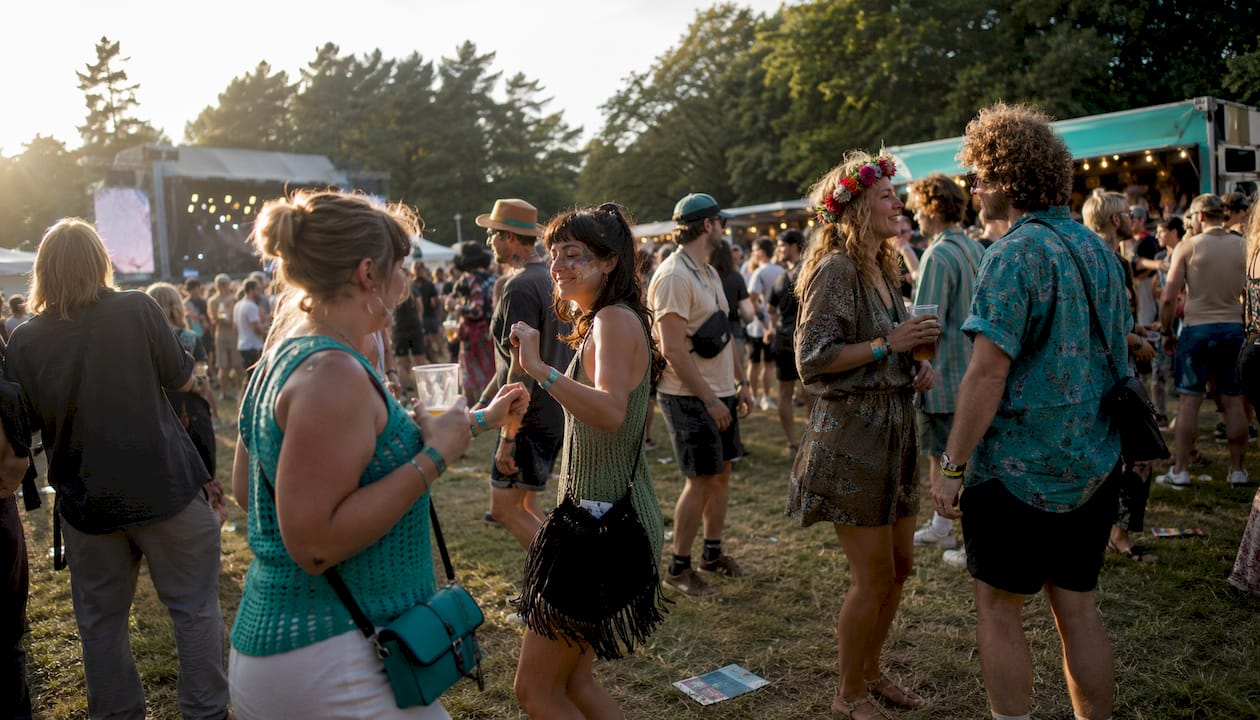
Festivals give you three things at once: community with strangers, cultural discovery, and a break from everyday routines. This is the short version. A little further: researcher Fabian Holt from Roskilde University points out that the success of festivals is closely linked to the audience's desire for meaningful, authentic encounters, not just entertainment. World Tourism Network highlights festivals as central to sustainable tourism, and Rejsidanmark has compiled practical checklists and local guides to make planning the visit easier.
Specifically, as a festival visitor, you will receive:
- Social community with people you would never meet otherwise
- Cultural discovery of new music, food, art, and local traditions
- Support for local actors and the local economy
- Lasting memories it differs from an ordinary holiday experience
- Mental restitution through a different and sensory-rich everyday life
What do you get out of going to the festival?
The benefits of festivals are distributed across three levels, and they reinforce each other.
Social Is the festival one of the few places where you naturally talk to strangers. You share tent, camp, and weather with people you don't know, and it creates a special kind of closeness. Volunteering at festivals is a good example: you actively contribute and build relationships that extend beyond the event itself. Local music festivals also generate significant local economic effects, and ten selected Danish festivals have collectively created around 440 million. kr. in local economic activity according to a Danish Live report
Culturally Three festivals, platforms for authentic encounters. You discover artists you would never have actively searched for, taste local food, and see craftsmanship from the region. An analysis of the Aarhus festival economy shows that local events boost spending in the city's restaurants, hotels, and shops and create temporary job opportunities. It's not just entertainment; it's part of the city's identity.
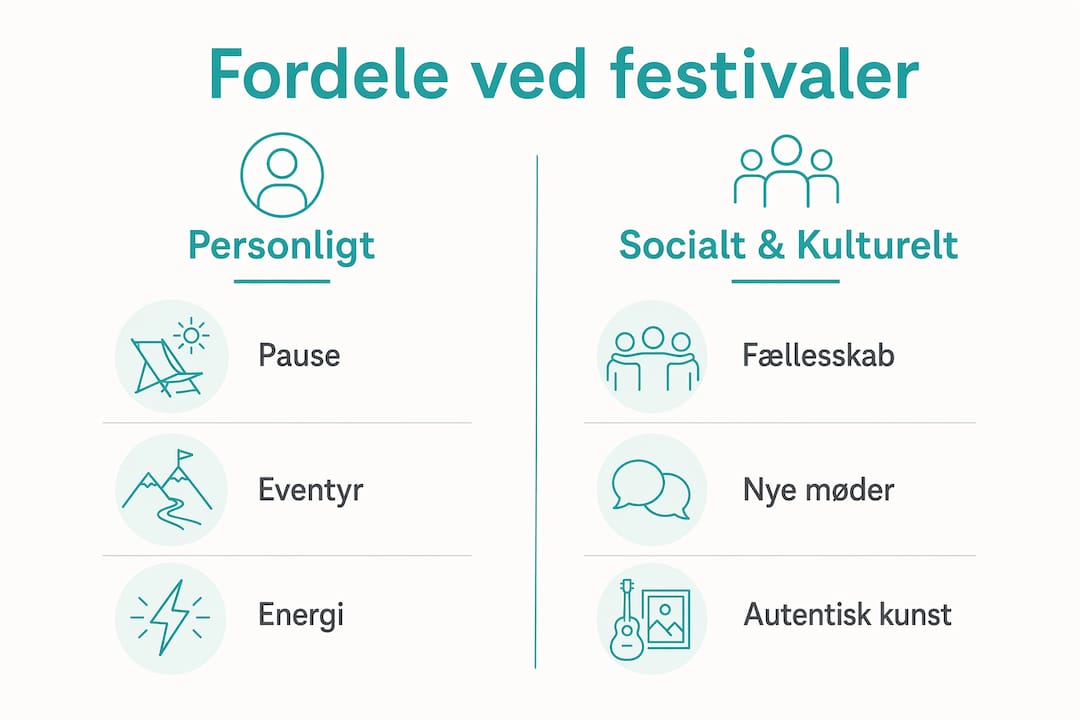
Personal Does the festival serve as a real break? Not a passive holiday, but an active experience that stays in the body and memory. Rising demand for car tickets drives precisely by a desire for community in a time when many are seeking something to hold on to.
Who are festivals suitable for?
Festivals are not just for young people with sleeping bags and rubber boots. The segments are wider than most people imagine.
- Young adventurers (18–30 years old) Prioritizes the intensity of experience, spontaneity, and social encounters. They sleep in tents, eat from food stalls, and change plans along the way. Headlines are important, but camping life is just as central.
- Adults and 40+ guests seeks comfort, good sound, and a program with substance. Lifestyle expert Julie Lahme observes that adults over 40 Prioritizes accommodation standards and sanitary conditions significantly higher than before. Glamping and hotel packages are not a luxury for them; it is a necessity.
- Familiar with children Looking for a safe environment, child-friendly activities, and a program that keeps the whole family engaged. Festivals like Aarhus Festival Week offer exactly that wide range.
The motivations vary accordingly. Young people seek community and music discovery. Adults want gastronomic experiences and local culture. Family prefers safety and shared memories. None of these needs exclude each other, but they require different choices of festival type and accommodation.
Professional tip: Adults and families should book glamping or hotels early, preferably six months in advance. The best comfort seats sell out faster than regular tickets.
What types of festivals do you find in Denmark?
Denmark has a wide selection, and the type determines the expectations. See the overview of Danish festival types On Rejsidanmark for an overall overview.
- Store Music Festivals (Roskilde, Smukfest): many stages, international lineup, camping culture, and a high degree of self-organization. Expect queues, weather, and unexpected highlights on the small stages.
- Festival of the gods (Copenhagen Jazz Festival, Aarhus Festuge): scattered throughout the city, free access to many events, easy to combine with city experiences and hotel accommodations.
- Food and Culture FestivalsFocus on local gastronomy, craftsmanship, and regional traditions. Less audience, more intimate atmosphere and direct contact with producers.
- Family-friendly eventsStructured program, safe environments, and activities adapted for children from 3 years and up.
The small scenes are consistently underrated. This is where you find artists the day before they sell out arenas, and this is where festival magic most often happens. Expectation management is key: approach with openness rather than a fixed plan, and you'll come home with experiences you didn't know you were missing.
How do you go from consumer to active participant?
Experienced organizers They agree: the best memories are created through active participation, not passive consumption. The change doesn't require much, but it requires a conscious decision.
- Slip control over the program. Choose a concert you don't know. Go there without expectations.
- Prioritize the small scenes More than just chasing headlines. The surprises are here.
- Participate in workshops and talks. Most large festivals offer them, and they are often free with the festival ticket.
- Sign up as a volunteer for one day. You see the festival from a different angle and meet people with the same enthusiasm.
- Talk to your neighbors In the camping area. A cup of coffee in the morning. It costs nothing and often provides the best stories.
- Take responsibility for your area. Get up, help a neighbor with a fallen tent, respect the volunteers.
Professional tip: Volunteers and local information booths at the festival entrance know the hidden highlights. Ask them directly: "What is the best thing you've seen today?" You get an answer no app can give you.
Practical planning: tickets, transportation, and budget
Good planning is the difference between a good festival and a stressful one.
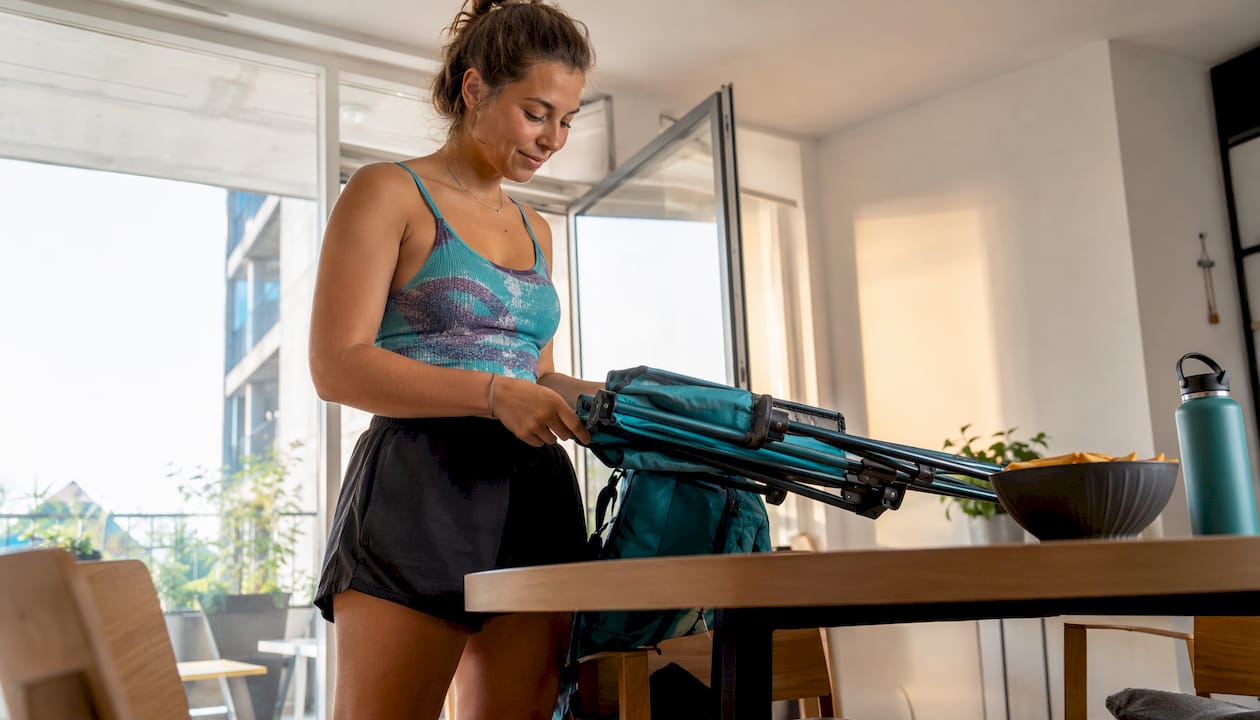
Tickets: Buy early bird as soon as they are released, typically six to twelve months in advance. Partout tickets offer flexibility; day tickets are cheaper but limit you. Popular festivals like Roskilde sell out months in advance.
Accommodation: Tent camping is the cheapest but requires equipment and mental resilience. Glamping costs more but provides sleep. The nearby hotel is more expensive and requires transportation, but it is suitable for older guests and families.
Transport: Tog and bus are by far the easiest to most major festivals. Parking is expensive, limited, and stressful. Shuttle services from the nearest town are often the best compromise. Feel free to combine the festival visit with an overnight stay in the city the day before or after.
Estimated costs per person may vary depending on ticket choice, accommodation type, food, and transportation.
Packing list and timeline:
- Six months before: buy ticket and book accommodation
- Two months before: plan transportation and check the schedule
- The day before: pack rain gear, sunscreen, comfortable footwear, and a portable charger
- The day before: download the festival's app or map, and save a meeting point offline
How do you support local actors and reduce your footprint?
Sustainability at festivals is about concrete choices, not grand principle declarations.
- Buy food from local stalls Ahead of chains. The money stays in the local community.
- Choose local accommodation options preferably farm stay accommodations or local B&Bs instead of large hotel chains.
- Use public transport or carpool. It is the single action that reduces your CO2 footprint the most.
- Sorted waste or use the festival's own recycling stations. Most large festivals have them.
- Buy handicrafts and souvenirs directly from the producer at the festival site
World Tourism Network recommends that tourists actively choose festivals with clear sustainability initiatives and prioritize local suppliers. It is good practice, and it makes the experience more Authentic on the journey.
Professional tip: Check the festival's website for sustainability policy before purchasing a ticket. Festivals that set specific goals for waste and transportation are the ones that actually follow up on them.
Safety, comfort, and good behavior at the festival site
Especially for families and elderly guests, it is important to prepare for the practical aspects.
- Agree on a fixed meeting place At the entrance or at a designated scene. The mobile network is overloaded at large festivals.
- Hold the phone charged. Take a portable charger with you, and charge it overnight.
- Pak medicine in the carry-on bag, not in the tent bag. Make sure you know where the festival's health tent is located.
- Choose accommodation with good access to toilets and bathrooms if you are over 50 or traveling with children under 10.
- Respect the volunteers. They work hard for your experience and deserve a proper tone.
- Take care of yourself. It's not just etiquette; it's part of the festival's community culture.
Professional tip: A small first aid kit in a ziplock bag: bandages, painkillers, sunscreen, and an extra pair of socks. It sounds trivial, but practical preparation is what distinguishes a good festival from a tough one.
Which Danish festivals are worth experiencing?
Here are five concrete examples that illustrate the breadth of the Danish festival landscape.
- Roskilde Festival He is the biggest and most international. It attracts many foreign guests and is one of the festivals with the largest national tourism turnover. Cultural influence, strong community, and a program that extends far beyond music.
- Smukfest In Skanderborg, there is a strong regional identity and a loyal audience. The forest as a setting creates a special atmosphere, and the local connection is noticeable in the program and in the food stalls.
- Copenhagen Jazz Festival It spans ten days and fills all of Copenhagen with music. Many events are free, and it is easy to combine with a city stay. The tourism revenue from the festival has previously been estimated at a significant amount.
- Aarhus Festival Week It is a good example of a city festival that creates broad local activity. Events boost spending in the city's restaurants and shops and attract an audience ranging from families with children to culture enthusiasts.
- Rejs i Danmark has gathered local accommodation suggestions and cultural activities in Denmark It is well suited as a supplement to a festival visit.
Festivals are still the best argument for traveling
There is something about festivals that no streaming service can replace. It's not just the music. It is the moment when you stand in a crowd and feel that everyone is there for the same reason. I have seen it happen at Roskilde, at Smukfest, and at a small jazz stage in an alley in Copenhagen: strangers suddenly sharing something genuine. It is the experience that makes people return year after year. Festivals are not perfect. The weather fails, the queues are long, and the headline acts sometimes disappoint. But the authentic encounters, the unexpected discoveries, and the special atmosphere that arises when thousands of people choose to be present at the same time and place are hard to find elsewhere. Modern travelers have access to more than ever before, but that makes the experiences that require your physical presence even more valuable.
Rejsidanmark helps you plan your festival visit
Combining a festival visit with a broader holiday experience in Denmark requires some preparation. Rejsidanmark offers practical planning guides, recommended experiences, and estimated costs that make it easier to put everything together. Whether you are a first-time visitor or know Denmark well, Guide to Denmark for visitors A good starting point for combining the festival with sightseeing, accommodation, and transportation. You also find a Checklist for your Denmark trip, which covers everything from packing list to booking order. Check Rejsidanmark for local suggestions and let the guide save you from the mistakes most people make the first time.
Sources and further reading
- Fabian Holt on music, tourism, and cultural travels (eTurboNews)
- DR: Festivalgæster vil have luksus og bedre overnatning
- TV 2 Fyn: Ten golden festival rules
- TV 2 News: Why are festivals so popular?
- Danish Live: Report on the value creation of music festivals
- Analysis of Danish music festivals (NIRAS/Yumpu)
- Festival Economy in Aarhus (Aarhus Center)
- Rejsidanmark: Planlægningsguides og lokale oplevelser