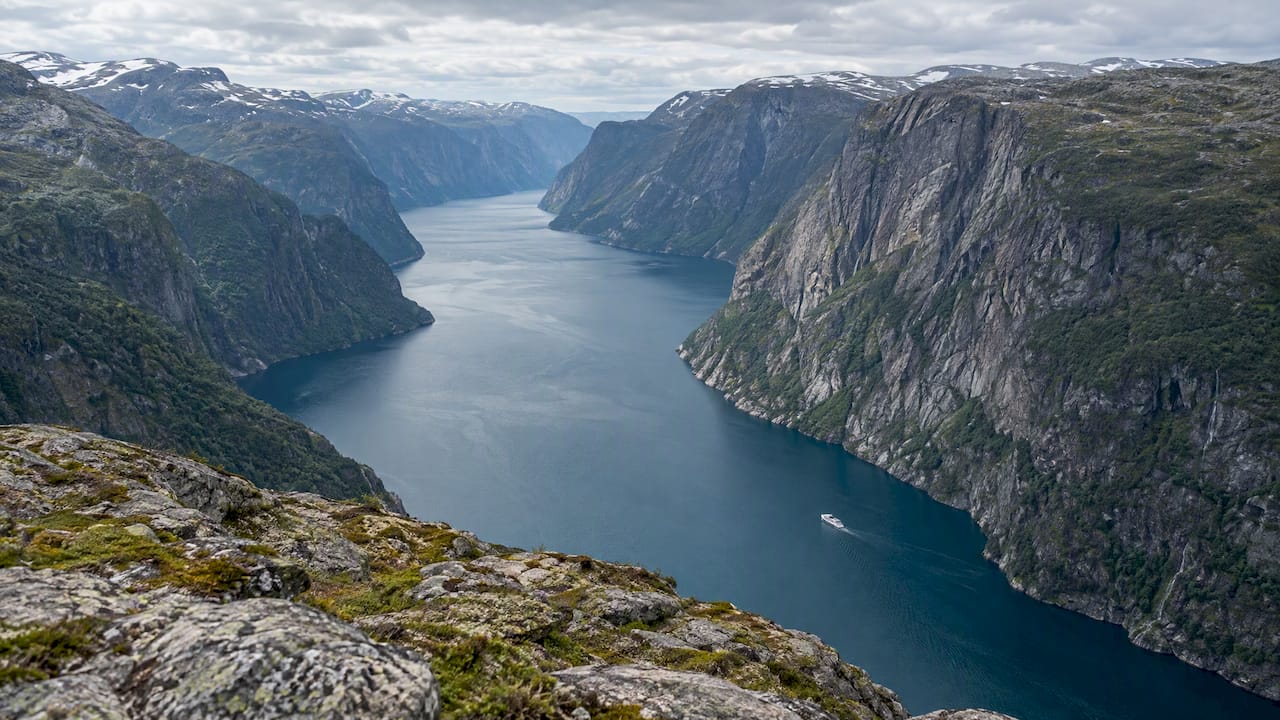
Fjords are worth experiencing because they combine dramatic geology, rich wildlife, and experiences you won't find elsewhere: steep cliffs, deep, tranquil waters, and the opportunity to paddle or hike close to nature. Take into account local regulations and seasonal restrictions to ensure the experience is both intense and responsible.
What makes fjords unique: geology, depth, and ecosystems
Fjords are formed when glaciers during the Ice Age carve through mountains and create deep, U-shaped valleys. When the ice melted, the sea rose and flooded the valleys, turning them into the narrow, deep fjords we know today. It is precisely this process that gives fjords their characteristic shape: steep sides and a bottom that often lies much deeper than one would think.
According to World Atlas The fjord bottom can lie over 1,000 meters below sea level, while the cliffs above rise just as steeply. The combination of depth and height creates a sense of grandeur that many visitors describe as overwhelming.
The water in a fjord is rarely uniform. Fresh meltwater from glaciers and rivers often forms a thin layer on top of the denser, salty seawater, and this layering affects both the refraction of light and the temperature. It is part of the explanation for the changing colors you see from turquoise to deep blue, and for the fog that can settle on quiet mornings and give the fjord an almost unreal appearance.
Fjords are much more than a beautiful sight. They function as living ecosystems:
- Deep fjord basins collect sediment over thousands of years and serve as natural archives for researchers studying climate history.
- The narrow waterways are important corridors for migratory fish such as salmon and for seabirds that use the fjords as resting places.
- The stratified water column creates different habitats in the same fjord, from the light at the surface to the dark, nutrient-rich depths.
The geological and biological complexity is the reason why a fjord trip feels different from a regular coastal trip: you move through a landscape shaped over millennia that is still alive.
Famous fjords and short examples from Norway and Denmark
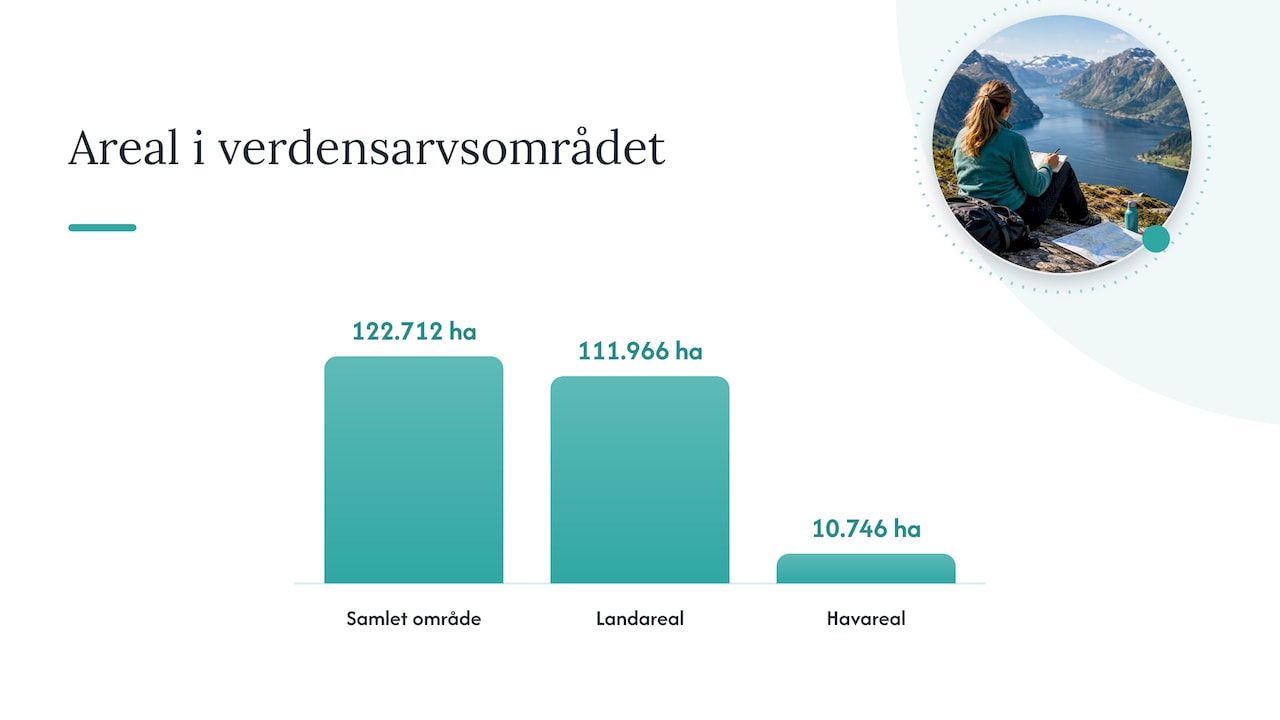
Some fjords have become synonymous with the very idea of dramatic natural beauty. Geiranger Fjord and Nærøy Fjord in Norway are included in UNESCO World Heritage List, highlighting their steep walls and status as typical locations for world-class fjord landscapes. According to Fjords Does it cover the protected World Heritage site around Geiranger and Nærøy, 122,712 hectares, of which 10,746 hectares are sea, an area that includes waterfalls, farms clinging to cliffs, and deep, tranquil water surfaces.
The Norwegian fjords each have their own character.
- Geiranger Fjord is known for its high waterfalls such as the Seven Sisters and for the winding mountain roads that offer views over the entire fjord arm.
- Nærøyfjord is one of the world's narrowest fjord arms and provides a more intimate, almost claustrophobic feeling of being surrounded by mountains.
- Sognefjorden is Norway's longest and deepest fjord, with side arms that range from wide, open stretches to narrow corridors.
- Lysefjorden is known for its rock formations like Preikestolen, which rises vertically from the water and attracts hikers from all over the world.
Denmark does not have fjords of the same dramatic scale, but the country's fjords have their own value. Roskilde Fjord is a shallow, elongated fjord with calm conditions, well suited for kayaking, sailing, and birdwatching, and you can find a practical guide in The guide to Roskilde FjordMariagerfjord offers a gentler landscape with forested cliffs and a historic harbor town, and both fjords are easily accessible for a day trip or a weekend without long travel times.
How to actively experience the fjord: kayaking, boat trip, hiking, and photography
The experience you get depends a lot on how you move through the landscape. A kayak provides the closest contact with the water and allows you to glide into narrow coves that larger boats cannot reach. A boat trip, on the other hand, offers a panoramic view where you can see the entire scale of the fjord unfold, as detailed at Norway Cruise from Hamburg | The Best Cruise RoutesHiking along the fjord sides adds a third dimension: the view from above, where the contrast between water and mountain becomes most evident.
- Choose a kayak if you want to experience the silence and get close to cliffs and narrow side arms.
- Choose a boat trip or ferry if you have limited time or are traveling with children and elderly family members.
- Choose a hike to a viewpoint if you want to photograph the fjord in its full width.
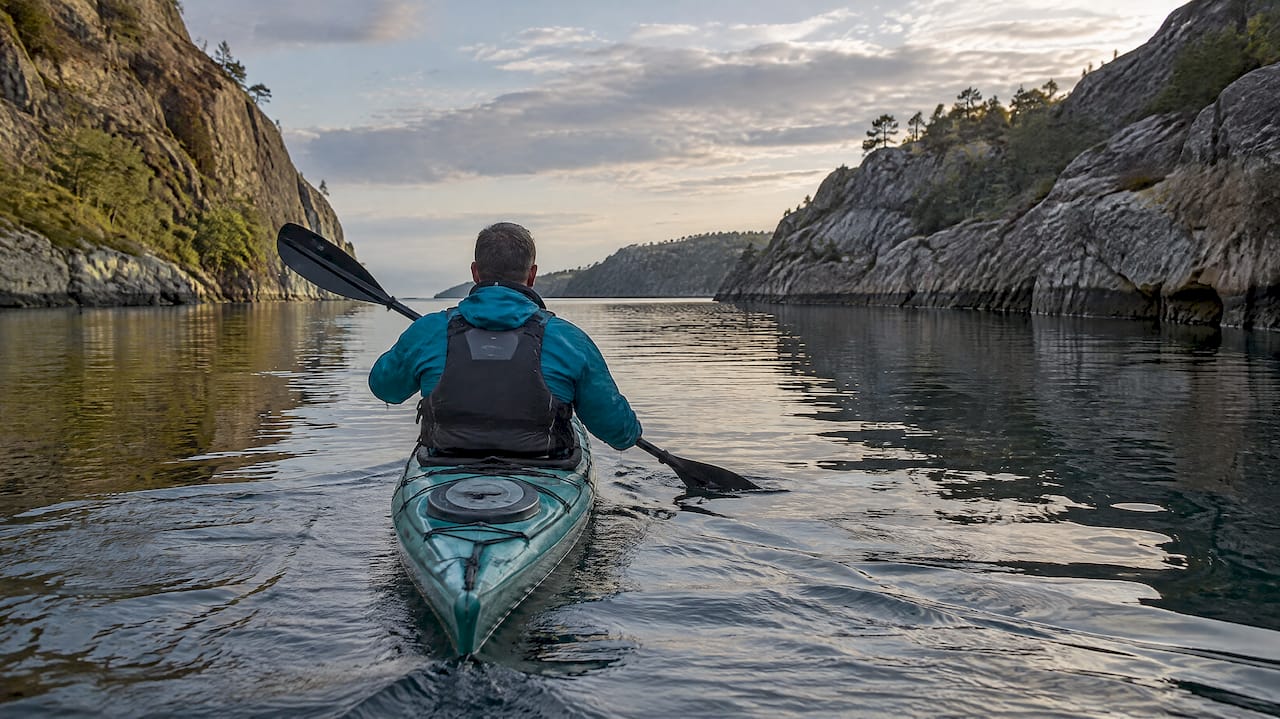
The equipment determines whether the trip will be comfortable or uncomfortable. Dress in layers so you can adjust according to wind and temperature, always wear a life jacket on the water, and pack electronics in waterproof bags. According to A kayak guide to Nærøyfjord Gives kayak a particularly intense experience in narrow fjord arms, but requires basic instruction and attention to boat traffic, as large ferries can create waves even in otherwise calm water.
Professional tip: Plan kayak or boat trips around ferry schedules to avoid wave sets from large ships in narrow fjord passages.
Consider whether you want a day trip or several days. A single day is enough for one fjord arm and a couple of stops, while a multi-day trip allows for kayaking, hiking, and a leisurely boat ride in the same area. The best photo light is usually early in the morning or late in the afternoon, when the sun is low and the colors become more saturated.
Responsible visit: safety, season, and protected areas
Fjords are vulnerable natural areas, and many of them are covered by regulations designed to protect wildlife and habitats. Protected areas often have seasonal restrictions on sailing and access, precisely to protect breeding birds and seals during their most sensitive periods.
- Many protected areas restrict sailing during the breeding season to protect birds and marine mammals.
- Keep a safe distance from resting and nesting animals, even where there are no signs indicating specific boundaries.
- Always follow local instructions regarding no-sailing zones or speed limits.
Tide and weather are just as important a factor as wildlife. Wadden Sea National Park Points out that tide-influenced areas can become directly dangerous in darkness, fog, or storms, and that planning according to tide tables and local weather forecasts is crucial for a safe trip.
Navigation in protected fjord and coastal areas is restricted during breeding and resting periods to protect important wildlife habitats, so it is worth checking local regulations before planning a route.
Use local guides where possible. You are both familiar with the waters and the biotopes that require extra consideration, and the same sources emphasize that active participation such as kayaking or hiking often provides a deeper nature experience than observing the fjord from a ship's deck.
When and how you plan your fjord visit
The season determines both the experience and the practical conditions. Summer brings long days and milder weather, but also more visitors and increased boat traffic in the most popular fjords. Spring and autumn offer calmer conditions and often stronger light for photography, while winter brings drama in the form of snow on mountain peaks but requires more equipment and experience, especially on the water.
The transports vary greatly from fjord to fjord. In Norway, ferries are often the most practical way to get around between the fjord arms, while Danish fjords like Roskilde Fjord are close to larger cities and easy to combine with a coastal holiday elsewhere in the country, as described in The guide to coastal holidays in Denmark.
Here's how you can allocate your time depending on how much you have to give:
- In a single day, you can reach a short boat trip or a kayak tour in a confined fjord arm plus a viewpoint.
- Within 2 to 3 days, you can combine kayaking, hiking, and a longer boat trip in the same fjord area.
- In one week, you can visit several fjords and alternate between active days and more relaxed excursions.
If you are planning a longer summer vacation with a fjord visit as part of the route, the step-by-step summer vacation plan in Denmark can help organize the rest of the trip around it.
Travel in Denmark: how we help you plan a fjord trip
There are platforms that gather experiences, attractions, and practical information in one place, so you don't have to browse multiple sites to plan a fjord trip. Interactive maps and filters can enable searching for activities by season, price, and age group, and many experiences have estimated price ranges per. person, so the budget can be planned before leaving.
For Danish fjords, we have a dedicated guide to Roskilde Fjord with specific suggestions for activities and access conditions. The platforms are built for both families looking for an easy day trip and nature enthusiasts who want to delve deeper into the area's opportunities, whether the goal is a short walk along the water or a full day of kayaking.
Fjords deserve more than a quick look from the car
The most common mistake is treating a fjord as a stop on a drive, a picture taken from a viewpoint, and so on. The value of the fjord lies in the pace: in sitting still in a kayak and feeling how silently the water moves between the cliffs, or in walking the last hour up to a viewpoint where the entire valley suddenly opens up.
The widespread belief is that you have to travel far to experience a "real" fjord. It's not the whole truth. Danish fjords such as Roskilde Fjord and Mariager Fjord lack the high cliff walls, but they offer a calmer, more accessible encounter with the same fundamental nature: water, land, and wildlife in close interaction. Prioritize time over distance. A weekend thoroughly spent in a fjord area often offers more than a quick detour to a famous place you only see through a car window.
— Tommy
Find your next fjord experience with Travel in Denmark
Once you've decided on a fjord, the next step is to find the right activities, and various platforms can make the planning easier. Filtering by season, price, and age group can help quickly find something suitable for the trip without having to search across multiple different pages.
Start with practical travel tipsIf you want to get a grip on the basics before departure, and use the Roskilde Fjord guide as a concrete starting point if you want to experience a Danish fjord up close.
Sources
- What is a fjord? (WorldAtlas)
- Fjords
- West Norwegian Fjords (UNESCO World Heritage Centre)
- Active and healthy at the Wadden Sea (Wadden Sea National Park)
- Nærøyfjord Kayak Guide (The Kayak Trip)
Frequently Asked Questions
Why are fjords especially worth experiencing?
Fjords dramatically combine geology, deep water, and rich wildlife in a way that is hard to find elsewhere. The combination of steep cliffs and calm, deep fjord arms makes the experience intense, whether you are sailing, paddling, or hiking.
How is a fjord formed?
A fjord is formed when glaciers during the ice age carve deep, U-shaped valleys through mountains, after which rising sea levels flood the valley. According to WorldAtlas, the resulting fjord bottom can be over 1,000 meters below sea level.
Which fjords should I visit in Norway?
Geiranger Fjord and Nærøy Fjord are the most famous, among other reasons because they are listed as UNESCO World Heritage Sites. Sognefjord and Lysefjord each offer their own character, from the vast scale of Sognefjord to the striking rock formations of Lysefjord.
Are Danish fjords a good replacement for Norwegian fjords?
Danish fjords such as Roskilde Fjord and Mariager Fjord do not have the same high mountain walls, but they offer a peaceful and accessible encounter with fjord nature close to large cities. They are suitable for kayaking, sailing, and family outings without long travel time.
When is the best time of year to visit a fjord?
Summer offers long days and milder weather, while spring and autumn often bring calmer conditions and clearer light. Always check local regulations and tide conditions before departure, as recommended in the guidelines from the Wadden Sea National Park.