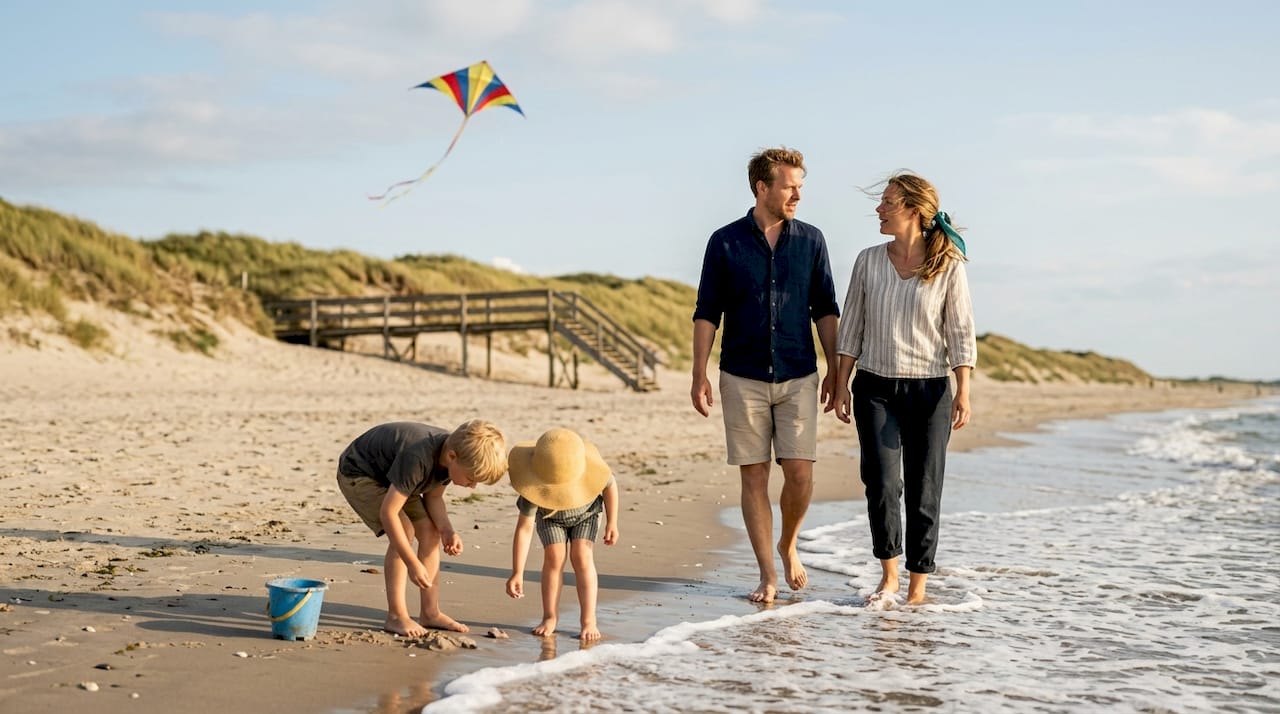
Denmark's coastline stretches over 7,300 kilometers and offers much more than just beaches. Familiar discovers here a unique combination of play, learning, and natural beauty that is rarely found elsewhere. From UNESCO-protected mudflat areas to hidden coves with safari activities, the coast offers experiences suitable for both young children and teenagers. This article guides you through the best activities, financial benefits, and practical tips for creating a memorable coastal holiday that combines adventure with safety.
Main Points
| Point | Details |
|---|---|
| Family activities by the coast | The coast offers beach games, bike rides, and workshops suitable for both young children and teenagers. |
| UNESCO Wadden Sea | The Wadden Sea is a UNESCO World Heritage Site and offers a unique tidal dynamics and natural experiences for the whole family. |
| Summer houses and planning | Book early and choose weeks in June or August for better placements and lower prices. |
| Sustainability by the coast | Holidays support local craftsmanship and the natural environment while also reducing the carbon footprint. |
What makes Denmark's coast an ideal holiday destination for families
Denmark's coastal areas have evolved into perfect destinations for families seeking variety and quality time together. Denmark's coastline offers family-friendly activities beach games, bike rides, water parks, mini golf, surfing, and workshops that create opportunities for both active play and relaxing moments.
The West Coast stands out especially with its wide sandy beaches where children can build sandcastles for hours while parents enjoy the sea breeze. Areas such as Blåvand and Henne Strand combine natural beauty with practical facilities like playgrounds, toilets, and parking options close to the beach. This makes it easy to pack equipment and spend the whole day by the water without stress.
Many coastal areas offer specialized activities that combine entertainment with learning. Oyster safari in the Wadden Sea gives children the opportunity to experience the tidal landscape and learn about ecosystems, while harbor fishing in small towns like Gilleleje introduces them to local fish species. Surfing and kayaking at Klitmøller appeal to teenagers seeking challenges, while mini-golf courses and water parks are perfect for younger children.
Summer houses by the coast constitute a large part of the holiday infrastructure. Statistics show that higher-income families more often own or Rent a summer house in coastal areas, which reflects both accessibility and demand. These homes provide flexibility to tailor the holiday to the family's rhythm, cook at home, and create coziness on the terrace after a day at the beach.
Professional tip: Book a summer house early in the season to secure the best locations near the beach. Many families choose weeks in June or August to avoid high season prices, while the weather is still ideal for outdoor activities.
Creative workshops in coastal towns offer alternative activities on rainy days. Ceramics, painting, and woodworking in local workshops give children the opportunity to create memories they can take home. At the same time, these activities support local craftsmen and contribute to the authentic coastal environment that many families cherish. active holiday in Denmark.
The facilities along the coast are designed with families in mind. Bike paths often connect beaches with nearby towns, making it safe and easy to explore the area on two wheels. Toy stores, ice cream shops, and small restaurants with children's menus can be found in most coastal towns, so families can enjoy local specialties without worries. This combination of nature and convenience makes coastal vacations a stress-free experience where both children and adults can relax.
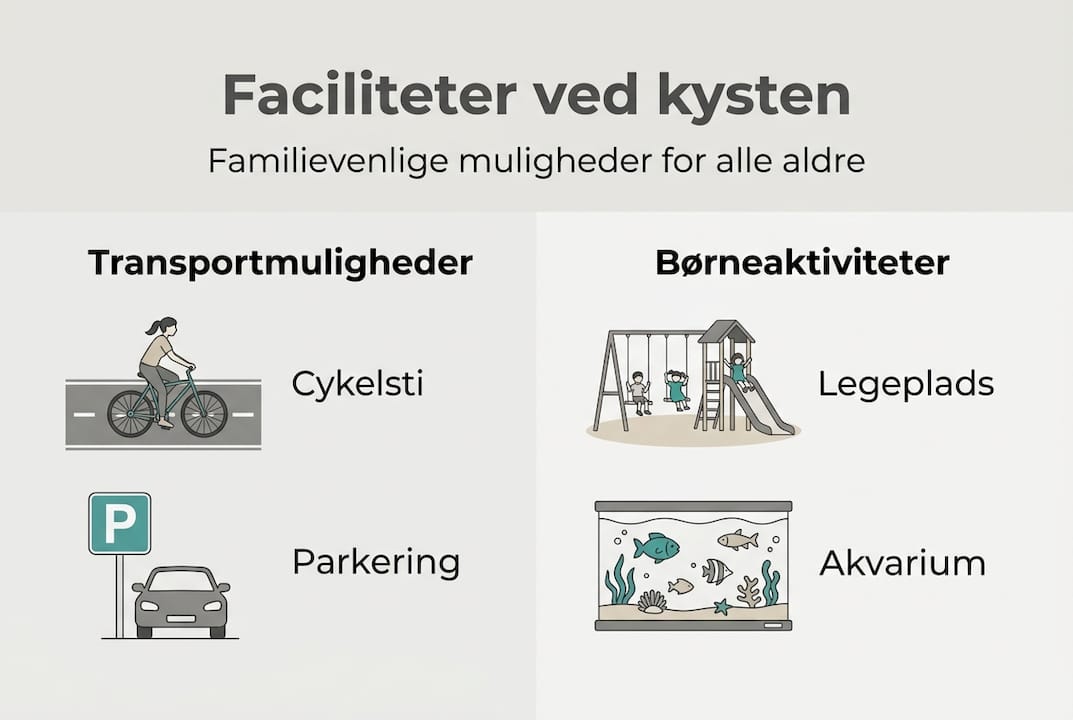
Many destinations also offer child-friendly attractions for families Some aquariums, museums with interactive exhibits, and zoos that complement the beach experiences. This variation ensures that even a week by the coast never becomes boring, regardless of the weather or the children's mood.
Adventures and nature experiences for the adventurous
For travelers seeking more than just sunbathing, Denmark's coast offers extraordinary natural experiences. The Wadden Sea stands as the crown jewel among these and is recognized as UNESCO World Heritage with 500 km Coastline where the tide creates a dynamic landscape that changes every day.
National parks like Thy and Mols Bjerge offer extensive networks of hiking trails that lead through dunes, heaths, and forests with views of the sea. These routes vary in difficulty from easy family trails to challenging hikes for experienced hikers. The Coastal Path, which stretches along large parts of the Danish coast, offers opportunities for day trips or longer trekking tours, where you can stay overnight in shelters or campsites.
The revet systems at Læsø and other islands create unique habitats for birds and marine animals. Ornithologists travel long distances to observe migratory birds that use the Danish coasts as resting places. Guided birdwatching trips early in the morning offer the best chances to see rare species, while sunset trips focus on the changing colors of the landscape.
Water sports constitute a central part of the coast's adventure offerings. Kitesurfing at Hvide Sande and Klitmøller attracts enthusiasts from all over Europe, while kayaking and SUP (stand-up paddleboarding) work perfectly for beginners in more protected bays. Local providers offer courses and equipment rentals so that you don't have to bring your own.
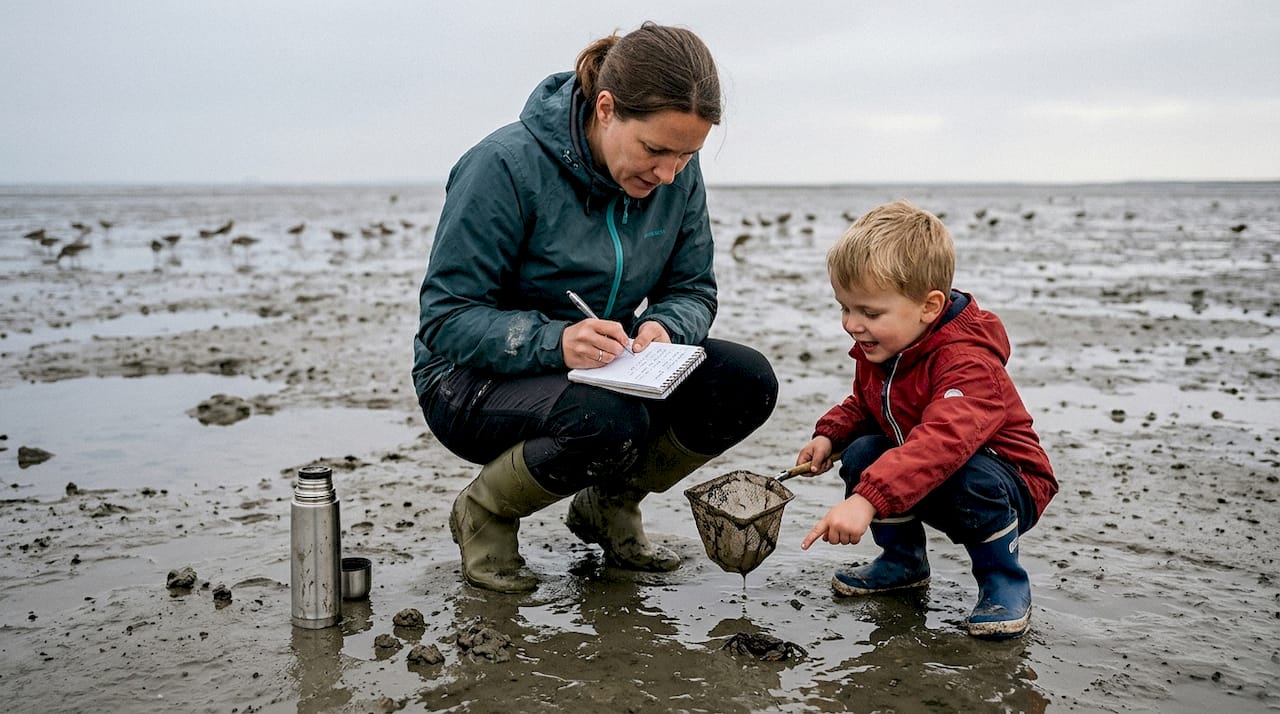
Oyster safari in the Wadden Sea combines physical activity with culinary discovery. The guides lead groups out onto the mudflat at low tide, where participants learn to find and open wild oysters. This experience requires rubber boots and warm clothing, but rewards with fresh shellfish and insight into the ecosystem's vulnerability. Safety is crucial, as the tide can change quickly, making professional guides indispensable.
Nature conservation plays an important role in many coastal areas. Visitors are encouraged to follow marked trails, avoid disturbing nesting birds, and take all trash with them. Information signs at entrances to natural areas explain local rules and ecological relationships, which increases understanding of the importance of nature.
The landscape of the North Sea teaches us humility. The tide dictates the rhythm, and we must adapt to the forces of nature to experience its beauty safely.
Hiking along the coastal cliffs at Møns Klint or Stevns Klint reveals geological layers that tell millions of years of history. Fossil hunting appeals to children and adults, and many find shark teeth or corals embedded in the chalk. These experiences connect visitors with Denmark's prehistory in a tangible way.
For those seeking silence, early morning hours by the coast offer meditation and reflection. The sound of waves, birdsong, and the wind creates a natural soundtrack that promotes mental calm. Yoga on the beach has become popular in coastal towns, where instructors hold sessions at sunrise.
Adventures along the coast require respect for nature and preparation. Always check weather forecasts, tide tables, and local warnings before trips. With the right planning, Denmark's coast becomes a playground for discoveries that nourish both body and mind. Visit Inspiring nature experiences in Denmark for more ideas for your next outing.
Economy and sustainability: why a coastal holiday in Denmark is smart
Choosing Denmark's coast as a holiday destination makes economic sense for many families, especially when compared to international trips. Statistics show that 7% of Danish families owner of a summer house, with a particularly high concentration in North Zealand, where 10.5% of families have holiday homes. This reflects both the attractiveness of coastal areas and their investment value.
Comparing the costs of a week's vacation in Denmark with similar destinations in Sweden or Norway, analyses show that Danish summer holidays are often cheaper End neighboring countries for families. Madpriser in local supermarkets are generally below the level in Scandinavian tourist areas, and many summer houses include fully equipped kitchens, eliminating restaurant expenses.
Sustainability is an increasing factor in vacation choices. Coastal vacations in Denmark require no flights for Danish families, significantly reducing the carbon footprint. Family car trips to the West Coast typically emit less than one-tenth of the CO2 compared to flights to the Mediterranean. This difference is becoming increasingly important for environmentally conscious travelers.
Flexibility in budgeting makes coastal vacations accessible to different financial levels. Camping sites offer affordable alternatives to summer houses, while luxury summer houses with pools and saunas appeal to those seeking extra comfort. Many families combine different types of accommodation, for example, spending the first weeks in a tent and later days in rented houses.
| Expense type | Average price (per week for a family of 4) | Savings opportunities |
|---|---|---|
| Summer house rental | 6,000-12,000 kr | Book early, choose the low season, share with another family |
| Food and daily necessities | 2,500-4,000 kr | Buy locally, cook yourself, avoid restaurants |
| Activities and experiences | 1,000-3,000 kr | Free beaches, hiking trails, library events |
| Transport | 800-1,500 kr | Gasoline, bicycle rental instead of car rental |
Professional tip: Many coastal areas offer free or inexpensive activities such as guided nature walks, beach cleanups with prizes for children, and library events with local authors. Check the municipal websites for calendars of summer events.
The local economy benefits from coastal tourism. Money spent on local markets, fishermen, and craftsmen circulates in the community and creates jobs. This makes coastal vacations a form of responsible tourism that supports rural areas and preserves cultural heritage.
Climate considerations also affect infrastructure. Many holiday home areas invest in solar panels, rainwater systems, and energy-efficient solutions. Visitors can choose certified green summer houses that meet specific environmental standards, further reducing the environmental impact of the holiday.
From a security perspective, Denmark offers predictable conditions compared to more distant destinations. No vaccination requirements, stable weather conditions, and easy access to healthcare provide reassurance, especially for families with young children or the elderly.
Investing in summer houses by the coast has historically shown stable values. Although it requires significant capital, many families consider it a long-term investment that combines holiday joy with financial security. Renting out during weeks when the family does not use the house themselves can cover maintenance costs.
When comparing quality of life and experiential value, many Danish coastal holidays rank high. Less travel time means more time to relax, and the absence of jet lag makes it easier to settle down. For children, closeness to home provides security, while at the same time experiencing new environments. Visit the summer house rental by the coast to explore options that fit your budget.
Practical tips for planning your coastal holiday in Denmark
A successful coastal holiday requires careful preparation, especially when nature plays a central role. Guides emphasize security methods used by professional guides and proper equipment during activities in mud and tidal areas, which is critical to avoid dangerous situations.
Start planning by researching the destination thoroughly. Different coastlines offer different experiences. The North Zealand coasts are suitable for peaceful family holidays with cultural experiences in nearby towns, while the West Coast appeals to those seeking wild landscapes and active adventures. Bornholm combines beaches with unique rock formations and handicrafts.
Tide tables are essential tools for coastal visits, especially in the Wadden Sea area. Plan activities such as oyster safaris, mudflat walks, and beach fishing around low tide for an optimal experience. Apps and local tourist offices offer updated tide data, which should be checked daily.
Equipment varies according to planned activities.
- Rubber boots and waterproof clothing for Wadden Sea trips and rainy days
- High SPF sunscreen, sun hat, and sunglasses for beach days
- Bike helmets and reflective vests for cycling trips on country roads
- First aid kit with plasters, insect repellent, and motion sickness medicine
- Warm layers of clothing, as coastal climate can be cool even in summer months
- Drinking water and snacks for longer trips away from facilities
Safety for children requires special attention. Teach them about rip tides and the dangers of swimming without supervision. Many beaches have lifeguards during the high season, but parents should always keep an eye on children near the water. Life jackets are recommended for small children, even in shallow water.
Route planning should take into account children's endurance. Hiking 3-5 kilometers works well for families with school-aged children, while shorter distances of 1-2 kilometers are suitable for young children. Plan breaks with play and snacks to keep energy up.
Booking of guided tours should be made well in advance, especially during the high season. Popular activities such as kayak safaris, fossil hunting, and nature walks with biologists quickly sell out. Many providers offer discounts for early booking or group sizes.
Weather forecasts should be monitored continuously. Coastal climate can change quickly, and sudden gusts of wind or rain showers can interrupt outdoor activities. Always bring a raincoat and prepare alternative indoor plans such as museum visits or aquarium experiences.
Local tourist offices function as valuable resources. They offer cards, brochures, and personal recommendations based on the family's interests and the children's ages. Many also have information about current events, markets, and festivals in the area.
Checklister helps ensure that nothing is forgotten. Create lists for equipment, food, medicine, and documents weeks before departure. Involve the children in packing so they learn responsibility and take ownership of the holiday. Bridge Checklist for active holiday as a starting point.
Transport to and from activities requires coordination. Many coastal areas have limited public transportation, so owning a car or renting one provides the greatest flexibility. The bike works perfectly for shorter distances and gives the children exercise. Check local transport in Denmark for opportunities in your selected area.
Emergency numbers and the nearest hospital should be noted upon arrival. Although Denmark is safe, accidents can happen, and quick response requires preparation. Also include contact information for the summer house rental and local service providers.
Environmental considerations should be integrated into all activities. Teach children to leave the beach cleaner than they found it, avoid picking protected plants, and respect wildlife habitats. This education creates responsible future travelers.
Flexibility in the plan allows room for spontaneous experiences. Some of the best holiday memories happen by chance, such as discovering a hidden bay, meeting local fishermen, or participating in an unexpected festival. Balanced structure with openness to the unplanned.
Find help for your next coastal holiday on Rejsidanmark
Once you have been inspired for your coastal holiday, the next step is to turn the ideas into concrete plans. Rejsidanmark offers comprehensive resources that make planning simple and efficient. The platform gathers information about destinations, activities, and practical solutions in one place, saving you time and helping you avoid overlooking important details.
Bridge Complete guide to Denmark travel to structure your holiday plan from start to finish. The guide covers everything from choosing a destination based on the family's interests to booking accommodation and planning daily activities. It helps you balance active experiences with relaxation so that all family members have a memorable holiday.
Transport between attractions and from the summer house to the beaches requires coordination. The local transport guide provides practical advice on bus connections, bike rentals, and parking in various coastal areas. This ensures that you move efficiently and avoid wasting time.
For families with children, Rejsidanmark offers curated lists of child-friendly attractions divided by regions and age groups. These recommendations are based on practical experience and feedback from other travelers, giving you confidence that the activities meet expectations. The platforms are continuously updated with new experiences and seasonal events, so you always find current information.
Frequently Asked Questions about Coastal Holidays in Denmark
What are the best ways to plan a safe coastal vacation?
Start by researching the destination and checking tide tables, especially at the Wadden Sea. Book guided tours for activities such as oyster safaris and mudflat walks to ensure proper safety equipment and expert knowledge. Always carry a first aid kit, rubber boots, and waterproof clothing. Inform them of local emergency numbers and the nearest hospital upon arrival.
Can you find activities for children on all Danish coasts?
Yes, all coastal areas offer family-friendly activities, but the selection varies. The West Coast excels in beaches, surfing, and water parks, while North Zealand combines coasts with cultural attractions such as castles and museums. Bornholm offers unique rock formations and handicrafts. Check local tourist offices for specific recommendations based on the children's ages.
How does the tide influence the planning of coastal activities?
Tidewater is critical at the Wadden Sea, where the water level can change several meters within hours. Plan tidal flat walks, beach fishing, and oyster safaris at low tide for the best experience and safety. Use apps or local signs to check daily tide times. During high tide, focus on activities such as bike rides, museum visits, or relaxing at the summer house.
Is a beach holiday in Denmark more expensive than international trips?
Generally no. Analysis shows that Danish summer holidays are often cheaper than in Sweden or Norway for families. Vacation home rentals combined with self-cooked meals significantly reduce costs. No flight costs and shorter travel time also lead to savings. Choose low season or share the summer house with another family for further cost reduction.
What safety precautions are important for children's beach activities?
Always keep an eye on children near the water and teach them about rip currents and the power of waves. Use life jackets for small children, even in shallow water. Choose beaches with lifeguards during the peak season. Apply sunscreen with a high factor and reapply every two hours. Establish a meeting place in case someone gets lost, and consider GPS watches for young children in busy areas.
Recommendation
- Why a family holiday in Denmark is the best solution – Travel in Denmark
- Plan Family Adventure Denmark: Guide to Unforgettable Experiences – Travel in Denmark
- Why Choose Family Vacation – Togetherness and Experiences – Travel in Denmark
- Family outings – Create togetherness and lasting memories – Travel in Denmark