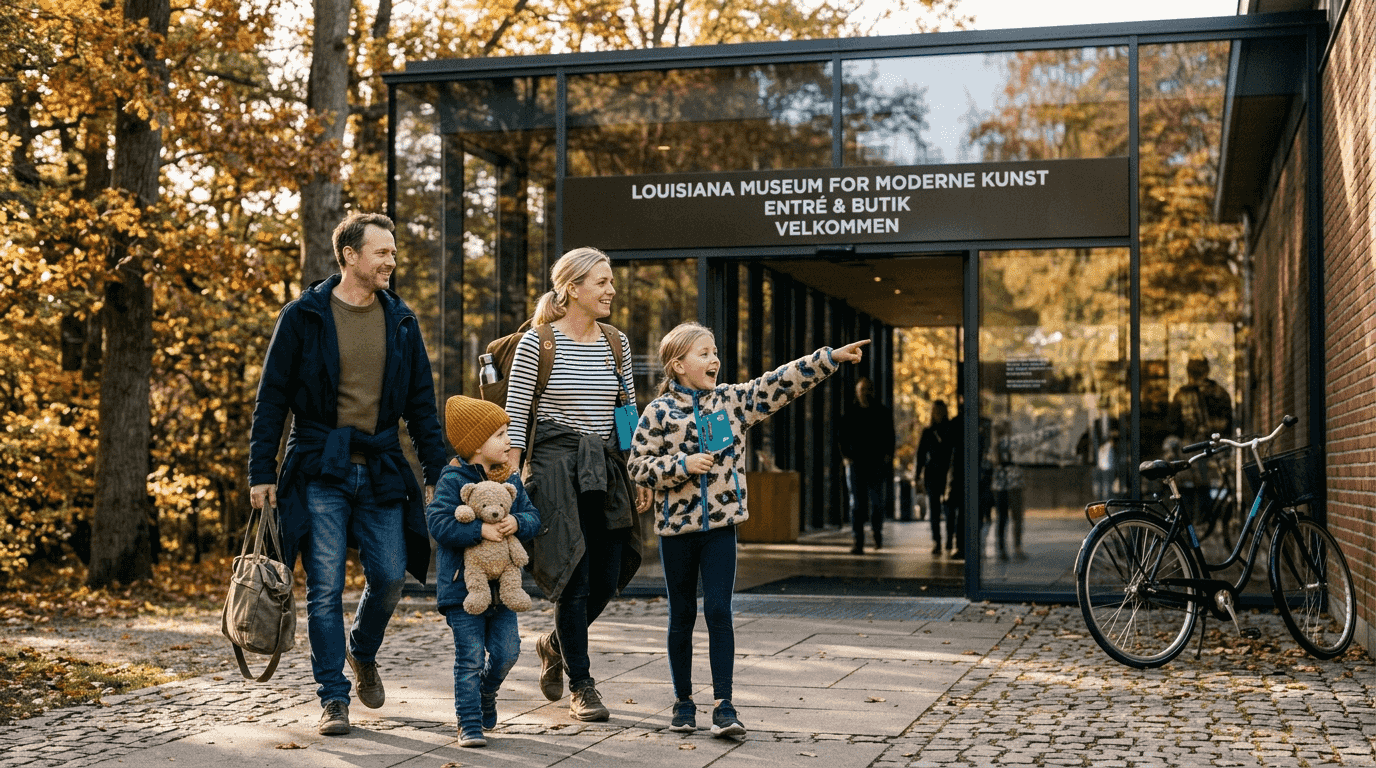
Many families experience stress and challenges when visiting museums, as children lose interest after a short time or the planning does not match the family's needs. Ensuring an engaging experience for both children and adults requires thoughtfulness and the right approach. This guide provides you with a step-by-step method to plan and carry out the perfect museum visit in Denmark, so that everyone has an inspiring and educational day without unnecessary pressure.
Key points
| Point | Details |
|---|---|
| Plan purposefully | Adjust the visit according to the children's age and interests for maximum engagement |
| Insert interactive elements | Prioritize workshops and hands-on exhibitions that maintain attention |
| Keep the visit brief | Limit the visit to 2 hours to avoid exhaustion and preserve joy |
| Be flexible | Let the children guide the pace and actively involve them in the experience |
Preparation before the museum visit
A successful museum experience starts at home on the computer. Grundig research makes the difference between a stressful visit and a day filled with engagement and learning. Preparation significantly increases the family's engagement and reduces frustrations along the way.
Start by thoroughly examining the museum's website. Look for special children's activities, age recommendations, and thematic exhibitions that match your family's interests. Many museums offer guided tours specially designed for children or families. Check if the museum has workshops, treasure hunts, or interactive zones where children can touch objects and experiment.
Tickets should always be booked in advance. This saves valuable time at the entrance and allows for more precise planning of the day. Many institutions offer discounts for online booking or family cards that can save significant amounts. Check if the museum offers free admission for children under a certain age or special offers on specific weekdays.
Professional tip: Make a simple packing list the day before the visit. Brought food and drinks can save both time and money, while drawing supplies or a notebook give children the opportunity to draw their favorite poses.
Check practical details such as parking options, public transportation, and accessibility of the facilities. Does the museum have a stroller entrance? Are there changing rooms and nursing rooms? Are there outdoor areas where the children can run around during breaks? These details seem small, but they greatly affect the experience.
Consult our Guide to museum visits for in-depth recommendations for specific institutions. Also read our Selected museum tips to avoid common mistakes Do you want to combine the museum visit with other activities? Our Family-friendly activity guide Gives inspiration for the whole day.
Remember to involve the children in the planning. Show them the pictures from the museum's website and let them choose between two or three exhibitions. This involvement creates anticipation and ownership of the experience.
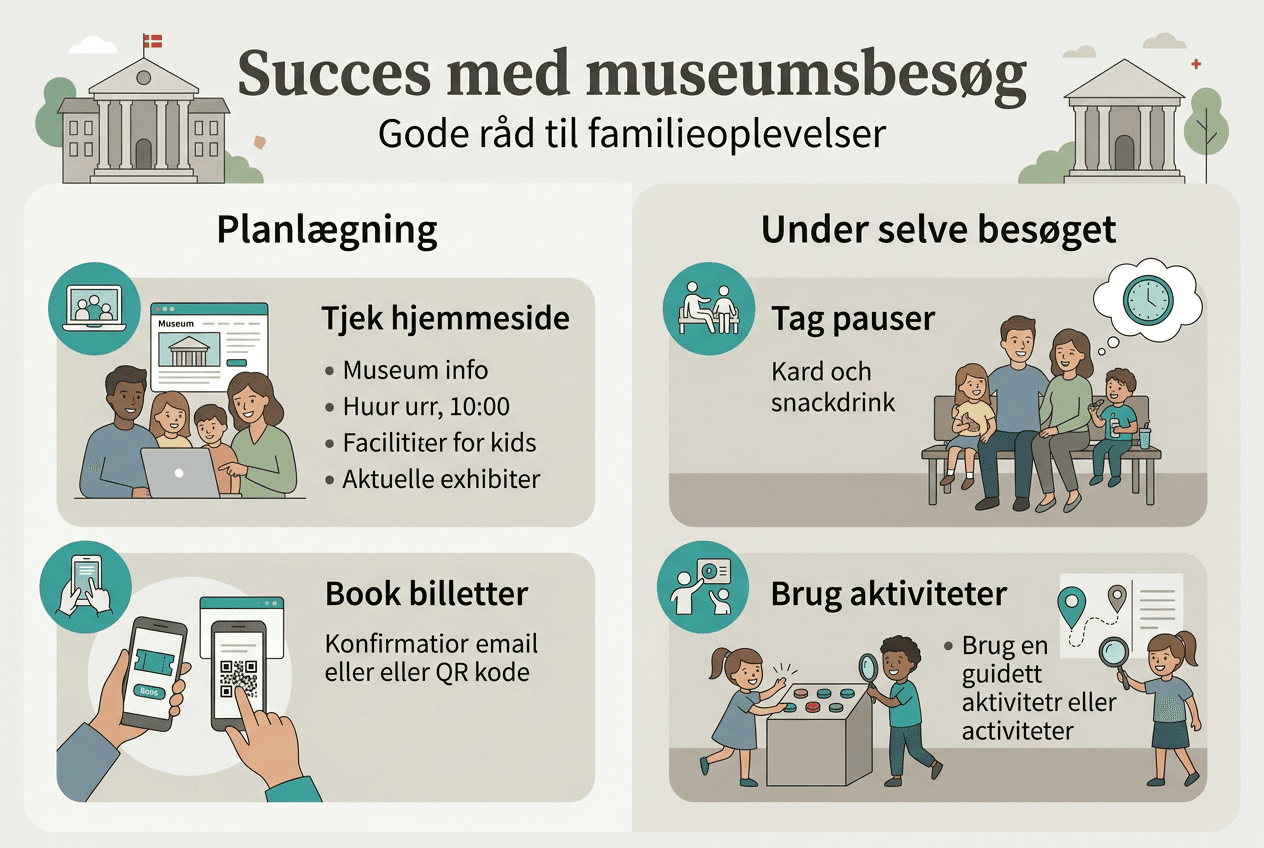
Trinvis gennemførelse af museumsbesøget
The visit itself requires structure, but also flexibility to follow the children's energy and interests. A well-executed day balances planned activities and spontaneous discoveries.
-
Start with a brief introduction at the museum's entrance. Take five minutes to inform the family about the building, toilets, and the location of the café. Give the children a simple goal for the visit, e.g., to find three favorite positions or to learn about a specific topic.
-
Go directly to the interactive exhibits first. Exhibitions with interactive elements increase children's attention by 45%, so prioritize these zones while the energy is high. Children learn best through participation, not passive observation.
-
Plan a break after 45 minutes to an hour. Find the museum's café or outdoor area and let the children have a snack and move freely. This break recharges batteries and prevents breakdowns later.
-
Continue with one or two exhibitions based on the children's interests after the break. Let them choose the direction and pace. Still open questions like "What do you think this was used for?" or "I wonder how it felt to live back then?" to stimulate reflection.
-
Finish the visit at the museum's shop or at a creative area if possible. This provides a positive ending and an opportunity to take a memory home.
Professional tip: Use the museum's app if they have one. Many institutions offer digital treasure hunts or audio guides for children that make the experience more engaging without requiring constant input from parents.
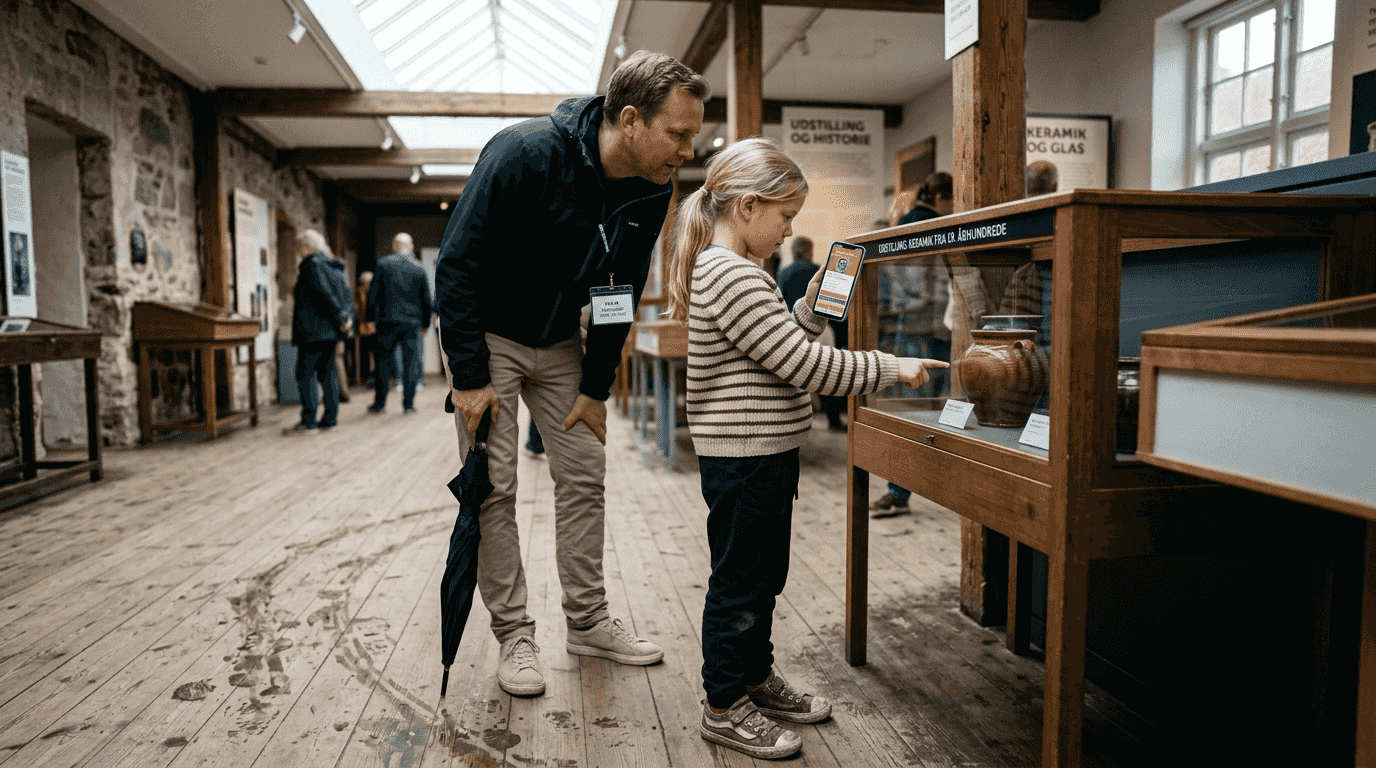
Avoid forcing the visit if the children lose interest. Flexibility is the key to a positive experience. It's better to leave the museum after 90 minutes with happy children than to stay three hours with grumpy faces.
Read more about Advantages of family outings and how museum visits strengthen family bonds. Do you want to understand the role of institutions more deeply? Check out our article about The role of the National Museum for families.
Actively involve all family members. Let one parent take pictures while the other facilitates activities. Older siblings can help the younger ones read signs or find their way. This division of roles creates shared responsibility for today's success.
Avoid pitfalls and improve the museum experience
Even well-meaning parents make mistakes that undermine the museum experience. Knowing these pitfalls helps you navigate the day more intelligently and ensure everyone has a positive experience.
The biggest mistake is planning for too long visits. Visits over 2 hours result in a 60% decrease in children's interaction with exhibitions Children's concentration and patience have natural limits. Respect these boundaries instead of fighting against them.
- Overplanning kills spontaneity and joy. Don't try to see the entire museum in one day.
- Ignoring individual needs creates conflicts. A child may sit at an interactive screen for a long time while another will move on quickly.
- Lack of breaks leads to exhaustion and bad behavior. Plan at least two breaks during visits over an hour.
- Rigid expectations frustrate everyone. If the children love the dinosaurs but get bored with the paintings, adjust the plan.
Check the museum's specific facilities before the visit. Many institutions have sensory rooms for children with special needs, quiet zones for breastfeeding mothers, or playgrounds where children can release energy. Use these resources actively.
| Common error | Consequence | Solution |
|---|---|---|
| For a long visit | Fatigue and complaints | Limit to 90-120 minutes |
| No breaks | Collapse and bad behavior | Plan a break every hour |
| Passive viewing | Boredom and inattention | Prioritize interactive elements |
| Mobile phone usage | Reduced presence | Set the phone to silent |
Mobile phones deserve special attention. But while it is tempting to document every moment, constant screen time reduces both parents' and children's engagement with the exhibits. Take a few well-chosen pictures and then put the phone away. Children imitate their parents' behavior, so if you are on your phone, they will do the same.
Our advantages of family outings article explains why presence is more important than documentation. Find more practical tips in our guide to Danish museums.
Professional tip: Make an agreement with the children before the visit about expectations for behavior and break times. This prior communication significantly reduces conflicts.
Understand children's perspectives and tailor the experience
Children experience museums fundamentally differently than adults. Understanding their perspective and adapting the visit accordingly creates magical moments and deep learning.
Identify the children's specific interests before the visit. Do you love dinosaurs, Vikings, space travel, or art? Choose museums and exhibitions that match these passions. Personalized museum experiences increase children's knowledge retention by 70% and joy by 80%, so this targeting provides enormous advantages.
- Use the museum's guided tours or children's materials to create a personal connection with the content.
- Let the children lead and set the pace through the exhibits when it is safe.
- Encourage questions and reflection instead of providing all the answers immediately.
- Include creative activities through the museum's workshops or drawing zones.
The difference between passive viewing and active participation is crucial for children's learning and engagement.
| Access | Children's response | Learning |
|---|---|---|
| Passive viewing | Low interest, quickly inattentive | Minimal retention |
| Active participation | High engagement, asks questions | Deep understanding and memory |
| Creative expression | Maximum joy, personal connection | Long-term interest in the subject |
Children of different ages require different approaches. Young children thrive on sensory experiences and simple stories. School children love facts, challenges, and the opportunity to demonstrate knowledge. Teenagers seek a deeper understanding and connections to their own world.
Many museums offer age-specific activity booklets or digital guides. Use these tools to create structure without limiting spontaneity. An activity booklet can give children a focal point and a sense of purpose for the visit.
Our guide on Advantages of visiting museums Explain the cognitive and social benefits children gain. Combine museum visits with other activities using our family-friendly activities guide.
Professional tip: Let the children choose a souvenir from the museum shop related to their favorite exhibit. This creates a physical reminder that extends the learning and joy at home.
Be open to the children's interests surprising you. Maybe you thought they would love the Viking ships, but they are instead fascinated by the textiles. Follow their curiosity and let their passion guide the experience.
Plan your perfect museum visit with Travel in Denmark
Planning a successful family day requires the right tools and inspiration. Travel in Denmark gathers everything you need to create memorable experiences at Danish museums and attractions.
Our platform provides you with access to comprehensive guides covering museums in all regions, with practical information on prices, opening hours, and family-friendly facilities. Filter by children's age, interests, and budget to find the perfect visit for your family.
Explore our Guide for first-time visitors to Denmark to get an overview of the country's best cultural experiences. Plan the whole day with our Checklist for a day trip in Denmark that ensures you don't forget important details. Are you considering a longer trip? Our guide to Plan a road trip in Denmark Combines museum visits with nature experiences and other attractions.
Traveling in Denmark makes it easy to discover hidden gems and popular destinations, so your family gets the most out of every trip. Let's help you create the experiences children will remember for the rest of their lives.
Frequently Asked Questions
How do you plan a museum visit with small children?
Plan short visits of a maximum of 90 minutes and choose museums with interactive children's exhibits and play areas. Bring snacks and change diapers before the visit to minimize interruptions. Visit in the morning when the children are most rested and attentive.
Is it expensive to visit museums in Denmark with the family?
Many Danish museums offer free admission for children under 18, which significantly reduces costs. Consider a yearly pass if you plan to visit multiple times, as these often pay off after two to three visits. Some museums also offer free admission on specific weekdays.
How to best engage children during a museum visit?
Prioritize interactive exhibits where children can touch, experiment, and participate actively instead of just observing. Still open questions that encourage reflection and let children share their thoughts and observations. Participate in workshops or guided tours specifically designed for children for structured engagement.
How can a museum visit be adapted to children's different ages?
Choose exhibitions and activities that match the specific age group, e.g., sensory experiences for young children and deeper historical content for older children. Plan more frequent breaks and shorter visits for children under five years old. Let older children take on more responsibility by having them read signs or guide the family through the exhibit.
Recommendation
- Advantages of Visiting Museums: Complete Guide for 2024 – Travel in Denmark
- 7 Essential Tips for Danish Museums for All Visitors – Travel in Denmark
- Guide to Museum Visits: Everything You Need to Know – Travel in Denmark
- Role of the National Museum – Connection and Learning for Families – Travel in Denmark
- Disneyland Paris must-sees 2026: Family-friendly – 2000-trips – Your specialists for vacations with Disney magic