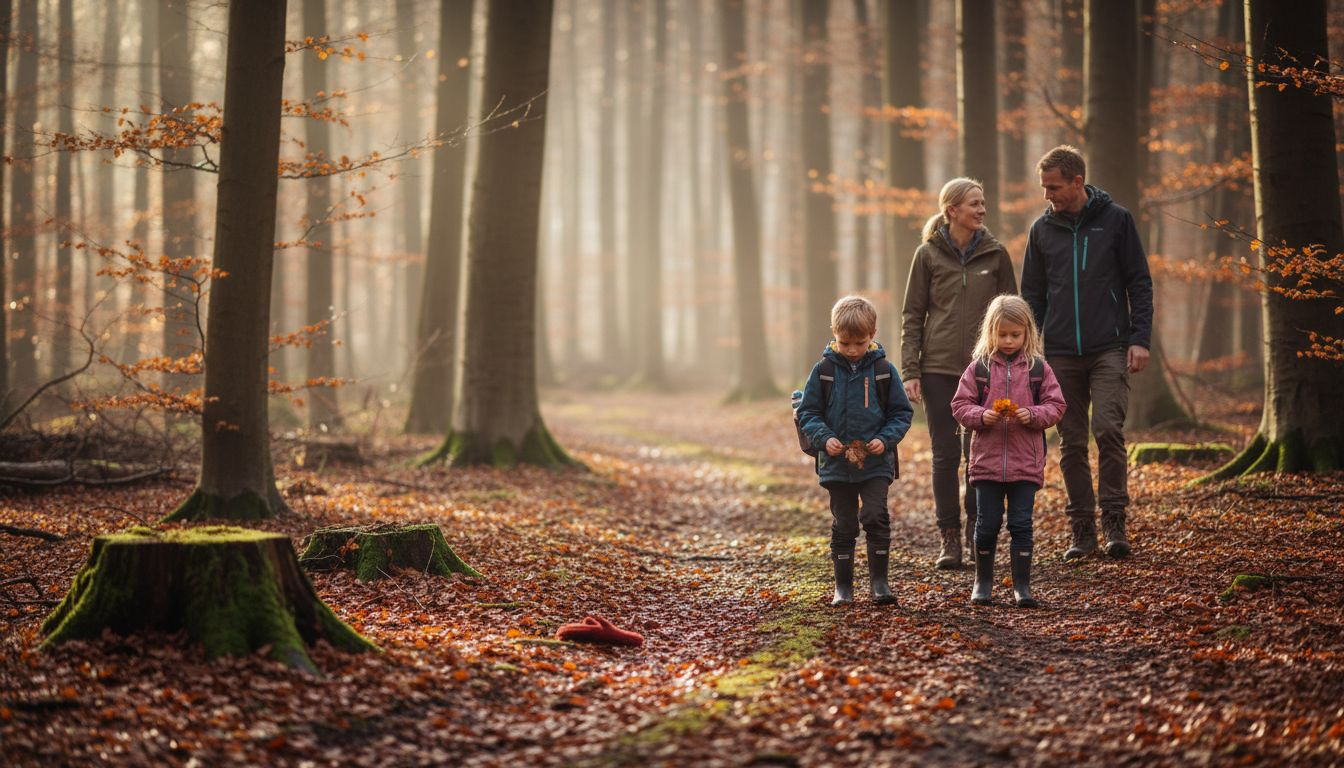
Every family that has tried taking children out into Denmark's nature knows that the small moments of peace can surprise the most. Nature is not just about walking far or climbing high, but about experiencing silence, sounds, and changes in the landscape throughout the year. When one discovers that active listening to the sounds of nature enhances children's self-esteem and understanding of nature, it opens up entirely new ways to explore Denmark. Here you get inspiration to break myths, discover more perspectives on nature experiences, and make excursions meaningful for both adults and children.
Nature experiences in Denmark: Concepts and myths
Nature experiences mean many different things to different people. For some, it is about fatigue energy from long hikes, for others, about sitting still and listening to the birds' song. But there are several myths that hold us back from exploring Denmark's nature to the fullest.
The biggest myth is that nature experiences are only about physical activity. Many believe that you need to run, cycle, or hike for several hours to have a genuine nature experience. It's simply not true. Actively listen to the sounds of nature Creates a deeper connection than many intense physical activities.
Another myth says that you need to be fit or young to enjoy nature. Children, the elderly, and people with different physical conditions can all experience both mental and emotional dimensions of nature. You don't have to be an athlete to be a nature lover.
Mannerism also concerns the weather. People believe that you can only go for a walk on sunny days. Danish nature is beautiful all year round. Fog, rain, and snow create their own kind of beauty and adventure.
There is also a myth that nature experiences must be exotic or far away. Many Danes fly to distant destinations without discovering what is hidden five kilometers from home. Denmark offers a fantastic diversity in terrain, plant growth, and wildlife.
A practical myth is about time. People say, "I don't have time for nature." But even 15 minutes under the open sky positively affects your mental well-being. You don't need to plan the whole weekend.
Here are myths that actually prevent you from getting out:
- Believe that it should be long and difficult
- Waiting for perfect weather or season
- I think others act with better nature than you
- Don't be afraid of not knowing what to watch or do
- Looking for a specific reason or activity
The important reality is that nature experiences are personal. This relationship with nature doesn't look like mine, and that's completely okay. A playground in the forest can be just as deep a nature experience as a canoe trip on the Gudenå.
Manage your expectations. You don't need Instagram-worthy moments. Sometimes it's just about being present, feeling the wind, and smelling the moisture in the air.
A nature experience is not measured in kilometers traveled or highlights achieved, but in the connection you create with the surroundings.
Denmark's nature is suitable for both family day-trippers and experienced hikers. The many benefits of nature experiences in Denmark Applies to everyone, regardless of age or condition. You just need to show up.
Professional advice Start with short walks close to home, without expectations of reaching a specific goal, and let the rhythm of nature determine the pace.
Different types of nature and opportunities for experiences
Denmark's nature is much more diverse than many people think. From the coasts to the inland areas, you will find completely different ecosystems, each with its own charm and activity options.
The forests constitute a large part of Denmark's nature. Here you find silence, new leaves underfoot, and the opportunity to discover both animals and rare plant species. The forests are ideal for long walks, nature observation, or simply quiet reflection among the trees.
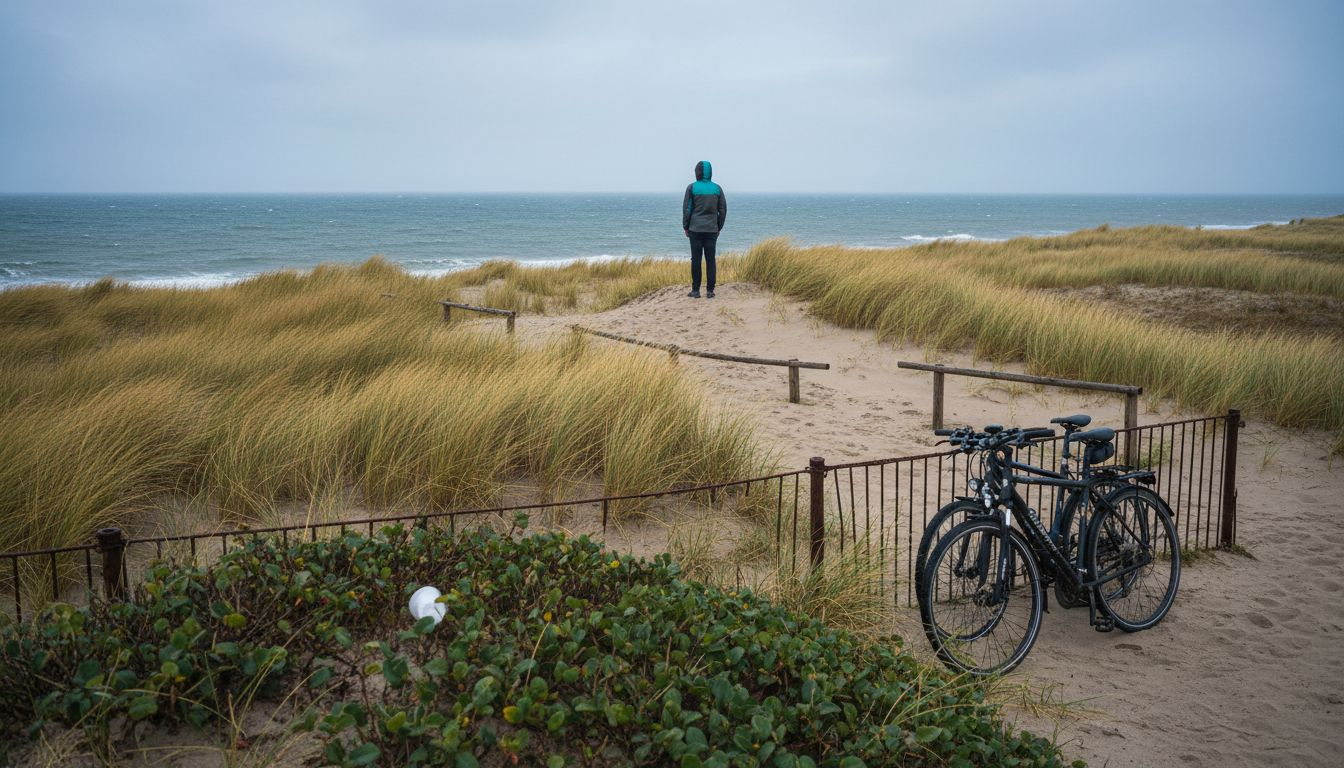
Protected areas Klosterhede and Tvorup Klitplantage offer a completely different experience than the forests. There is an open view here, low vegetation, and often strong wind from the west. Hedges are perfect for photography and for those who enjoy the grass species and the few flowers that thrive in sandy soil.
Denmark's lakes and streams attract both hikers and adventurers. Canoeing on the Gudenå or on smaller, calm lakes allows you to get very close to the bird life and the fish beneath the surface. Sailing and swimming are other popular activities by the water.
The coastal zones They have their very own expression. Sandy beaches, cliffs, dunes, and beach meadows create diverse opportunities. You can collect stones, look at bird letters, or just feel the saltwater on your skin.
Here are the most important types of nature in Denmark:
- Needle forest (pine forest) with light soil and special wildlife
- Woods with dense undergrowth and high biodiversity
- Heath areas with open landscape and native species
- Coastlines with both rocky and sandy terrain
- Lakes and marshes with birdlife and aquatic plants
- Stream with gilded banks and tranquil areas
Each natural type requires different preparations and different times of the year. Detailed nature guides Describes living conditions, animal and plant life, and activity opportunities in each zone geographically across Denmark. This gives you concrete insight into what you can expect and experience.
Here is an overview of how the most common Danish natural types differ:
| Natural habitat | Characteristic | Typical Activities | Wildlife/Plants |
|---|---|---|---|
| Needle forest | Dry, light soil | Orienteering, running | Egern, pine cones |
| Løvskov | Rig underdevelopment | Bird watching, picnic | Anemone, roe deer |
| Hede | Open landscape | Photography, cycling | Hedelyng, viber |
| Coast | Sand, dunes | Bathing, stone hunting | Seagulls, mare's tail |
| Lake/Stream | Water and widths | canoe tour, fishing | Lappedykkere, water plants |
By knowing your local natural types, you become a more conscious explorer. You know when the cranes bloom, which birds are best photographed in the morning, and where you find peace without crowds of people.
Each type of nature in Denmark has its own rhythm and its own story to tell if you take the time to listen.
Start by thoroughly designing one habitat type instead of trying to pursue them all at once. Find your favorite places, visit them multiple times throughout the year, and see how they change.
Practical advice Visit the Nature Agency's website to find guides to the types of nature close to your home, and read them before you go.
Seasonal activities and experiences
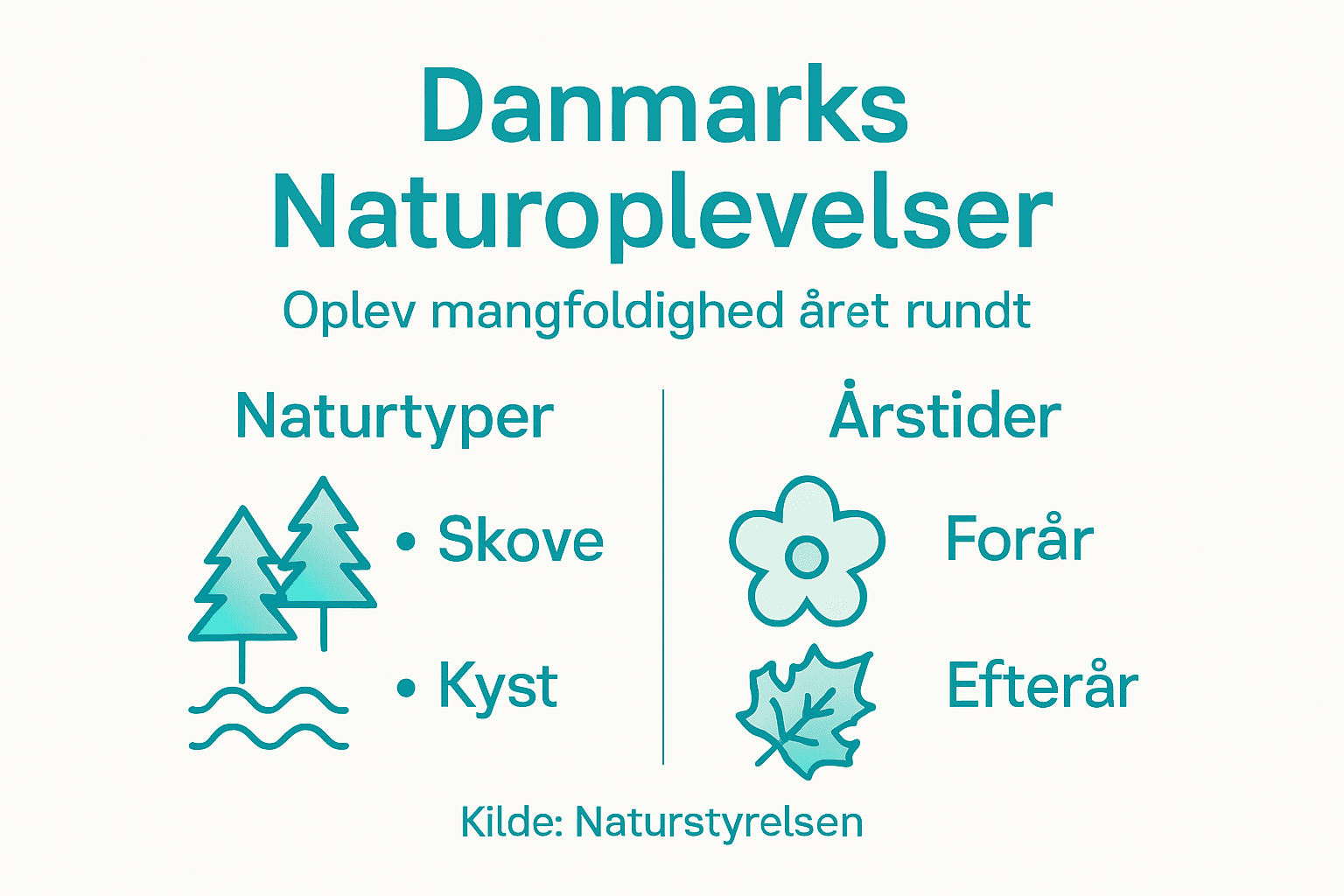
Denmark's nature changes character throughout the year. Each season brings completely new opportunities, and the most important thing is to plan according to what nature offers during the specific period you visit.
Spring awakens slowly in Denmark. Daffodils spread along the road edges, the birds build nests, and the days become noticeably longer each week. Spring is about seeing life sprout again after the winter's sleep.
Summer It is the high season for most nature enthusiasts. The days are long, the temperature inviting, and swimming in lakes and along the coasts becomes a daily activity. Summer days give time for long hikes without darkening too early.
The hostefarverne dominate the landscape from September. The falling leaves create a colorful carpet under your feet, temperatures drop, and you find peace without the summer crowds. Autumn is perfect for photography and nature observation.
Winter brings entirely different possibilities. Snow and frost transform Denmark's nature into a still life. Even without snowfall, winter cold can create beauty in frost and ice on the lakes.
Here are the season-specific activities:
- Spring: birdwatching, flower hunting, daffodils, and spring blooms
- Sommer: badning, picnic, langsvampe ture, grillning ved naturen
- Autumn: leaf colors, photography, mushroom picking, harvest berries
- Vinter: isspil, sneklatring, julemærketure, stillehavsbad
By understanding the seasons, you can plan better experiences. Seasonal activities For the whole family, it provides you with concrete insights into what suits different age groups throughout the year.
Perfect planning means taking into account the weather, daylight, and which animals or plants are active. A summer canoe trip is completely different from a winter trip to the same place.
Temperature affects both what you can accomplish and how long you can stay outside. A spring cold morning requires different clothing than summer warmth.
The seasons in Denmark offer just as much adventure, just in different ways, if you know what to expect.
Label the seasons as inspiration instead of limitations. Each period has its own magic that you won't find at other times of the year.
Overview of which nature experiences are best suited for the different seasons:
| Season | Best Experiences | Typical Animals/Plants |
|---|---|---|
| Spring | Birdwatching, flowers | Redneck, daffodils |
| Summer | Bathing, long walk | Songbird, wild flowers |
| Autumn | Mushroom collection, photo | Red deer, leaf colors |
| Winter | Isleg, stilleture | Deer tracks, frost rim |
Practical advice Make a simple list of what blooms, what breeds, and which activities suit each month, so you always know what is possible.
Access rules, safety, and responsibility
Denmark's nature is largely open to the public, but there are rules you need to know. These rules exist to protect both you and the nature around you.
The most important thing to understand is the concept German lawIn Denmark, you are free to move through the landscape as long as you respect the boundaries of private property. You must not walk through private fields or have without permission, but public paths and natural areas are yours to explore.
State natural areas like state forests often have special rules. Rules for activities in the state forests Covers what you are allowed to do, which activities require permission, and safety precautions when using the state's natural areas.
Safety starts with preparation. Before you go out, tell someone where you're going and when you expect to be back. Bring a mobile phone, enough water, and appropriate clothing. Bad weather comes quickly in Denmark.
Responsibility also means treating nature with respect. Here are the basic rules everyone should follow:
- Leave no trash, take everything home
- Do not turn up the speakers or music, instead listen to the sounds of nature.
- Do not disturb animals or their nesting boxes
- Do not pick rare plants or flowers
- Do not light a fire without explicit permission
- Stay on the designated paths to protect the vegetation
Private land requires permission from the owner. Many owners allow activities like hiking, but you should always ask first. Believing that no one is home does not make it legal to trespass on someone's property.
Dog training must follow specific rules. Dogs are allowed to run freely in most of Denmark, but not for large parts of the year from March to August due to breeding birds. Many areas also have dog walking regulations.
Responsibility for nature means that you leave it in the same or better condition than you found it.
Safety is also about being realistic about your abilities. If you are not experienced, do not go on long trips alone without having your plans in order.
Practical advice Download offline maps on your phone and create a location sharing chat with a friend so someone knows where you are if something goes wrong.
Typical mistakes and how to avoid them
Nature enthusiasts make repeated mistakes that both harm nature and ruin the experience for others. Knowing these mistakes helps you become a more responsible explorer.
The biggest mistake is poor preparationMany people go out without checking the weather, without enough water, or without telling anyone where they are going. An unexpected cloudburst or a duck can become dangerous without basic preparation.
Overestimating one's own abilities often leads to problems. You think you can do 20 kilometers, but after ten kilometers, you start to feel unwell. Choose shorter routes first and gradually work your way up.
Waste error It is unfortunately common. People leave bags, empty cardboard scraps, or even toilet paper in nature. Each piece of trash takes years to decompose and harms wildlife.
Lack of consideration for wildlife and their habitats is a serious mistake. Protection of natural habitats means that you do not disturb nesting birds, do not trample on wet vegetation, and do not lock small animals inside plastic or strings.
Here are mistakes that people often make:
- Plays loud music or uses speakers without regard for others
- Plovker rare flowers or plants "for a picture"
- Leaves a fire unattended or is inattentive with open flames
- Driving off designated paths and destroying vegetation
- Fills animals with food or tries to touch them
- Ignores access rules and goes through private area
The mobile phone battery is running out. Bring a power bank or make sure your battery is fully charged before departure. You may need to call for help.
Wrong clothing means a downcast mood and potential risk. A damp, cold day requires a water-resistant layer, not shorts and a t-shirt.
Every mistake you avoid means a better day for you and more intact nature for the next person.
Be realistic about your fitness level. A gentle walk on flat terrain is completely different from a steep mountain trail in the mountains.
Following paths does not mean you are too cautious. That means you respect nature and cause less harm to vulnerable vegetation.
Practical advice Make a checklist before each trip: enough water, full battery, appropriate clothing, map or GPS, and tell someone when you expect to be back.
Discover Denmark's Natural Treasures in Your Own Way
Maybe you've felt held back by myths about nature experiences, such as that they require time, physical fitness, or perfect weather. Reality is different. Denmark offers endless opportunities for nature experiences regardless of age and experience. Hos Travel in Denmark We understand your challenges in finding the right nature type and activities that suit the season and your needs.
Make your nature experiences personal and accessible with our comprehensive guides and interactive search tools. Find inspiration among Uncategorized Archive – Travel in Denmark and learn more about the diversity in Denmark's nature. Don't wait for the perfect moment, take control now and plan your next trip with confidence and joy. Begin your discovery on Journey in Denmark and experience nature like never before.
Frequently Asked Questions
What are nature experiences, and how can I get one?
Nature experiences can be many different things, such as hiking, listening to birdsong, or simply being present in nature. You don't need to be physically active to have a nature experience; even a short time outdoors can have a positive impact.
What types of nature are there in Denmark?
Denmark has a diverse nature, including coniferous forests, deciduous forests, heaths, coastlines, lakes, and streams. Each type of nature offers unique experiences and activity opportunities, such as birdwatching, photography, and canoeing.
When is the best time to experience nature?
Each season in Denmark has its own charm and opportunities. Spring is wonderful for seeing flowers, summer for swimming and hiking, autumn for photography with colorful leaves, and winter for ice skating and quiet walks.
What safety rules should I follow when visiting nature?
It is important to respect the right of public access and avoid private areas without permission. Always consider the wildlife, bring enough water, and prepare for the weather. Avoid cooking over open fire without permission and do not leave trash in nature.
Recommendation
- Benefits of Nature Experiences in Denmark: Complete Guide – Travel in Denmark
- Nature experiences in Denmark: The ultimate guide – Travel in Denmark
- What Is Denmark's Nature – Importance for Family Experiences – Travel in Denmark
- 7 inspiring examples of nature experiences in Denmark – Travel in Denmark
- 7 بهترین هدیههای تجربه خانوادگی برای کودکان عاشق طبیعت – خانوادهحیوانات