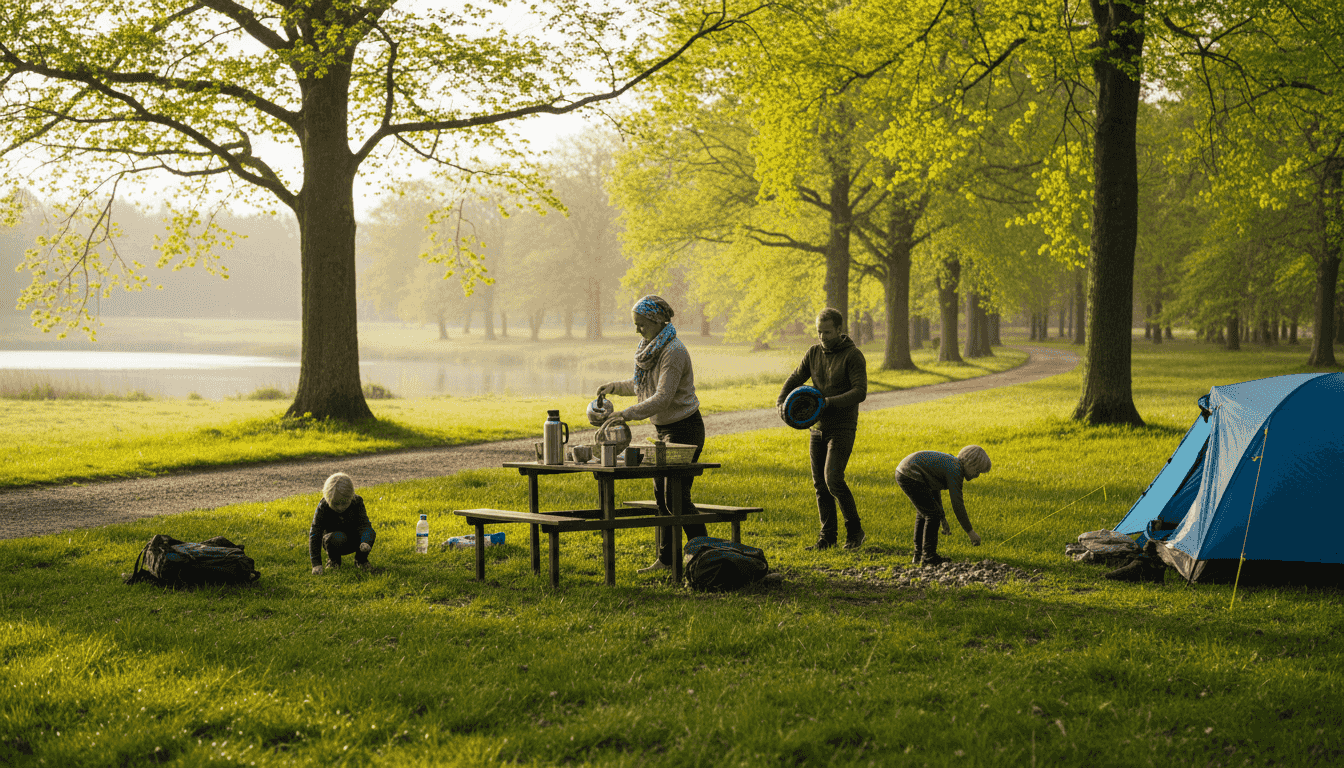
It's not always easy to balance children's adventurous spirit with safety and comfort on vacation. Camping in Denmark offers a sea of opportunities, where families can choose from everything from primitive tents to luxurious mobile homes at approved sites. With over 500 approved campsites Distributed across the entire country, you will experience nature and have access to activities tailored for children. Here you get an overview of types of camping, facilities, and practical tips that make the camping holiday a success for the whole family.
What does camping in Denmark involve?
Camping in Denmark means staying overnight for at least one night under the open sky in a tent, caravan, motorhome, or similar at an approved camping site. It's not just a type of vacation – it's a whole lifestyle that appeals to families across all age groups and budgets.
Danish camping is regulated by the Summer House Act and the Camping Regulations, which are administered by the municipalities. You may only camp at approved campsites, and this has created a well-organized system where families can be assured of proper conditions and facilities.
From primitive tents to comfortable experiences
Camping includes several different styles. You can choose from:
- Traditional tent camping The classic experience in nature with minimal equipment
- Camper or motorhome - Combines freedom with comfort and closeness to nature
- Mobile homes or glamping Luxury at campsites without losing contact with nature
- Comfortable cabin-bungalows - halfway between camping and regular accommodation
Each form offers different degrees of adventure and convenience. Family members often choose based on the children's age and their own experience.
What will you become part of?
Camping in Denmark Typically includes much more than just sleeping under a roof. Most campsites offer activities such as cycling, climbing, fishing, and nature walks. Your family has access to shared facilities, and the children meet other children from all over the country.
The Danish Camping Union was established as far back as 1926 and still organizes the camping world today. Membership provides discounts and technical advice, demonstrating how well-established camping culture is in Denmark.
Practical requirements and rules
To camp legally, you must:
- Choose an approved campsite in your municipality
- Follow the rules and opening hours of the place
- Register yourself upon arrival
- Respect the environment and the silence of other guests
Most places require advance notice and payment, especially during the high season from June to August.
Camping at unauthorized sites outside approved campsites can have legal consequences – always stick to official campsites.
Familiar families seeking a holiday with both adventure and flexibility find camping perfect. You can pack up the car and go without being tied to expensive hotel stays or fixed plans.
Practical advice: Book your spot early in the summer season and get a location update with your first call – the most popular spots fill up quickly, especially in July.
The most popular types of camping and sites
Denmark has approximately 450 approved campsites spread across the country, from coastal areas to nature parks and forests. These places account for a large part of the country's tourist accommodations, especially during the summer months, and offer everything from simple facilities to luxury amenities.
The most popular types of camping are caravans and motorhomes, which combines mobility with comfort. Traditional tent camping is also gaining popularity again, especially among families seeking nature contact without too much electronics.
Different types of camping and what they offer
Caravans and motorhomes They are especially popular among Danish families because they provide freedom without requiring too much preparation. You get a bed, kitchen facilities, and a bathroom all together – perfect for families with small children.
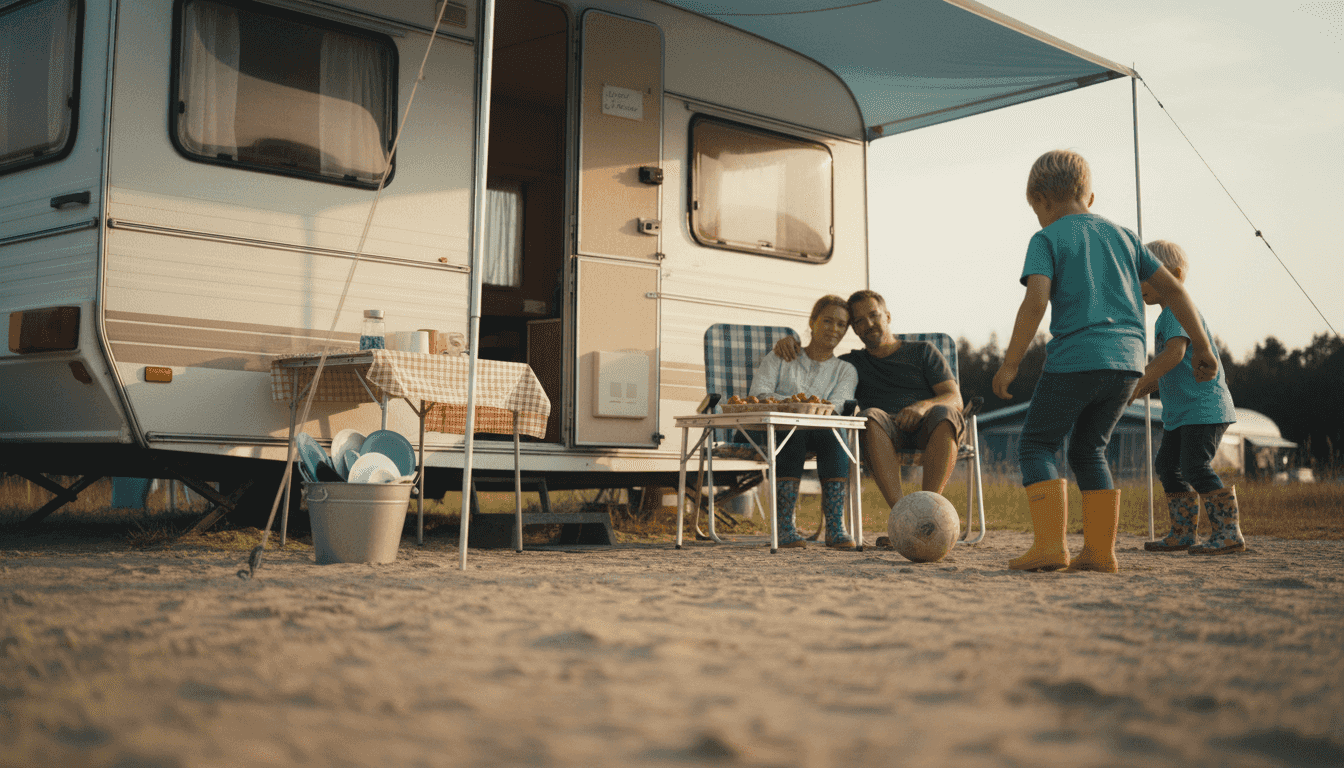
Traditional tent camping attracts the adventurous and those who seek the most contact with nature. Lightweight tents are also gaining popularity among families who want easier packing and transportation.
Mobile homes and camping cabins are ideal if you want the camping atmosphere without having to get up early and pack everything together. You get the comfort of home with the community of the campsite.
What should you choose?
It completely depends on your children's age and the family's experience.
- Small children (0-5 years) - Please choose a mobile home or camping cabin for easier sleep and care.
- Children 6-12 years old A caravan or motorhome gives them adventures without you having to stress
- Teenagers - can easily try traditional tent camping if they are on board with the idea
- Brand new for camping Start with a mobile home and work your way up
The best seats fill up between June and July – book at least 2-3 months in advance if you want first choice.
Danish camping offers both simple and premium sites, so there is truly something for every budget. Many places have special facilities for families such as play areas, swimming pools, and children's activities.
Here is a comparison of the most common types of camping and their advantages for different family needs:
| Camping type | Comfort level | Suitable for families with | Benefit for children |
|---|---|---|---|
| Tent camping | Lav | Teenagers, nature-loving | Provides nature experiences |
| Camper van / motorhome | High | Small and medium-sized children | Stable sleep, private bathing facility |
| Mobile home / cabin | Very tall | Small children, beginners | Domestic settings, easy access |
| Glamping | Luxury | All age groups | Special activities, luxury play |
Coastal camping sites are especially popular because children can swim and play on the beach. The nature parks offer peaceful surroundings and hiking right outside the tent door.
Practical advice: Check the space's website for children's offers and activities before booking – some spaces offer animated children's programs that make the holiday much easier for parents.
Facilities and special activities for children
The best campsites in Denmark build their offerings around families with children, not just as a thought but as the core of their concept. Good facilities can be the difference between a stressful holiday and one that the whole family talks about the year after.
Many Danish campsites offer playgrounds and children's pools someone helps the children release their energy. These are not just gathering places for the children while the parents relax – they create a sense of community among families who do not know each other before arrival.
Typical facilities you find
Most larger campsites have some or all of these:
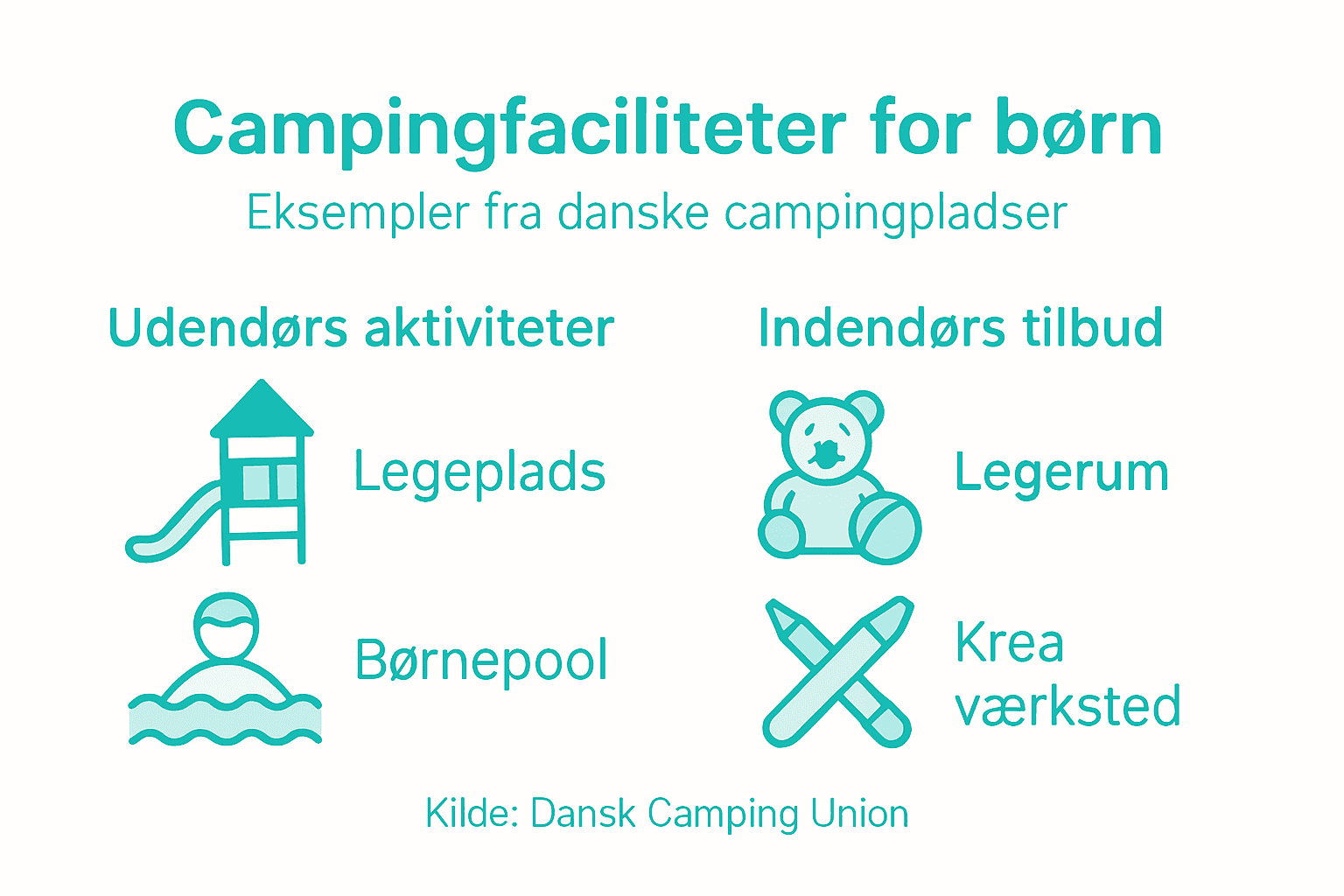
- Playgrounds - everything from classic roller coasters to modern adventure parks
- Children's pools - Often heated and with low water for small children
- Mini golf and table tennis Classics that keep children entertained
- Indoor playroom - important when the weather doesn't cooperate
- Film evening Many seats show movies for children in the evening
- Creative workshops - painting, crafts, and DIY activities
Safety and security are high on the agenda. Pladser often have fences around the areas and responsible adults watching over them.
Here is an overview of typical facilities at Danish campsites and how they promote children's well-being:
| Facility | Safety-creating element | Benefits for children |
|---|---|---|
| Playground | Fencing and surveillance | Social community and physical activity |
| Children's Pool | Low water, heating | Safe swimming and play |
| Indoor playroom | Weather protection | Creative expression |
| Movie night | Gathering in the common room | Hygge and relaxation |
Nature and outdoor life
There is also greater focus on natural law where the children play with what is lying around – stones, sticks, and leaves. This type of play develops creativity without electronics and gives children time to relax away from screens.
Many spots are close to nature parks or beaches, which means hiking and nature excursions are just outside the door. You don't have to drive far to give the children new experiences.
Children's pools and playgrounds fill up quickly early and late in the day – come early for a quiet experience or late for fewer people.
Natural and outdoor activities without planning help children call it "adventure" instead of "just camping".
Organized activities vary greatly from place to place. Some offer daily children's programs, while others keep it to a minimum. Ask when you book if it is important to you.
Practical advice: Bring some small toys and card games as backup – even facilities-rich places can have days when children get bored, and activities brought from home save the situation.
Important rules and safety at the campsite
Camping in Denmark is governed by clear rules that ensure both the safety of your children and that campsites do not become permanent residential areas. Knowing the rules makes the holiday more relaxed because you know what is expected of you.
You may only camp at approved campsites – that is rule number one. Accommodation outside these areas is largely prohibited, except for special exceptions in certain forest areas. The municipalities have the authority responsibility to ensure that all places meet high standards.
Fire brigade and bonfire
Bonfire and grill facilities It is regulated to prevent fire hazards – there are strict rules about where you may light a fire. Many sites have designated areas for grilling, and some completely prohibit lighting fires during the summer period due to drought.
Always check with the venue staff before you turn anything on. Brand theft is taken very seriously at campsites, especially when many families live close together.
Important rules to follow
The most important rules on Danish campsites include:
- Registration upon arrival - All guests must be registered by the site administration
- Respect for silence - Noise limits apply from evening to morning
- Waste management Separate waste into the bins provided.
- Respect for nature and wildlife high on the nature conservation agenda
- Legal parking - Keep the camper within marked areas
- No year-round residence Camping should be voluntary vacation, not permanent residence.
It seems like a lot, but it's mostly about being considerate of your neighbors.
Hygiene and sanitary conditions
The camping regulation sets strict requirements to fire brigade, hygiene, and sanitary conditions All approved spots are regularly inspected by the municipalities to ensure that standards are met.
This means that toilets, laundry rooms, and kitchens must be clean and functional. You can trust that an approved place has proper conditions.
Always ask at check-in about the specific rules of the site – each site has its own guidelines in addition to the nationwide ones.
Winter camping also has special rules, especially regarding heating and resource consumption. If you plan to camp outside the summer season, ask the site management in advance.
Child safety is of course crucial. Teach your children the rules – that they do not run out onto the road or wander away from the caravan without telling you.
Practical advice: Read the space's rules carefully when you receive them upon arrival, and ask the staff if anything is unclear – they are happy to help and ensure everyone has a good experience.
Typical costs and good savings
Camping is one of the cheaper vacation options for Danish families, but prices vary significantly depending on where, when, and how you choose to camp. Understanding the costs helps you plan a realistic budget.
A standard campsite typically costs between 150-350 DKK per night, depending on location and facilities. If you want a mobile home or camping cabin, the price naturally increases, but you avoid the purchase of your own equipment. Electricity, hot water, and other facilities may sometimes be included or cost extra.
How to save the most
Membership in the Danish Camping Union Offers discounts on standard prices, camping equipment, ferry crossings, and much more. If you plan to camp several times a year, the membership pays off quickly.
Other ways to save money:
- Early booking Book 2-3 months in advance for better prices
- Low season prices June, August, and September are cheaper than July.
- Fewer facilities - Simple places without a swimming pool are much cheaper
- Family packages - Many places offer discounts for children
- Own equipment - If you have a tent, you save rental costs
- Angry from home - Pack groceries instead of buying on the spot
Most campsites also offer seasonal pitches for regular guests, which can be more economical.
Realistic budget for a week's holiday
Here is an example of expenses for a family of four for one week:
- campground (7 nights at 200 DKK each) = 1,400 DKK
- Electricity and hot water = 200-400 DKK
- Food and drink 2,000-3,000 DKK
- Activities and experiences = 1,000-2,000 DKK
Approximately 4,600-6,800 DKK for the whole family. For comparison, an average hotel costs around 900-1,200 DKK per room per night.
Good savings come from choosing the low season, booking early, and becoming a member of camping organizations – these three things alone can save you 20-30 percent.
The many spaces also offer daily or outdoor activities for free or at very low prices, so entertainment doesn't have to be expensive.
Remember that the camping price is only part of the picture – the real savings come from not paying for expensive restaurants and attractions every day.
Practical advice: Make a budget before you book, and add about 10-15 percent for unforeseen expenses – the children always find small additions they want.
Make Family Camping Unforgettable with Rejs in Denmark
Camping in Denmark is not just about tents and caravans. It's about creating memories where children can play safely, and the family can experience the beauty of nature together without stress over planning and information. Our article highlights the importance of choosing the right camping types, knowing the rules, and making full use of the facilities to ensure a successful holiday.
Hos Travel in Denmark We have made it easier for you to find the best family-friendly experiences and activities that complement your camping holiday. Whether you want to find inspiration for family-friendly excursions, coastal activities, or scenic hikes, we help you plan your trip easily and clearly. Dive into ours Uncategorized Archive to get more good tips or stay updated with news and seasonal recommendations in our Slider Archive.
Take the first step towards a memorable camping experience for the whole family. Visit Travel in Denmark now and discover how with just a few clicks you can find activities and experiences that make your holiday both safe, educational, and full of adventure.
Frequently Asked Questions
What should I consider when choosing a camping type for my family?
It depends on your children's age and the family's experience. Mobile homes or camping cabins are ideal for small children, while caravans or motorhomes can be good for medium-length trips with children aged 6-12 years.
How can one find approved campsites in Denmark?
To find approved campsites, you can visit the Danish Camping Union or local tourist websites, where you can see locations and facilities.
What facilities are typically available at campsites for children?
Many campsites offer playgrounds, children's pools, indoor playrooms, mini-golf, and creative workshops that promote children's well-being and social interaction.
What are the most important rules to follow as a camper?
The most important thing is to stay overnight at approved sites, register upon arrival, respect silence from evening to morning, and follow the site's waste management rules.
Recommendation
- Why Experience Children's Denmark – Memorable Family Time – Travel in Denmark
- Role of Nature Experiences – Strengthens Family Bonds – Travel in Denmark
- Secure adventure experiences for the whole family in Denmark – Travel in Denmark
- Why a family holiday in Denmark is the best solution – Travel in Denmark
- Triple Camping Mattress | Afrokoptiki