
TL;DR:
- Open-air museums bring history to life through authentic buildings and interactive experiences. They use live storytelling such as role-playing, craft demonstrations, and family activities that engage visitors in the past. These museums play an important cultural role by fostering dialogue about preservation, authenticity, and our shared history.
Imagine a museum where you don't look at things behind glass, but where you can touch an old plow, watch a blacksmith work at the forge, and smell the smoke from a historic hearth. Open-air museums completely break with the image of the quiet, dusty museum. Here is the story alive, sensory, and accessible for the whole family. This article explains what open-air museums are, how they use live interpretation, and how you can plan a visit that offers more than just a few nice pictures.
Main Points
| Point | Details |
|---|---|
| Living museum experiences | Open-air museums make history tangible and interactive through activities and guides. |
| More than agriculture | The museums encompass everything from interior design to crafts and cultural history for the whole family. |
| Debate on authenticity | The preservation and relocation of buildings are discussed, but the museums provide unique access to Danish cultural heritage. |
| Plan for variation | Prepare your visit to receive both practical and educational inspiration – there are activities for all age groups. |
What is an open-air museum?
Many associate museums with indoor halls and signs with explanatory text. Open-air museums are something completely different. Som Lex describes it.are open-air museums (typically outdoor) where historical buildings are preserved and/or collected, and history is conveyed through surroundings and reconstructions in the landscape. It is not just a collection of old houses. It's a whole cultural and historical scene you can walk around in.
The basic idea is simple: take historic buildings, place them in an authentic outdoor environment, and let visitors experience the past with all their senses. The purpose is to preserve, research, and communicate cultural heritage in a way that makes sense to contemporary people. The importance of museum visits The handler very much about this direct contact with history.
Open-air museums typically cover the period from the early 1700s to the mid-1900s. It is a time of enormous changes in Danish everyday life, building customs, and rural culture. The themes are wide-ranging:
- Agricultural culture and land management from different parts of the country
- Construction techniques and architecture with regional differences in construction and materials
- Home interior design and everyday life for both farmers and craftsmen
- Craftsmanship and tools From blacksmithing to textile production
An open-air museum is not a place you visit passively. It is a place you step into and discover what it meant to live in another time.
The role of museums in society It's all about this ability to connect the past and the present in a way that plain text can never achieve.
How you experience living history
Once you understand the concept, the next step is: How does one actually experience history as "living"?
The method is called living history or living history, and it is actively used at most Danish open-air museums. Living history as a method of communication means that historical practices, costumes, activities, and daily life are presented interactively rather than just described. It's the difference between reading about bread baking and actually kneading dough yourself in a 200-year-old kitchen.
Here is what you can typically expect at an open-air museum with live interpretation:
- Role-playing and historical scenarios where mediators appear as historical figures and answer questions in character
- Craftsmanship demonstration as smithing, weaving, dyeing, and carpentry work with original or reconstructed tools
- Cooking and handicrafts over open fire or on historic stoves, often with the opportunity to taste the result
- Blacksmithing and livestock farming at museums with live animals and historical crops
- Family activities and play suitable for children of all ages
The intermediaries are not just guides. They are trained to engage visitors in dialogue and participation. That means a visit is rarely the same twice. Season, weather, and program change the experience significantly.
Professional tip: Check the museum's website for the seasonal program before you go. Special events such as harvest festivals, Christmas markets, or craft days provide a very special experience and are often very popular.
Interest in cultural activities at museums They are steadily increasing in Denmark, and open-air museums are at the forefront of offering experiences that go far beyond the traditional guided tour. In Guide to museum experiences can help you find the museum that best suits your family's interests and age.
Danish open-air museums in numbers and facts
With the experience form explained, it becomes clear how important open-air museums are in Danish cultural life.
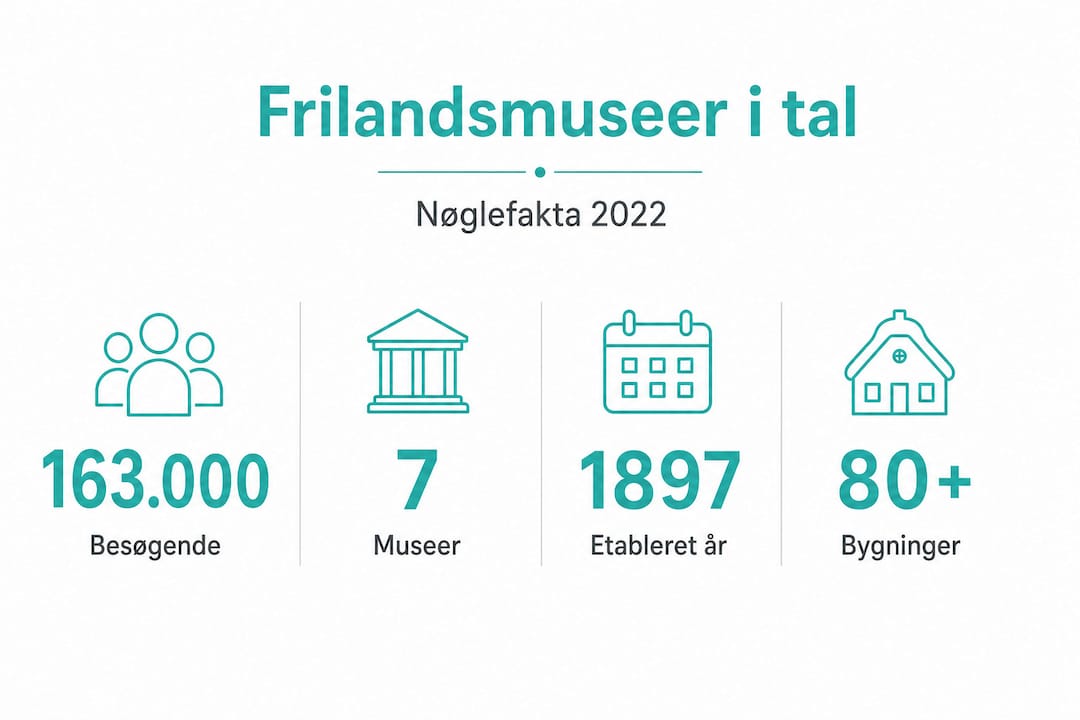
The Open-Air Museum at Lyngby received more than 163,000 guests in 2022, making it one of the most visited cultural-historical museums in the country. The museum specifically works with Danish rural culture, building customs, and interior design and represents the period from approximately 1700 to 1950
| Museum | Placement | focus | Opening hours |
|---|---|---|---|
| The Open-Air Museum | Lyngby | Rural culture, building customs | Spring to autumn |
| The Old Town | Aarhus | The history of the bioculture | All year round |
| Hjerl Hede | Vinderup | Hedge culture, village | Summer |
| Medieval Center | Nykøbing F | Medieval daily life | Summer |
These museums are not only for history-interested adults. Most offer programs specially tailored for school classes, families, and children of all ages. It makes them an obvious choice for a day trip or part of a longer holiday in Denmark.
Some important facts about Danish open-air museums:
- Most are open from spring to fall, but some museums like The Old Town are open year-round.
- Many museums offer special discounts to children, students, and pensioners.
- Voluntary and skilled mediators work side by side to ensure the quality of the experience.
- Museums often collaborate with schools and educational institutions on teaching programs.
Historical sights In Denmark, they are many and varied, but open-air museums stand out by combining cultural history with active participation. Find inspiration for family activities at open-air museums And plan your next visit.
Authenticity and professionalism: The origin of the buildings
When the interest in experience and learning is awakened, the question of authenticity often arises.
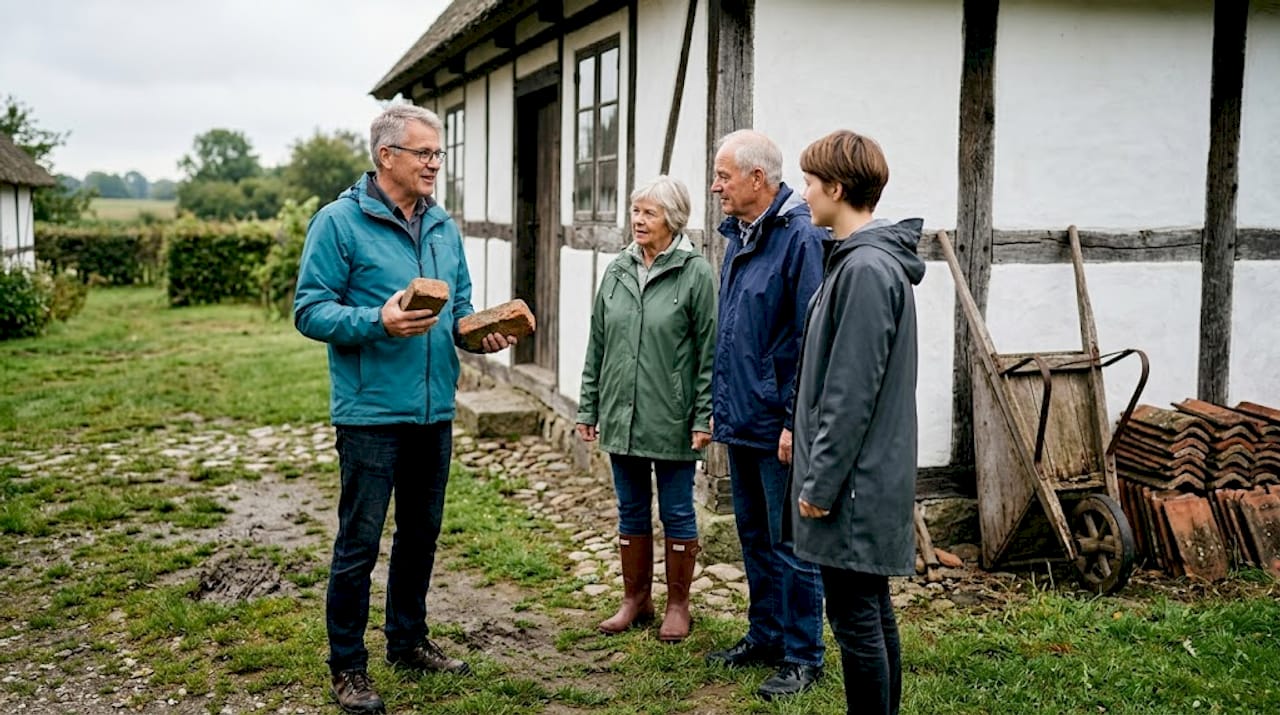
Are the houses you see at a open-air museum actually "genuine"? The answer is nuanced. Most buildings are original in the sense that they are constructed with historical materials and techniques. But they are typical moved from their original location in order to be preserved and conveyed together.
The debate about authenticity serious and professional. Historical buildings in open-air museums are often moved and may involve reconstruction, and there has historically been discussion about whether preservation "in situ" in the original location is professionally preferable to moving to an open-air museum.
| Preservation method | Advantages | Disadvantages |
|---|---|---|
| On-site preservation | Historical context intact | Difficult access, vulnerable to decay |
| Transfer to the open-air museum | Protected, accessible, mediated | Context can be lost during relocation |
Authenticity is not a simple yes or no. It is about which layers of history we choose to preserve and communicate.
Both approaches have clear advantages. On-site preservation provides the full historical context but makes it difficult to protect and communicate the buildings to a broad audience. Moving to an open-air museum provides protection and accessibility but removes the building from its original environment.
Professional tip: Ask the guides about the building's origin when visiting an open-air museum. Many houses have fascinating stories about where they came from and why they were chosen for preservation. It adds an extra layer to the experience.
Art and open-air museums compared showing that both types of museums work with authenticity, but in very different ways. The open-air museums are unique in focusing on entire buildings and environments rather than individual objects.
How to get the most out of your visit
With the professional debate and authenticity in mind, it's time to focus on how to get the most out of your museum visit.
Open-air museums offer living history and have activities for both children and adults throughout the season. But a good experience requires a little preparation. Here are the most important tips:
- Check the program in advance. The museum's website shows which activities are scheduled for your visit day. Special events often require registration.
- Tag the children with you. Most open-air museums have interactive areas where children can try historical games, help with fieldwork, or meet live animals.
- Make the visit active. Keep asking the facilitators questions, participate in the activities, and let yourself be engaged. You get much more out of it than by walking around and reading signs.
- Dress practically. Open-air museums are outdoors, and you walk a lot. Good shoes, weather-appropriate clothing, and possibly sunscreen are a good idea.
- Bring food and drink. Many museums have cafes or picnic areas, but it's nice to bring snacks, especially if you're visiting with children.
Professional tip: Feel free to visit an open-air museum in the middle of the week if you can. Weekenders are popular, and you will have a calmer experience and better contact with the facilitators on a weekday.
Practical museum advice and information about free museum offer Find everything together so you can plan your visit without surprises.
Therefore, open-air museums are more than nostalgia
It is easy to dismiss open-air museums as an offering for those who long for "the good old days." But it would be a mistake.
Open-air museums are not places that glorify the past. They are places that question it. When you see how a peasant woman's life was in the 1800s, it's not about romanticizing poverty and hard work. It's about understanding what change really means, and what has been lost and gained in modernization.
The ongoing debate about authenticity, which we touched on earlier, actually reflects larger cultural issues: what do we preserve, and why? Who decides which story to tell? And what happens to a building's soul when it is moved from its original context? These questions are not only museum-related. They are political and human.
The most valuable thing about an open-air museum is not the houses themselves. It is the dialogue they create. When a storyteller in historical costume explains how a family of eight shared two rooms, an understanding arises that no textbook can provide. Insight only arises in the encounter between people, and that is the true strength of open-air museums.
The societal role of museums is fundamentally about creating space for reflection on who we are and where we come from. Open-air museums do it in a way that is accessible to everyone, regardless of age and background.
Plan your next museum adventure in Denmark
When you're ready to move from inspiration to action, the path to planning your museum adventure is short. Traveling in Denmark gathers the best from all over the country in one place, so you can easily find the open-air museum or the cultural-historical experience that suits you and your family. Use our Visitor's guide to get an overview of what Denmark has to offer. Get inspiration and practical advice through our Checklist for a day trip, and discover a wide selection of historical experiences in Denmark Ready for your next visit.
Frequently Asked Questions
What activities can children experience at open-air museums?
Children can try historical games, participate in craft activities, and meet storytellers in period-appropriate clothing. The Living History method makes the experience interactive and engaging for all age groups.
Does it always cost money to visit an open-air museum?
Some open-air museums offer free admission or special free days, but most charge an entrance fee. It is a good idea to check the museum's website for current prices and possible discounts.
Are open-air museums only for those interested in agriculture?
No, open-air museums also cover interior design, crafts, everyday life, and cultural history in general. The dissemination includes rural culture, building customs, and interior decoration from approximately 1700 to 1950 and appeals to many different interests.
Are the buildings at the open-air museums original?
Most of the houses are original, but may have been moved from their original location and partially reconstructed. Gay people are continuously discussing what authenticity really means in this context.