TL;DR:
- God preparation and selection of museums with child-friendly facilities ensure a fun and engaging museum trip for children.
- Shorter, more focused visits with breaks and involvement stimulate children's curiosity and sense of ownership.
- Flexible pace, involvement, and presence create positive memories and greater satisfaction for the whole family.
Many parents dream of the perfect museum day with their children, but end up with tired legs, whining kids, and a feeling that everything went a bit wrong. It doesn't have to be like that. 63% of Danes visited a museum Within the past 12 months, and most do it in the company of others. With the right preparation, a visit to the museum can become one of the family's best experiences, not one of the most stressful. This guide provides you with practical tools to plan a day where children are engaged, curious, and happy from start to finish.
Main Points
| Point | Details |
|---|---|
| Involve the children | Let children participate in choosing activities and exhibitions to increase their engagement. |
| Timing and pauses are the key | A flexible plan and good breaks reduce fatigue and increase happiness. |
| Preparation makes the difference | God preparation at home ensures that the museum visit is both fun and educational. |
| Choose the right museum | Match the museum with the children's interests and feel free to try different types of experiences. |
Prepare the museum visit from home
Once you are aware of the challenge, the journey already begins at home in the living room. This is where you lay the foundation for a good day. Many parents skip this step and hope for the best, but a little preparation makes a huge difference.
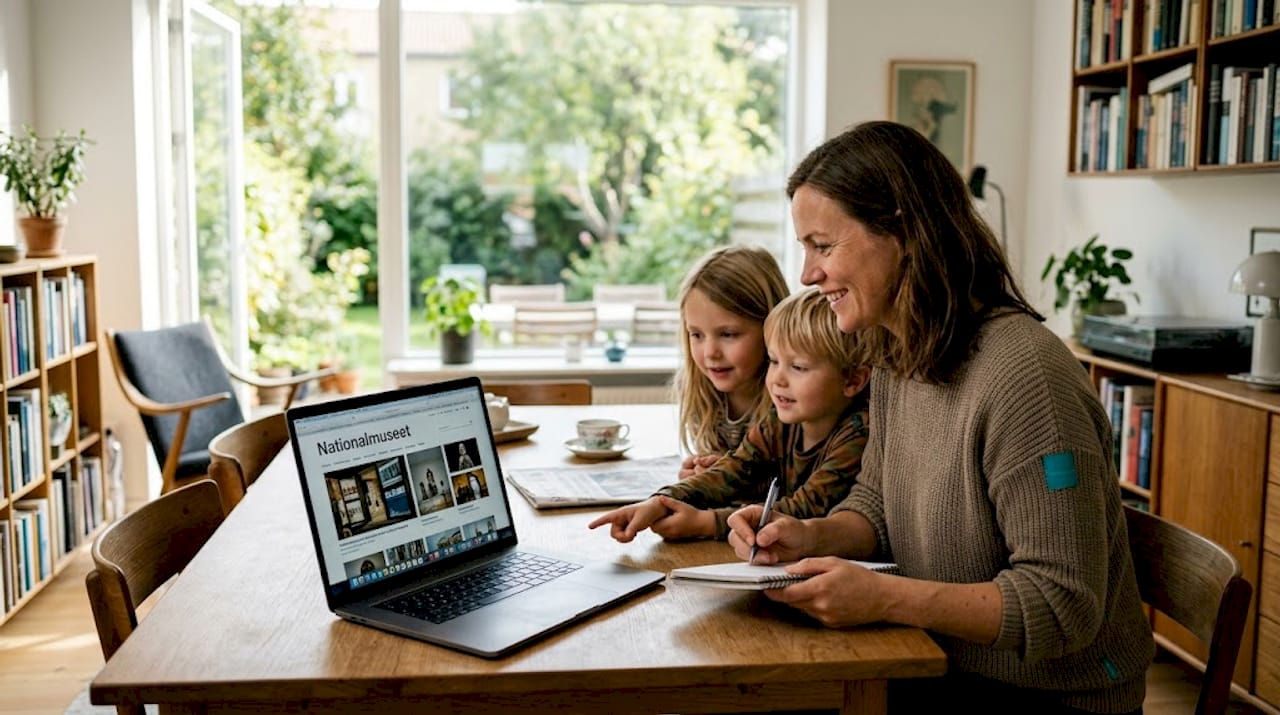
Start by visiting the museum's website and read about the current exhibitions. Talk to the children about what sounds exciting. Let them point at pictures and tell what they want to see. It creates anticipation and ownership even before you leave home. Experts recommend shorter visits with a focus on a few selected works rather than trying to see everything at once.
Choose 1 to 2 exhibitions per. Shed. It may sound like a little, but it's just enough to keep the energy up and avoid the dreaded museum fatigue. If you have two children with very different interests, you can easily find two departments that satisfy both.
What should you pack?
- Snacks and water, preferably something the children have chosen themselves
- Drawing supplies and a small notebook for sketches and observations
- Extra layer of clothing, as museums can be cold
- A small backpack that the child carries themselves
- The mobile with the museum's app, if they have one.
Also consider a child-friendly museum choices Based on the child's age and interests, before purchasing tickets. Many museums offer museums for children with special activities that make it easier to keep the little ones engaged.
A yearly pass is a good investment if you live close to a museum. It removes the pressure of "seeing it all" in one day because you know you can come back. User Survey 2024 shows that frequent, shorter visits provide greater satisfaction than rare, long days.
The best museum visit is the one that ends while the children still want to see more.
| Preparation | Advantage |
|---|---|
| Check the website in advance | The children know what to expect |
| Pak snacks and drawing supplies | Avoids hunger and boredom |
| Choose 1-2 exhibitions | Avoids being overwhelmed |
| Buy tickets online | Save time in line |
| Check facilities (cafe, changing room) | No unpleasant surprises |
Professional tip: Call the museum the day before and ask if there are any special children's activities or guided tours on the day you arrive. Many museums offer this, but it is not always clearly stated on the website.
Choose the right museum for children
When the homework is done, the choice of museum comes. It is a more important decision than many believe. Not all museums are created equal, and not all children will love the same museum.
Map out the children's interests before you decide. Is your child crazy about animals? Then a natural history museum is an obvious choice. Is it technology and inventions that ignite the spark? So look for technical museums with interactive installations. Art can also capture children, but usually requires more preparation and context.
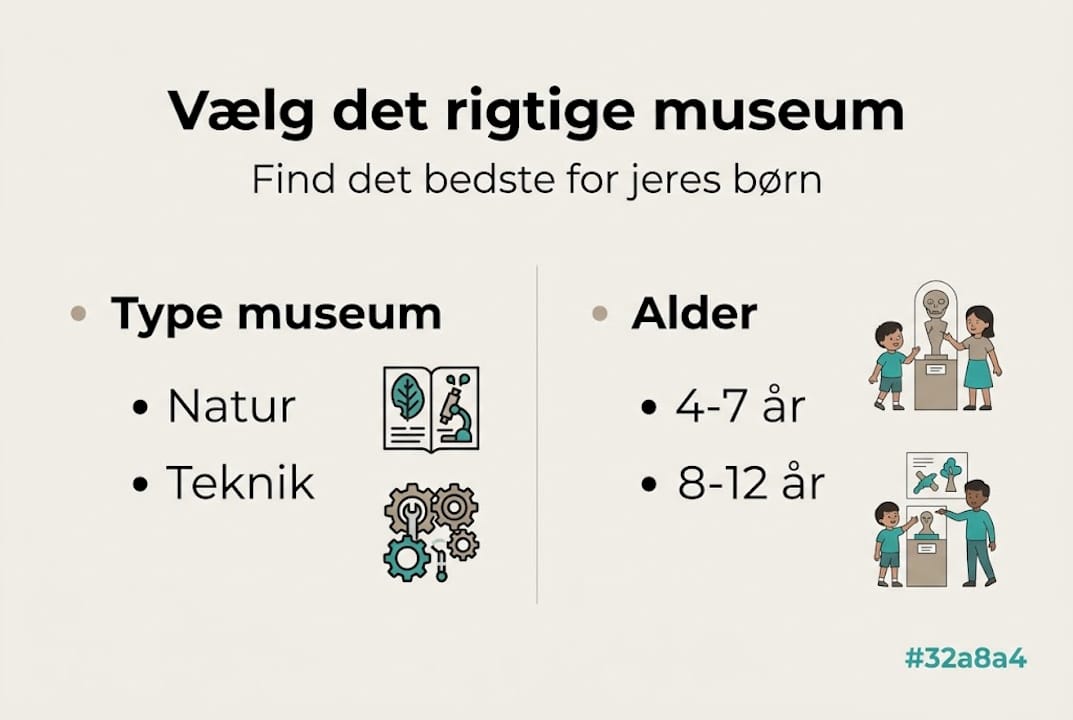
Family groups make up 21% of all museum visitors, but children's needs and interests vary greatly. A museum that is perfect for a curious 10-year-old can be completely wrong for an active 5-year-old.
Checklist for museum selection:
- Are there interactive elements or only exhibits behind glass?
- Does the museum have a children's section or special children's activities?
- Are there outdoor areas where children can run and play?
- What do other families with children say in the reviews?
- Does the museum's recommended age group suit your children?
Bridge Tips for choosing a museum as a practical starting point, and read our Guide to museum visits a thorough review of what you should watch out for.
| Type of museum | Best for age | Interactivity |
|---|---|---|
| Natural History Museum | 4-12 years | Medium to high |
| Technical Museum | Ages 6 to 14 | High |
| Art Museum | 8+ years | Make it medium |
| Historical Museum | 7-14 years | Middle |
| Children's Museum | 2-10 years | Very tall |
Professional tip: Search specifically for reviews written by parents with children in the same age group as yours. A review from a family with teenagers doesn't help you if you have a 4-year-old.
Set the pace and plan breaks
When the museum is chosen, it's about creating a day that suits children and not the other way around. This is where many families go wrong. They arrive with a tight schedule and try to follow it, even though the children are hungry, tired, or just have found something they want to spend more time on.
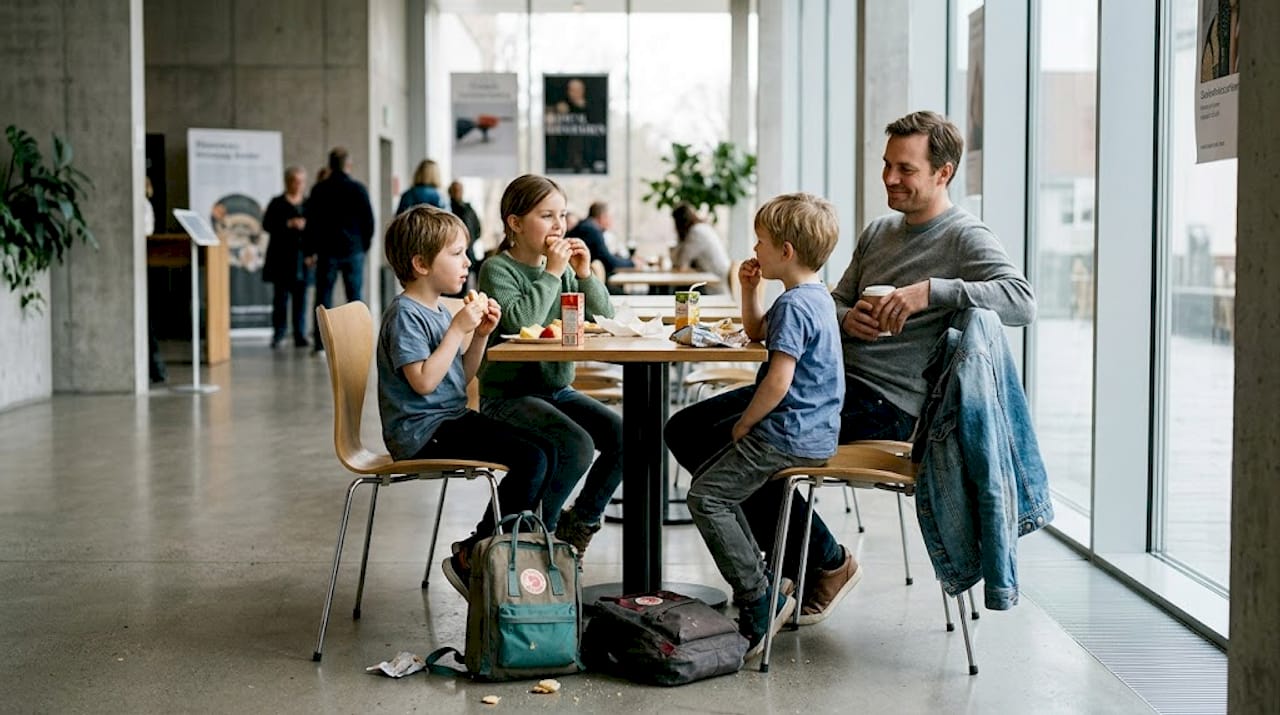
Flexible pace and breaks significantly reduce fatigue and dissatisfaction in both children and adults. Deviating from the plan is not a sign of poor planning. It is good parenting.
How to structure your day:
- Arrive early, preferably at opening, when the energy is highest and the museum is quietest.
- Start with the exhibition that the children are most excited about
- Take a short break after 45 to 60 minutes with snacks and free play
- Actively use outdoor areas if the weather permits
- Eat breakfast before the children become too hungry and irritable
- Finish with a fun activity or the gift shop as a reward
Please come in Family preparation for the museum some inspiration for adapting the structure to your family. And remember, breaks at children's museums are not a waste of time. They are part of the experience.
A day at the museum is not a marathon. It is a walk where you set the pace.
Professional tip: Make a loose schedule on paper or your phone, but write "flexible" at the top. Show it to the children so they know what's happening, but emphasize that you can change it if something is especially fun.
Make the museum visit something special for your child
As the day progresses, the crucial question arises: how can your child have a fantastic experience? It's not about spending the most money or seeing the most things. It's about presence and letting the child feel like an active participant.
Let each child choose one favorite work or one favorite department, for which they are "responsible" that day. It may sound simple, but it gives a surprisingly strong sense of ownership. The child will remember that visit long after it is over.
Ideas to actively engage children:
- Give them a task: find three things that are red, or find the oldest object in the room
- Let them draw what fascinates them the most
- Still open questions: "What do you think this object was used for?"
- Tag pictures of their favorites with the phone
- Write or draw a small museum diary after the visit.
Our curiosity, not just correct answers. When a child asks a question you can't answer, it's a perfect opportunity to say: "I don't know, let's find out together." Those kinds of moments are gold.
The museum experience is rated 8.3/10 for children when the planning is child-centered. It is a strong signal that it works.
It's not the most expensive museum that is remembered. It's the moment when the child says, "Mom, can we come again?"
End the day with something special, an ice cream, a cup of hot chocolate at the café, or a small souvenir from the gift shop. It puts a positive end and gives something concrete to remember the day by. Check family experiences at the museum for inspiration on how you can make the ending extra memorable.
Professional tip: Take a group photo in front of the child's favorite exhibition. It will become a concrete memory, and the next time you talk about museums, the child will have something to point to.
Therefore, child-centered museum planning works in practice
After all the concrete advice, it is worth reflecting on what actually works and why. It's not just theory.
The biggest misconception is that a good museum visit requires seeing everything and spending the whole day. It doesn't do that. Children are not adults in miniature. They have a shorter attention span, more energy in their bodies, and a stronger need to feel heard. When they gain influence, engagement increases dramatically.
Family families prioritize experiences where children have real influence, and the results speak for themselves. It's not a coincidence. Ownership creates curiosity, and curiosity is exactly what museums are created to evoke.
Repeated short visits beat long marathon days every time. A child who visits the same museum three times discovers something new each time and builds a relationship with the place. It is far more valuable than trying to see everything in one aggressive day. Find practical museum tricks to make each visit better than the previous one.
The less perfect, but present moment is remembered best. Not the expensive ticket or the impressive exhibition, but the moment you sat down on the floor and looked at a dinosaur together with your child.
Get more out of the family trip in Denmark
When the planning is in place, you can safely look forward to the next adventure. Denmark is full of fantastic experiences for families with children, and museums are just the beginning. On Rejs in Denmark, you will find a wide selection of child-friendly attractions Sorted by age, price, and season, so you can quickly find what suits your family. If you need an overview of what Denmark has to offer, our Denmark Travel Guide a strong starting point. From coast to city, from nature experiences to cultural highlights, we help you plan trips that the whole family will be talking about long after.
Frequently Asked Questions
Why is planning important for museum visits with children?
Good planning ensures that the visit is fun and educational without too much fatigue or stress. Early mornings and flexible pace significantly reduce fatigue and irritation for the whole family.
How do I choose the best museum for my children?
Base your choice on the children's interests and select museums with relevant activities and child-friendly facilities. 21% of visitors are families with children, but interests and needs vary greatly from child to child.
What is the biggest mistake parents make on museum trips?
Trying to accomplish too much in one day instead of focusing on a few highlights and taking breaks. A flexible pace is crucial for a good experience for both children and adults.
Are there museums that are especially good for young children?
Yes, many museums have dedicated children's sections and interactive options that make the visit exciting even for the youngest. Several museums offer children's activities and special exhibitions aimed at the youngest visitors.
Recommendation
- Guide to child-friendly museums: Fun and educational experiences – Travel in Denmark
- Discover the best museums for children: Family experience guide – Travel in Denmark
- Guide to Museum Visits: Everything You Need to Know – Travel in Denmark
- 7 Essential Tips for Danish Museums for All Visitors – Travel in Denmark