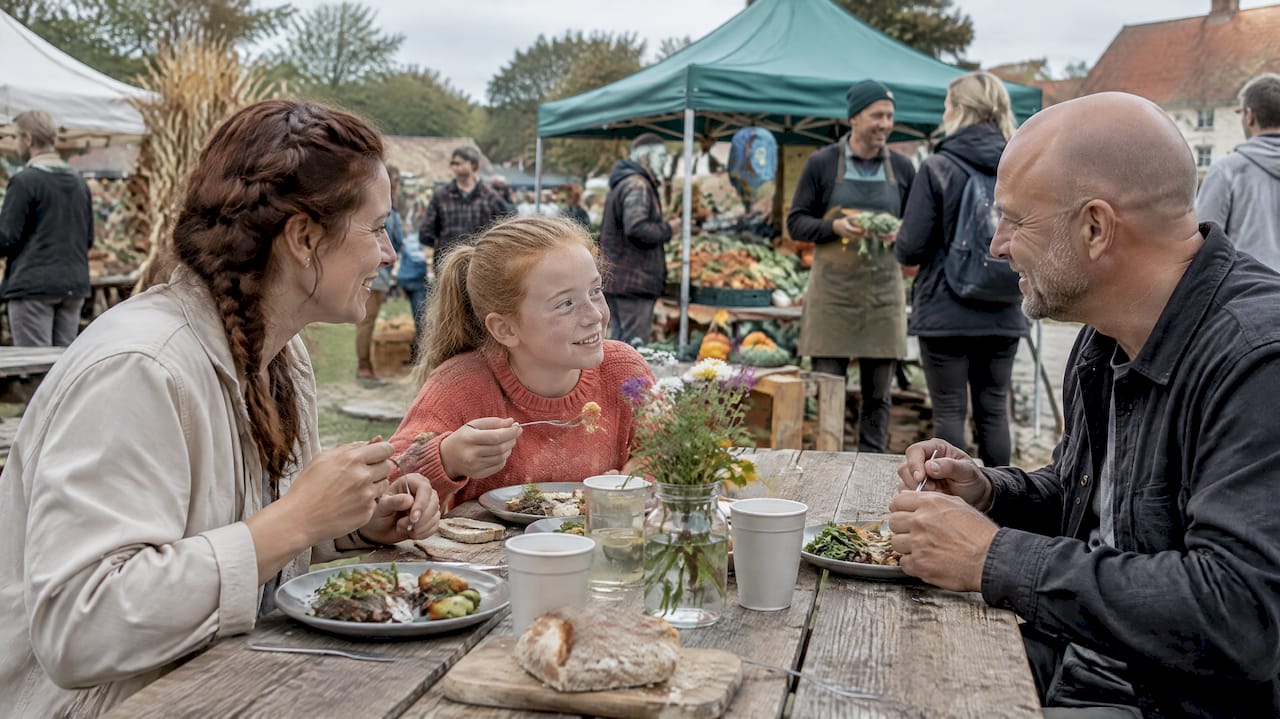
You experience local traditions best by finding them where the locals themselves find them: in local newspapers, on bulletin boards, at associations, and in the municipality's calendar. Show up as a guest, not as an audience. Ask the organizers how to participate, follow the example of the locals, and choose events supported by the local community itself. This way you get more than just a picture to take home: You get an evening by the fire, a chat at the stalls, and a sense of what a place means to those who live there. Here is the procedure step by step, with examples from Denmark and our neighboring countries.
Find the traditions before the tourists do
The best traditions are rarely at the top of a search. They live in the parish newsletter, on the poster at the grocer's, and in the local sports club's Facebook group. National Geographic recommends that start with local magazines and postings on the street, when you are looking for exhibitions, music festivals, and other events, and to ask where the locals gather for sports.
That advice works particularly well in Denmark, where much of the cultural life is supported by volunteers. Here's how to approach it:
- Read the local newspaper and the weekly newspaper. Here, the town festival, the autumn market, and the concert in the community hall often take place long before they appear elsewhere.
- Check the municipality's and tourist office's calendar. Many municipalities post their own events, from market days to cultural nights.
- Look at the bulletin boards. The library, the church porch, the grocery store, and the harbor office are classic places for posters about communal dining, flea markets, and Midsummer bonfires.
- Ask the person who sells you coffee. Don't ask "what is there to see?", but "what are you doing here this weekend?". It gives a different answer.
- Follow the associations. The rowing club, the scouts, the choir, and the local history association often hold open events where guests are welcome.
Also use our own overviews. In the guide to cultural experiences in Denmark we have gathered where you can find cultural offerings throughout the country, and if you want to experience the great shared experiences, we explain in our festival guide, what you can expect from Danish festivals.
Danish traditions throughout the year
Many Danish traditions follow the rhythm of the year. That makes them easy to plan for: You know which season to travel in, and then you find the specific date in the local calendar. Dates, times, and registration change from year to year, so always check the organizer's own page.
| Season | Tradition | What is happening? | How to participate as a guest |
|---|---|---|---|
| Winter | Carnival | Children dress up and hit the cat out of the barrel, and fastelavnsboller are eaten. | Many associations, churches, and community centers hold open barrel hitting events. Ask if guest children are allowed to participate |
| Spring | Easter and spring markets | Easter lunch, Easter eggs, and the first markets in the villages | The markets are open to everyone. The Easter lunch is private, so you only experience it if you are invited. |
| Summer | Midsummer Night | Bonfire on the beach, in the park or in the field, bonfire speech and communal singing | Show up early, sing along to what you can, and keep your distance from the fire. |
| Summer | Town festivals and harbor festivals | Parade, music, tents, and local associations selling food | Buy the food at the associations' stalls: The proceeds often go to the club. |
| Autumn | Autumn festivals and autumn markets | Local producers, farm visits, seasonal ingredients, and communal dining | Ask the producers about their goods. This is where the conversation begins. |
| Autumn | Culture Nights | Museums, churches, and institutions are open in the evening | Choose a few places and stay there longer instead of trying to see everything. |
| Winter | Christmas markets and Christmas tree lighting | Stalls with crafts, mulled wine, and apple slices, communal singing by the Christmas tree | Shop with the local craftsmen, and ask how things are made. |
Many of the mentioned traditions are free to experience. Our page with free experiences collects places and events where you can participate without paying an entrance fee.
Meet the locals through associations, food, and crafts
A tradition is not just something you see. It is something you do together. Therefore, the best doors to local traditions are often those that the locals themselves use in everyday life.
Community life is the hidden entrance
The Danish report Hello Local! Hello Tourist! indicates that local associations such as sports clubs and craft groups are deeply rooted in the local community and can help visitors meet residents outside the tourist bubble. The report also highlights food, local hosts, and digital community tools as possible bridges between guests and locals, but emphasizes that the meeting must take place on the locals' terms.
In practice, it means:
- Watch a local handball or football match, and buy a sausage at the stand.
- Join an open singing evening, a folk dance evening, or a community dinner at the community hall.
- Sign up for a guided tour with the local history association, where the storyteller themselves grew up in the town.
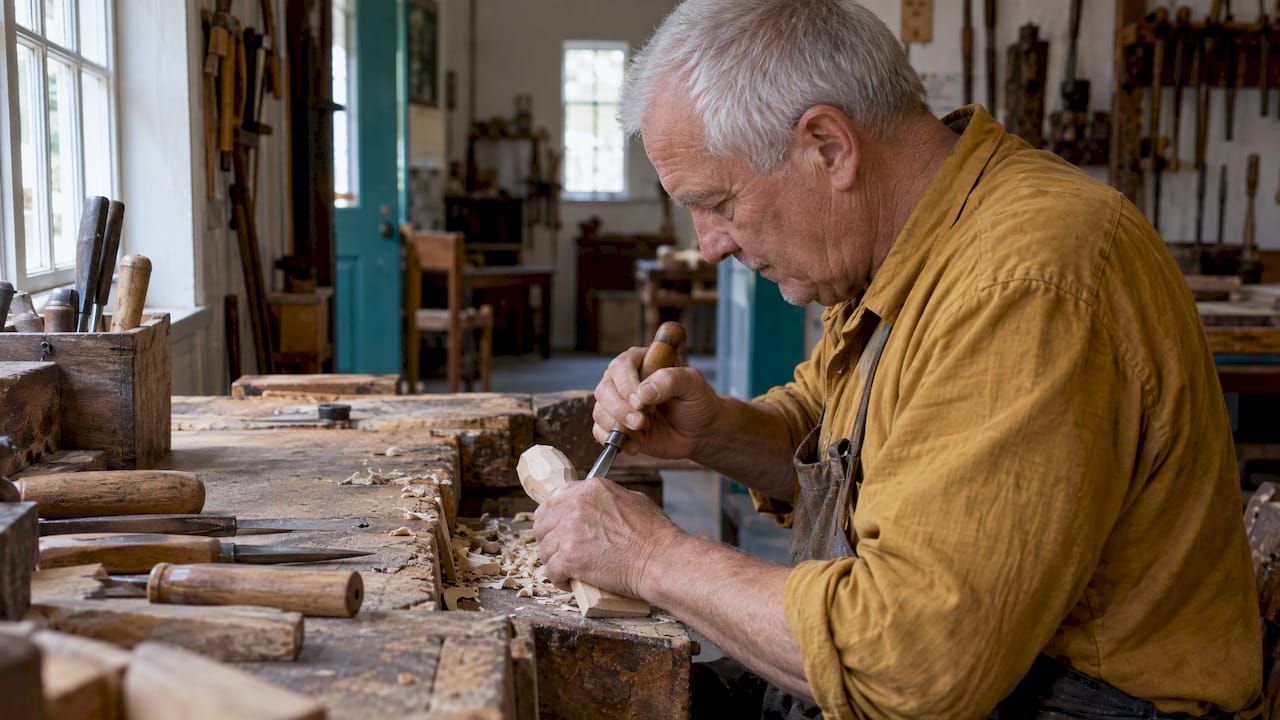
- Stop by an open workshop where ceramicists, blacksmiths, or weavers showcase their work.
The mine tells the story
Markets and harvest festivals are the places where traditions and everyday life meet most naturally. Dragør Municipality's page about Dragør Harvest Festival shows a format rooted instead: local producers, farm visits, seasonal food, stories, creative activities, and communal meals. It is precisely the type of event where you as a guest can ask questions, taste, and become part of the community for a day.
A good tip at the market stall: Ask where the product comes from and how it is used. The local cheese, smoked fish, or honey almost always has a story, and it is gladly told to anyone who asks.
Craftsmanship and cultural heritage
If you want to see traditions in their historical context, museums and heritage sites are a good complement. In our guide to Cultural heritage sites in Denmark you will find places where craftsmanship, building traditions, and old customs are conveyed, and in 7 inspiring examples of cultural activities you get concrete ideas of what you can experience.
How to participate with respect
Respect is not a rule you memorize. It is an attitude: You are a guest in something that belongs to others. International guidelines say the same thing in different ways, and they can be translated into six simple steps.
- Ask the organizers first. Guidelines from Indigenous and People’s Health and Cultural Council recommends that visitors ask the organizers about customs and protocol, understand their role as guests, and follow the example of the locals.
- Ask before you photograph. The same guidelines state that one must ask for permission before taking pictures at ceremonies and gatherings with sacred objects, and that one must not touch sacred objects without permission. In Denmark, the same principle applies to weddings, funerals, confirmations, and church services: These are private moments, even when the church door is open.
- Be quiet and attentive. Listen before you participate. During a campfire speech or a communal song, you sing along if you can, otherwise you stand still.
- Thank the hosts. The guidelines recommend thanking the hosts and asking if a gift is appropriate. At a communal meal, it can be helping with the dishes or bringing a cake.
- Respect privacy and everyday life. The Sami Parliament's principles for responsible Sami tourism Since 2018, it states that tourism must respect the privacy of locals and daily cultural practices, and that visitors must not approach reindeer herds without permission. The principle also applies here at home: A village is people's home, and a field is someone's workplace.
- Behave like a welcome guest. ICOMOS’ international charter for cultural tourism asks visitors to respect the inviolability of sacred sites and behave as guests who respect the values and lifestyle of the host community.
Unwritten rules in Denmark
Some Danish customs are easy to overlook if you come from outside.
- Community singing is meant for singing along. The leaflet is distributed because everyone is expected to participate. No one judges your pronunciation.
- Churches are in use. Many village churches are open, but also hold church services. Enter quietly and wait if there is a ceremony in progress.
- Private is private. The Danes' Christmas lunch, Easter lunch, and birthdays are not open events. You only experience them as invited.
- The Dannebrog is used on festive occasions. The flag in the garden often signifies a birthday or celebration in the family. It is nice to look forward to it, but do not go in.
- Volunteers carry the party. The person standing at the booth at the town festival is probably a volunteer. A thank you and a little patience go a long way.
Choose experiences that benefit the local community
The question that separates the good traditional experience from the bad one is simple: Who is behind it, and who benefits from it?
UNESCO's information sheet on tourism policy says that the communities and individuals associated with the intangible cultural heritage should be the primary recipients of tourism based on that heritage, and that they should lead its management. The same document warns against over-commercialization and unsustainable tourism that threaten cultural heritage, and emphasizes free, prior, and informed consent from the local community. The ICOMOS charter adds that host communities should be involved in determining how their cultural heritage is presented, and that their desire to limit access should be respected.
Translated to your itinerary, this means that you should look for these characteristics:
| Good sign | Why it matters |
|---|---|
| Organized by a local association, municipality, church, or a museum | The local community decides for itself how the tradition is displayed. |
| Food and goods from local producers | The money stays in the area |
| Local participant themselves, not just as staff | The tradition lives on, it is not just performed. |
| Clear information about what guests are allowed and not allowed to do | The hosts have set the framework, and you know them. |
| Profits go to the club, the community center, or the parish. | Your participation keeps the tradition alive |
We have written more about why it pays to travel locally, in advantages of local tourism.
Local traditions with children
Children are often the best ticket into a local community. They play with other children, try things immediately, and ask the questions that adults keep to themselves. Many traditions are also made for children: carnival, Midsummer bonfires, and harvest festivals with animals and straw bales.
Look for events where children can try themselves rather than just watch. A good example from the neighboring country is the recruitment day at Ose in Setesdal in Norway, which they European Heritage Days Described as an open family event where children and adults can try folk music, singing, traditional instruments, dance, and play. According to The Culture Days The day is free and offers practical sessions divided by age, group activities, and free food. In Åland tells Mickel's farm, that guests at the harvest festival can learn about life in the countryside and buy food crafts made from local ingredients, and that the children can have fun on the obstacle course, in the straw, and with pets.
That kind of format is also found in Denmark, especially at harvest markets, in museums with live presentations, and at village festivals. Good advice for the family:
- Choose one event per day. Children get the most out of staying in one place for a long time.
- Prepare the children. Tell what will happen: We will see a bonfire, hear a speech, and sing. Then they know when it should be quiet.
- Let them try. Ask the organizers if the children are allowed to participate in hitting the barrel, dancing, or helping at the stall.
- Take something home. A recipe, a song, or a small item from a local craftsman keeps the memories alive.
In our guide to family-friendly activities in Denmark you will find more ideas, and our tips for cheap activities for families helps when the budget has to last the entire vacation.
Our experience: Traditions are best experienced with a plan and an open mind
We gather experiences from all over Denmark, the major attractions and the hidden gems, and we believe that local traditions are among the strongest: a Midsummer bonfire on a small beach, a harvest market where the farmer himself stands behind the counter, a communal sing-along in a community hall.
It rarely happens by chance. The local tradition requires that you know when and where it takes place, and what else is nearby. Therefore, we have built our experience portal with an interactive map and filters for season, price, and age. You can see what is happening in the area, approximately how much it costs per. person, and whether it suits the children, and then you can plan the rest of the day around the tradition.
Our advice is to combine the two: Use a good overview to find your way, and then let the locals take over when you are there. The map takes you to the place. Curiosity makes the experience.
Tommy
Plan your next traditional experience
Once you know which season you are traveling in, the next step is to find the specific experiences. On Travel in Denmark's overview of experiences can you search on the map, filter by season, price, and participant age, and see price estimates per. person for museums, natural areas, cultural historical sites, and family experiences across the country. If you travel north, we have gathered experiences in The top of Denmark, and you are planning the summer, is Summer vacation in Denmark a good place to start.
Frequently Asked Questions
How do I find local traditions in a city I don't know?
Start with the local newspaper, the municipality's calendar, and notice boards at the library, the grocery store, and the church. Ask the locals what they themselves are going to do over the weekend. Then use an experience guide with maps to see what else is nearby.
Are tourists allowed to participate in Danish traditions such as Midsummer bonfires and Fastelavn?
Yes, public Midsummer bonfires, city festivals, and many Shrovetide events are open to everyone. Private parties such as Christmas lunches and Easter lunches are only experienced by invitation. If in doubt, ask the organizer if guests are welcome.
May I take photographs at local traditions?
At public parties, it is usually nice to take pictures of the atmosphere. Always ask before photographing individuals, children, or ceremonies such as weddings, funerals, and religious services. You do not touch sacred or private objects without permission.
How do I ensure that my participation benefits the local community?
Choose events organized by local associations, municipalities, churches, or museums, and shop from local producers and craftsmen. Then the money stays in the area, and the local community decides for itself how the tradition is displayed.
Which local traditions are good for children?
Carnival with barrel beating, Midsummer bonfires, harvest festivals with animals and straw, and Christmas markets are ideal for families. Look for events where children can try for themselves, e.g., dance, music, or crafts.
Sources
- National Geographic: Tips to Find Local Experiences While Traveling
- Hello Local! Hello Tourist!
- Dragør Municipality: Dragør Harvest Festival
- IPHCC: Respectful Engagement in Indigenous Cultural and Ceremonial Events
- Sametinget: Principles for Responsible and Ethically Sustainable Sámi Tourism
- ICOMOS: International Cultural Tourism Charter
- UNESCO: Information Sheet, Tourism Policy
- European Heritage Days: Recruitment Day at Ose
- Kulturverndagene: Rekrutteringsdag på Ose
- Mickel's Farm: Events and Activities