TL;DR:
- Choosing experiences according to the season requires understanding of the weather, daylight, and access conditions. It is important to plan with flexibility and include indoor alternatives to avoid disappointments. Seasonal activities, adapted to the weather, create the best experiences in Denmark all year round.
The choice of experiences can quickly go wrong if the season doesn't match the activity. You are planning a wonderful hike along the coast, but arrive during a storm and freezing temperatures. Or you book a cozy indoor museum day in the hottest and sunniest week of the entire summer. Choosing experiences based on the season is not just about the weather. It's about understanding what each season actually offers and how to adapt your plans to real-world conditions. This guide provides you with the concrete tools to make better choices and avoid the typical pitfalls.
Preparations before choosing experiences
Before you even start looking at activities, there are a few basic factors you should be aware of. If you skip this step, you risk planning based on assumptions rather than facts.
The four most important considerations before choosing seasonal experiences:
- Weather and temperature: Don't just check the average weather for the month. Look at the recent weeks' trends and the local weather forecast. Transition months like March, April, and October are particularly unpredictable, and The weather can change quickly with sudden frost or snow at night.
- Daylight: In winter, Denmark only has 7-8 hours of daylight. It significantly limits the possibilities for outdoor activities, and it should influence when you plan to go.
- Access conditions Many natural attractions, beaches, and hiking trails have very different accessibility depending on the season. Something is easily accessible in dry summer weather, but almost impossible in winter months' mud and slippery surfaces.
- Group composition and limitations A trip with grandparents requires different considerations than a trip with teenagers. If you have children, it affects everything from what you can accomplish to what is fun for everyone involved.
Besides these points, clothing choice is an underrated factor. The layer-by-layer principle is the most flexible starting point in changing weather. It allows you to undress in the heat and add extra layers if the temperature drops. A rain jacket and a pair of waterproof shoes cost nothing in the luggage, but can save an entire day.
Professional tip: Use multiple transportation services instead of just one. If you compare, for example, DMI with a local weather service, you quickly see whether the predictions are consistent or conflicting. It gives you a more realistic picture of what awaits.
Experiences in spring and summer
Spring and summer are the seasons most people associate with outdoor activities, and for good reason. The days are long, the light is generous, and nature in Denmark is in full bloom. But there is a difference between early spring and midsummer, and that difference is very important for your planning.
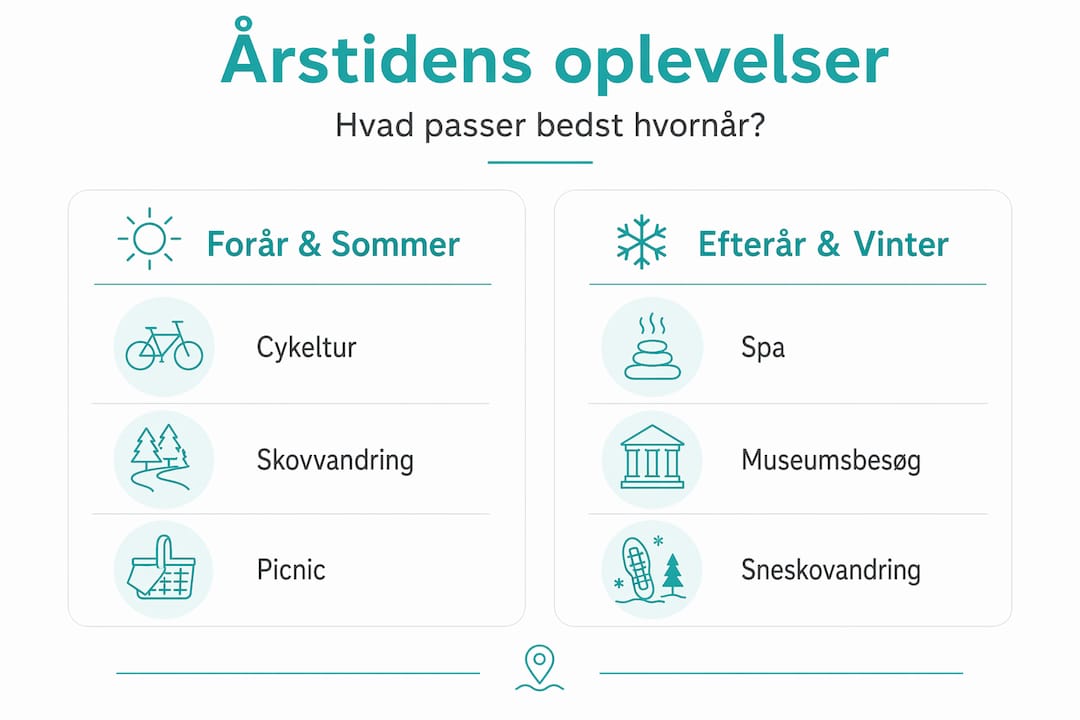
Here are five of the best activities for the spring and summer seasons, ranked from the earliest in the season to the last:
- Nature walks in April and May The forests are green, the birds are singing, and the tourist crowds have not yet arrived. Hiking in nature is ideal for early spring because the weather is pleasantly cool, and you have trails to yourself.
- Bike trips along the coastline From majesty and forward, Denmark is made for cycling. Many of the national cycle routes along coasts and fjords are dry and suitable from mid-May.
- The beach from June: The water temperatures are still cold in May and early June, but from the end of June and throughout July, the Danish beaches are ideal. Especially if you have children, beach trips in the height of summer provide the best conditions.
- Outdoor food experiences and markets Starting in June, summer food markets, harbor parties, and local festivals will appear all over Denmark. These experiences require dry weather and warmth, and they thrive best in the middle of the summer season.
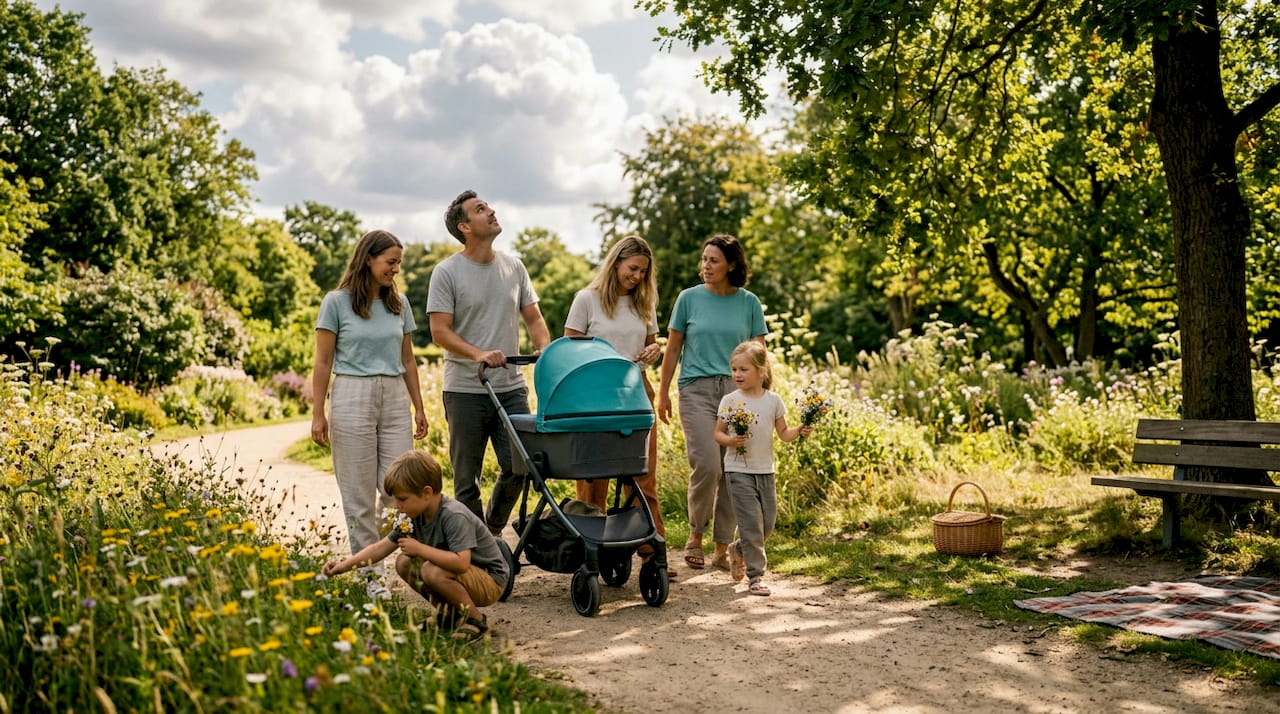
- Spring activities with children: Activities such as treasure hunts, picnics, and bike rides Creates good memories and works perfectly from April onwards. Nature is a natural playground, and the shorter, warmer days make it manageable even for the youngest.
A particular pitfall in the spring is underestimating the changing nature of the weather. Even in April and May, the weather can be cold and windy, and in the northern parts of the country, it can snow late in the spring. Always plan with an indoor backup in hand. It could be a local museum, a cafe with a view, or an art gallery that can save the day if the sky opens up.
Summer experiences with children also require good timing. The most popular attractions such as Legoland in Billund and Summerland Zealand are overcrowded during the school holidays in July. If you are considering visiting these, the end of June or the first week of August is much more comfortable and often cheaper.
Professional tip: Book summer experiences in the most popular destinations at least six weeks in advance. Accommodation in Skagen and Bornholm is sold out much earlier than most expect.
Experiences in autumn and winter
Autumn and winter are seasons that many underestimate. There is an error. Yes, the days are shorter and the weather colder, but it opens up experiences that simply are not possible in the warm months.
The special opportunities of autumn
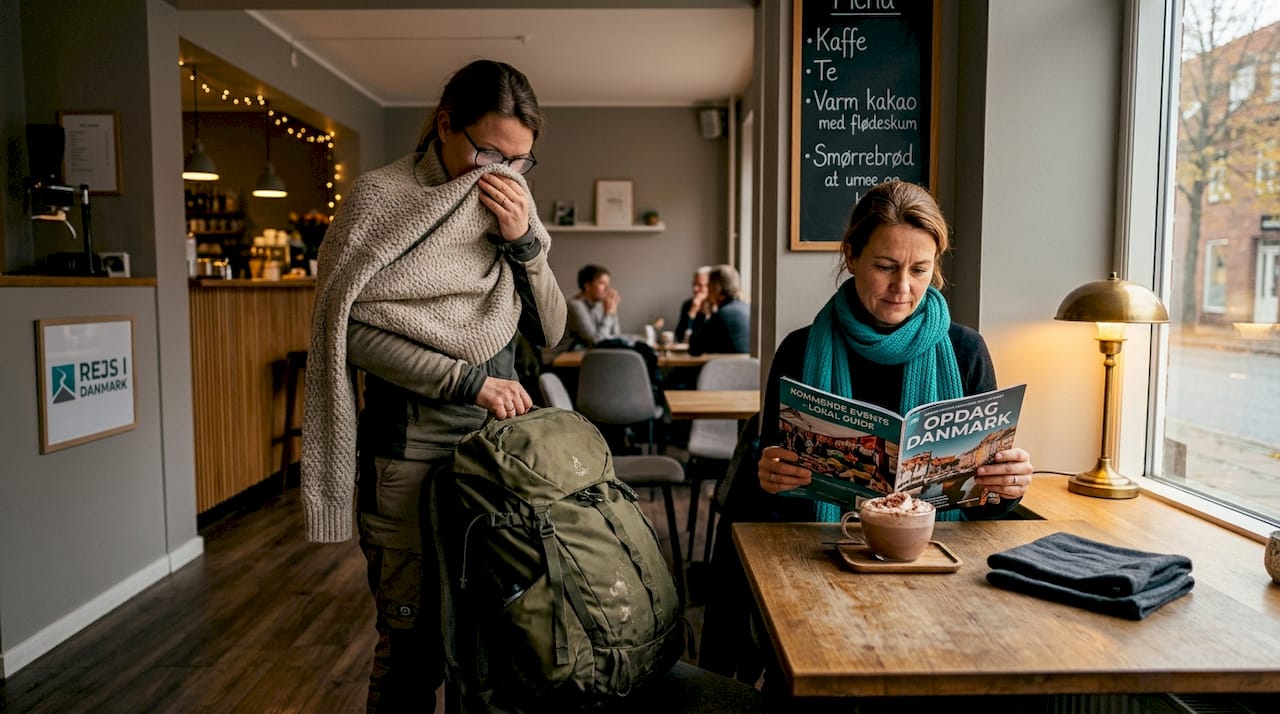
October is one of the most beautiful months in Denmark. Falling leaves, soft autumn light, and far fewer tourists make hikes and autumn excursions to cultural sites especially atmospheric. Autumn weather is variable, but usually mild enough for comfortable outdoor walks until mid-November.
The best autumn experiences typically combine outdoor and indoor activities. A morning in the forest followed by lunch at a local pastry shop is a classic example of how to use the season's character to your advantage. Search for experiences that are not weather-dependent, such as museums, historical sites, and culinary tours, but preferably complemented by a few hours outdoors.
The great potential of winter experiences
Almost 50% plan winter trips, and it reflects a growing understanding that winter is not a gap in the travel calendar, but a season with its own strengths. Hygge, warmth, calm, and cultural experiences thrive best in winter.
Here is an overview of the most popular types of winter experiences and what they require:
| Experience type | Best for | What you need to bring |
|---|---|---|
| Sneskovandring | Familiar and active couples | Waterproof boots, layered clothing |
| Spa and wellness | Child and adult | Swimsuit, bathrobe, time |
| Cultural events | All age groups | Comfortable footwear for museums |
| Christmas market | Families and groups | Warm clothes, cash for food |
| Coastal walking in winter weather | Adventurers and photographers | Windbreaker, good boots |
Winter activities such as snowshoeing, spa, and culinary experiences It is increasingly appealing to adults who seek meaningful stays rather than just avoiding the cold. Over 25% of winter travelers prioritize food and wine experiences, making gastronomic tours in Danish cities an obvious choice in December and January.
Safety is not something you can skimp on during the winter months. Make sure your vehicle is equipped for winter driving. Driving with summer tires on icy roads significantly increases the risk of accidents and can result in fines. It sounds basic, but it is one of the most common and preventable mistakes during winter trips.
How to adjust the plan along the way
Even the best plan can go awry if the weather doesn't cooperate. Flexibility is not a lack of planning. It is part of good planning.
Concrete strategies for handling changing weather and conditions:
- Check the weather forecast 72 hours ahead, not just the day. Many change plans too late because they only look at the weather in the morning. If you see a significant weather change three days ahead, you can adjust the schedule without stress.
- Always have two to three indoor alternatives ready. Bridge Rejsidanmark's seasonal guide to find activities that work regardless of the weather. Museums, aquariums, historic buildings, and wellness are always a solid alternative.
- Choose experiences with flexible booking. Many attractions and activities in Denmark offer free cancellation up to 24 hours in advance. Prioritize these over experiences with strict cancellation policies, especially during the unpredictable transition months.
- Establish a comfortable base. Your accommodation should feel like a refuge. A cabin with a fireplace, a hotel with a spa, or an apartment with a private kitchen allows you to enjoy the day indoors if the weather forces you to.
- Combine spontaneous choices with scheduled activities. A combination of spontaneous and planned experiences creates the best balance. Plan the most important things in advance, but always leave room to follow the weather and the mood.
Flexible planning significantly increases the likelihood of a good holiday experience, regardless of what the season offers. It's not a cliché. It is a documented effect of having choices.
Professional tip: Write down your backup list before you leave. It sounds exaggerated, but in a disappointing moment, it's invaluable to have three good alternatives ready instead of starting a frustrated search on your phone in the rain.
My experience with seasonally tailored experiences
I have planned and experienced travels in all seasons of the year in Denmark, and the most lasting lesson is simple: the best experiences happen when you let the season set the agenda rather than fighting against it.
I remember an October walk in Thy National Park, where we arrived in thick fog and rain. We were seconds away from turning around and going to the museum instead. We still went. And the next three hours were among the most beautiful I have experienced in Danish nature. Raw, quiet, without tourists. It is the gift of autumn if you are willing to accept it.
Conversely, I have seen families plan an ambitious summer program with a two-hour boat trip, a beach day, and a bike ride on the same day with a three-year-old in the stroller. The result was a tired group and disappointment that it did not go as planned. The season was perfect. The program was unrealistic.
My best advice is this: plan med the natural rhythm of the season, not despite it. Choose three to four activities per day instead of five to six. Always have a plan B. And learn to see bad weather as an invitation to a different kind of experience rather than the destruction of the original plan.
— Tommy
Plan your seasonal experience with Rejsidanmark
Rejsidanmark has gathered hundreds of activities and experiences distributed across all seasons and target groups. Whether you're planning summer adventures with children, autumn excursions to historical sites, or winter experiences focused on coziness and well-being, you will find concrete suggestions with prices, practical information, and seasonal filters on the page.
Start with that Temporary vacation plan for Denmark, who guides you from the first idea to the finished program. If you like movement and variation, then Plan a road trip in Denmark An obvious starting point for combining experiences across seasons and regions. Rejsidanmark makes it easy to find what suits your travel group and season.
Frequently Asked Questions
What are the best spring activities in Denmark?
Walks in the forest and nature, bike rides, and picnics are ideal spring activities from April onwards. Combine them with an indoor alternative, as spring weather can change quickly.
What should you do in winter in Denmark?
Christmas markets, snowshoeing, spa visits, and museum visits are popular winter experiences. Winter trips attract nearly half of the population, and gastronomic experiences and cultural events are rising trends.
How to choose the right experiences for children according to the season?
Adjust the activity level to the children's age and the season's weather. In summer, beach trips and amusement parks work best; in spring, outdoor games and treasure hunts are ideal; and in winter, Christmas markets and museums are popular choices.
When should one start planning seasonal experiences?
Book popular summer experiences and overnight stays at least six weeks in advance, especially in July. Winter experiences such as Christmas packages and wellness can also be sold out months in advance.
What do you do if the weather ruins the plans?
Always have two to three indoor alternatives prepared in advance. Flexible booking and a good accommodation base make it much easier to adjust the program without losing the joy of the trip.
Recommendation
- What are seasonal experiences in Denmark? Guide 2026 – Travel in Denmark
- 7 tips for experiences all year round in Denmark for everyone – Travel in Denmark
- Seasonal Activities: Experiences for the Whole Family – Travel in Denmark
- Make the most of your trip: What are seasonal experiences? – Travel in Denmark