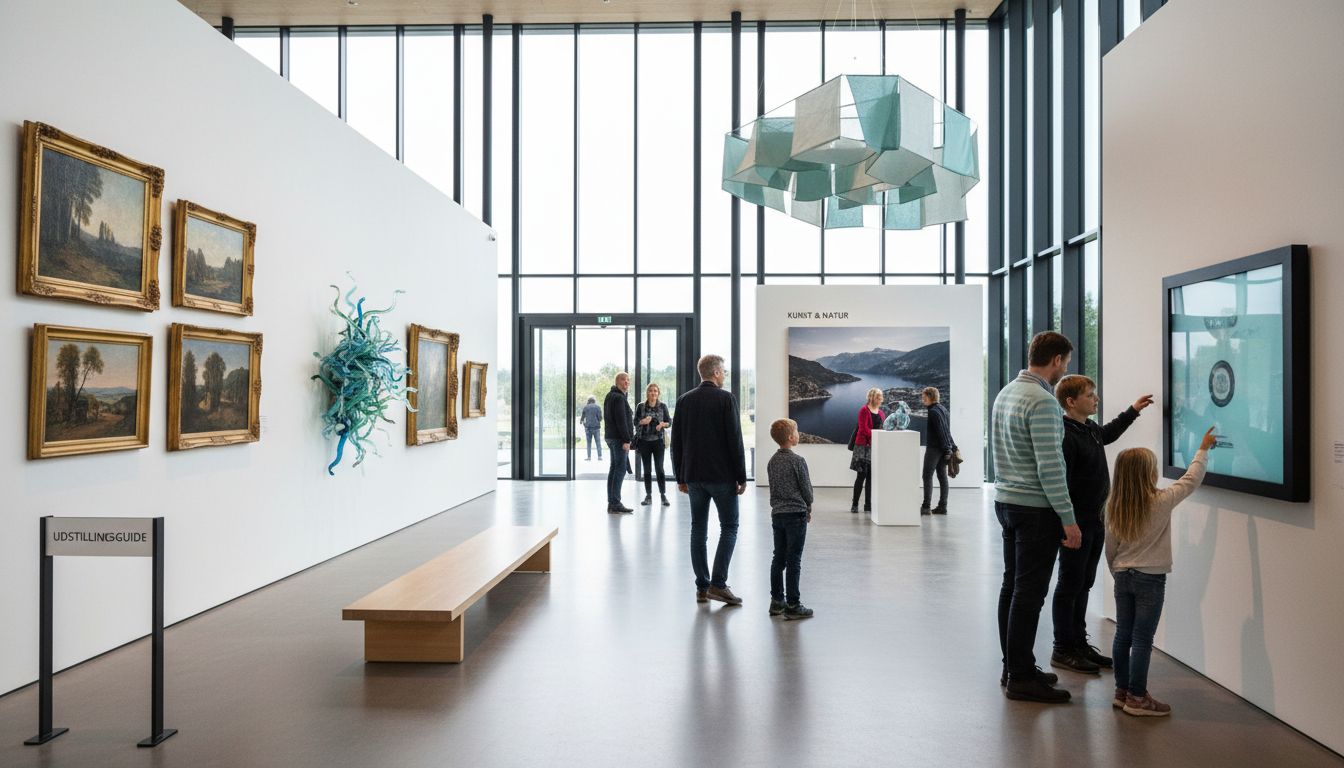
Almost 1 billion kroner were distributed to museums in Denmark in 2016, of which A full 72 percent went to institutions in the Capital RegionThat says a lot about how central museums are both culturally and economically. Whether you are interested in art, science, or historical stories, Danish museums offer diversity and lively experiences. Here you get insight into what actually characterizes them.
What characterizes museums in Denmark?
Danish museums are characterized by a complex and nuanced funding structure, where government grants play a central role. Balance Denmark showing that in 2016, museums received nearly 1 billion kroner in government funding, of which 72% went to institutions in the Capital Region.
The funding model for Danish museums is characterized by three primary sources of income: government grants, municipal contributions, and self-generated revenue through admissions and events. Museums of the Future emphasizes that there is especially a clear trend that art museums receive significant foundation support compared to other types of museums.
There are two fundamental categories of museums in Denmark: state museums og statistically recognized museumsThis division ensures a systematic and professional approach to cultural heritage communication. Statistically, the museums in the Capital Region are particularly dominant, as they not only receive the majority of government funds but also attract nearly half (46%) of the total number of museum visitors.
Danish museums are also characterized by their strong focus on audience engagement and the dissemination of cultural, artistic, and scientific stories. They actively work to create interactive and educational experiences that appeal to both local and international visitors.
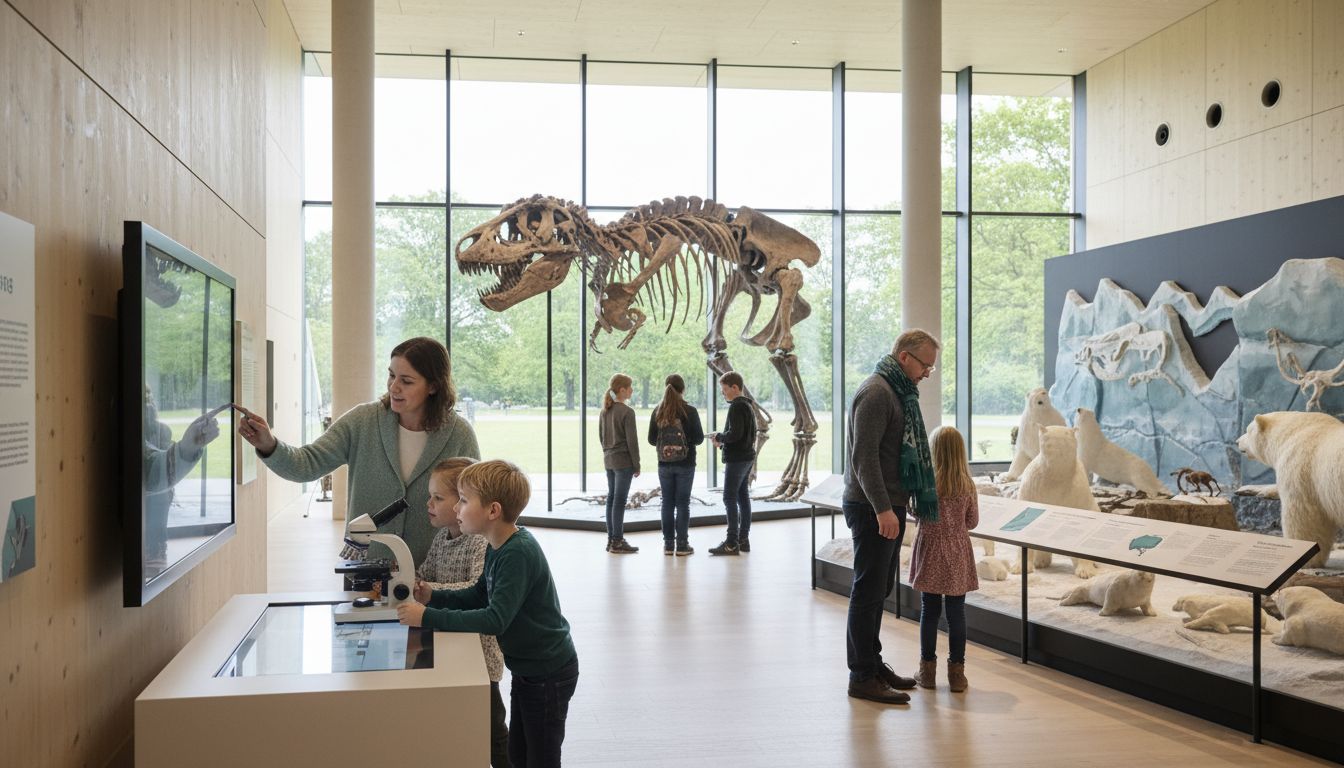 Guide to Danish museums can give you further insight into the many different types of museums and their unique characteristics.
The Different Types of Museums Explained
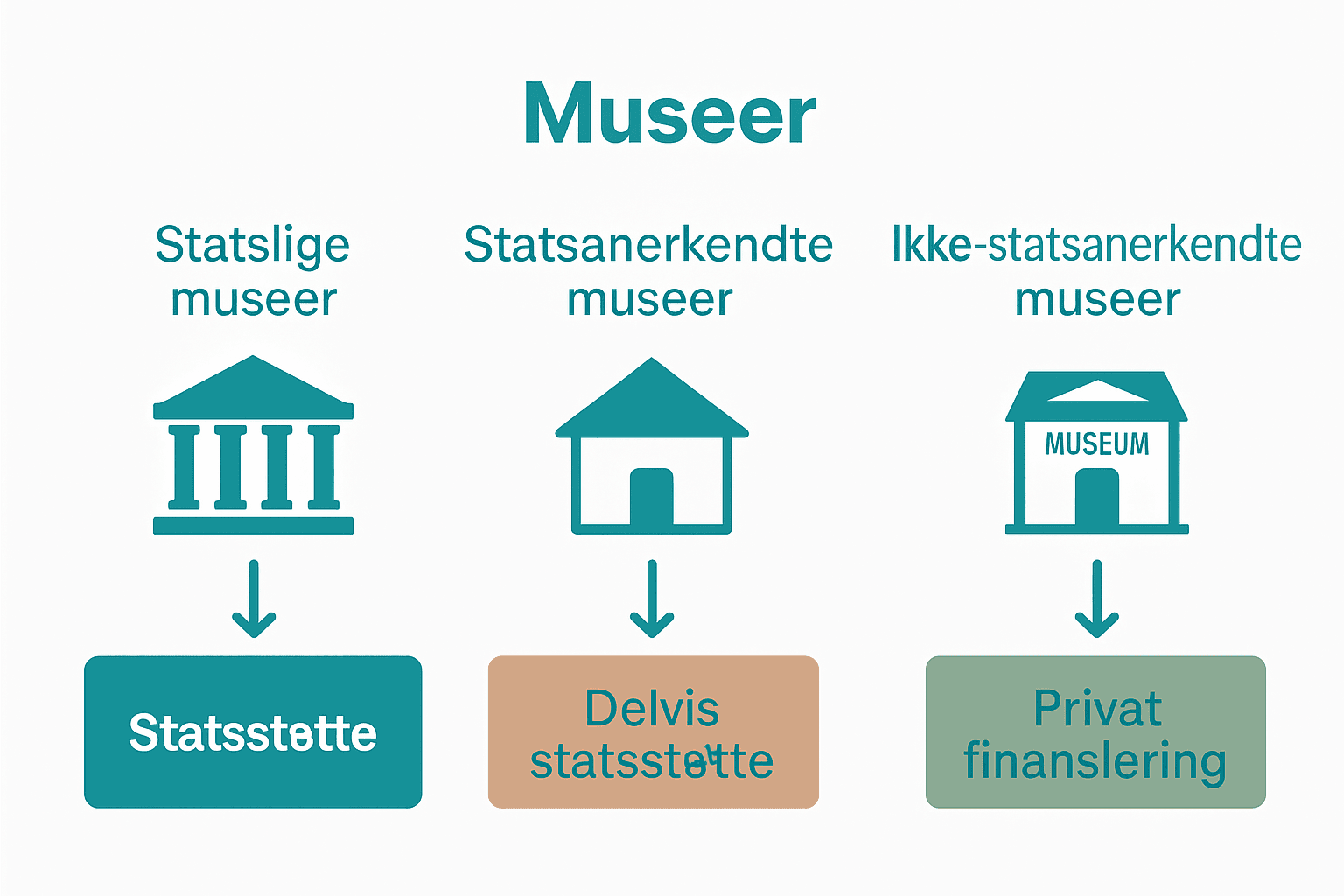
Lolland Falster Museum identifies three primary museum categories in Denmark: state museums, statistically recognized museums og non-state-recognized museumsThis classification creates a clear hierarchy and defines the roles and functions of the various institutions within the Danish museum system.
State museums are nationally funded institutions that typically focus on nationwide cultural-historical, artistic, or scientific collections. Statistically recognized museums Receives partial state support and often operates with a more regional or local perspective. Non-governmental museums, including private and association-owned museums, have more limited financial resources but still play an important role in preserving local cultural heritage.
The different types of museums can be further divided according to their specific focus areas. Some examples include:
- art museums
- Cultural and historical museums
- Natural History Museums
- Technical museums
- Local history museums
Guide to Danish museum experiences can help visitors understand the unique characteristics of each museum type and maximize their experience. Regardless of the category, Danish museums have a common goal: to communicate knowledge, preserve cultural heritage, and create educational experiences for the audience.
Cultural and Natural History Museums
Danish cultural and natural history museums represent a fascinating combination of scientific exploration and cultural storytelling. Fur Museum perfectly illustrates this complexity by combining natural history exhibits about the island's geology with an in-depth exploration of its social and cultural history.
Natural science museums typically focus on conveying knowledge about ecosystems, geological processes, wildlife, and environmental changes. They not only serve as exhibition venues but also as knowledge centers that educate the public about the complex relationships in nature and the importance of sustainability. Cultural-historical museums complement this approach by telling stories about people's lives, traditions, social structures, and technological development through different historical periods.
An excellent example of a museum that crosses the boundaries between design, art, and cultural history is Design Museum Denmark In Copenhagen. The museum not only showcases craftsmanship and design from Danish luminaries such as Arne Jacobsen but also demonstrates how design reflects social and cultural changes through international exhibitions.
Understanding of cultural experiences the key to fully appreciating these museums. Whether you are interested in the wonders of nature, human creativity, or historical stories, Danish cultural, historical, and natural science museums offer a unique opportunity to explore and understand our world from different perspectives.
Art Museums, Specialty Museums, and Niche Experiences
Louisiana Museum of Modern Art appears as an outstanding example of Denmark's international art scene. The museum attracts over 700,000 visitors annually and hosts 6 to 10 exhibitions spanning modern and contemporary art, including a permanent installation of Yayoi Kusama's remarkable work 'Gleaming Lights of the Souls'.
Northern Jutland hosts an impressive diversity of art museums. The top of Denmark especially highlights Vendsyssel Art Museum in Hjørring, which focuses on contemporary North Jutland art, and Skagen's Museum, which provides a unique insight into the lives and artistic universe of the Skagen painters. These special museums utilize the characteristic Nordic light to highlight the nuances and moods of the artworks.
Special museums and niche experiences in Denmark go far beyond traditional art museums. They include everything from maritime museums and technical museums to niche collections on specific historical periods, local crafts, or technological innovations. These museums offer highly specialized experiences that go beyond general exhibitions and allow visitors to delve into very specific topics and areas of interest.
Guide to Danish art museums can assist interested visitors in navigating through the diverse Danish museum offerings. Whether you are an art enthusiast, history buff, or simply curious about unique experiences, Denmark has a specialty museum that matches your interests.
Practical Tips for Museum Visits in Denmark
When you visit Danish museums, there are several practical details you should prepare for to maximize your experience. Tickets and opening hours It is crucial to check in advance. Many museums offer online ticket sales, which can save you time at the entrance and often also provide discounts.
Preparation is the key to a fantastic museum visit. Here are some important considerations:
- Check the museum's website for current exhibitions and special events
- Explore the possibilities for group discounts or student prices
- Be aware of free museum days or special opening hours
- Consider bringing headphones or using audio guides if they are offered.
Danish museums are generally very child-friendly and disability-friendly. Many offer special facilities such as wheelchair access, accessible toilets, and child-friendly exhibition areas. Checklist for Denmark trip can help you with additional practical preparations beyond the museum visit itself.
Remember to respect the museum's rules on photography, touching artworks, and noise levels. Many museums offer guided tours that can provide a deep insight into the exhibits. It is recommended to allocate plenty of time, bring comfortable shoes, and have an open and curious attitude towards the cultural experiences you will encounter.
Discover Denmark's Diverse Museums with Easy Planning
Finding your way around the many types of museums in Denmark can be a challenge if you want to get the most out of your visits. The article "Types of Museums in Denmark: Everything You Need to Know" describes the complex funding and the different categories of museums such as nationally recognized, specialized museums, and art museums, all offering unique experiences. Maybe you're dreaming of experiencing everything from cultural-historical stories to modernist art and scientific exhibitions, but it can seem overwhelming to plan a route that matches your specific interests and needs.
Hos Travel in Denmark We make it easy for you to navigate the rich museum landscape. Our user-friendly platform allows you to filter experiences by price, age, and season, so you can quickly find museums that suit you and your family. Pre-planned tours promote the joy of exploring and ensure that you do not miss important gems in both the capital region and the more local museums. Don't miss the chance to invest your time in experiences that truly enrich you now. Click on Travel in Denmark and start planning your next museum visit today.
Frequently Asked Questions
What is the difference between state museums and officially recognized museums?
Public museums are fully funded by the state and often focus on nationwide cultural, artistic, or scientific collections. Statistically recognized museums receive partial government support and typically have a more regional focus.
What types of museums are there in Denmark?
There are three primary types of museums in Denmark: state museums, officially recognized museums, and non-recognized museums. These can be further divided into categories such as art museums, cultural history museums, natural history museums, and technical museums.
How can I find out which exhibitions are showing at a museum?
The best thing is to check the museum's official website, where you can find information about current exhibitions, special events, and ticket prices.
Are Danish museums accessible for people with disabilities?
Yes, most Danish museums offer wheelchair accessible entry and special facilities such as accessible toilets.