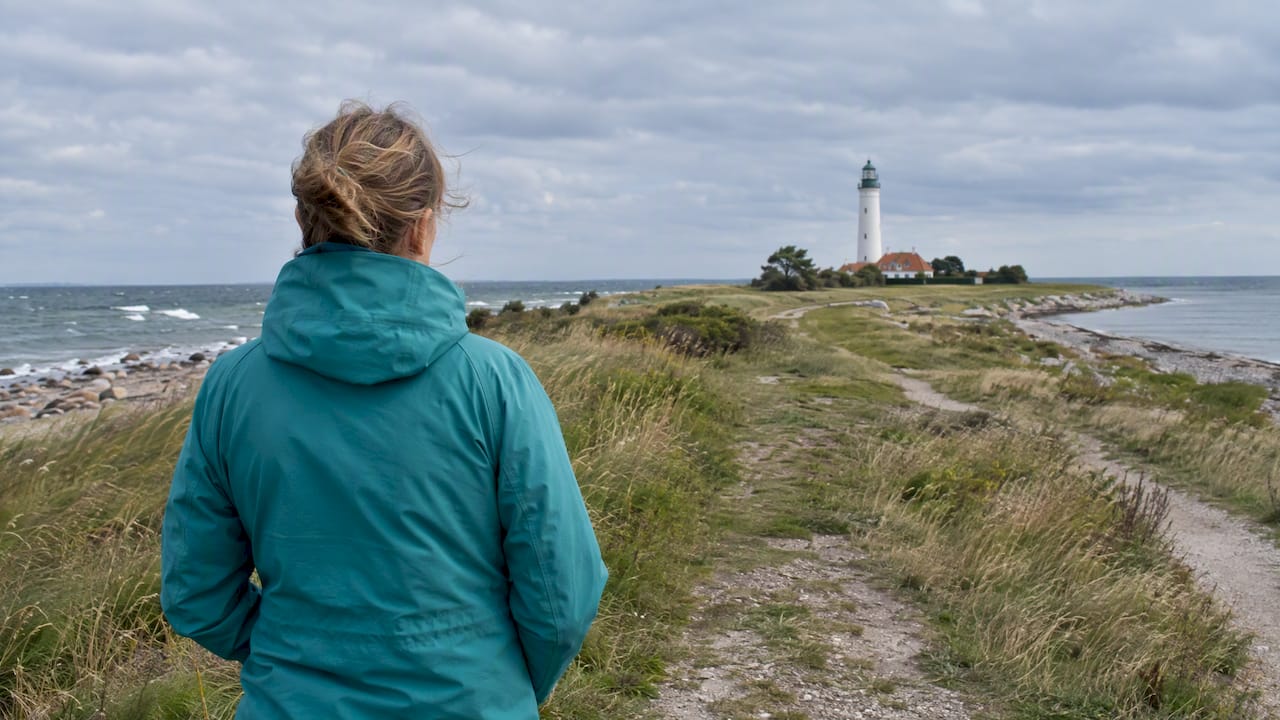
Denmark's southernmost point is Gedser Odde, and it is marked by the South Stone. The stone is located close to Gedser Lighthouse, and the site is around 54°33′32″N 11°58′10″E. Here is a short, practical guide to finding your way there, parking, and making the most of the nature and birdwatching experience.
What and where are Gedser Odde, the South Stone, and Gedser Lighthouse?
Gedser Odde is Falster and Denmark's southernmost point, and Wikipedia notes the coordinates as 54°33′32″N 11°58′10″E. Odden is a narrow peninsula that extends into the Baltic Sea, and it is located further south than the rest of the country.
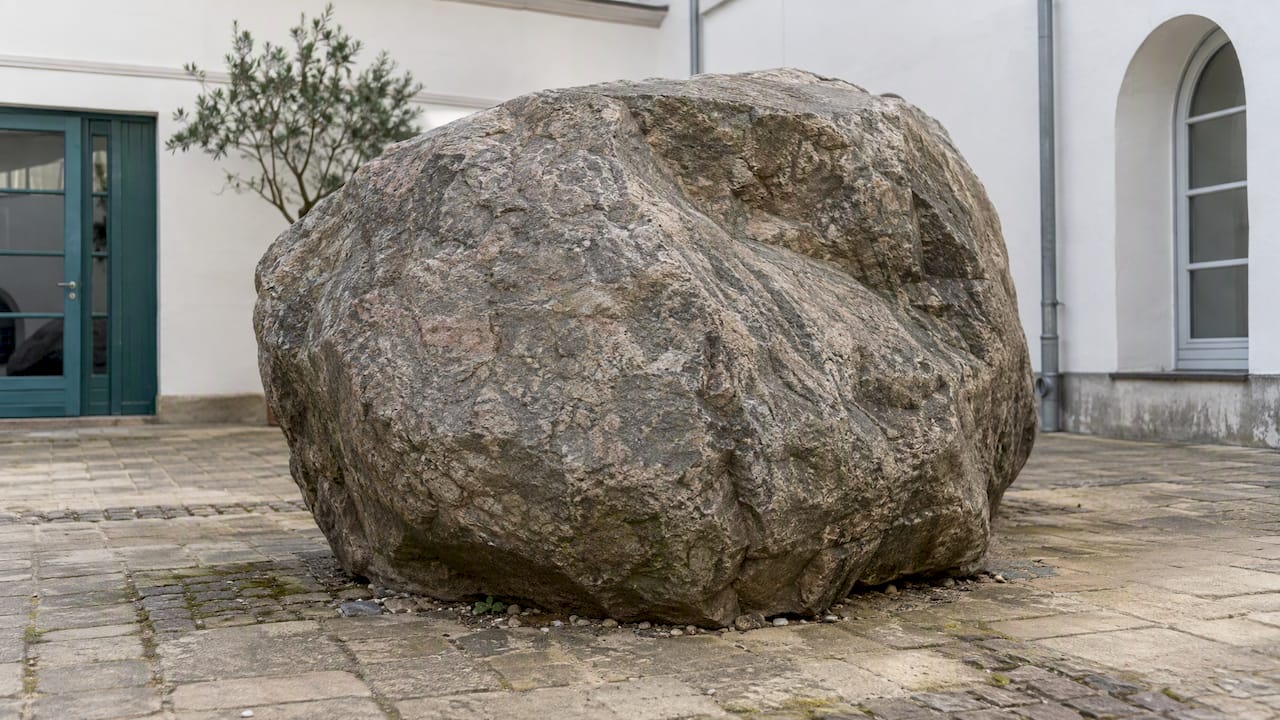
The point itself is marked by the South Stone. According to The Danish Environmental Protection Agency Weighing four tons, it is made of gneiss and is estimated to be about one billion years old. The stone is now in an atrium courtyard after a move in 2012.
Gedser Lighthouse is the easiest reference point when you need to find your way. By the lighthouse also lies Gedser Bird Station in the reconstructed lighthouse keeper's house, and DOF BirdLife It describes that there is a garden for resting small birds. The place is also geologically interesting: The Nature Agency explains that South Falster was formed by the ice about 12,000 years ago, and that a terminal moraine continues underwater as Gedser Reef.
How do you get to Gedser Odde?
The simplest solution is by car or bicycle, and the destination in the GPS is the parking lot at Gedser Lighthouse. According to The Bird Map Is this the most accessible address, and from there you walk about 300 meters along the paths towards the cliff, where the South Stone is located. There is no parking right at the actual point.
You need to get this sorted:
- Set the GPS to the parking lot at Gedser Lighthouse.
- Walk the last approximately 300 meters on foot along the marked trails.
- Stay on the paths so you don't wear down the exposed cliffs.
- If you come without a car, then check the route planner for bus and train to Gedser and possibly take it. The bike with the last part.
If you want to use your mobile for navigation and weather forecast on the spot, it is an advantage to have a data connection ready. Here is one Mobile Data Checklist, which can be useful if you are traveling with a foreign subscription. If you want to know more about buses and trains around the country, we have compiled a Guide to local transportation in Denmark.
What can you experience at the South Stone and on the island?
Gedser Odde is an important place for bird migration. The Nature Agency explains that the sea and land crossings intersect here, so the birds gather before crossing the Baltic Sea. That's why you can see many birds in the same place, even if you're not a birdwatcher at all.
It's worth noting:
- The cornerstone In the atrium garden, which marks the very southern point.
- Bird station by the lighthouse, where the migration counts take place, and where the garden attracts resting small birds.
- The beachwhere you might, with a little luck, find fossils and amber.
- Ledeblock, stones that the ice left behind, scattered along the coast.
- Internal pipes, showing how the sea cuts into the ancient glacial deposits.
Gedser Bird Station conducts standardized migration counts and publishes reports., including the autumn period from August 11 to December 20. The reports provide insight into the migration during the period they cover and which birds were recorded.
The experience depends a lot on the weather. Fagelkartan.se emphasizes that the nature experience at Gedser Odde is highly weather-dependent, so a windy day can present a completely different picture than a calm one.
When is the best time to visit Gedser Odde?
Spring and autumn are the best. According to fagelkartan.se, the most important periods for bird migration are from March to June and from August to November. The composition of the art clearly changes with both the season and the wind.
The wind is the big joker. The same place can produce many species in one day and very few on another, depending on which way the wind blows. The birds follow the wind and gather when the conditions force them close to the coast, and therefore a day with special wind conditions can produce large flocks and occasionally rare visitors, as described by Gedser Bird Station.
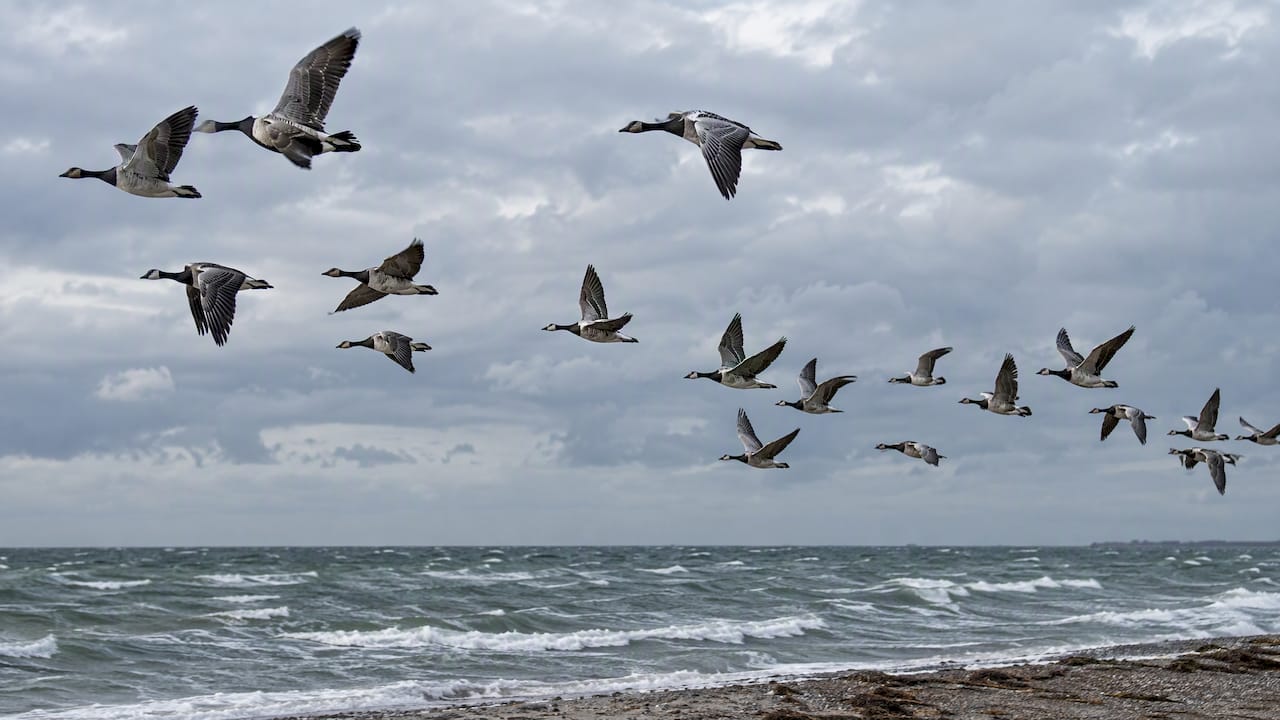
A good tip is to check the wind direction before you drive and look at the bird station's counts to see what is happening right now. If you prefer calm coastal walks over birdwatching, then quiet and clear days in spring and early autumn are also a delight.
Practical tips for the visit
The deck is open and exposed, so it is wind and the surface that determine whether the trip will be pleasant. Think about these things before you go out:
- Wear sturdy shoes, as the paths can be wet and uneven.
- Bring windproof clothing, even on days that seem mild in the car.
- Keep your distance from the cliff edge because the slopes are steep and may give way.
- Respect the birds' resting places and follow the signs and instructions at the bird station.
- Plan your parking at Gedser Lighthouse and expect the last meters to be on foot.
Professional tip: Take a thermos and some food with you. Facilities out on the island are few and far between, and a break with a view of the water makes the trip much better.
Feel free to combine your visit with other nature experiences in the area. In our Article about nature experiences in Denmark Are you looking for ideas for more coastal trips?
A tip: turn it into more than just a photo by the stone
Many take a picture of the South Stone and drive away. It's a shame. The place is truly good only when you take the time to go to the bird station and walk along the beach to look for amber and lead blocks. Even if you've never used binoculars, it's easy to get caught when the birds gather right in front of you.
Check the weather forecast and parking before you drive. The wind determines how much happens, and a trip against the wind with the wrong shoes is not fun. And remember, we are happy to help you with more routes and ideas.
— Tommy
This is how we help you plan the trip
We make it easy to turn Gedser Odde into a full-day trip instead of a short stop. Use our Guide to planning your trip to Denmark, then you will get control of the route, schedule, and the practical details that are often forgotten.
- Use the interactive map and filters to find attractions near Gedser.
- See you later experience archive for more ideas for trips and activities.
- Go our Checklist for Denmark trip Through, before you drive.
Start with the guide, and you'll have a complete plan before you get in the car.
Frequently Asked Questions
What is Denmark's southernmost point?
Denmark's southernmost point is Gedser Odde on Falster. The place is marked by the South Stone, and Wikipedia notes the coordinates as 54°33′32″N 11°58′10″E.
Can one park at the South Stone?
No, there is no parking right at the point itself. You park by Gedser Lighthouse and walk the last approximately 300 meters along the paths.
When is the best time to visit Gedser Odde?
Spring and fall are the best because the bird migration is the greatest then. Also check the wind direction, as it affects which species you can see.
What is the South Stone made of?
The cornerstone is made of gneiss and weighs four tons. It is described as being about one billion years old and is now located in an atrium courtyard, according to the Danish Nature Agency.
Sources
- Experiences – Danish Nature Agency
- Gedser Odde – Wikipedia, the free encyclopedia
- The Bird Map
- The walk at Gedser Odde 2003-17