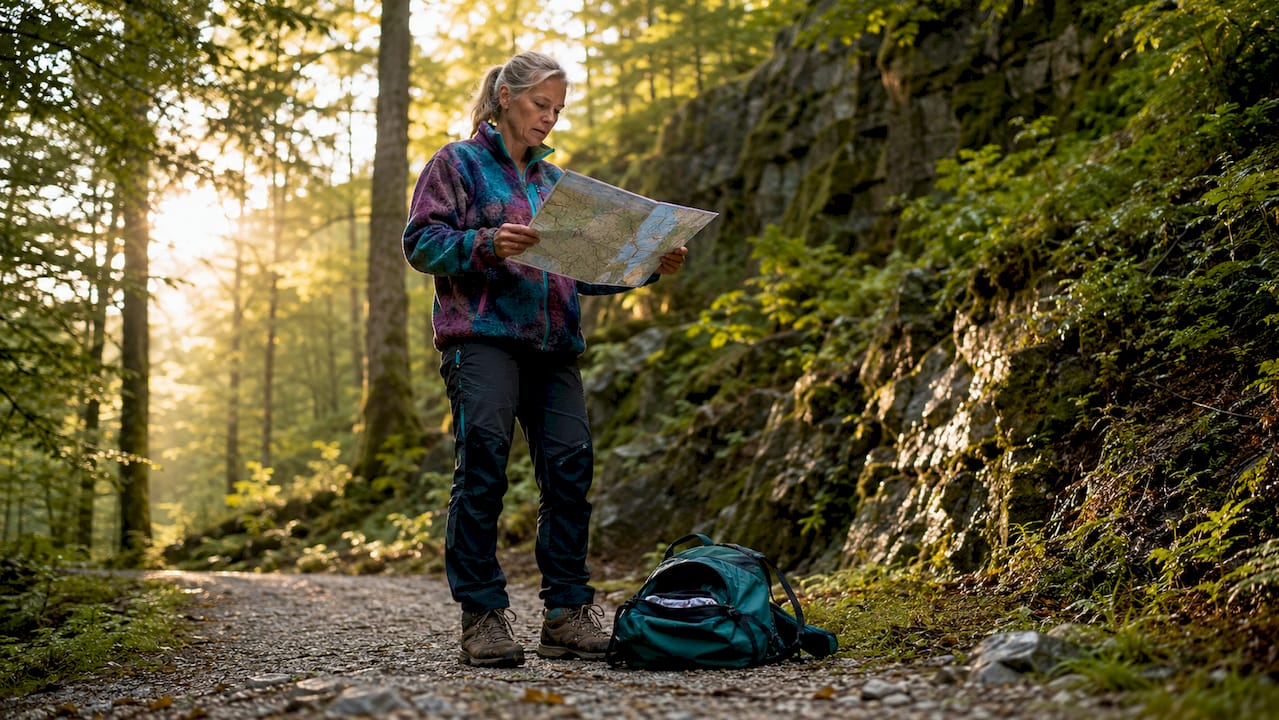
TL;DR:
- Denmark has over 11,000 km of marked hiking trails, offering diverse landscapes and cultural history.
- The best routes combine coast, forest, and facilities, making them accessible to all levels and interests.
Denmark is one of Europe's best hiking destinations, and examples of hiking trails such as the Archipelago Trail, the Gendarmerie Trail, and the Camønoen clearly show why. The country offers over 11,000 km of marked trails that lead you through coastal landscapes, beech forests, chalk cliffs, and historic border regions. Whether you're looking for a multi-day trip with overnight stays in shelters or a short weekend trip along the coast, you'll find a route that suits your level and your wishes. Rejsidanmark has gathered the best examples here.
What makes a hiking trail in Denmark a good example?
A good Danish hiking trail is defined by four things: variation in terrain, clear marking, access to accommodation, and an experience that offers more than just exercise.
The best routes combine at least two of these landscape types:
- coastal stretches with a view of the sea, fjord, or archipelago
- Forest and hills with changing vegetation and shelter
- Cultural-historical elements ancient relics, border history or fishing villages
- Facilities on the way some shelters, campsites, farm shops, and eateries
Stage length and difficulty also play a crucial role. Many routes It is designed with flexibility in mind, so you can choose one stage over a weekend or complete the entire route over several weeks. It makes them accessible to both beginners and experienced hikers.
Accessibility is not just about physical ability. It also concerns being able to reach the starting point by public transport, having parking available, and being able to book accommodation close to the route. Local actors contributes with farm shops, eateries, and accommodations, making planning significantly easier and the experience more authentic.
Professional tip: Always choose a route marked officially by the Outdoor Council or a local tourist organization. It ensures that paths are maintained and that map material is up to date.
1. Øhavsstien: Denmark's longest coastal hike
The Archipelago Trail is 220 km long and usually takes over 10 to 12 days. It makes it one of Denmark's absolutely longest and most popular hiking routes. The route runs through the South Funen Archipelago and connects Svendborg with Faaborg via ferry crossings to the islands of Drejø, Skarø, and Avernakø.
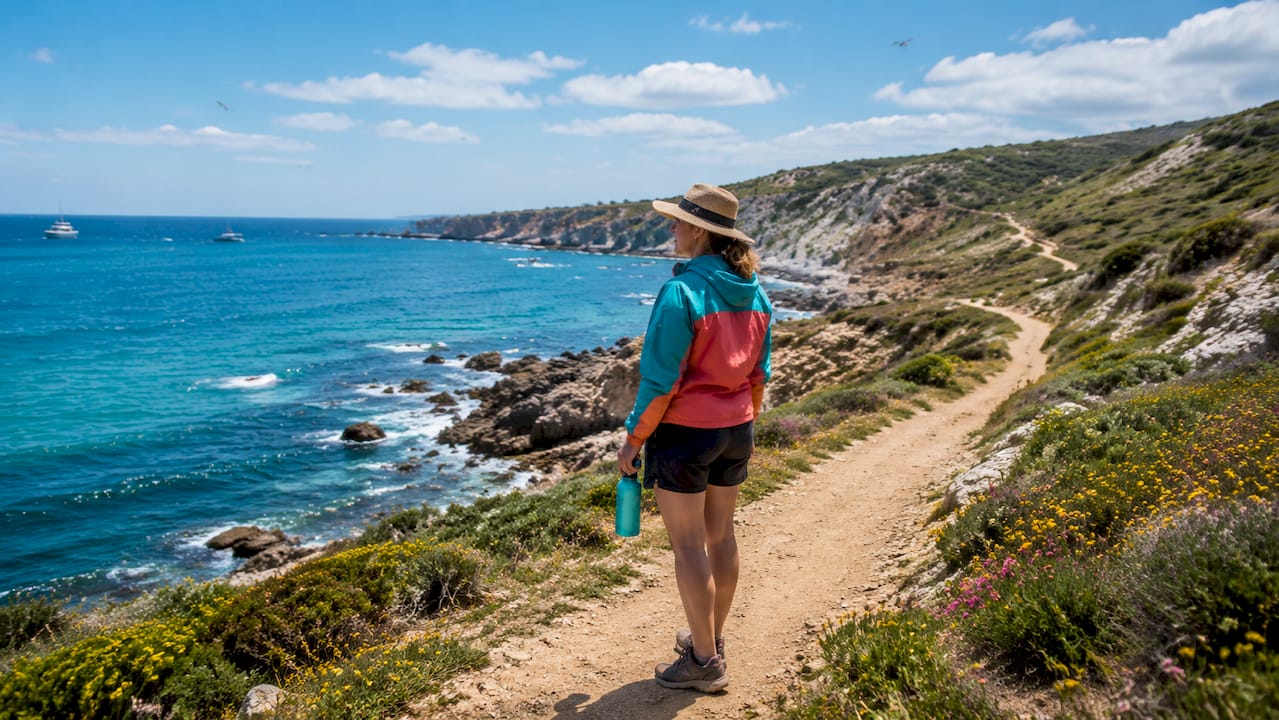
The uniqueness of the Archipelago Trail lies in the combination of coastline, island hopping, and local cultural life. You have breakfast on a farm, take a ferry to an island with 50 residents, and sleep in a shelter overlooking the water. The trail is marked with orange poles and is suitable for hikers with moderate experience. The terrain is mostly flat to slightly hilly, but the daily stages of 15 to 22 km require good fitness.
2. Gendarmstien: History and coastal nature at the border
Gendarmstien is 84 km long and divided into 5 stages of 15 to 22 km. It is certified as one of Europe's leading quality hiking trails, reflecting the trail's high standards for marking, facilities, and natural experience.
The border follows the old boundary between Denmark and Germany along the Flensburg Fjord and Kruså River. Historically, border guards patrolled this stretch after 1864, and that story is woven into the route through signs, memorials, and local museums. The terrain alternates between coastal cliffs, dense forest, and open meadows. Gendarmstien is one of the strongest examples of how hiking and cultural history can go hand in hand.
3. Camønoen: Chalk Cliffs and Starry Sky on Møn
The Camønoen is 175 km long and divided into 10 stages starting from Østmøn. The route is known for Møns Klint, Denmark's most dramatic coastline formation, but also offers beech forests, villages, and fields with poppies in the summer.
The Camønoen can be walked in selected stages, so you can focus on the most scenic sections without completing the entire route. It is an advantage for hikers with limited time or those who want to repeat the best parts. An extra dimension is that Møn is a Dark Sky area with one of Denmark's darkest night skies. Staying in a shelter or tent offers a one-night experience that is hard to find elsewhere in the country.
Professional tip: Combine the Camønoen with a visit to the GeoCenter Møns Klint to understand how the chalk cliffs were formed 70 million years ago. It gives the hike an extra layer of meaning.
4. West Coast Trail: Raw and windblown from Skagen to Blåvand
The West Coast Path runs along the west coast of Jutland from Skagen in the north to Blåvand in the south and covers over 500 km. It is one of Denmark's most rugged and atmospheric routes, characterized by dunes, beach meadows, and the open weather of the North Sea.
The rut is not for beginners. Sand and loose terrain make it physically demanding, and the distances between accommodations can be long. On the other hand, the reward is unmatched: sunsets over the North Sea, seals on sandbanks, and fishing villages like Thyborøn and Hvide Sande that still live off the sea. The West Coast Trail is one of the best examples of hiking experiences in naturethat gets stuck in the memory.
5. Skjoldung Stone: The Kings' Route in Lejre
The Skjoldung stone is 55 km long and takes you through the Lejre area west of Roskilde. The Ruten passes ancient mounds, Viking castles, and the beech forests that inspired H.C. Andersen. It is divided into 4 stages and can be completed over a long weekend.
The route is particularly suitable for Hiking with childrenbecause the stages are shorter and the terrain is manageable. The history presentation along the way is strong, and Lejre Museum offers activities for the whole family. The Skjoldung Stone is a good example of a route that combines nature with cultural history in a way that engages all age groups.
6. Højlyngsstien: The heath and silence in Central Jutland
Højlyngsstien is 97 km long and crosses the heathlands of Central Jutland from Herning to Silkeborg. The route is divided into 6 stages and takes you through heaths, plantations, and lakes in the Silkeborg area, including Denmark's highest point, Himmelbjerget.
Today, the lilac blooms in August and September, and it is the best time to walk Højlyngsstien. The trail is relatively flat and technically uncomplicated, but the open stretches can be windy. Accommodation options include campsites and shelters by the lakes. Højlyngsstien is an obvious choice for hikers seeking tranquility and vastness rather than dramatic coastal scenery.
7. Kongeå Path: Border History Along the River
Kongeåstien is 71 km long with 10 stages and follows the Kongeå from Jutland to the Wadden Sea. The river formed the border between Denmark and Prussia from 1864 to 1920, and that history is visible in the landscape through memorials, border bridges, and local museums.
The rut combines Åland landscape, marshes, and meadow areas with cultural-historical stories about one of Denmark's most painful periods. The stages are short and accessible, making the Kingåstien a good introductory route for those who have never tried multi-day hiking. The Wadden Sea at the end point of the route is a UNESCO World Heritage site and a natural experience in itself.
8. Blue Walk: Coastal Cliffs and Marshes on West Zealand
Blue Walk is approximately. 22 to 27 km and runs along the coast of West Zealand with a view of the Great Belt. The route is shorter than the major multi-day trips and can be completed in one day by a brisk hiker or spread over a weekend.
The area offers coastal cliffs, salt marshes, and passage through private land, where you must respect ferry crossings and swing gates. For routes like Blue Walk, rubber boots or waterproof boots are recommended due to sand, stones, and water crossings. The trail is a good example that short routes can certainly offer varied and memorable nature experiences. See also Rejsidanmark's guide to Weekend trip in Denmark for inspiration for overnight stays along the way.
9. Røsnæs Rundt: The peninsula's dramatic coastline
Røsnæs Rundt is approximately 23 to 25 km and surrounds Røsnæs Peninsula west of Kalundborg. The peninsula is one of Zealand's most prominent natural formations with steep coastal cliffs, heathlands, and views of the Great Belt and Samsø.
The route can be completed in one day and requires no special experience. The overgrown areas at Røsnæs are protected natural habitats with rare orchids and butterflies, and this gives the hike a botanical dimension that many do not expect. Røsnæs Rundt is a perfect example of a day trip that offers a great nature experience without much logistics.
10. Hærvejen: Denmark's oldest hiking trail
The Hærvejen is approximately. 500 km long and runs from Viborg to the Danish-German border along Jutland's backbone. The route follows the ancient road used by Vikings, pilgrims, and cattle for thousands of years.
The Hærvejen is divided into many stages and can be walked in its entirety over 3 to 4 weeks or in shorter sections. The terrain varies from heathland and hilly moraine landscapes to river valleys and forested areas. The trail is marked with Iron Age symbols and is one of the most historically rich hikes in Denmark. For those who want to combine hiking with Danish cultural history at the highest level, Hærvejen is the obvious choice.
Comparison of routes: Overview of distance and elevation
Here is a quick overview of the ten routes so you can choose the right one based on your preferences and your level:
| Route | Jarak | Stages | Difficulty level | Best season |
|---|---|---|---|---|
| Øhavs Trail | 220 km | 10-12 | Moderate | May until October |
| Gendarmstien | 84 km | 5 | Let to moderate | April to October |
| Camønoen | 175 km | 10 | Moderate | May to September |
| West Coast Trail | Over 500 km | Eat | Demanding | June to August |
| Skjoldung Stone | 55 km | 4 | Let | All year round |
| Højlyng Path | 97 km | 6 | Let to moderate | August to September |
| King's Path | 71 km | 10 | Let | Spring and Autumn |
| Blue Walk | 22-27 km | 1-2 | Let | All year round |
| Røsnæs Around | 23-25 km | 1 | Let | All year round |
| The Army Road | approximately 500 km | Eat | Moderate | May to September |
Professional tip: Route planning is key for many hikers, especially those who do not want long multi-day trips. Flexible step-by-step planning allows you to customize the trip to your time and ability without compromising the experience.
Practical tips for your hiking trip in Denmark
Planning a hike requires more than just choosing a route. Here are the most important things to keep track of:
- Plan the stages realistically. An average hiker covers 15 to 20 km a day with a full backpack. Start lower than you think you can, and adjust along the way.
- Check the weather forecast. Danish weather changes quickly, and even a summer day can bring rain and wind. Always carry a raincoat and an extra layer of clothing.
- Book accommodation well in advance. Shelters on popular routes such as Camønoen and Øhavsstien are free but can be booked weeks in advance during the high season. Camping sites and B&Bs along the routes require reservations.
- Wear proper footwear. Hiking boots with ankle support are standard on hilly terrain. On flat coastlines and marshes, waterproof boots or rubber boots are recommended.
- Respect nature and private areas. Many routes cross private land. Follow the markings, close the gate valves behind you, and refrain from walking outside the trail on protected natural areas.
- Download offline card. Mobile signal is not guaranteed in all areas. Apps like Komoot or Maps.me Gives you access to offline routes.
- Tell someone where you are going. This is especially true on long solo trips. Share your route plan with family or friends so they know when to expect to hear from you.
What I have learned from walking the Danish routes
I have hiked large parts of both Gendarmstien and Camønoen, and the honest conclusion is this: most hikers underestimate how much the mental aspect plays a role. The first day is always the hardest, not because the terrain is the toughest, but because the body and mind have not yet settled down.
What surprised me the most on the Gendarmstien was not the nature. It was the small villages along the fjord, where locals still talk about the border as something present. The historical dimension gives the walk a weight that no guidebook can fully prepare you for.
On Camønoen, it is the starry sky at night that is stuck. Møn as a Dark Sky area is not just a marketing trick. It's a real experience to lie in a shelter and watch the Milky Way. I always recommend planning at least one overnight stay outdoors, even if you otherwise prefer B&B.
My recommendation for you, who are new to hiking in Denmark: start with the Skjoldungestien or the Kongeåstien. They are short enough for you to return home the same weekend, but long enough to give you a real sense of what multi-day hiking entails. Once you've tasted it, you'll quickly realize which of the major routes is calling to you.
— Tommy
Plan your hike with Rejsidanmark
Rejsidanmark gathers the best from Danish hiking trails and makes it easy to plan your next trip. Whether you're looking for a short day trip or a multi-day trip with overnight stays in shelters, you'll find inspiration and practical advice on the platform. Bridge Rejsidanmark's guide to Denmark as a basis for your planning. It covers everything from transportation and accommodation to the best nature experiences in each region. You can also use The checklist for day trips to ensure that you have everything under control before you leave. Have a good trip.
FAQ
What are the most popular hiking trails in Denmark?
The Øhav Trail at 220 km, the Gendarm Trail at 84 km, and the Camønoen at 175 km are among Denmark's most visited hiking routes. They offer varied landscapes, good signage, and accommodation options along the way.
Which routes are suitable for beginners?
The Skjoldungestien at 55 km and the Kongeåstien at 71 km are both suitable for beginners, as the stages are short and the terrain is manageable. Blue Walk and Røsnæs Rundt are good choices for a one-day trip.
When is the best time to hike in Denmark?
May to September is generally the best period for hiking in Denmark, as the weather is mildest and the daylight is longest. Autumn offers beautiful colors and fewer people on the trails, but requires good rain gear.
Can you hike with children on the Danish trails?
Yes, routes like Skjoldungestien and Kongeåstien are suitable for family hike, because the stages are short and the terrain is easy. Choose stages of 8 to 12 km for families with younger children.
Should one book accommodation in advance?
On popular routes like Camønoen and Øhavsstien, you should book shelters and campsites well in advance, especially in July and August. Many shelters are free but have limited capacity and can be reserved online.
Recommendation
- 7 inspiring examples of nature experiences in Denmark – Travel in Denmark
- 7 inspiring experience routes in Denmark for all travelers – Travel in Denmark
- Make the most of your city walk: Practical guide and inspiration – Travel in Denmark
- 10 Attractions for Adventure Seekers in Denmark – Travel in Denmark