In short:
- The west coast of Denmark is known for its dynamic landscape, where tides, wind, and the variation of the coastline create unique natural experiences. The Wadden Sea, the world's largest tidal area and a UNESCO World Heritage Site since 2009, is an important habitat for millions of migratory birds and marine mammals. Stores cultural and natural offerings, such as guided walks and family-friendly activities, attract visitors year-round.
Denmark's west coast is defined by the interplay of the tide, the westerly wind, and a coastline that never looks the same two days in a row. Here you will find the Wadden Sea, which is the world's largest tidal area UNESCO World Heritage Site since 2009, side by side with vibrant coastal towns like Esbjerg and Søndervig. The West Coast is not just a place to relax. There is a place where nature sets the agenda, and you adapt. The combination of raw nature, maritime cities, and concrete activity options is exactly the reason why travelers keep returning year after year.
Why experience the west coast: the Wadden Sea as nature's foundation
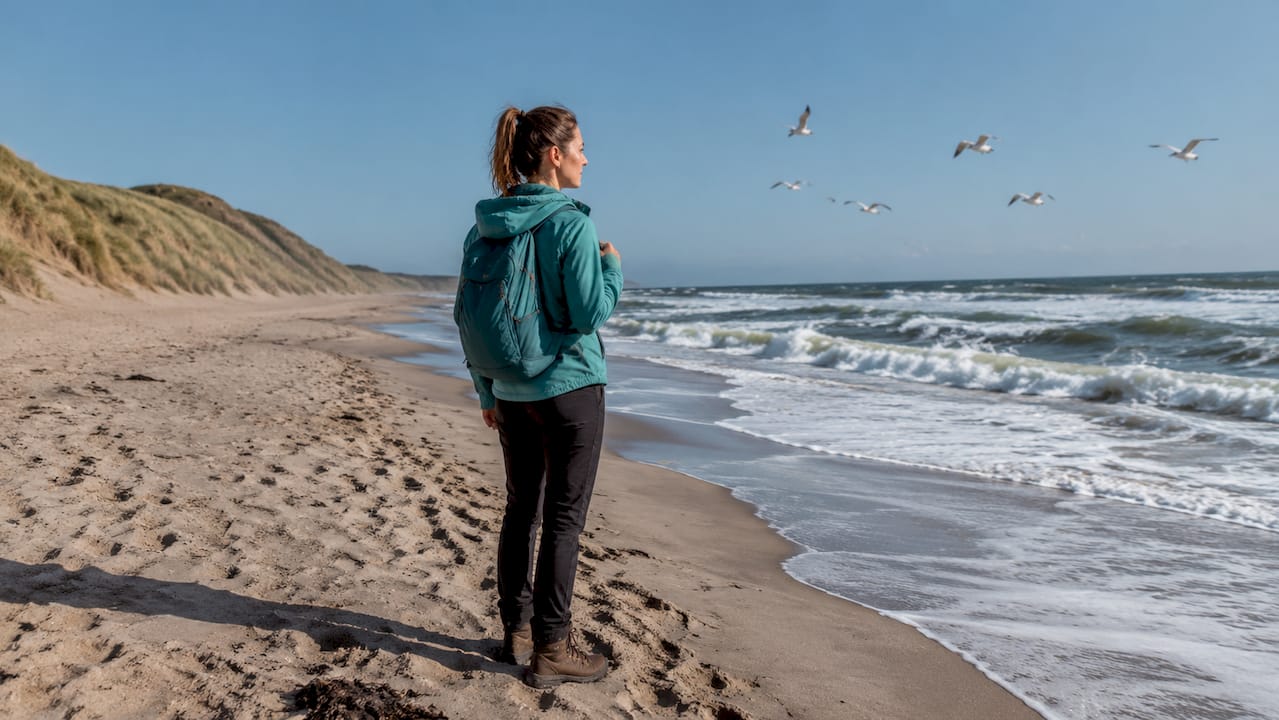
The Wadden Sea is not just a beautiful landscape. It is one of the most biologically active natural areas on the planet, and that is why UNESCO designated it as a World Heritage Site in 2009. The Wadden Sea is the world's largest continuous tidal area and stretches along the coasts of Denmark, Germany, and the Netherlands. That status is not symbolic. It reflects that this area is an irreplaceable habitat for millions of migratory birds and marine mammals.
The rhythm of the tide controls everything here. When the water recedes, vast areas of mud and sand are exposed, serving as a common dining table for wading birds such as redshanks, oystercatchers, and Icelandic tattlers. These birds stop in the Wadden Sea during migration between the Arctic and West Africa. It makes the Wadden Sea a global hub, not just a Danish natural gem.
Every year, Wadden Sea Day is celebrated with joint activities along the coast. The 2026 starter event is on the 27th. June at 8:30 with a communal breakfast on the dyke and guided tours distributed across 37 locations in Denmark, Germany, and the Netherlands. It is a concrete way to get close to nature with local guidance.
Key facts about the Wadden Sea:
- UNESCO World Heritage Site since 2009
- The world's largest contiguous tidal area
- Millions of migratory birds pass by every year
- Joint nature education across three countries
- The tide changes twice a day and constantly shapes the landscape.
Professional tip: The tide in the Wadden Sea is time-dependent. Book a guided kayak tour with a local nature guide so you are on the water at the right time and avoid being surprised by the rising water.
What makes Søndervig a destination you return to?
Søndervig is one of the best examples of, Why returning guests chooses the west coast over more exotic destinations. The city combines the relaxed atmosphere of a classic beach holiday with an activity level that keeps the whole family engaged. It's not a coincidence. There is a conscious strength in the place.
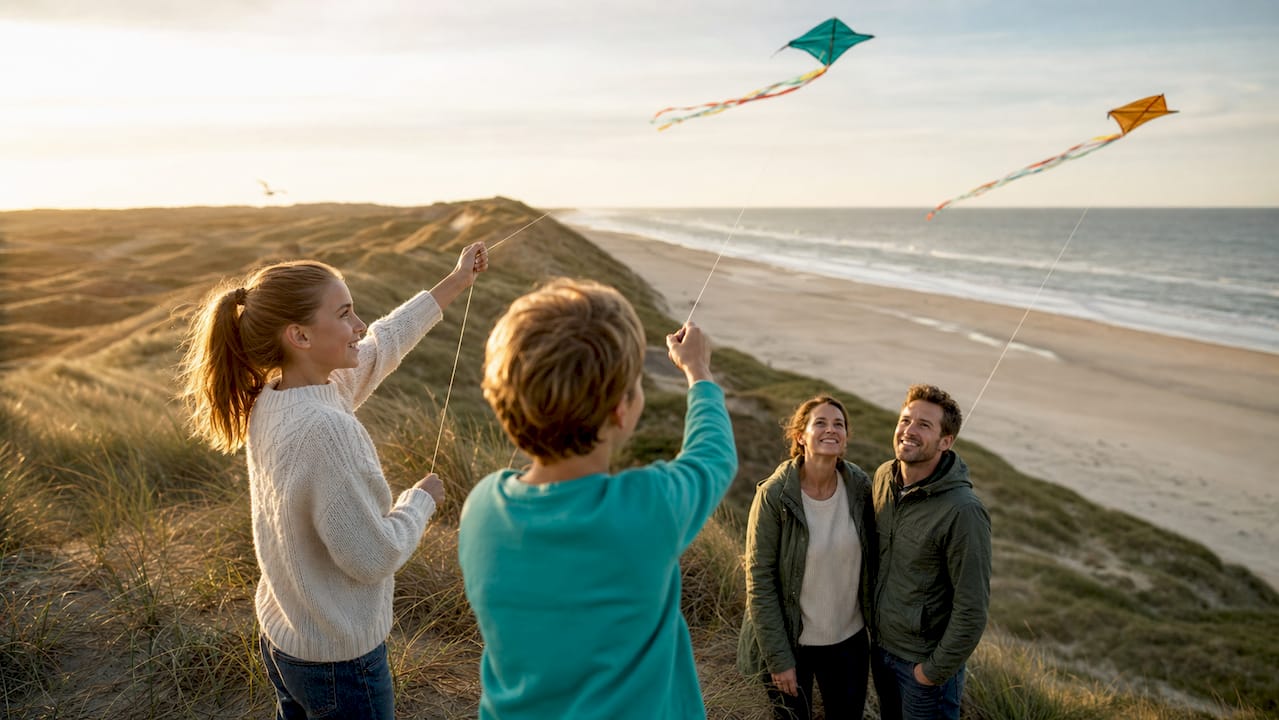
The beach at Søndervig is wide and open, and the wind from the North Sea provides optimal conditions for kite flying, surfing, and long beach walks. At the same time, you will find golf courses, water parks, and the famous sand sculpture festival within a short distance. Søndervig offers activities for children and adults all year round, from shopping and cafes to nature-based experiences close to the summer house.
The hunting season is underrated here. In autumn and winter, the beach is almost empty, the light is dramatic, and accommodation prices drop significantly. Many experienced West Coast guests actually prefer a November weekend in Søndervig over a week in July. The silence and the harsh weather are an experience in themselves.
What you find in Søndervig:
- Wide sandy beach with good conditions for water sports
- Sand sculpture festival in summer
- Beach and golf nearby
- Restaurants and cafes with local ingredients
- Family-friendly events and activities all year round
Professional tip: Combine a visit to Søndervig with a trip to Ringkøbing Fjord, which is just behind the dunes. The fjord is protected and suitable for kayaking and birdwatching, even when the North Sea is too rough for swimming.
Rejsidanmark recommends combining active holiday on the west coast With peaceful days by the fjord to get the full experience of the area.
How do wind and weather affect the experience of the west coast?
The West Coast is not a place you control. There is a place that controls you. This insight is central to understanding what makes the coast so fascinating and sometimes challenging. The wind here is not just weather. It is an active participant in shaping the coastal landscape.
Winter 2026 clearly demonstrated this. East wind blew 37% of the time In January and February towards a normal level of 8%. It is the strongest east wind period since 1972. The result was extra sand and stones in east-facing harbors along the entire coast, and the coastal landscape changed visibly within a few weeks.
The nature of the west coast is alive and changing, and part of the charm is that the experience varies with the weather and the season.
In practice, it means that you never experience the same west coast twice. A stormy day in October brings dramatic waves and an almost empty beach. A quiet July day offers swimming temperatures and sunsets that draw hundreds of people to the water's edge. Both experiences are authentic and worth seeking.
Changing wind directions are central to understanding the coast's dynamics. The offshore wind pushes water towards the coast and creates high waves. East wind brings calm water on the west side and can expose sandbanks that are normally underwater. Both scenarios create unique opportunities for the attentive visitor.
Professional tip: Check DMI's weather forecast and wind direction before planning activities. The offshore wind is best for surfing and wave observation. East wind provides calmer conditions and is ideal for mudflat hiking in the Wadden Sea or kayaking on the fjord.
Road trip from Blåvand to Skagen: what should you see?
A road trip along the west coast from Blåvand to Skagen is one of the most varied car journeys you can take in Denmark. The route covers approximately 450 km and is recommended to be completed over 5–7 days with approximately 6–7 hours of driving. That time is not to be spared. The coast rewards those who stop.
Ruten combines dramatic nature, historic lighthouses, lively harbor towns, and tranquil dune landscapes. Cities like Esbjerg Combines modern culture and harbor life with direct access to the natural gems of the Wadden Sea. Further north, you will find Thyborøn, Hanstholm, and Hirtshals, each with their own maritime stories and local food cultures.
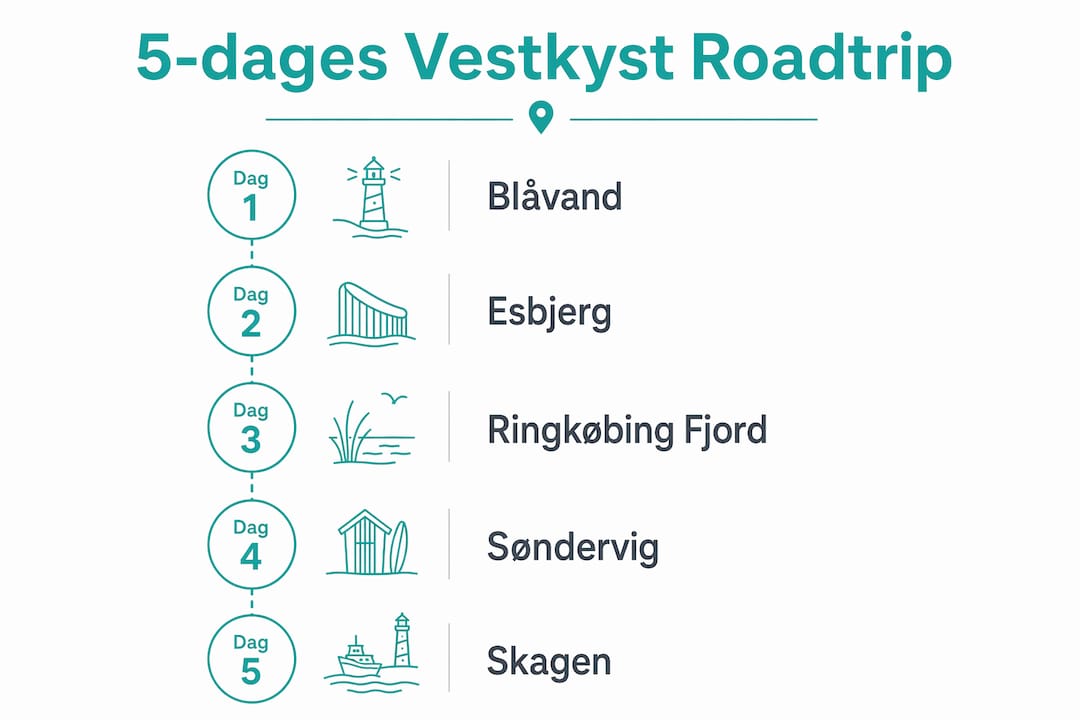
Recommended daily schedule for 5 days
| Day | Destination | Experience |
|---|---|---|
| 1 | Blåvand | The lighthouse, Denmark's westernmost point, beach |
| 2 | Esbjerg and the Wadden Sea | Wading, Wadden Sea Center, harbor life |
| 3 | Søndervig and Ringkøbing | Sand sculptures, fjord, city center |
| 4 | Hanstholm and Thy | Bunker Museum, Thy National Park, dunes |
| 5 | Skagen | Råbjerg Mile, Grenen, Skagen's Museum |
Plan with flexible timeframes. Road trips along the west coast Should not be driven after a tight schedule because the best experiences happen spontaneously. An unexpected sunset over the North Sea, a local fisherman selling freshly smoked mackerel from his car, or a sudden storm transforming the beach into a natural spectacle.
Practical tips for the trip
Don't drive on the highway when you can take the coastal road. Route 181 along the Jutland west coast offers views of dunes and the sea that the motorway can never match. Book accommodation well in advance during the summer, especially in Søndervig and Skagen, which are popular destinations. Bring waterproof clothes and good hiking shoes. The weather changes quickly, and the best trips often take place in light rain or wind.
Rejsidanmark has collected a Step-by-step guide to a road trip In Denmark, which helps you structure the trip without losing the spontaneous experience along the way.
What I have learned about the west coast after many visits
I have visited the west coast in all seasons and in all kinds of weather. The one insight I always return to is this: most visitors underestimate what it takes to truly experience the coast. They arrive with a plan to relax and discover that nature requires active participation.
It's not a criticism. It is an invitation. The Wadden Sea is not beautiful from the parking lot. It's beautiful when you're out on the mudflat with mud up to your knees and see a flock of knortegæs taking off in a single coordinated movement. Søndervig is not just a beach. There is a place where you can spend a whole day doing nothing and still feel like you've experienced something.
The balance between activity and relaxation is what sets the west coast apart from other Danish holiday destinations. You can surf in the morning, eat fresh fish for lunch, and take a long walk in the dunes in the afternoon. Or you can sit with a cup of coffee and watch the sea for three hours. Both choices are correct.
My best advice is to plan with the rhythms of nature, not against them. Check the tide tables before you go to the Wadden Sea. Look at the wind direction before choosing a beach. Let the weather decide the program for the day, and you will discover that the west coast always has something to offer. There is no place that disappoints. It's a place that surprises.
Do you want to combine the West Coast experience with holidays by lakes and fjords, it gives an even broader understanding of what Danish nature can offer.
— Tommy
Plan your West Coast holiday with Rejsidanmark
Rejsidanmark gathers the best guides, tips, and practical advice for your holiday along Denmark's west coast. Whether you are a first-time guest or an experienced West Coast traveler, you will find practical help to plan your trip correctly. Start with The complete guide to Denmark for an overall overview of attractions, transportation, and accommodation. If you need a structured checklist for your trip, you can find it in Rejsidanmark. Checklist for Denmark tripGood planning is the difference between a good holiday and a really good holiday.
Frequently Asked Questions
What is the UNESCO status of the Wadden Sea?
The Wadden Sea was designated as a UNESCO World Heritage Site in 2009. It is the world's largest contiguous tidal area and is shared by Denmark, Germany, and the Netherlands.
When is the best time to visit the west coast?
Summer offers swimming and events like the sand sculpture festival in Søndervig. Autumn and winter bring dramatic weather, empty beaches, and lower accommodation prices.
What can you do on the west coast with children?
Søndervig offers water parks, golf, and family-friendly events. The Wadden Sea offers guided mudflat walks, and Blåvand has Denmark's westernmost lighthouse as a popular excursion destination for all ages.
How long does a road trip from Blåvand to Skagen take?
The door covers approximately 450 km is recommended to be completed over 5–7 days. The actual driving time is approximately. 6–7 hours, but stop options along the way make the trip much longer in practice.
What should you pack for a trip to the west coast?
Bring waterproof outerwear, good hiking shoes, and layer up. The weather changes quickly, and the best experiences often happen outdoors in wind or light rain.