TL;DR:
- A guided museum tour provides in-depth stories and a better understanding than self-guided visits.
- There are themed, family-friendly, and private guided tours tailored to interests and age.
- Planning, time, and booking are crucial for a successful and memorable museum experience.
Most tourists walk into a Danish museum, look around for an hour, and leave the place with a vague feeling of having seen something interesting. But what did they actually miss? A museum tour is not just a visit with a guide beside you. It's a completely different experience that provides you with context, stories, and insights you would never find on your own. In this guide, you will learn what a museum tour actually is, how it works in practice, what options are available for families, and how to plan your next cultural experience in Denmark without making the classic mistakes.
Main Points
| Point | Details |
|---|---|
| Museum tour defined | A museum tour is a guided experience where you gain insights and stories that you wouldn't get on your own. |
| Special benefits for families | Family-seasoned museum tours make learning fun and engaging for both children and adults. |
| Better planning provides a better experience | With a little preparation, you can fully utilize the opportunities of the museum tour and avoid classic mistakes. |
| Guided tours enrich the visit | A guide can significantly enhance your museum experience with new perspectives and detailed explanations. |
What does museum tour mean?
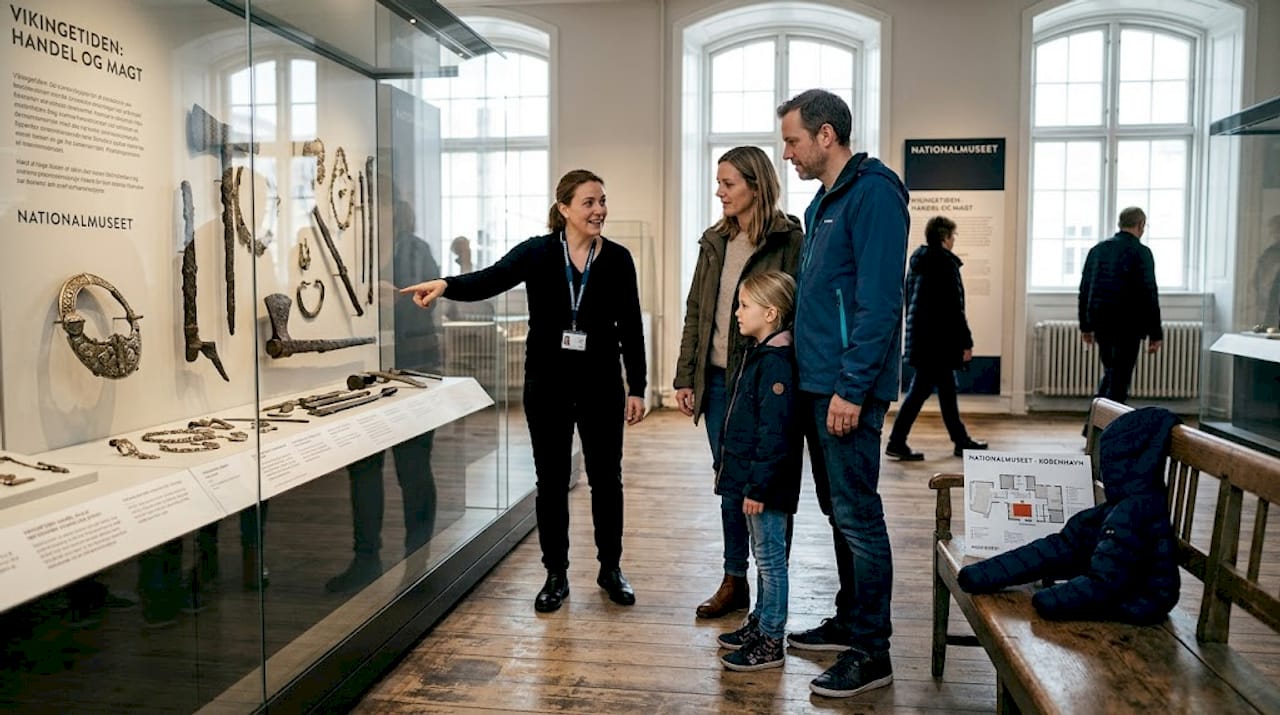
A museum tour is a guided experience where an expert guide leads you and a group of visitors through the museum's collections with a focus on storytelling, context, and knowledge. It's not just about seeing the objects, but about understanding them. A good guide brings life to the exhibitions and connects the past with the present in a way that text signs rarely can.
The difference between a regular museum visit and a tour is greater than most people think. During a self-guided visit, you set the pace yourself, but you often lack the depth and context that make the experience memorable. A tour structures the visit and gives you exactly the information that makes you remember what you saw.
| regular visit | museum tour ** | |
|---|---|---|
| Guide | ingen | Yes, expert guide included |
| story | minimal | In-depth stories |
| time | self-chosen | structured |
| question | not possible | always welcome |
| duration | optional | Typically 1.5 to 2.5 hours |
There are many types of tours to choose from:
- themed tours, focusing on a specific theme, such as Vikings, architecture, or art
- family-friendly toursdesigned for children and parents with play and activities along the way
- interactive guided tours, where you actively participate yourself, try replica items or solve tasks
- private round trips, tailored to your group's interests and pace
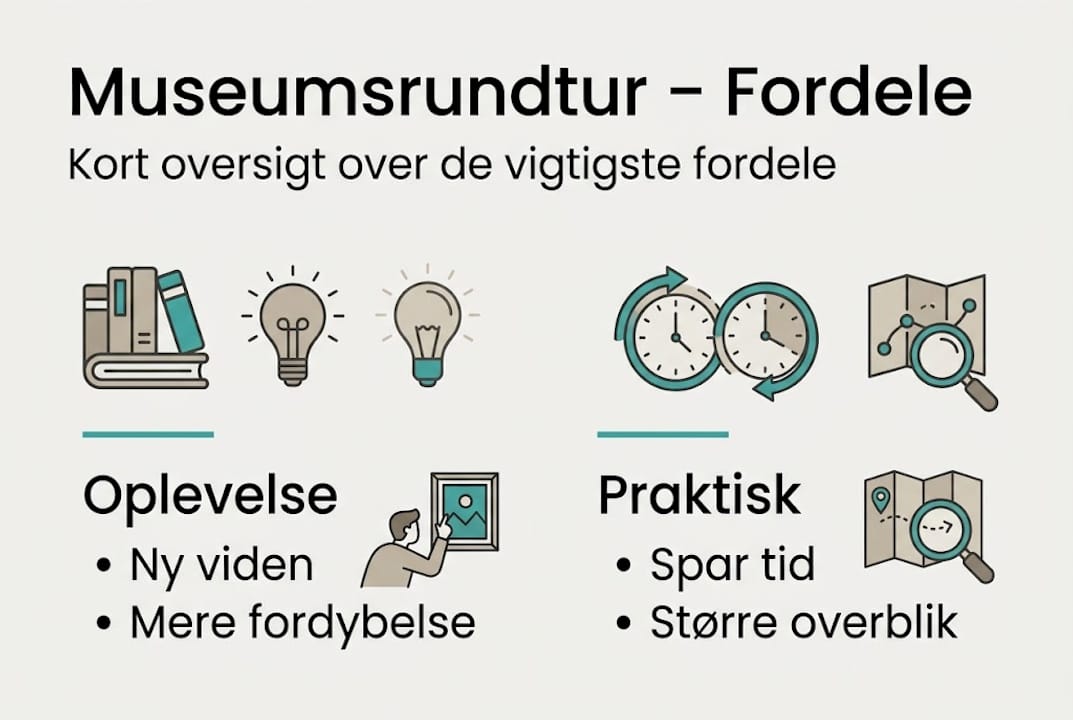
The advantages of choosing a guided tour over a self-guided visit are many. You save time because the guide points you directly to the most important. You understand more because the context is served to you. You remember more because the stories stick. Culture and learning through museums It is documented to have a strong effect on how visitors perceive and remember information. Som The role of museums in Denmark Show, is communication a core task for Danish museums, and guided tours are the strongest tool for exactly that.
This is how a museum tour works in practice
When you know the definition, it makes sense to see how a museum tour in Denmark unfolds in practice. Most round trips follow a clear structure, and it is useful to know what to expect from start to finish.
A typical course looks like this:
- Arrival and Welcome - You meet the guide at the entrance or a specific meeting point. Here is a brief introduction to the museum and the theme of today's tour.
- Initial review The guide presents the museum's history and the framework for the visit, so you understand the context from the beginning.
- Guided review of the collections - You move through selected rooms and exhibitions while the guide tells stories, explains objects, and creates connections.
- Questions along the way - Most guides actively encourage questions throughout the entire tour, not just at the end.
- Conclusion and recommendations The tour typically ends with a pickup and often recommendations on what you should see on your own afterward.
A guided tour differs from a self-guided visit in that you do not need to spend energy on orienting yourself. You are free to listen and experience. Practical tips for museum visits emphasizes that the visitors who participate in guided tours are generally more satisfied with their visit than those who explore alone.
The guiding role is crucial. An experienced guide adapts their storytelling to the group's level and interests, and this is where a tour truly stands out. You can ask questions, get closer to the details, and receive answers you would never find in a brochure.
Practical details vary from museum to museum. Most tours last between 1.5 and 2.5 hours. They are typically offered in Danish and English, and in many places also in German. You can choose group or private tours. museum visits and tours gives you a good starting point to understand what to expect.
Professional tip: Book your spot online in advance, even though it is not always required. It guarantees you a spot and saves you from disappointment if the tour is sold out.
the best museum tours for families and children
For those traveling with children, it is worth knowing that many Danish museums offer experiences tailored to families. A family-friendly tour is not a mini version of the adult tour. It is an independent experience designed to actively engage children.
The most popular types for families include:
- guided tours based on legoswhere children explore the museum through play and role-playing
- interactive workshop activitieswhere the family, for example, makes Viking jewelry, paints like the Impressionists, or builds medieval castles in miniature
- treasure hunts and activity booklets, who keeps children engaged and gives them an active role
- story-based tourswhere a guide uses live storytelling and props to make the story vivid
Here is a selection of popular museums with family-friendly tours:
| museum | by | experience type | age group | approximately the price |
|---|---|---|---|---|
| National Museum | Copenhagen | Interactive Viking Tour | 4 to 12 years | from 95 kr. per child |
| Experimentarium | Hellerup | Interactive science tour | 3 to 15 years | from 145 kr. per person |
| The Old Town | Aarhus | historical role-playing | 5 to 14 years | including in the entrance |
| Viking Ship Museum | Roskilde | Boat building and Viking storytelling | 6 to 14 years | from 115 kr. per person |
The benefits for families are special. family-friendly museum experiences shows that children remember up to three times more from a guided experience than from a self-guided visit because the combination of storytelling and activity sticks in the memory. It's not just entertainment. It is learning disguised as an adventure.
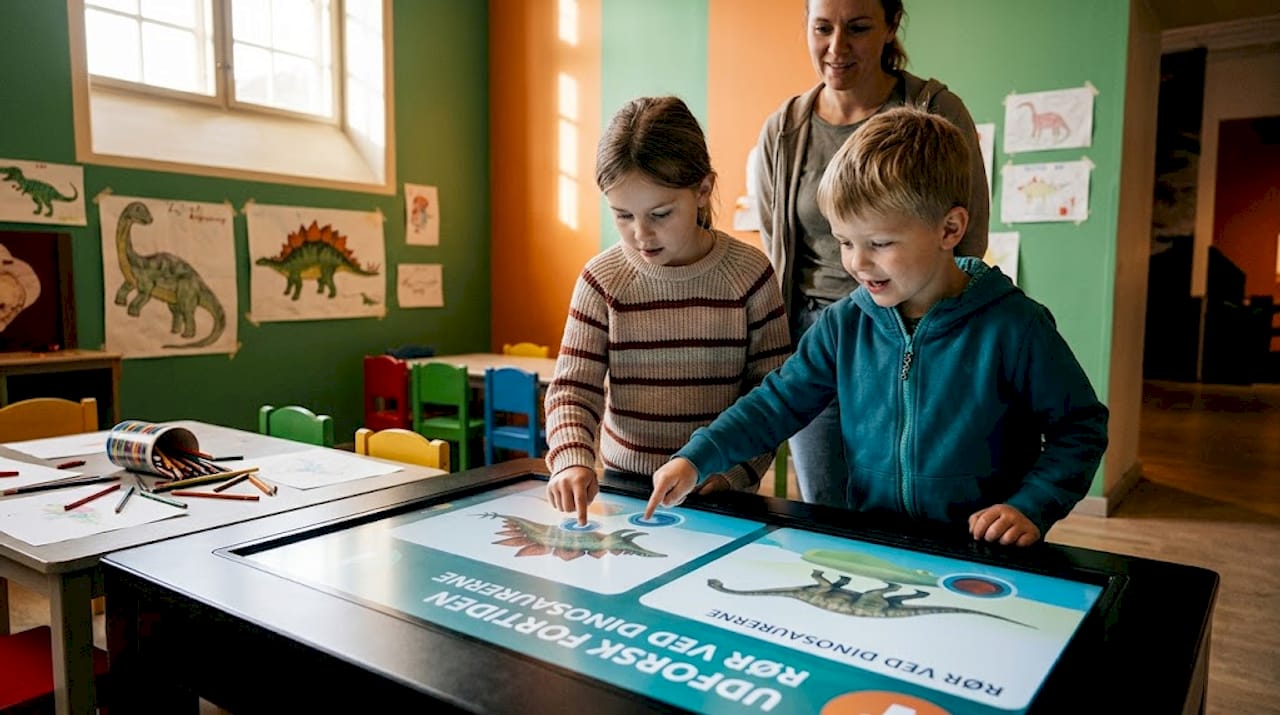
You can find a wide selection of best museums for children and get inspiration for what suits your family's interests and age group.
Professional tip: Book family tours for a time in the middle of the morning. That's where the energy level in children is typically highest, and it provides the best experience for everyone. fun museum experiences for children There are several concrete tips for preparing the trip with the little ones.
Plan your museum tour and avoid classic mistakes
When you choose your museum tour, it is important to avoid classic mistakes so that you have the best experience. Most problems do not occur at the museum itself, but in the planning weeks earlier.
How to plan smart:
- Choose the museum carefully - Not all museums suit all interests. Research the museum's profile and find out which guided tours they offer before you decide.
- book in good time Popular round trips, especially in the summer months and during school holidays, fill up quickly. Book at least one to two weeks in advance.
- Check the language Always ask if the tour is offered in your language or if there is an audio guide as a supplement.
- Plan time for free visit afterwards - Most visitors would like to see more after the tour. Set aside at least 30 to 60 minutes to explore alone.
- Ask about special arrangements Many museums offer themed seasonal tours, night tours, or exclusive viewings, which are not always clearly indicated on the website.
The classic mistakes are predictable. Showing up without a reservation and believing there is space is one of them. Another is to underestimate how long a tour takes, and thus have little time for the rest of the day. Tips for museum planning help you avoid exactly these pitfalls.
Professional tip: Call the museum directly and ask about upcoming special tours or private guided tours. It is often here that the truly memorable experiences are hidden.
A museum tour is more than a visit. It is an investment in understanding and experience that lasts far beyond the day you visit the museum.
As museum visits and planning are highlighted, preparation is the most important factor for a successful museum experience.
The traditional museum visit is over – the tour makes the difference
There is a widespread perception that museums are places you enter, walk around in, and leave. It's not wrong. But that is not the whole truth either.
The modern tourist has access to incredible amounts of information via the phone. It means that a museum that merely displays objects with text signs competes with everything you can already Google. The guided tour solves this problem. It gives you something no app can: a live voice that interprets, adapts, and creates connections in real time.
We have seen it again and again. The visitors participating in a guided tour leave the museum with a sense of having understood something. He who walks alone leaves with a sense of having seen something. There is a fundamental difference.
The role of museums in experiential tourism shows that museums in Denmark are actively working to make their communication more lively and relevant. A tour is not a nostalgia product. It is the cultural experience of the future.
Find more experiences and plan your museum tour
Whether you are a first-time visitor or a seasoned museum enthusiast, there is always more to discover in Denmark. A good preparation starts with the right resources. Som Guide for first-time visitors can help you navigate Denmark's cultural landscape from day one. Are you ready to plan a whole day? Checklist for a day trip Get a practical overview of what you need to remember. rejsidanmark.dk Find guides, recommendations, and inspiration for museum tours and cultural experiences throughout the country, whether you are traveling alone, as a couple, or with family.
Frequently Asked Questions
Can I bring children on all museum tours?
Most museums offer family-friendly tours, but it is always wise to check in advance, as some tours are aimed at adults and may have age restrictions.
Is it necessary to reserve a spot in advance for a museum tour?
It is highly recommended to book in advance, especially during holiday periods, and booking museum visits secures your spot and saves waiting time at the entrance.
What are the advantages of choosing a guided museum tour over exploring on your own?
A guided tour provides in-depth stories, the opportunity to ask questions, and access to museum experiences with context that you rarely find on your own.
Recommendation
- Guide to Museum Visits: Everything You Need to Know – Travel in Denmark
- Best museums in Denmark – Comparison 2025 – Travel in Denmark
- 7 Essential Tips for Danish Museums for All Visitors – Travel in Denmark
- Danish Art Museums: Everything You Need to Know as a Visitor – Travel in Denmark
- Discover the best drone spots in Denmark for breathtaking shots