In short:
- Ecology on vacation is about conscious choices that support the environment, local communities, and culture. You can practice ecotourism by choosing environmentally certified accommodations, climate-friendly transportation, and local foods. Small changes like trains, local food, and avoiding waste create greater sustainability and more authentic experiences.
Ecology on vacation is defined as conscious choices that minimize negative environmental impact, support local actors, and respect nature and culture on your journey. The concept covers what professionals call sustainable tourism, and it is about three pillars: environment, economy, and society. What does ecology mean in practice for you as a Dane on vacation? That means you choose transportation, accommodation, and food thoughtfully, not that you have to live ascetically. This article explains exactly what it entails and how you can do it concretely in Denmark.
What does ecology mean in practice during the holiday?
Sustainable tourism balances Needs of guests, the local community, and the environment by choosing environmentally certified places and climate-efficient transportation. It's not a matter of traveling less often, but of traveling smarter. Three specific areas define what it means to practice ecotourism on vacation.
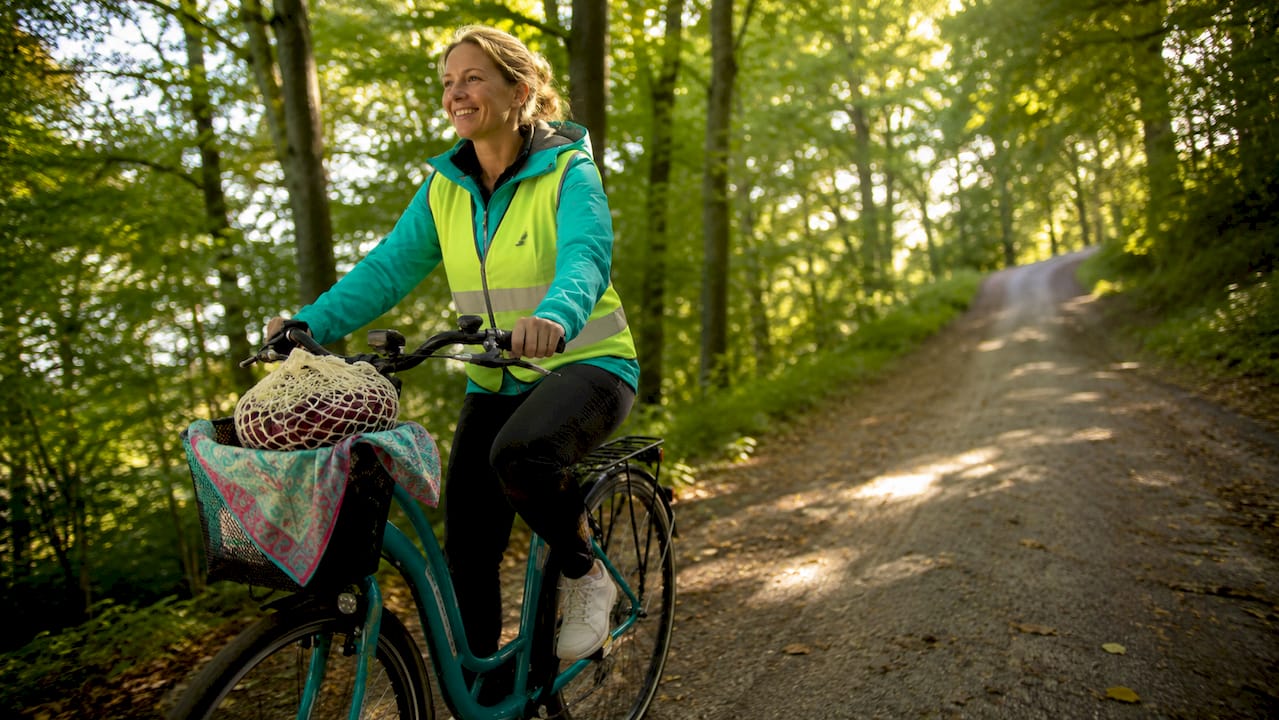
Transport Is it the choice that has the greatest climate impact. Train and bus emit significantly less CO2 than planes, and you can use the travel time to immerse yourself in the landscape. Rejsidanmark has collected a Trinvis guide to local transportation, which shows how you get around Denmark without a car.
Accommodation It is the next important election. Environmentally certified places such as Swan-certified hotels and local bed and breakfasts actively use seasonal raw materials and reduce energy consumption. These places are not more expensive than large chains, but the money stays in the local community.
Consumption On vacation, it also counts. Buy locally produced foods, avoid single-use products, and take your trash home from nature. These are the choices that together constitute the ecological significance of holidays in everyday life.
How are you specifically eco-friendly on vacation?
Concrete actions make the difference. Here are the most effective ones:
- Choose train or bus More for flying to travel within Denmark and Scandinavia. Travel reduces the climate footprint Significant and provides more calm and immersion along the way.
- Pak is clever and smart. Refillable containers, solid shampoo, and a small repair kit reduce both weight and packaging waste. Reduced weight decreases fuel consumptionReusable products reduce plastic waste.
- Follow the Leave No Trace principles. Label this trash, stick to marked paths, and refrain from picking plants in nature. The principles ensure minimal impact on the natural areas you visit.
- Support local producers. Buy food at local markets, dine at restaurants that use Danish ingredients, and choose souvenirs made by local artisans.
- Book directly with local operators. The store booking platform takes a large part of the payment. Direct contact ensures that more of your holiday budget stays in the community you visit.
Professional tip: Bring a reusable water bottle and a foldable cloth bag. The two things eliminate most of the disposable underwear you would otherwise use on a week's vacation, and they take up almost nothing in the bag.
These choices do not require great sacrifices. It requires some preparation and a conscious mindset before you pack your bag.
What types of ecological vacations are there?
Sustainable holiday options cover a wide range. The table below compares the most common types found in Denmark and the rest of the Nordic countries.
| Vacation type | Sustainability level | Comfort | Experience quality | Price |
|---|---|---|---|---|
| Farm stay or farm accommodation | Very loud | Middle | Authentic and present | Make it medium |
| Organic bed and breakfast | High | Medium to high | Personal and local | Middle |
| Blue Flag Holiday Park | Medium to high | High | Varied | Medium to high |
| Glamping in nature | Middle | High | Nature-oriented | Medium to high |
| Conventional hotel with a green profile | Middle | High | Standard | High |
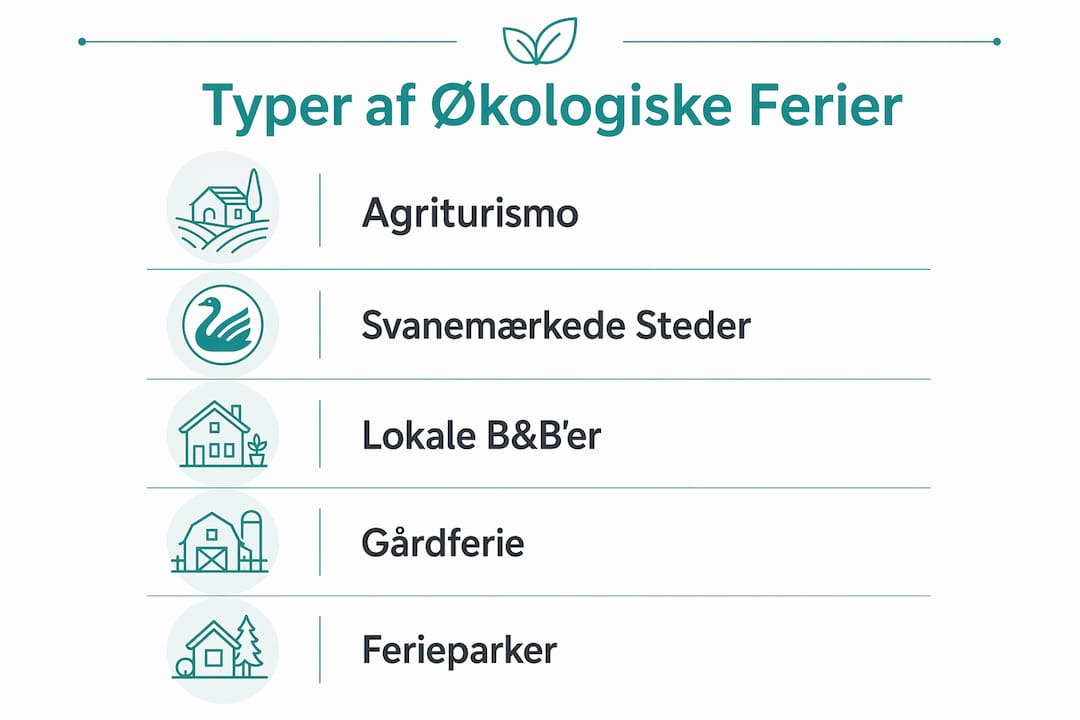
Agriturismo, which is the farm holiday concept originating from Italy but now practiced throughout Europe, is the most consistent form of sustainable holiday. Stay with local farms Uses local and seasonal raw materials and supports the environment through short supply chains. In Denmark, you will find similar concepts under terms such as farm holidays and nature camps.
Svanemarkeded holiday parks are a good compromise for families who want comfort and sustainability at the same time. Rejsidanmark has an overview of holiday parks in Denmark, where you can filter by location and facilities.
The most important difference between local actors and large chains is where the money ends up. Direct booking with local actors significantly increases the local economic benefit compared to booking through large international platforms. It is crucial for the economic aspect of sustainable tourism. If you choose a locally operated bed and breakfast over an international chain, you keep the money within the local community you benefit from.
How do ecological choices affect your holiday experience?
The benefits of organic vacations extend far beyond the environment. Here are the four most concrete effects:
-
Lower carbon footprint. Prioritizing flying less, local produce over imported products, and shorter travel distances significantly reduce your CO2 emissions. Every single choice counts, and they add up over a whole holiday.
-
Stronger local economy. When you eat at the local inn, buy vegetables at the farmer's market, and stay overnight with a Danish family, the money stays in Denmark. It strengthens local communities in rural areas, which otherwise lose tourism revenue to large chains.
-
Deeper and more authentic experiences. A holiday on a Danish farm gives you access to places and people you never meet at a standard hotel. You learn about Danish food culture, nature, and traditions firsthand. That's the kind of experience you'll remember in ten years.
-
My presence and calm. Slower transportation and fewer activities on the schedule make space to feel where you are. Greener transportation options like trains promote both sustainability and enhance the quality of the holiday experience with more calm and presence.
Seeing oneself as a guest rather than a tourist increases respect and consideration for local culture and environment. Kilde: Bæredygtig og ansvarlig turisme
This quote captures the essence of what ecotourism and holidays are about. A tourist departs from a place. A guest gives back. There is a small difference in mindset, but it changes your entire holiday experience.
What mistakes should you avoid as a green traveler?
Three misunderstandings prevent many travelers from practicing sustainable holidays consistently.
Perfectionism is the biggest trap. Many give up because they cannot do everything perfectly. Consistency in organic habits It has a greater effect over time than trying perfect solutions. You don't need to cycle to Bornholm to call your holiday sustainable. Choose train over plane, and that's already a big step.
Greenwashing is widespread. Many accommodation providers market themselves as "green" without having documentation to support it. Look for specific certifications such as the Swan Label or Green Key before booking. A hotel that claims to be sustainable without providing documentation is not necessarily so.
- Always check for the Swan Label, Green Key, or equivalent certification
- Ask directly: Where does the food come from? Do you sort waste?
- Avoid places that only mention sustainability in marketing without concrete examples
Digital behavior also counts. Geotagging of vulnerable natural areas It can attract overtourism and cause damage to places that cannot bear it. Conscious digital practices, such as refraining from sharing precise locations of rare natural sites, are part of responsible holiday etiquette. There is a new form of consideration that most people don't think about.
Professional tip: Before sharing a beautiful natural place on social media, consider whether the site can withstand more visitors. Choose instead to share the experience without exact location, or wait until you are home.
My experience: mindset is more important than the checklist
I have traveled in Denmark for many years, and the biggest change in my holiday experience did not come from switching to trains or packing a reusable bottle. It came when I stopped thinking of myself as a tourist.
The tourist wants to see as much as possible in the shortest possible time. The guest will understand the place he visits. It sounds like a small difference, but it changes everything. When I started asking the local baker where the grain came from and chose to eat at the small inn instead of the chain restaurant, I had experiences I still talk about.
I am not perfect. I took the plane when the train took too long. I have booked through large platforms because it was easiest. But I am consistent in the choices I can make without great sacrifices. That's what matters. Sustainable vacation does not require an ascetic lifestyle, but is about conscious, consistent choices rather than perfection.
The advice I give everyone who asks me for tips on a more sustainable journey is this: Start with one choice. Choose the train next time. Book directly with the local host. Eat at the restaurant that uses local ingredients. Build from there. You will find that your holiday gets better, not worse.
— Tommy
Plan your sustainable holiday in Denmark with Rejsidanmark
Rejsidanmark gathers the best experiences, accommodations, and activities in Denmark in one place. Whether you're looking for an authentic farm stay in Funen, a nature camp in North Jutland, or a family-friendly holiday park with an eco-friendly profile, you will find it here. Bridge The guide for first-time visitors to plan your trip with a focus on local experiences and sustainable choices. Do you want inspiration for unique accommodations in Denmark, Rejsidanmark has gathered the best examples for 2026. Start your planning today and make your next vacation an experience that gives back to the Denmark you visit.
Frequently Asked Questions
What is the definition of sustainable tourism?
Sustainable tourism balances the needs of guests, local communities, and the environment by choosing eco-certified locations and climate-efficient transportation. It is the recognized professional term for what many call organic vacation.
How do I choose an authentic green accommodation?
Look for specific certifications such as the Swan Label or Green Key. Locations with these labels are independently verified and meet documented environmental requirements.
Is it more expensive to travel sustainably in Denmark?
No, not necessarily. Local bed and breakfasts and farm stays are often cheaper than large chain hotels, and trains are competitive with flights on most Danish routes.
What are the Leave No Trace principles?
Leave No Trace is a set of principles that ensure minimal impact on nature. They include taking trash home, sticking to marked paths, and refraining from disturbing animals and plants.
Why is direct booking better for the community?
Direct booking with local operators ensures that a larger portion of the holiday budget remains in the community. Store booking platforms typically take a significant commission, which substantially reduces the local economic profit.