In short:
- Danish outdoor life includes pleasure-oriented activities in nature, focusing on joy rather than achievement. Organizations supported by the Outdoor Council offer outdoor pavilions that make nature more accessible to children and young people in urban areas. Nature parks function as quality marks that combine nature conservation, communication, and local development in Denmark.
Danish outdoor life is defined as leisure activities driven by pleasure with physical movement and Nature experiences in the outdoors, ranging from hiking and kayaking to birdwatching and walking the dog. The concept differs from sport and competition by focusing on the joy of nature rather than achievement. Outdoor life in Denmark is accessible to all age groups and levels of ambition. It connects the physical, mental, and social dimensions into a single unified experience out in the open. The Outdoor Council, DIF, and Nordea Foundation are three key actors actively shaping and supporting the development of outdoor life in Denmark today.
What is Danish outdoor life, and what characterizes it?
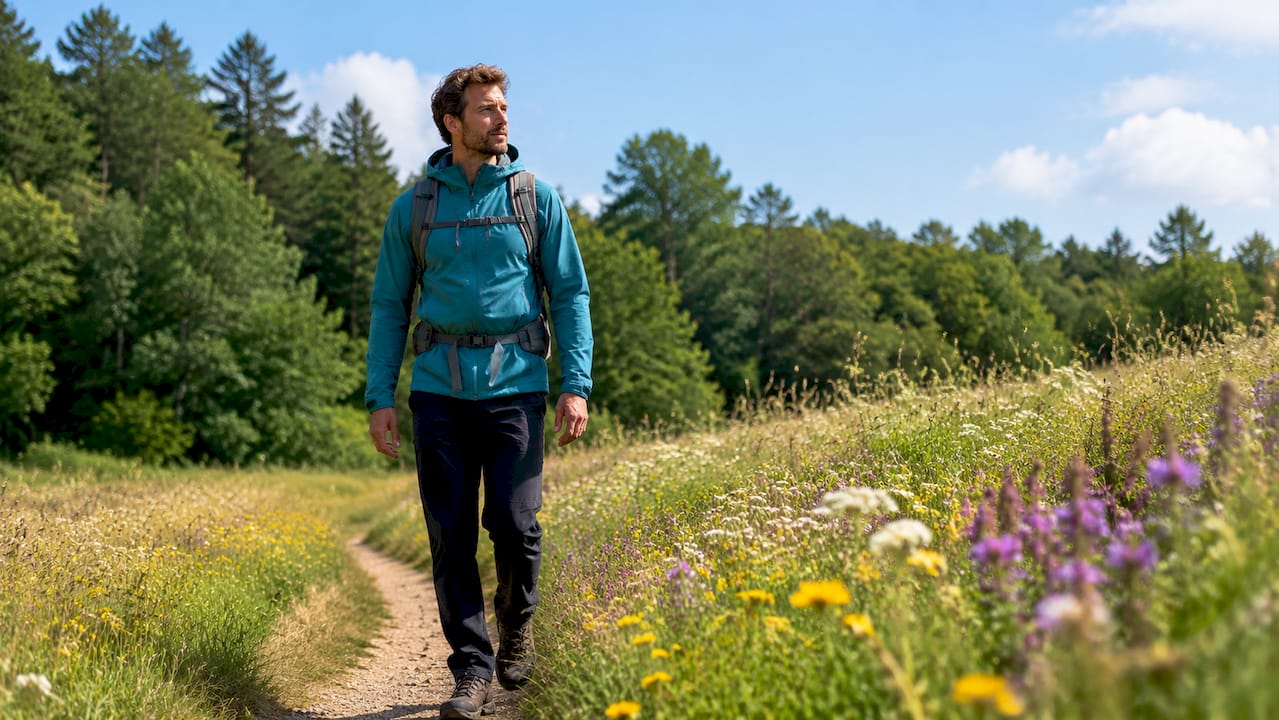
Danish outdoor life is not a specific activity, but a broad practice that encompasses everything from peaceful forest trips to active mountain biking under one concept. The key characteristic is that the activity takes place in nature, is pleasure-driven, and is practiced in leisure time. Outdoor life is not about performing or competing. It's about using nature as a framework for well-being and joy.
Activities range from mountain climbing and mountain biking to birdwatching, hunting, and simple dog walking. It means that outdoor activities are accessible regardless of physical condition or experience. A Sunday walk along the coast counts just as much as multi-day hikes in Rebild Bakker. This versatility is one of the greatest strengths of outdoor life.
It is also worth distinguishing outdoor life from the broader concept of "outdoor lifestyle". Outdoor lifestyle covers everything from gardening to outdoor dining. Outdoor life, on the other hand, requires an active relationship with nature, where one moves within and with it. The distinction gives the concept a clear identity in Danish culture and planning.
What basic skills are required for responsible outdoor life?
Responsible outdoor life is based on concrete skills that make the trip safe and sustainable for both the participant and nature. Basic outdoor life includes knowledge of clothing according to weather and terrain, navigation with map, compass, and GPS, as well as safe handling of equipment such as knives, axes, and campfire sites. These skills are not advanced, but they require practice and conscious learning.
Here are the most important basic elements in order for beginners:
- Clothing and the layering principle: Build three layers: a moisture-wicking inner layer, an insulating middle layer, and a windproof outer layer. Cotton is unsuitable for Danish weather because it retains moisture.
- Navigation: Learn to read a topographic map and use a compass as a backup to GPS. Batteries run out; paper cards do not.
- Non-motorized traffic Leave-no-trace travel means leaving nature exactly as you found it. It includes proper waste management, respect for wildlife, and avoidance of unnecessary wear on vegetation.
- Cooking over a campfire: Learn to build a safe campfire, only use fallen branches, and always extinguish the fire completely with water.
- Planning and trip standards: Always tell someone where you are going and when you expect to return. Check the weather forecast and know your route in advance.
Professional tip: Most beginners underestimate the importance of clothing and overestimate the reliability of GPS technology. Invest in good rain pants and an analog compass before investing in expensive electronic equipment.
Proper handling of equipment is an area that many skip. A knife is used daily in outdoor activities for everything from cooking to cutting rope. Learn the basic safety rules: always cut away from the body, keep the blade clean, and store the knife in its sheath. It sounds trivial, but injuries with knives are one of the most common accidents in outdoor activities for beginners.
How is outdoor life promoted in Denmark through concrete initiatives?
Outdoor life in Denmark is actively supported by organizations and funds that work to make nature accessible to more people. The most concrete recent example is the project Outdoor Pavilions, which is a collaboration between DIF and the Danish Outdoor Council, funded by the Nordea Foundation. The project is the first of its kind in Denmark.
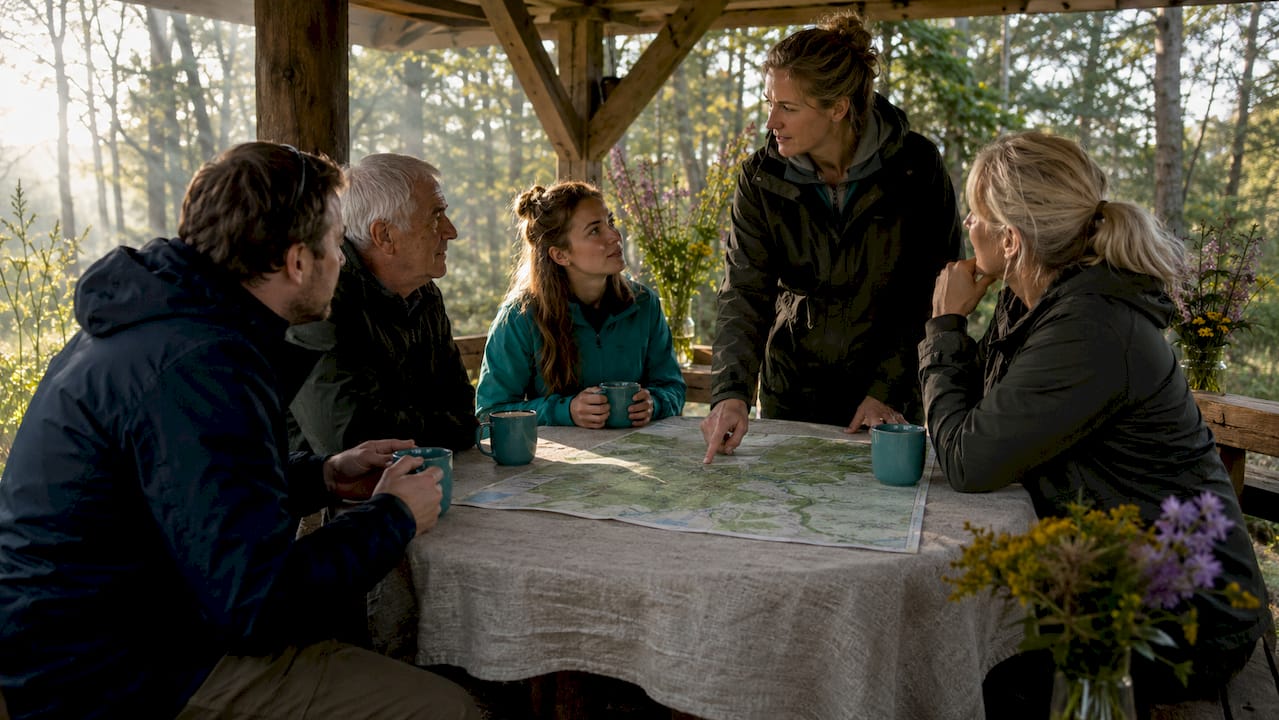
The outdoor pavilions serve as community meeting places that make outdoor activities accessible for children and young people aged 6–15. The pavilions address logistical barriers by creating physical frameworks close to schools, associations, and families. It's not enough to have nature nearby. Children and young people need a concrete place to meet and start.
The project is based on an important realization: Outdoor life is everyday infrastructureLack of access to social meeting places creates lasting habits, not isolated experiences. The same logic underlies bike lanes and playgrounds.
The most important elements of the initiative:
- Nearby location: The pavilions are placed in or near urban areas so that transportation is not a barrier.
- Horizontal collaboration Schools, sports clubs, and families are integrated into the use of the places.
- Focus on community Meeting places create social relationships that keep children and young people engaged with nature over time.
- Supported by the Nordea Foundation: The financing ensures that the project can be scaled and evaluated systematically.
Professional tip: If you want to introduce children to outdoor activities, the social element is more important than the activity itself. Find a group or association that meets regularly. Vanes arise in community, not in solitary trips.
What are Danish nature parks, and what role do they play?
Danish Nature Parks are a quality stamp for larger natural areas that combine nature conservation, outdoor recreation, and local business development in a unified plan. The brand is managed by the Danish Outdoor Council and awarded to areas that meet specific requirements regarding nature, communication, and citizen involvement. It is not just a marketing concept. It is a binding standard.
| Category | Description |
|---|---|
| Number | 18 nature parks and pilot nature parks in Denmark |
| Purpose | Protection of forests, utilization, and business development |
| Management | Scheduled routes, communication, and collaboration with the local community |
| Brand | Allocated by the Danish Outdoor Council after application and evaluation |
| Example of focus | Create attractive experiences without harming the natural environment |
The nature parks are managed With a clear principle: protection and utilization must not exclude each other. Scheduled routes guide visitors around vulnerable natural habitats. On-site explanation clarifies why certain areas are cordoned off during the breeding season. It's smart planning, not restrictions for the sake of restrictions.
The process of establishing a nature park requires active citizen involvement. Local residents, farmers, municipalities, and businesses must all contribute to the plan that forms the basis of the application. It creates local ownership and ensures that the nature park reflects the area's special character. Mols Bjerge Nature Park and Skjern Å Nature Park are two well-known examples of how this model works in practice.
Nature parks also play a role in Danish nature experiences as tourist destinations Visitors from both domestic and international sources are drawn to these areas because the quality mark signals an authentic and well-managed nature experience. It strengthens the local economy without compromising the natural environment.
What are the benefits of outdoor life for the individual and society?
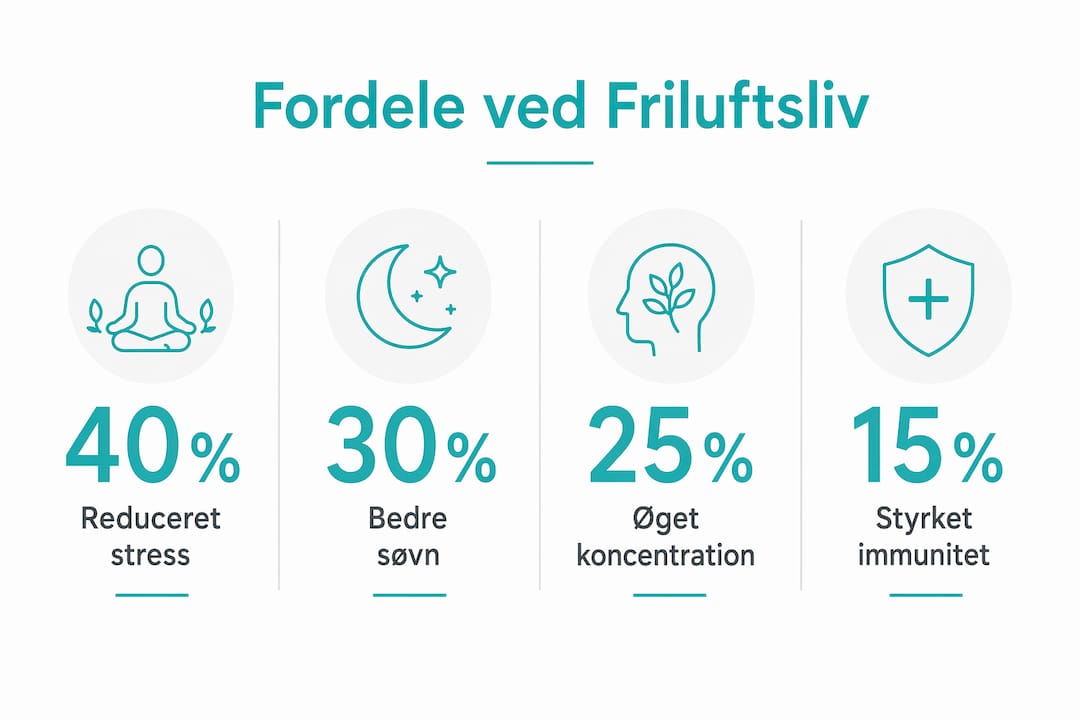
Outdoor life simultaneously enhances health, quality of life, and social cohesion. It is one of the few activities that addresses physical, mental, and social needs in one and the same practice. Outdoor life provides great benefits for well-being and offers a real break from everyday stress.
The documented benefits of regular outdoor activities include:
- Physical health: Improved endurance, strength, and motor skills through varied movement on uneven terrain.
- Mental health and outdoor activities: Reduced stress, better sleep, and increased concentration. Nature lowers cortisol levels more effectively than indoor exercise.
- Social communities Shared trips and activities in nature create strong relationships and increase the sense of belonging.
- Understanding of nature Regular contact with nature increases respect for the environment and motivates sustainable behavior.
- Availability: Outdoor life encompasses many levels of activity, from peaceful nature walks to demanding hikes, making it accessible to everyone.
Outdoor life is not primarily about performing, but about using nature as a framework for well-being and joy.
Municipalities and the state invest in outdoor recreation because it reduces healthcare costs and increases citizens' well-being. The Outdoor Council continuously documents these effects and uses them to argue for investments in nature access and facilities. It's not just a hobby. It is public health policy in practice.
How to get started with outdoor activities as a beginner?
Starting with outdoor activities does not require expensive equipment or advanced skills. It requires a plan and a first step. Here is a practical approach for beginners:
- Find a local natural area: Bridge of the Outdoor Council's map of nature parks and publicly accessible natural areas. Start with an area within 30 minutes' transport from your residence. Shorter distance means lower barrier and more frequent visits.
- Choose a simple starting activity: Hiking, cycling on nature trails, or a paddling trip on a calm river are ideal starting points. These activities require minimal equipment and can be adapted to your pace.
- Bridge outdoor pavilions and meeting places: If you live in or near a city, a local outdoor pavilion can give you access to equipment, guidance, and a social community. The collaboration between DIF and the Outdoor Council has made these places accessible in several urban areas.
- Plan according to the season Spring is ideal for birdwatching and hiking, summer for kayaking and swimming in nature, autumn for mushroom hunting and forest trips, winter for winter bathing and snowshoeing. Seasonal activities in Denmark Gives outdoor life a natural rhythm throughout the year.
- Learn the basic skills step by step: Take a course in basic outdoor life at a local scout group, DIF association, or nature school. Many municipalities offer free introductory courses.
Professional tip: Start by going to the same places repeatedly instead of chasing new destinations. You get to know nature better, discover details you missed the first time, and the trip becomes easier to complete on busy days.
Outdoor equipment for beginners doesn't have to cost a fortune. A good rain jacket, sturdy hiking shoes, and a 20–30 liter backpack cover most activities. Buy used equipment from associations or thrift stores until you know which activities you want to prioritize. Many experienced outdoor enthusiasts recommend spending money on footwear and rain protection above all else at the beginning.
Outdoor life is not what I thought it was
I have spent large parts of my life in Danish nature, and yet it took me years to understand what outdoor life really is. I long thought it was about mastering nature. Climb higher, walk farther, carry heavier. It's a misunderstanding that many beginners share, and it keeps people away.
What changed my understanding was a visit to Nature Park Thy a few years ago. I didn't go on a record trip. I sat by a river for two hours observing birds. It was the most present I had experienced in a long time. Outdoor life is not a performance. It is a condition.
Projects like outdoor pavilions confirm this understanding. When DIF and the Outdoor Council invest in meeting places rather than competition facilities, they send a clear signal: nature is for everyone, not just the active. I believe that approach is crucial for outdoor life to grow as a people's movement in Denmark.
With honest advice, this is: go out into nature without a goal. Let the place set the pace. You will discover that Nature experiences in Denmark does not require spectacular destinations. A forest in North Zealand, a dune in West Jutland, or a stream in Central Jutland is enough. It's about being present.
— Tommy
Find your next nature experience with Rejsidanmark
Rejsidanmark gathers Denmark's best nature experiences, activities, and practical travel guides in one place. Whether you're planning your first trip to a Danish nature park or looking for seasonal activities for the whole family, you will find concrete inspiration and practical help. Bridge Guide to Denmark as your starting point for planning outdoor experiences. If you need a structured plan, give The day trip checklist Get a clear overview of what you need to remember. Rejsidanmark is the place you return to every time nature calls.
Frequently Asked Questions
What does outdoor life mean in Denmark?
Outdoor life in Denmark is leisure activities driven by enjoyment, involving physical movement and nature experiences outdoors. The concept covers everything from hiking and kayaking to birdwatching and hunting.
What are the benefits of outdoor activities for mental health?
Outdoor activities reduce stress, improve sleep, and increase concentration. Nature lowers cortisol levels and provides a break from everyday mental stress.
What are Danish nature parks?
Danish Nature Parks are a quality stamp awarded by the Danish Outdoor Council to larger natural areas that combine nature conservation, outdoor recreation, and local business development. There are 18 nature parks and pilot nature parks in Denmark.
How do you start outdoor activities as a beginner?
Start with a simple activity like hiking in a local natural area and learn basic skills such as dressing appropriately and Leave No Trace principles. Many municipalities and DIF associations offer free introductory courses.
What are outdoor pavilions, and who is behind them?
Outdoor pavilions are nearby meeting places for children and young people aged 6–15, making outdoor life accessible close to everyday life. The project is a collaboration between DIF and the Danish Outdoor Council with support from the Nordea Foundation.
Recommendation
- Outdoor adventures for young people: Guide to outdoor activities – Travel in Denmark
- Nature experiences in Denmark: The ultimate guide – Travel in Denmark
- Why choose a holiday in nature: Your guide to tranquility – Travel in Denmark
- What is Danish nature tourism: a guide to nature experiences – Travel in Denmark