In short:
- Danish hygge is an active practice that creates warmth, security, and presence in everyday life. The concept is a cultural heritage that strengthens community and increases happiness. Genuine coziness requires conscious presence, a relaxed attitude, and a simple, cozy atmosphere.
Danish hygge is defined as a conscious practice that creates warmth, security, and presence through simple, shared moments. The concept is not just a word. It is a cultural pillar that explains why Denmark consistently ranks first Lists of the world's happiest countries. Meik Wikings' "Hygge Manifest" describes hygge as an active action, not a passive state. Do you understand what Danish hygge really is, you understand something central about the Danish soul and about what gives a good life.
What is Danish hygge, and what does the concept mean?
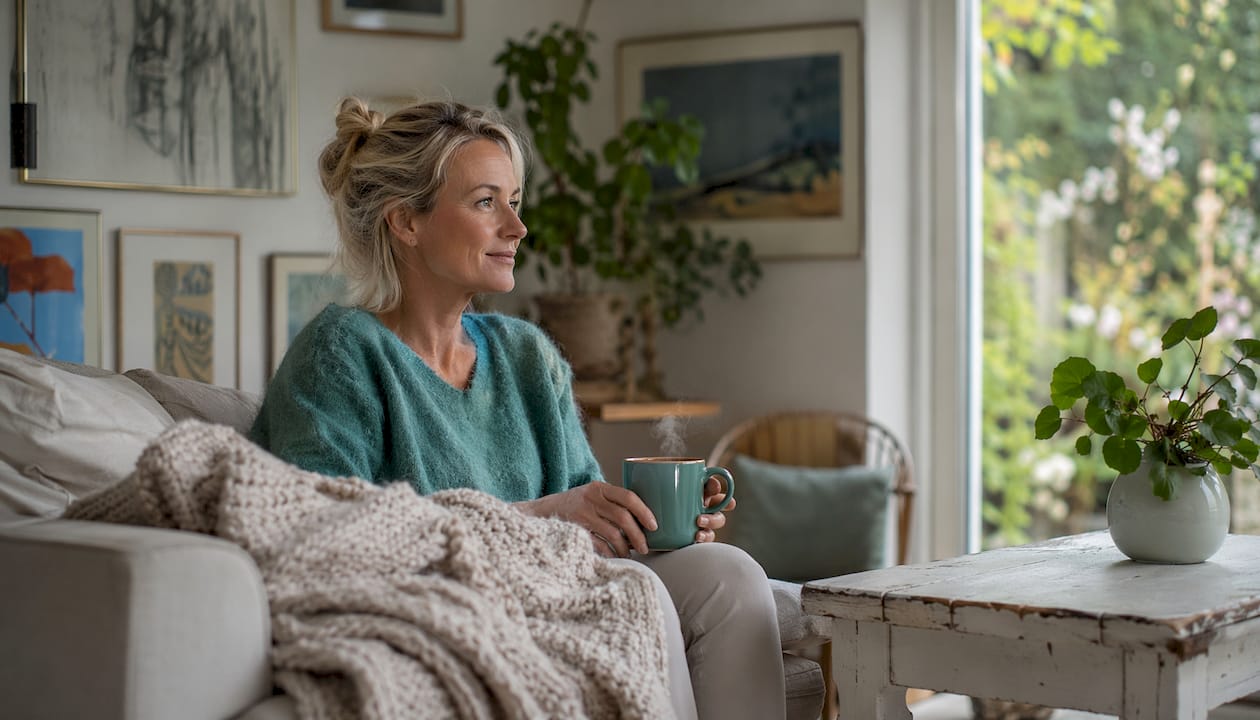
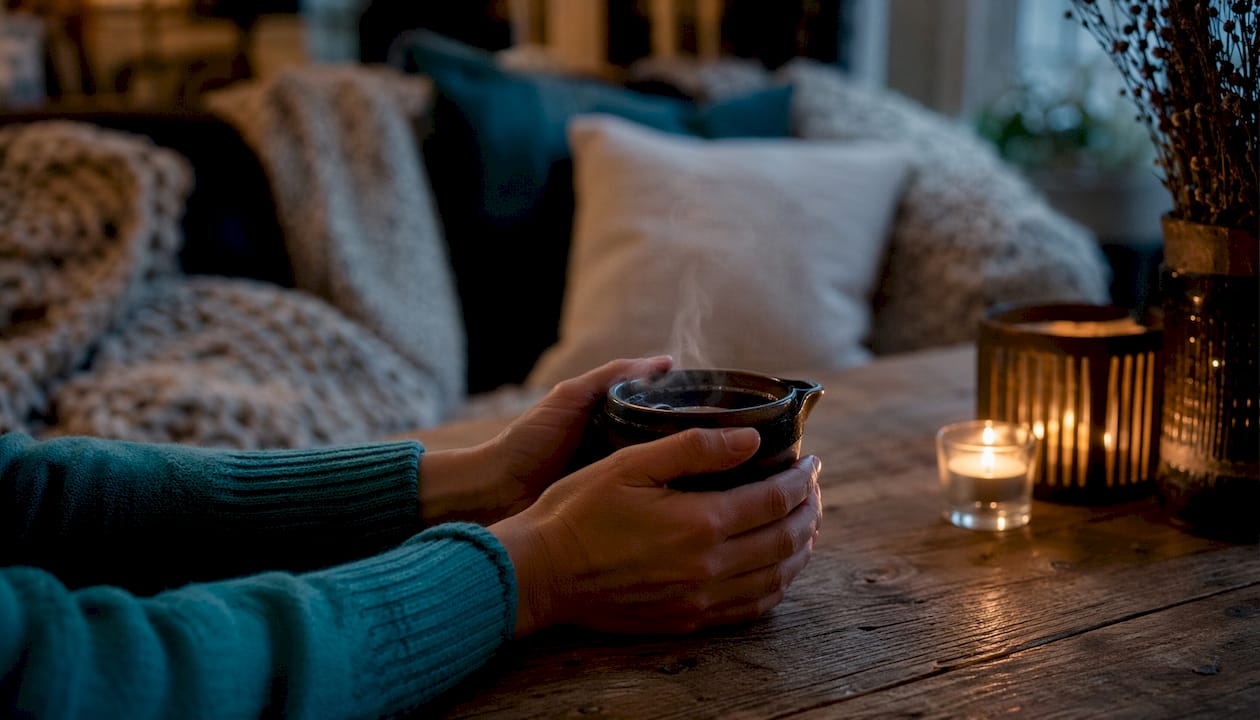
Hygge is a feeling and a practice at the same time. It's the warmth you feel when the candles are burning, the coffee smells good, and the conversation flows without stress or obligations. The concept covers everything from a quiet evening at home to a meal with friends where no one is looking at their phone.
The special thing about hygge is that it cannot be directly translated into other languages. English has "cozy," but it only captures physical comfort. Hygge also encompasses a social dimension, a mental state, and an active choice to exclude everything that disturbs tranquility. It is precisely this combination that makes the concept unique.
Denmark's ranking as a happy country is closely linked to hygge as a cultural practice. Hygge functions as social glue. It brings people together, builds trust, and gives everyday life meaning without demanding money or prestige.
The historical and linguistic origin of hygge
Hygge has deep roots. The word originates from Old Norse "thinking," which means to think and care for others. It is not a modern marketing concept. It is a linguistic heritage from the Viking Age that has survived for more than a thousand years.
The concept spread from the Nordic countries and took its current form in Danish everyday culture during the 19th century. Here, coziness became a way to cope with the long, dark winters. It was not luxury. It was a necessary strategy to keep morale high and the community intact.
The global interest exploded in 2016 when Oxford Dictionaries celebrated hygge in its dictionary as the word of the year. Suddenly, the whole world wanted to understand what the Danes already knew. Books, podcasts, and magazines tried to capture the essence, but many only scratched the surface.
Hygge belongs to a family of Nordic lifestyle concepts.
- Hygge security, warmth, and presence in community
- Just right Balance and moderation in all aspects of life
- Outdoor life The joy of being in nature as a daily practice
- Ikigai Purpose and meaning as driving forces in life
Hygge differs from these by its focus on the inward-facing and protected space. It's not about finding meaning in the big picture. It's about finding peace in the little things.
What are the core elements of true coziness?
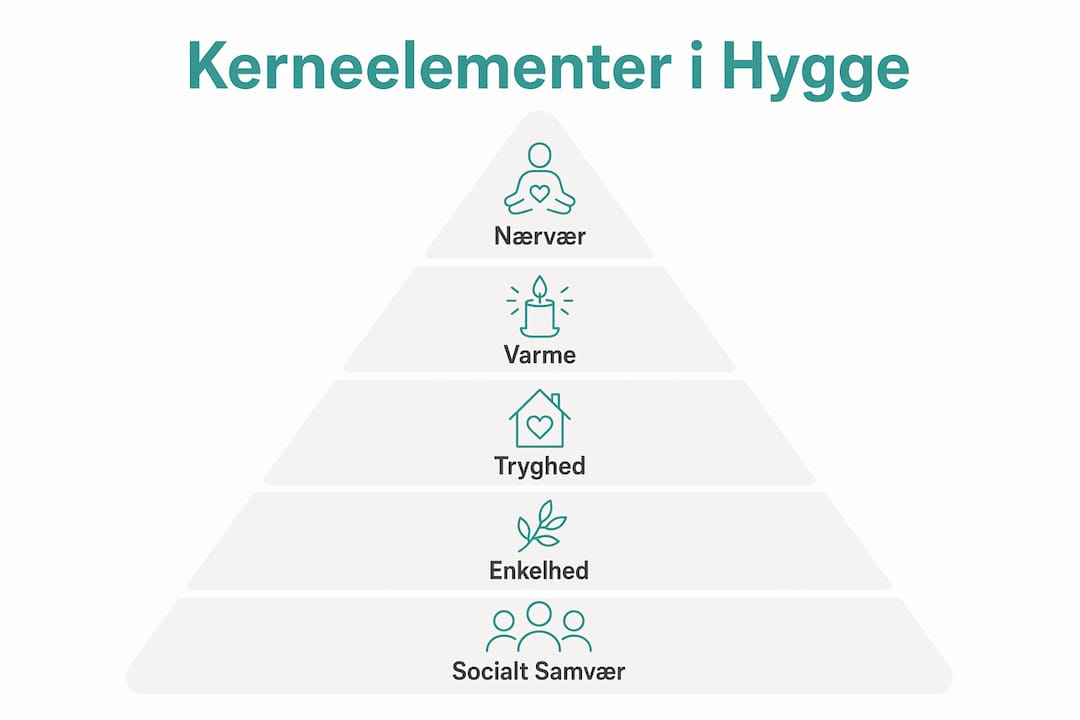
Meik Wikings Hygge Manifesto List 10 core qualities that define true coziness. These qualities are not a checklist. It is a description of the atmosphere that arises when coziness succeeds.
The 10 core qualities are:
- Atmosphere — soft light, warm colors, and an inviting frame
- Presence Full attention to those you are with
- Joy Genuine, uncomplicated joy over the simple
- Light — no hierarchy, no achievements, everyone is equal
- Gratitude awareness of what is good right now
- Harmony — no competition, no conflicts
- Comfort — soft textiles, warm drinks, and relaxed surroundings
- Security A protected zone free from stress and demands
- Relaxation — in the body and mind
- Community A feeling of belonging and being accepted
The biggest enemy of coziness is stress. Lack of presence destroys coziness faster than anything else. Therefore, protecting the peaceful time is not a luxury. It is a prerequisite.
Hygge also protects against the negative effects of winter. A warm and bright sanctuary During the dark months, mood and well-being improve in a way that no antidepressant can replicate. It is a practical survival strategy embedded in Danish culture.
Professional tip: Turn off the overhead lighting and light candles or a lamp with warm light before the guests arrive. One action changes the atmosphere of the room from "functional" to "cozy" in less than a minute.
What distinguishes Danish hygge from the enjoyment of life in other cultures?
Danish coziness is introverted and seeks safety. It is the most important difference from other cultures that also value the good life.
| Concept | Culture | Character | Energy level |
|---|---|---|---|
| Hygge | Danish | introspective, secure, low-key | Make it medium |
| The sweet life | Italian | Introverted, sensual, dramatic | High |
| Ikigai | Japanese | Purpose-driven, individual | Middle |
| Just right | Swedish | Balanced, moderation | Make it medium |
Danish hygge differs from Italian »la dolce vita«. by dimming the lighting and seeking calm rather than drama and high energy La dolce vita celebrates life outdoors, in the sun, with gestures and intensity. Hygge retreats inward, closes the door, and creates a bubble of calm.
Japanese ikigai is about finding one's purpose in life and letting it drive one's actions. Hygge does not answer that question. Hygge says: "The purpose is this moment, and that is enough."
What is sociologically interesting is that hygge is an active, conscious social lim, where one rejects stress and obligations to create a protected zone. It is not passivity. It is an active choice to prioritize the human over the productive.
Hygge is also not about materialism. A cozy room doesn't have to cost much. It requires presence, warmth, and a willingness to put the phone down.
How do you create coziness in everyday life and at home?
Hygge in everyday life starts with the surroundings. Danish homes use natural materials, multiple layers of soft light, and tidy, personal surroundings to create a safe and inviting space. It's not a question of expensive furniture. It is a matter of conscious choices.
Here are the most important elements of cozy decor and cozy behavior:
- Lighting: Bring candles, floor lamps, and string lights instead of harsh ceiling lights. Warm light under 3,000 Kelvin creates the right atmosphere.
- Fabrics: Lay out soft carpets, cushions, and woolen blankets. They signal comfort and an invitation to relax.
- Natural materials Wood, stone, wool, and linen provide an organic warmth that plastic and metal cannot.
- Personal belongings Photos, books, and things with memories make a room cozy. A sterile room is not cozy, no matter how expensive it is.
- Food and drink Warm cocoa, freshly baked bread, or a good tea are classic signals of coziness. It's about the senses.
- No distractions: Mute the TV background noise. Put away the phone. Presence is the most important ingredient of coziness.
Social hygge requires everyone to be present. An evening gathering where everyone is on their phone is not cozy. It is a gathering without contact.
Only hygge is a growing practice In 2025 and 2026, where consciously creating stress-free moments alone. It is not loneliness. It is an active investment in mental restitution. A Sunday morning with coffee, a good book, and no plans is solo coziness in its purest form.
Professional tip: Plan a weekly "cozy hour" without screens. Put it in the calendar as a regular appointment with yourself or your family. The ritual itself creates anticipation and presence.
Hygge is also closely connected with the seasons. Autumn break in a summer house With the family is one of the most classic examples of Danish hygge in practice. The rain on the roof, the board game on the table, and the soup pot on the stove are not accidental. It is a deliberate arrangement of the core elements of coziness.
Hygge is not an atmosphere you wait for
Many believe that coziness arises by itself when the conditions are right. It is the most common misconception about the concept. Genuine coziness requires active mental adjustment. You must decide to prioritize it. You must actively reject stress, obligations, and distractions.
I have seen it again and again: people surround themselves with all the physical props of coziness, candles, soft blankets, and hot cocoa, but still sit and think about tomorrow's tasks. It's not cozy. It is decoration.
The mental adjustment is the hardest and most important. It requires you to give yourself permission to rest. In a society that rewards productivity, it is a radical act to sit down and just be present. The Danes have institutionalized that permission through the concept of coziness. It's not a waste of time. It is an investment in mental health.
Hygge is not reserved for the winter months either. A summer evening on the terrace with friends and a glass of wine is cozy. And Visit to Danish traditions And local festivals are coziness. The point is presence, not the season.
What I find most fascinating about hygge is its democratic nature. It costs nothing. It does not require a specific postal code or a specific income. It only takes the will to prioritize the human moment.
— Tommy
Denmark awaits genuine coziness on every corner
Hygge is not something you can only read about. It's something you need to experience. Denmark offers countless opportunities to experience the concept firsthand, from cozy Christmas holidays with markets and candles to quiet autumn weekends in nature.
Rejsidanmark gathers the best experiences, sights, and activities across the entire country, so you can easily plan a trip that gives you an authentic encounter with Danish culture and lifestyle. If you want to know how to get around in the easiest way, you will find everything about local transport in Denmark all in one place. Ready to Plan your trip to Denmark From start to finish? Rejsidanmark is your starting point.
Frequently Asked Questions
What does hygge mean in Danish?
Hygge means a feeling of warmth, safety, and presence that arises in simple, shared moments. The concept has no direct translation into other languages and covers both a physical atmosphere and a mental state.
Why is coziness so important in Denmark?
Hygge functions as social glue and helps Danes cope with the long, dark winters. Denmark's top 5 ranking on the happiness index is closely linked to coziness as a cultural practice and a sense of community.
Can you be hyggelig alone?
Yes. Hygge alone is a recognized practice where one consciously creates stress-free and present moments alone. It is particularly relevant in today's digital society, where mental recovery is crucial.
When did the word hygge originate?
The word originates from Old Norse "hyggja" and has roots in the Viking Age. It was included in Oxford Dictionaries in 2016 as one of the most talked-about words of the year globally.
What are the most important elements in cozy decor?
Soft, warm light, natural materials like wood and wool, personal items, and tidy surroundings are the most important elements. Natural materials and layered lighting create the cozy atmosphere that true hygge requires.