In short:
- Danish culture is a dynamic pattern of traditions, norms, and language that are negotiated and adapted over time. It ranges from popular holidays to everyday social norms and is reflected in everything from language to food and community. The development of culture is shaped by history, regional variation, and global influence.
Danish culture is a living pattern of traditions, social norms, language, and shared references that shape Danes' daily lives and social interactions. It is not a fixed size with clear boundaries, but a dynamic field of practice that is negotiated and adapted from generation to generation. The Ministry of Culture was established in 1961 as a central institution to preserve and develop this very cultural life. What is Danish culture in practice? There are Easter feasts, cozy moments by candlelight, a flat hierarchical work culture, and a language with roots dating back to the Viking Age. This article provides you with concrete answers, whether you are Danish wanting to understand your own background, or an international guest trying to read the invisible codes.
What is Danish culture, and what defines it?
Danish culture is the sum of the practices, values, and traditions that Danes share and pass on. It is not a mystical essence or a list of traits that one either has or does not have. Danishness functions as patterns of habits or common references that are continuously negotiated in society. It means that Danish culture in 2026 looks different from 1960, and that it varies from Bornholm to Thy.
Three elements recur when describing Danish cultural heritage: the language, the folk traditions, and the social norms. Language ties the story together. The traditions mark the rhythm of the year. Social norms govern how Danes interact with each other in everyday life. If you understand these three layers, you understand most of what characterizes Denmark.
The Ministry of Culture has played an active role in financing and preserving the cultural life since 1961. The ministry's first budget year 1962–1963 had a financial appropriation of 91.2 million. kr. with 51 employees The figures show that Denmark early on prioritized culture as a public matter and did not leave it solely to the market.
Which traditions and holidays are central to Danish culture?
Traditions in Denmark closely follow the cycle of the year. Most are connected to Christian holidays, but over time they have acquired a popular and secular character, making them accessible to everyone.
Easter: Gækkebreve and lunch tables
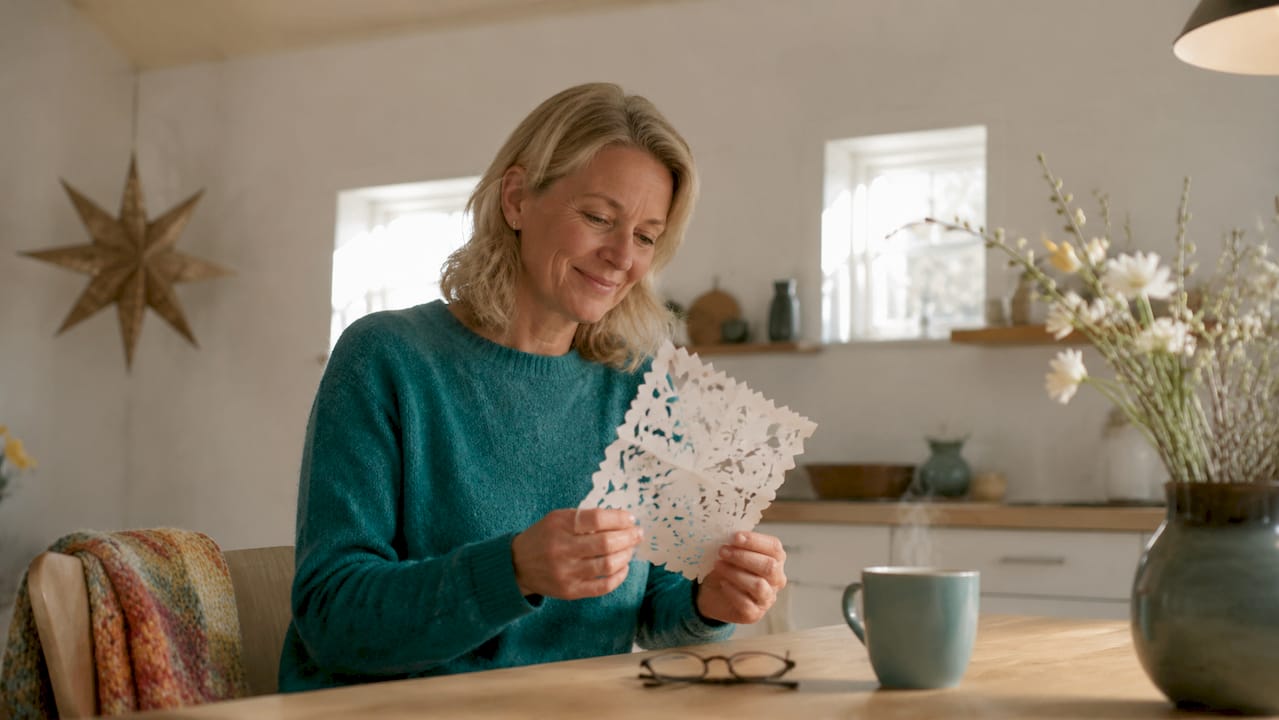
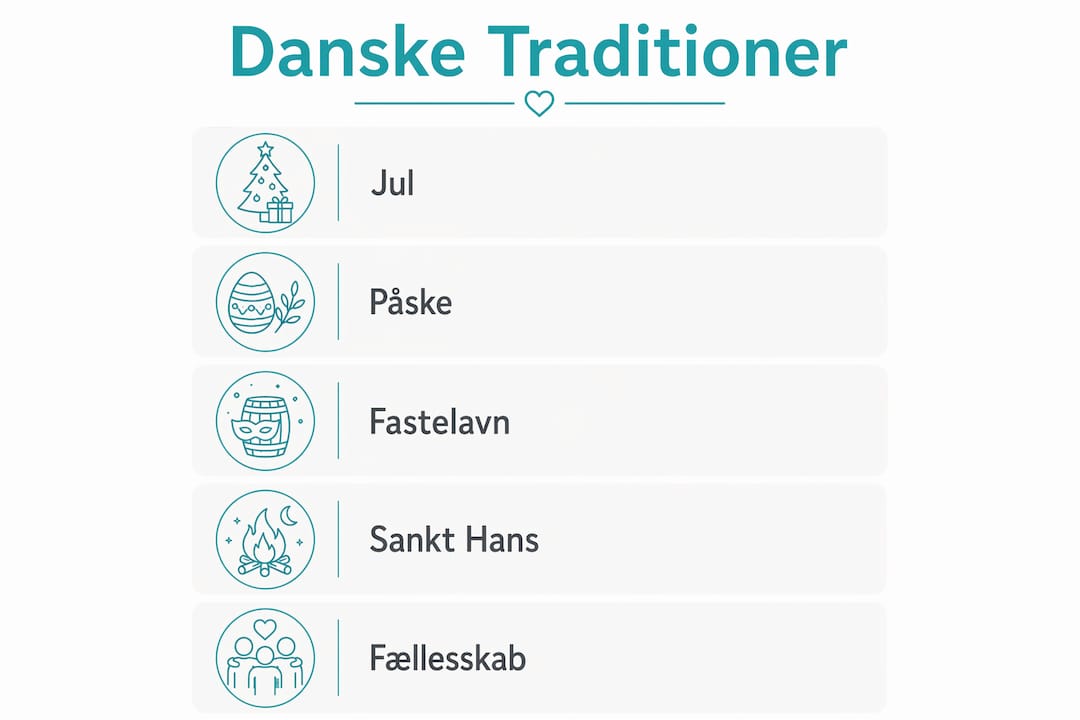
Danish Easter tradition combines Lutheran Christianity and folk customsincluding Gækkebreve and Easter lunch. Gækkebreve originate from the 1600s to 1700s and are anonymous poems decorated with cutouts, which the recipient must guess the sender of. The Easter lunch is celebrated from Maundy Thursday to the 2nd. Easter Sunday and gathering the family around herring, eggs, and snaps. It is one of the most widespread family traditions in Denmark and a concrete entry into Danish food culture.
Fastelavn: fra levende katte til slik
Fastelavn has roots in both pagan and Christian rituals And today it is a children-oriented party. The former practice of having a live cat in the barrel has been replaced by a symbolic figure, and children hit the barrel to become the cat king or cat queen. Tradition shows how Danish cultural heritage adapts to new times without losing its core.
Other important holidays and traditions
Here is an overview of central traditions in Denmark:
- Midsummer's Eve (June 23) Bonfire by the water, witch figures, and communal singing. Celebrated all over the country and one of the most popular summer festivals.
- Jul: Christmas parties from November, elves, apple pancakes, and dancing around the Christmas tree. Christmas is the holiday that brings the most Danes together.
- Constitution Day (June 5) Political speeches and public meetings. A unique blend of democracy and tradition.
- Morten's Evening (November 10th): And for dinner in memory of Bishop Morten. A food tradition with strong regional roots.
- Pinse: Pentecost Outdoor life and family gatherings, often with camping or trips in nature.
Professional tip: Would you like to experience a Danish tradition up close, so plan your visit for Carnival in February or St. John's Day in June. Both are celebrated locally throughout the country and require no prior booking.
Traditions are not just nostalgia. They create common reference points across generations and regions. A Dane from Aalborg and one from Odense celebrate Carnival differently in details, but immediately recognize each other's tradition.
What characterizes Denmark socially: language, coziness, and norms?
The Danish language has existed as an independent language since circa 800 ADThe long history of the language is reflected in a rich dialect culture, from Southern Jutlandic to Bornholmian, and in a common standard language that unites the country. Language is not just communication in Danish culture. It is identity.
Hygge as a cultural practice
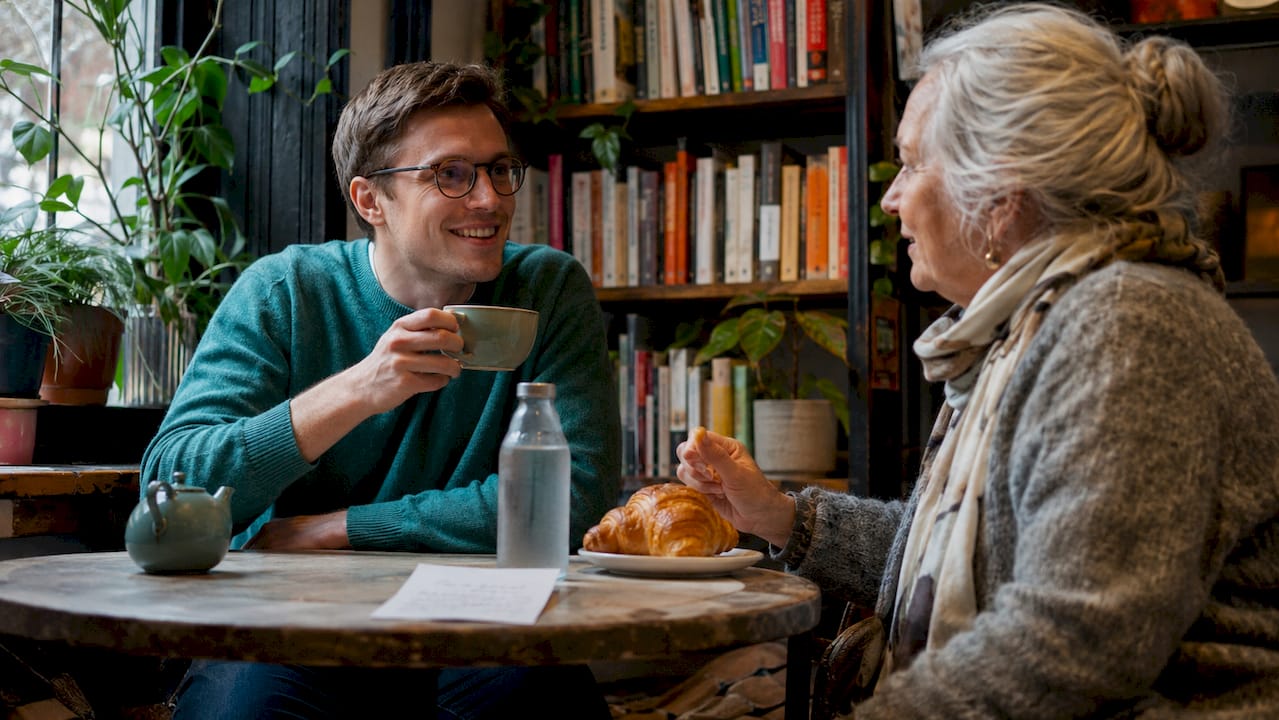
Hygge and popular culture act as social glue in Danish society and minimizes hierarchies. Hygge is not just a mood word. It is a concrete practice: turning off the big lights, lighting candles, making coffee, and slowing down the pace. It signals that everyone is equal at the table and that no one should perform. That is one of the reasons why Denmark consistently scores high on international well-being surveys.
Folkiness is the political sister of coziness. The idea is that culture and community belong to everyone, not just the elite. The folk high schools, which emerged in the 19th century with N.F.S. Grundtvig as an inspiration, are a direct expression of this idea. Today, there are over 70 folk high schools in Denmark, attracting both Danes and international students.
Low hierarchy and direct communication
Danish workplaces are known for their flat structure. The boss is often addressed by their first name, and employees are expected to express their opinions directly. It may seem informal to visitors from countries with stronger hierarchies, but it is a conscious cultural norm. The Law of Jante is the flip side of the same coin: the invisible rule that you should not think you are better than others. It is often criticized, but it explains a lot about why Danes rarely boast and prefer consensus over confrontation.
Professional tip: If you want to quickly understand Danish social norms, pay attention to how Danes behave in queues and on public transportation. Ro, respect for others' space and no eye contact with strangers are typical signals.
Danish identity consists of social patterns and practices, not a mythical essence. It requires negotiation and contextual understanding. It is an important point for everyone who wants to understand what it means to be Danish: there is no fixed answer.
How have history and the surrounding world shaped Danish culture?
Danish culture did not arise in a vacuum. It is shaped by the Viking Age, the Reformation, absolutism, democratization, and globalization. Each team has set a track.
| Period | Event | Cultural significance |
|---|---|---|
| Circa 800 AD | Danish language emerges | A shared linguistic identity is formed |
| 1536 | Reformations | Lutheran Christianity replaces Catholicism |
| 1814 | The elementary school is established | Education and formation for all |
| 1844 | First Folk High School | Grundtvigian popular culture takes root |
| 1961 | The Ministry of Culture is established | The state takes responsibility for the cultural life |
| After 1945 | Americanization | Popular culture, music, and lifestyle are imported |
Danish culture is influenced by external factors, especially Americanization after 1945.Rock and roll, jeans, and American movies significantly changed Danes' everyday life. It is not a weakening of the culture, but a proof of its adaptability.
Regional variation is also part of the picture. Jutland, Funen, and the islands have different dialects, food traditions, and celebration customs. Southern Jutland bears the mark of the German border and has its own traditions, which differ from the rest of the country. Bornholm has its own food culture with smoked herring and special types of bread, which you can read more about in the guide to Danish traditional food.
Denmark's multicultural society today adds yet another layer. New citizens bring their own traditions, and Danish culture is continuously negotiated in the encounter between old and new. It's not a problem. It is the normal state of culture.
How does one experience and understand Danish culture in practice?
Understanding Danish culture requires more than knowing the traditions. The most complex aspects for foreigners are the unwritten social norms. rather than the known traditions. A foreigner can quickly learn that Danes celebrate Shrovetide. It takes longer to understand when it is appropriate to invite oneself for coffee.
Here are five concrete ways to approach Danish culture:
- Participate in a folk high school or evening school. It is the fastest way into the Danish community and provides access to conversations that normally take place behind closed doors.
- Eat Danish food with Danes. A breakfast table with rye bread, herring, and snaps is not just food. It is a ritual with specific rules for order and toasts. Check gas gastronomic experiences in Denmark for inspiration.
- Visit local markets and festivals. Tønder Festival, Roskilde Festival, and the local Christmas market showcase Danish culture in motion, not in a museum.
- Learn the most important Danish words. Not to become fluent, but to signal respect. Danes appreciate the effort and open up more quickly.
- Observer, before you act. Subtle, invisible social norms govern interactions more than formal traditions. Take time to observe how Danes behave in social situations before adjusting your own behavior.
Professional tip: If you're visiting Denmark for the first time, prioritize an experience outside Copenhagen. Provincial towns such as Aarhus, Odense, and Ribe provide a more nuanced picture of what characterizes Denmark in everyday life.
Local food is one of the most direct ways into a culture. Danish food culture is influenced by the seasons, the sea, and agriculture. Open-faced sandwiches, roast pork, apple pancakes, and Danish pastries are not random dishes. They talk about geography, climate, and social customs. Local specialties vary from region to region, and it is worth actively exploring them during a visit.
Danish culture is more than coziness and Vikings
I have lived in Denmark my entire life, and I am still surprised at how often people reduce Danish culture to two things: hygge and Vikings. Both are real, but they only tell a small part of the story.
What truly characterizes Danish culture in everyday life is something much more subtle. It's the way neighbors greet each other without stopping. It is the quiet pride in good craftsmanship. It is the collective irritation when someone cuts the line. These micro-activities are harder to describe than Viking ships, but they are far more crucial for understanding what it means to live in Denmark.
I am also critical of the tendency I see in many descriptions of Danish culture, namely to portray it as harmonious and conflict-free. It is not. The debate about Danish identity and inclusion is lively and sometimes intense. The question of who "belongs" in Danish culture is not settled. That's good. A culture that does not question itself stagnates.
My best advice for both Danes and international guests is this: meet the culture with curiosity rather than expectations. From cultural experiences in Denmark, that are stuck in memory are rarely the ones you planned. They arise in the encounter with the unexpected.
— Tommy
Experience Danish culture with Rejsidanmark
Danish culture is best understood when experienced up close. Rejsidanmark gathers the best cultural experiences, sights, and activities from all over the country in one place. Whether you want to attend a local festival, visit a historic site, or taste Danish cuisine, you will find inspiration and practical information on the platform. Bridge The guide to Denmark for first-time visitors as your starting point. It gives you a structured overview of what you must not miss, from Skagen in the north to Møns Klint in the south. Rejsidanmark helps you plan a trip that gets closer to Danish reality than the usual tourist routes.
Frequently Asked Questions
What is Danish culture, briefly explained?
Danish culture is a pattern of traditions, social norms, and shared references shaped by language, history, and everyday life. It is not a fixed size, but a dynamic field of practice that continuously evolves.
What are the most important traditions in Denmark?
The most central traditions in Denmark are Christmas, Easter, Shrovetide, and Midsummer. The Easter lunch and the Gækkebreve date back to the 1600s–1700s and are still widespread today.
What does hygge mean in Danish culture?
Hygge is a concrete cultural practice that creates informal community and minimizes social hierarchies. It's about creating an atmosphere where everyone is equal and no one has to perform.
When did the Danish language originate?
The Danish language emerged as an independent language around the year 800. The long development of the language is reflected today in a rich dialect culture from Southern Jutlandic to Bornholmian.
How does foreign influence affect Danish culture?
Danish culture has always been influenced by international influences, especially after 1945 with the Americanization of music, fashion, and lifestyle. Cultures adapt without losing their fundamental norms and traditions.
Recommendation
- Discover Danish traditions: your guide to culture and experiences – Travel in Denmark
- Danish traditional food – regional specialties from all over Denmark – Travel in Denmark
- Understanding Cultural Experiences in Denmark – Travel in Denmark
- Cultural Heritage Sites in Denmark: Your Guide to Historical Experiences – Travel in Denmark